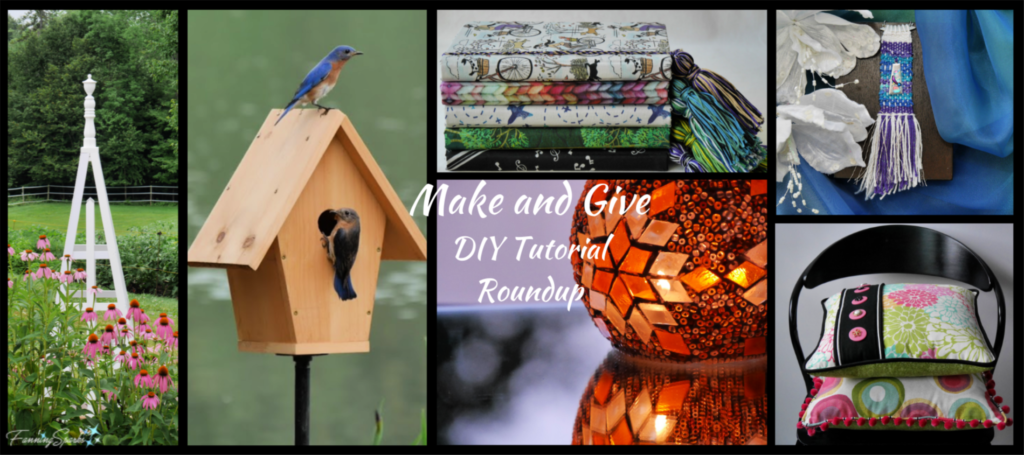
Looking for something unique and special for someone on your holiday gift list? Would they appreciate a handmade gift created especially for them? Perhaps one of the items featured in a DIY tutorial here on the FanningSparks blog would be a good fit. These are not your run-of-the-mill predictable presents. I’ve given several of these items as gifts and they’ve all been well received. These items are made with a variety of techniques including general crafting, weaving, mosaic making, woodworking, and sewing. But they’re all quite doable with the detailed step-by-step instructions I’ve provided. Here are the tutorials I’ve rounded up for you today.
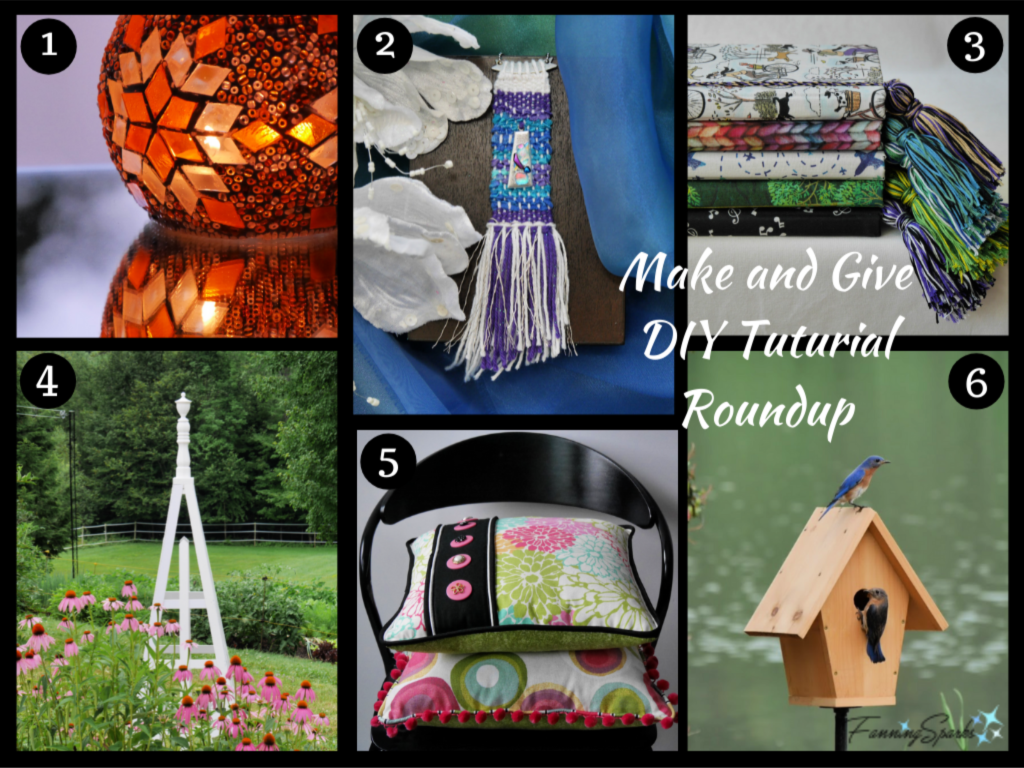
1. Turkish Mosaic Candle Holder
2. Woven Statement Necklace
3. Personalized Fabric-Covered Journal
4. Pyramid Trellis
5. Bespoke Pillows
6. Bluebird-Approved Birdhouse
1. Turkish Mosaic Candle Holder
This Turkish Mosaic Candle Holder is perfect for this time of year. It has a pretty 6-point star design that glitters and shines when a candle is lit inside. This project takes a little time since thinset mortar and grout need time to cure. It requires basic glass cutting skills and a few glass cutting tools. See DIY Tutorial here.
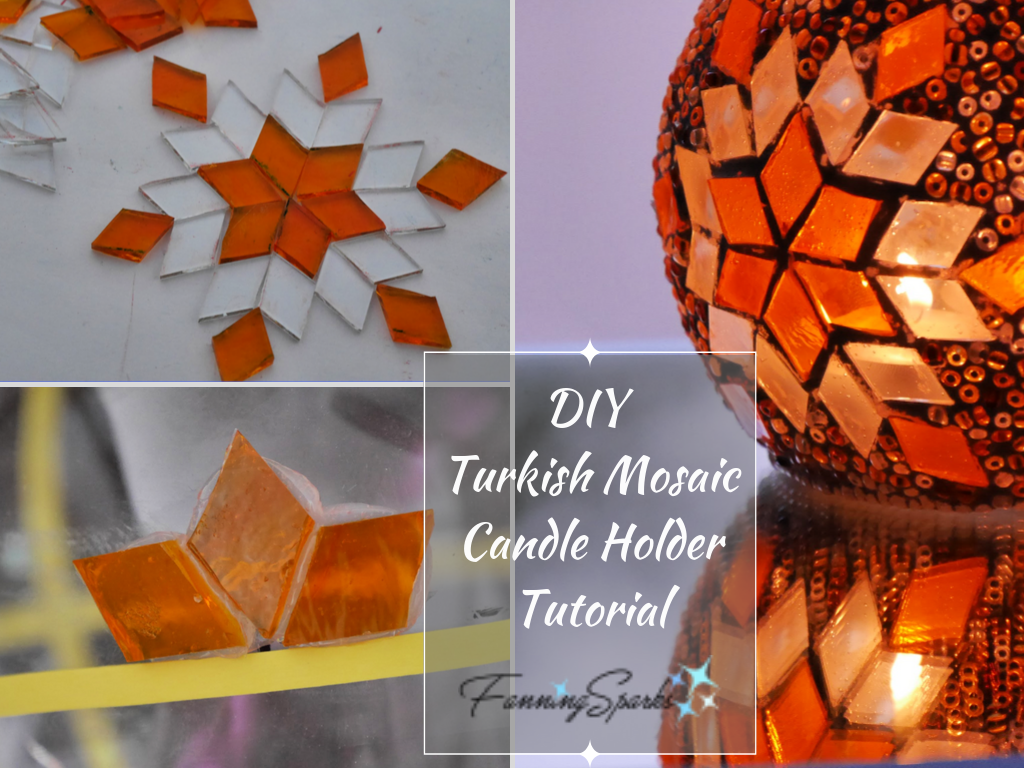
2. Woven Statement Necklace
The woven statement necklace has gone through a few iterations. This necklace is striking and I often receive compliments when I wear one of mine. This is a simple project which does not require special tools or skills… well… other than patience. The tutorial was first shared in this post.
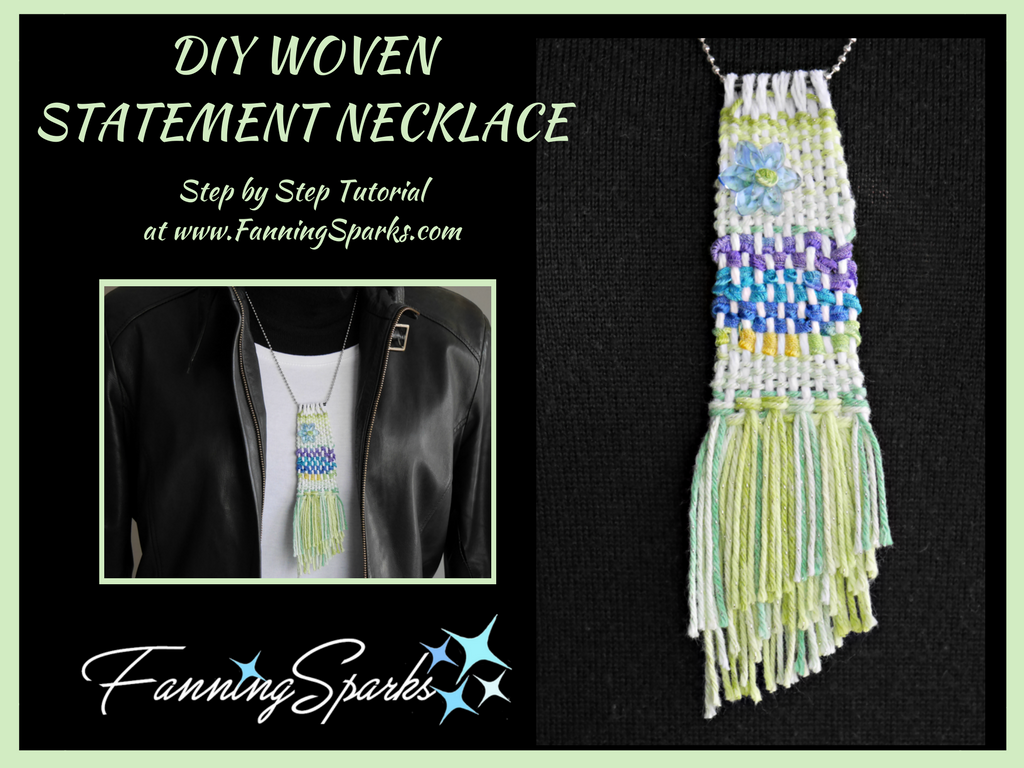
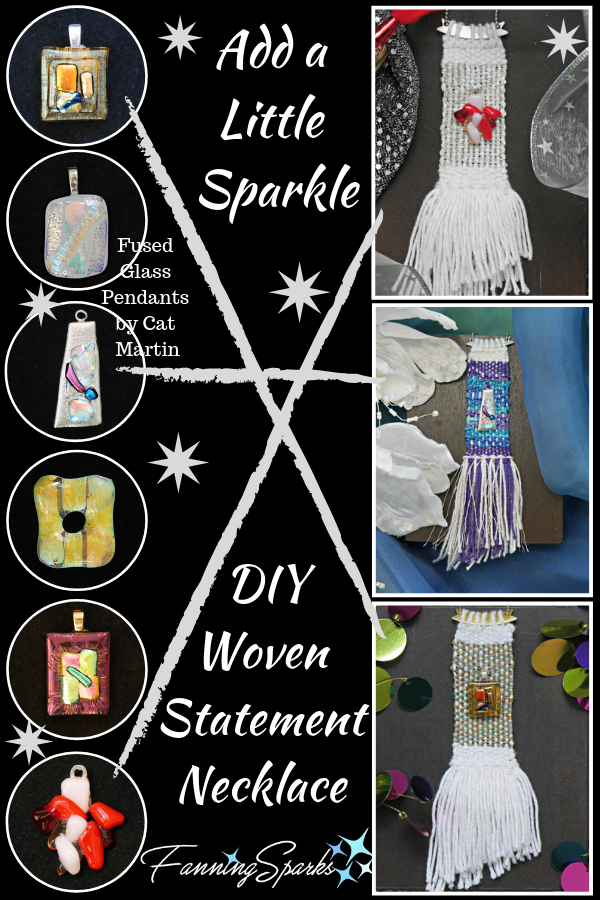
The post, Add a Little Sparkle, includes special holiday versions of the woven statement necklace.
3. Personalized Fabric-Covered Journal
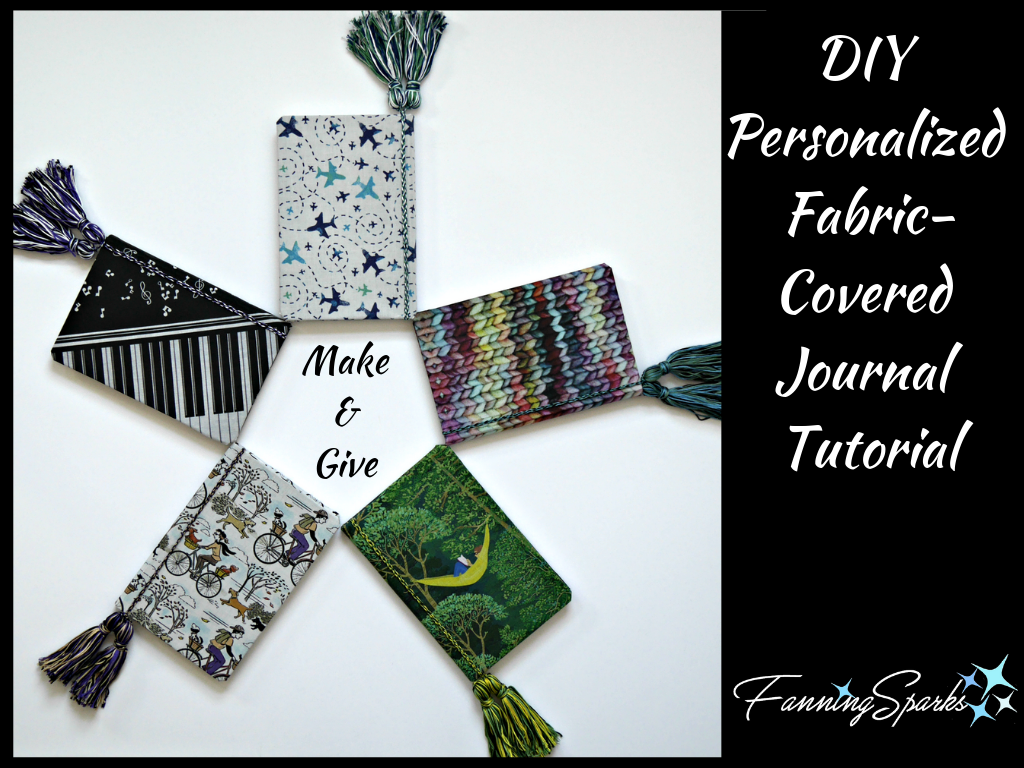
The Personalized Fabric-Covered Journals are one of my favorite because they are easy to customize to the recipient. Got someone who likes to cycle? There’s fabric for them. Got someone who likes music? Covered! Someone who travels? Covered! Someone who knits? Covered! Someone who reads? Yep! This is the quickest and simplest project. It requires cut and paste assembly and no special tools or skills are needed. This tutorial was presented in two parts. Part 1 addresses selecting the perfect fabric.
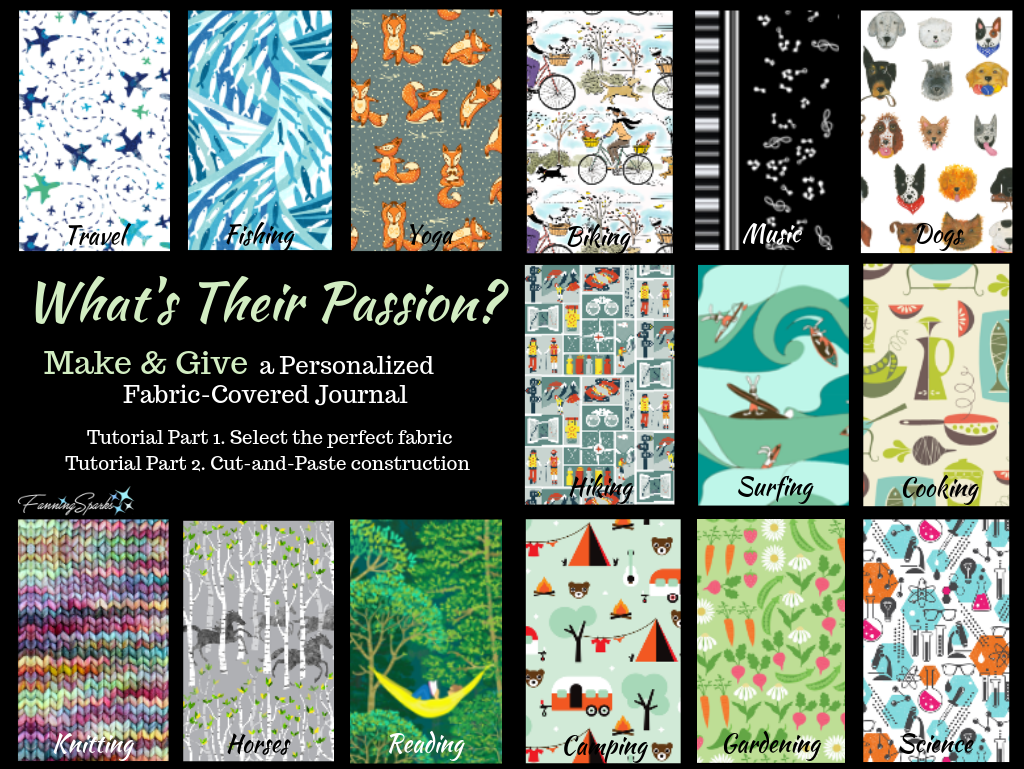
Part 2 of the DIY Personalized Fabric-Covered Journal Tutorial covers the cut-and-paste construction of the journal.
4. Pyramid Trellis
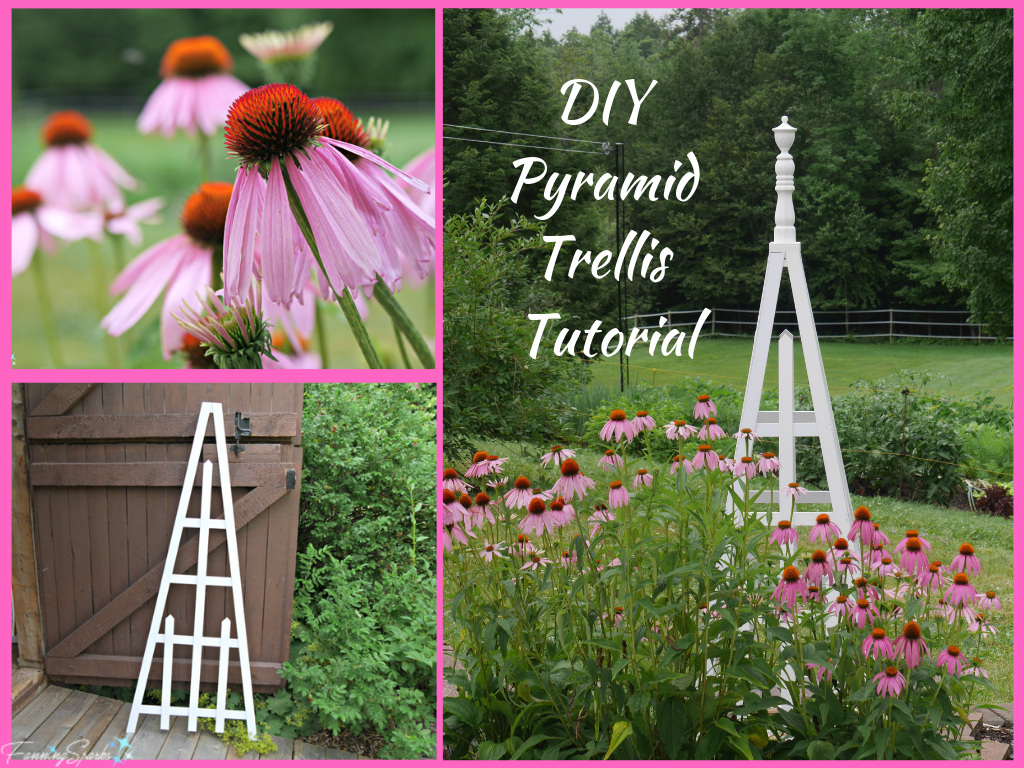
The Pyramid Trellis is perfect for someone who likes to garden or is looking to beautify their property. It will be tricky to place under the tree, however, since it stands nearly 6′ high. This project is suitable for someone with basic woodworking skills including cutting and assembling wood. Only standard tools including a jigsaw, drill and staple gun are needed. See post here.
5. Bespoke Pillows
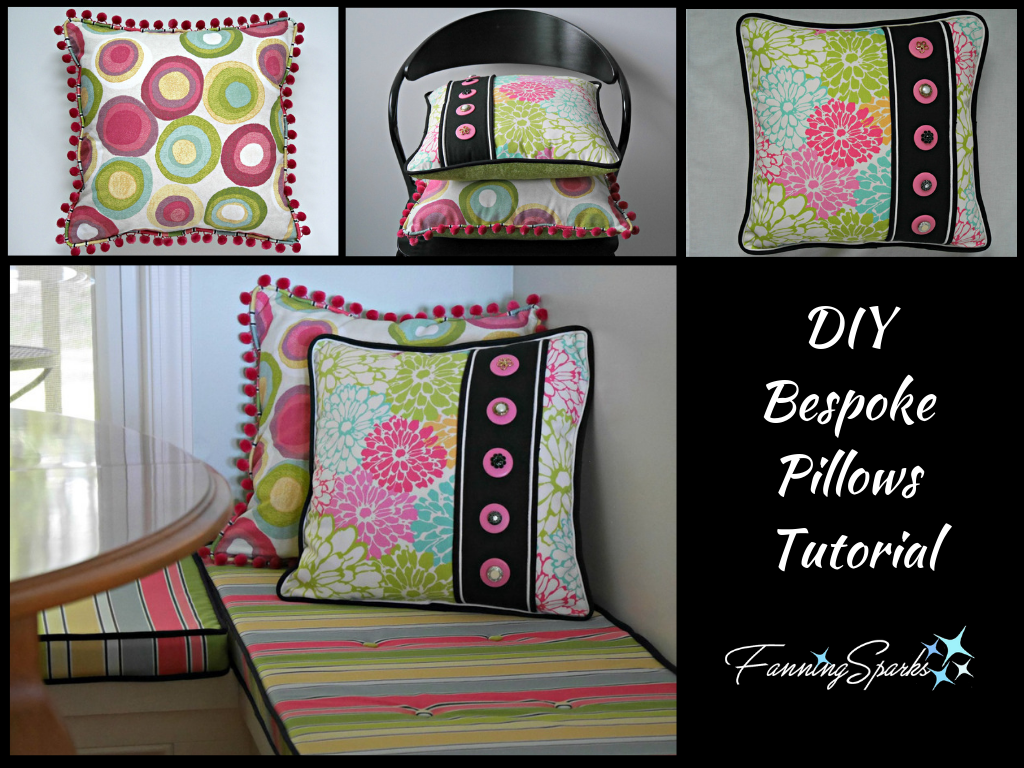
These bespoke pillows can be made in any color or pattern. So they can be perfectly coordinated to the recipient’s décor. This project is a little more difficult and does require intermediate sewing skills. Alternatively, the design could be simplified by eliminating the more difficult embellishments such as the piping. A sewing machine and standard sewing tools are needed. See post here.
6. Bluebird-Approved Birdhouse
The Bluebird-Approved Birdhouse is a nice addition to a garden or yard. This project is suitable for someone with basic woodworking skills including cutting and assembling wood. Only standard tools including a jigsaw, drill and screwdriver are needed. See post here.

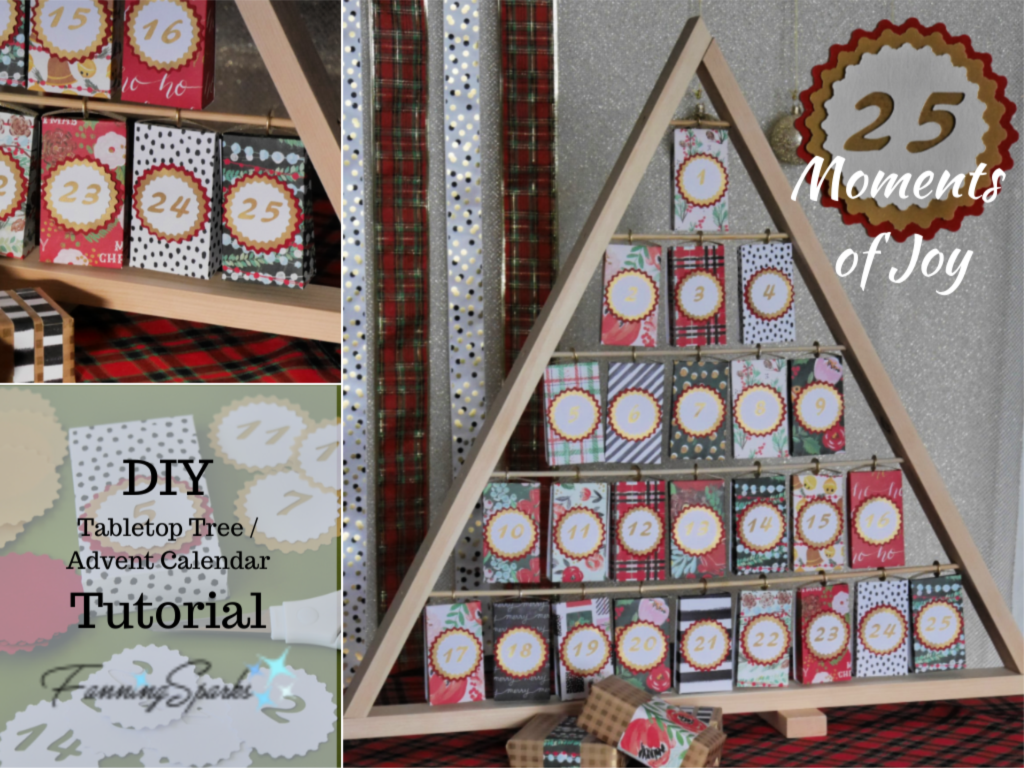
25 Moments of Joy Tabletop Tree/ Advent Calendar
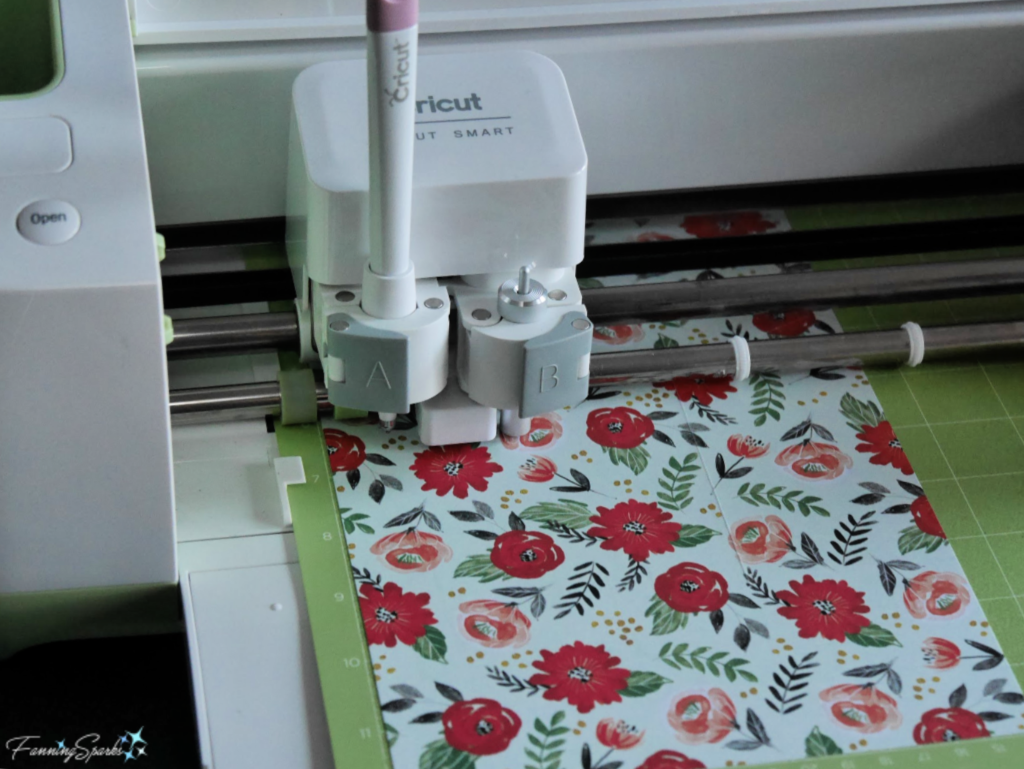
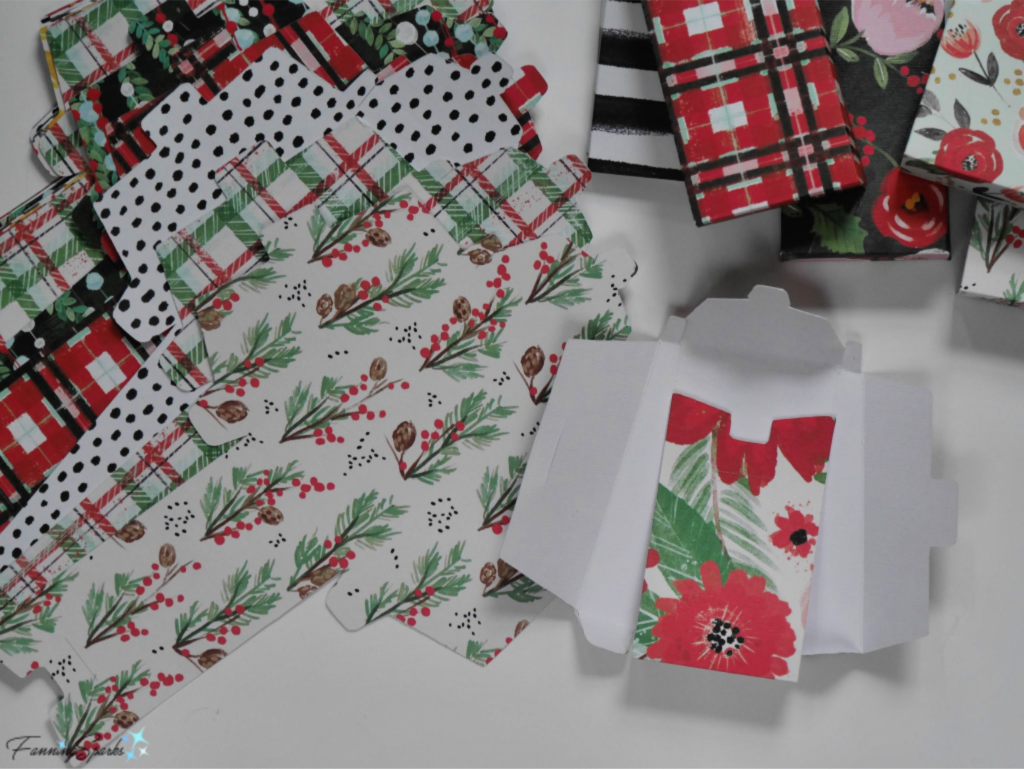
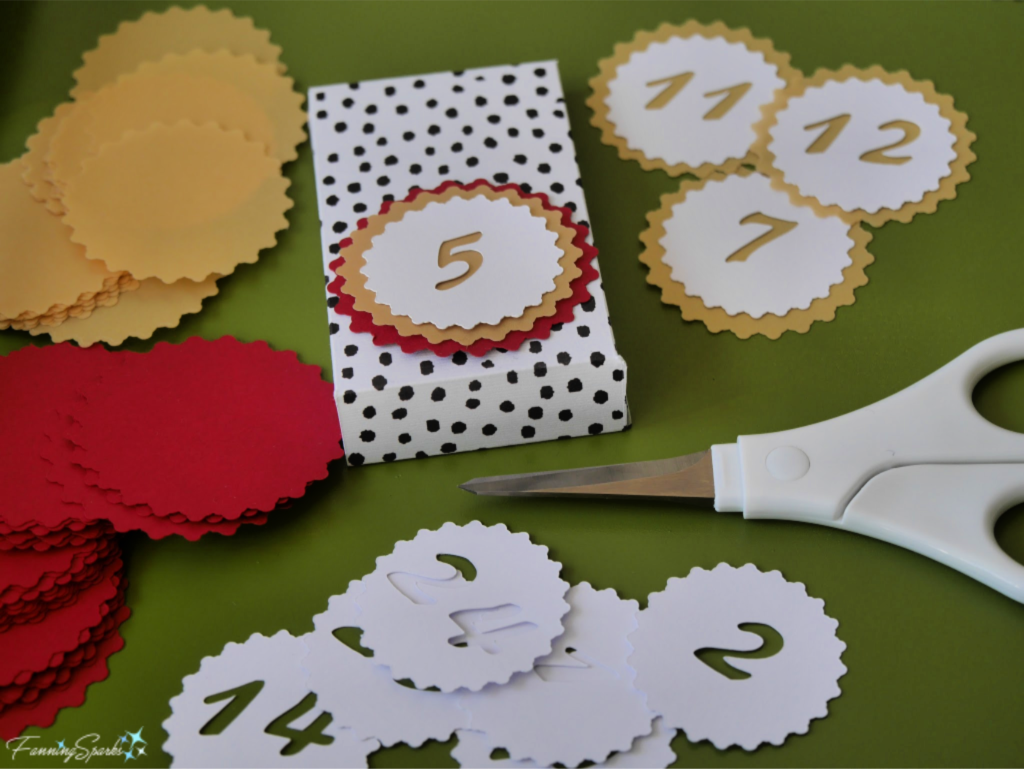
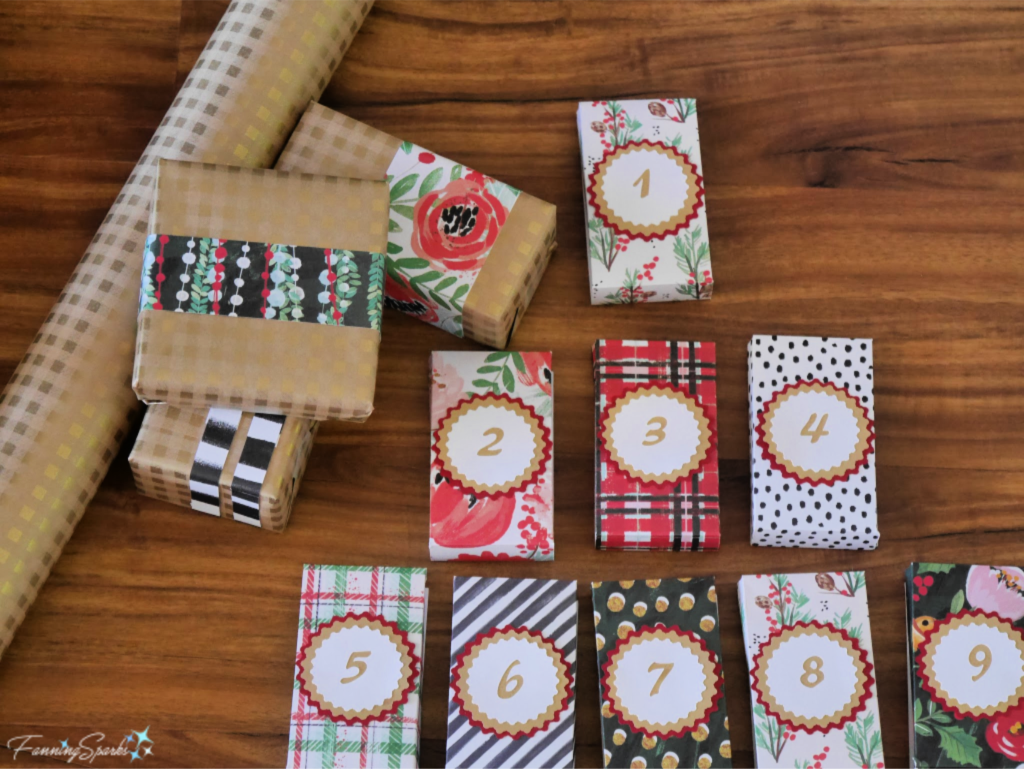
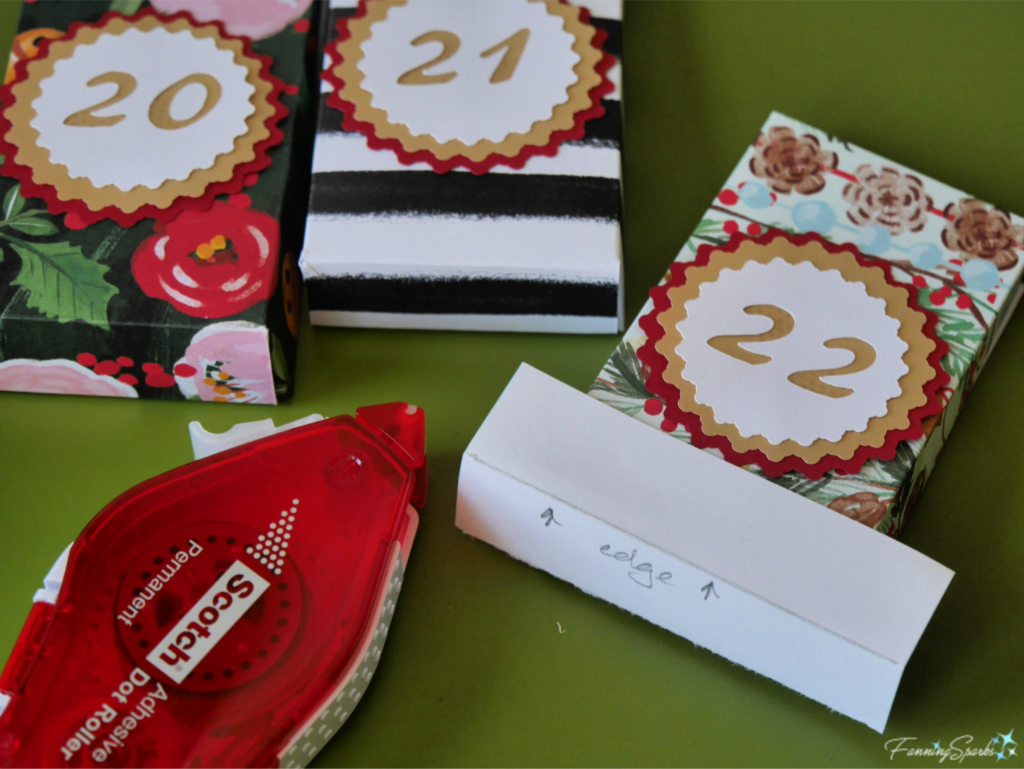
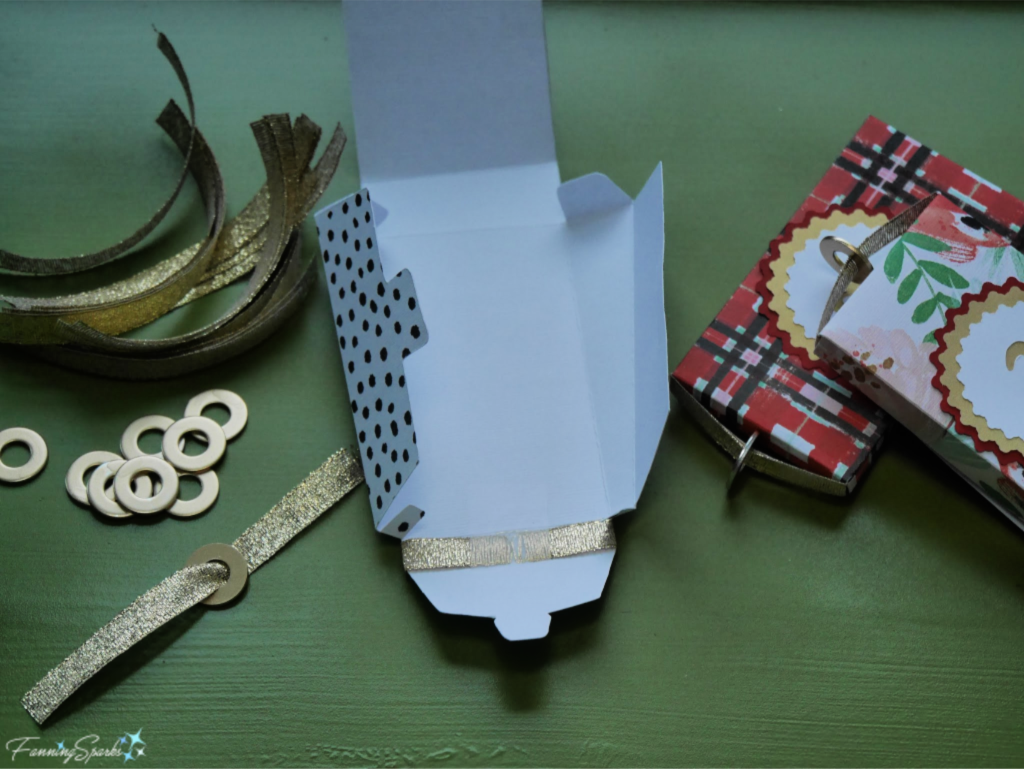
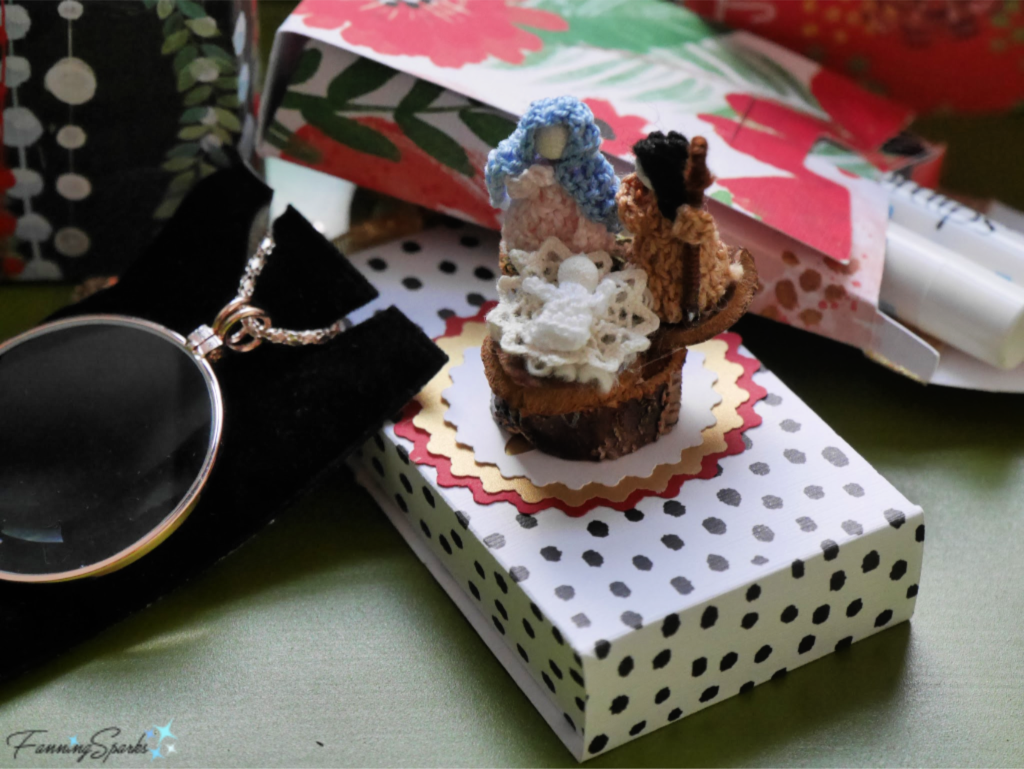
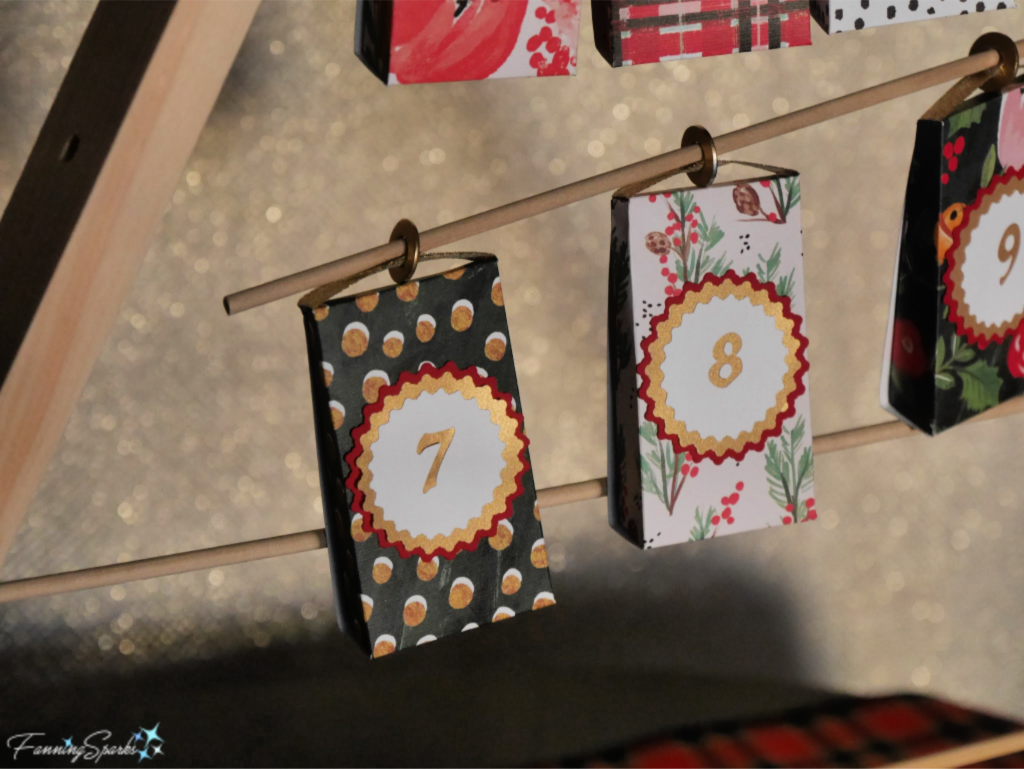
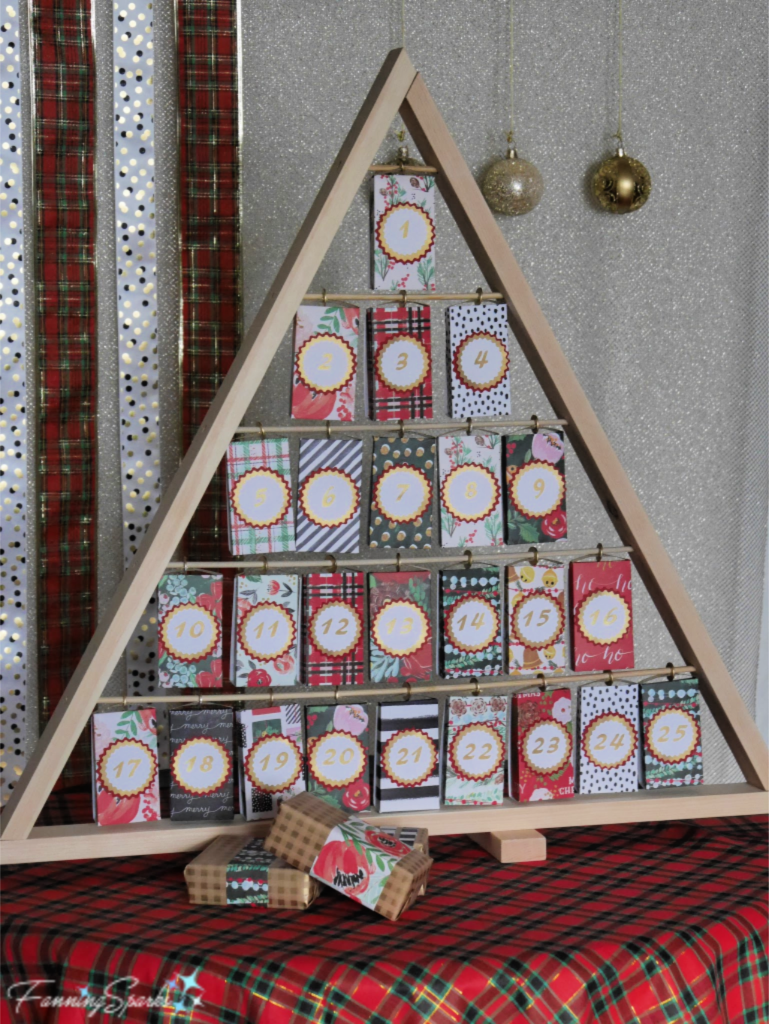
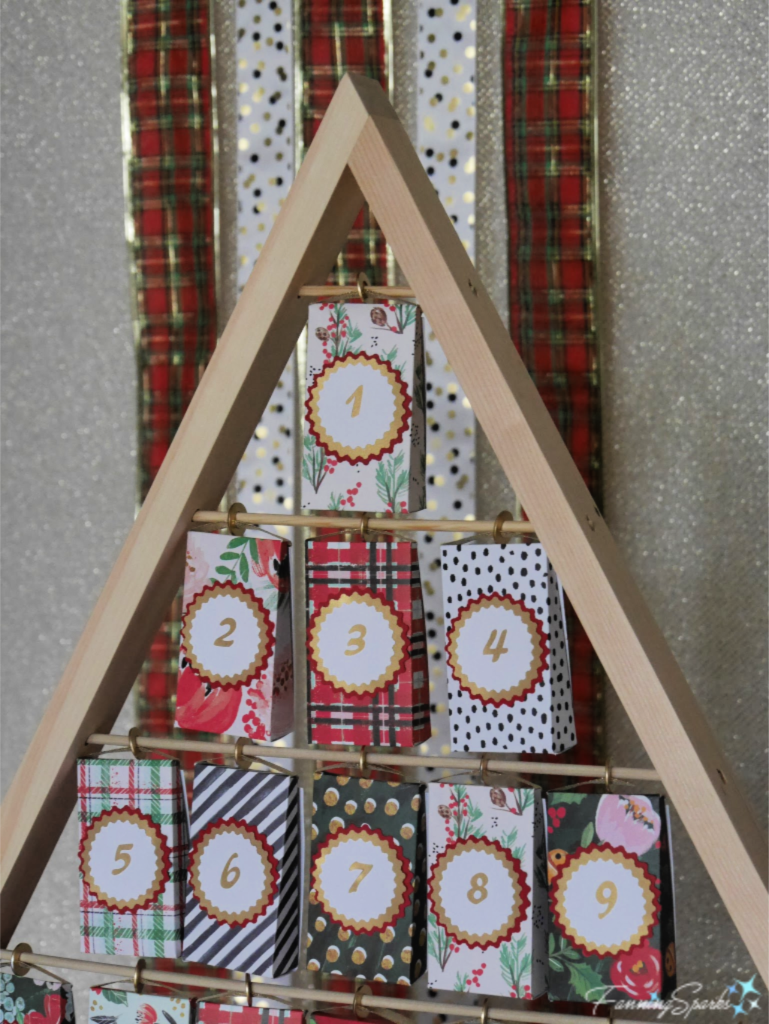
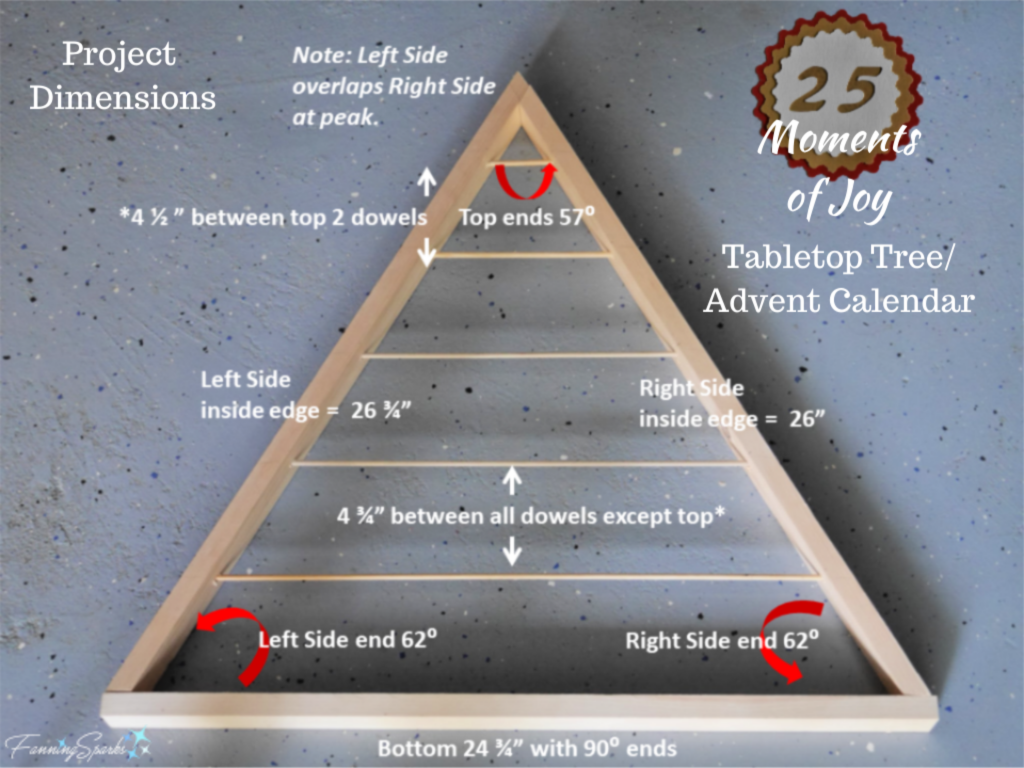
In case you missed it, I recently shared a DIY Tutorial to make a Tabletop Tree/ Advent Calendar. This project is suitable for someone with basic woodworking skills including cutting and assembling wood. Only standard tools including a jigsaw, drill and screwdriver are needed for the tree frame. Basic cut and paste assembly skills are needed for the gift packets. Check it out here.
As a bonus, I’ve pulled in a few previous posts that offer suggestions for other holiday traditions including greeting cards, holiday wreaths and gift wrapping.
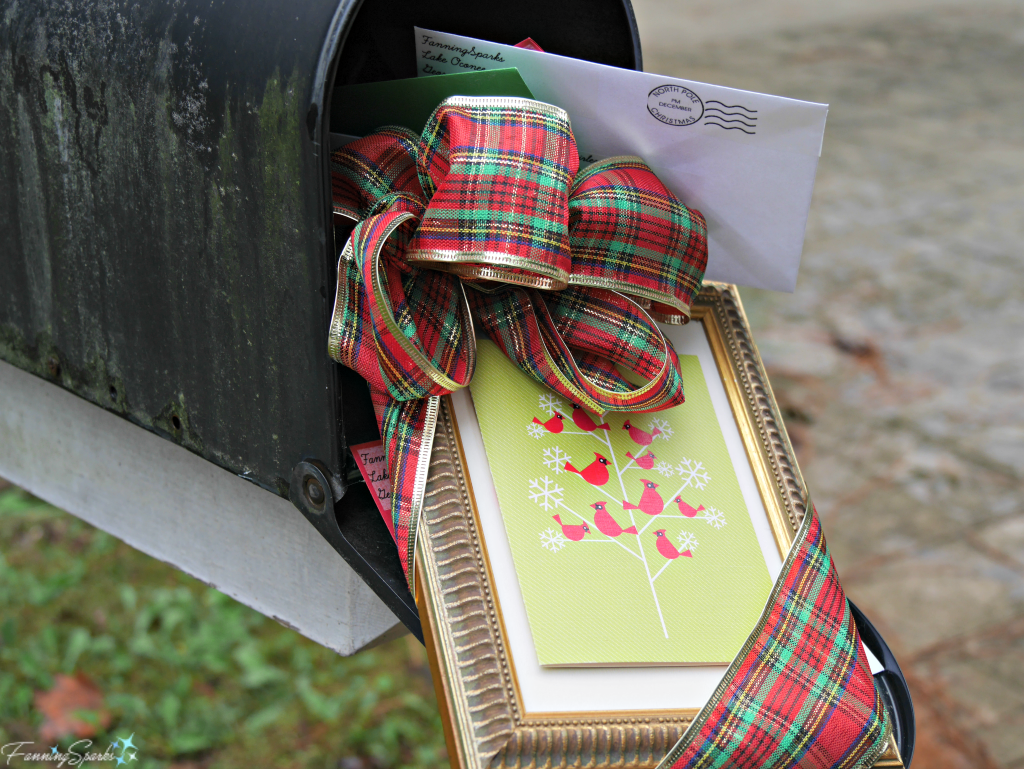
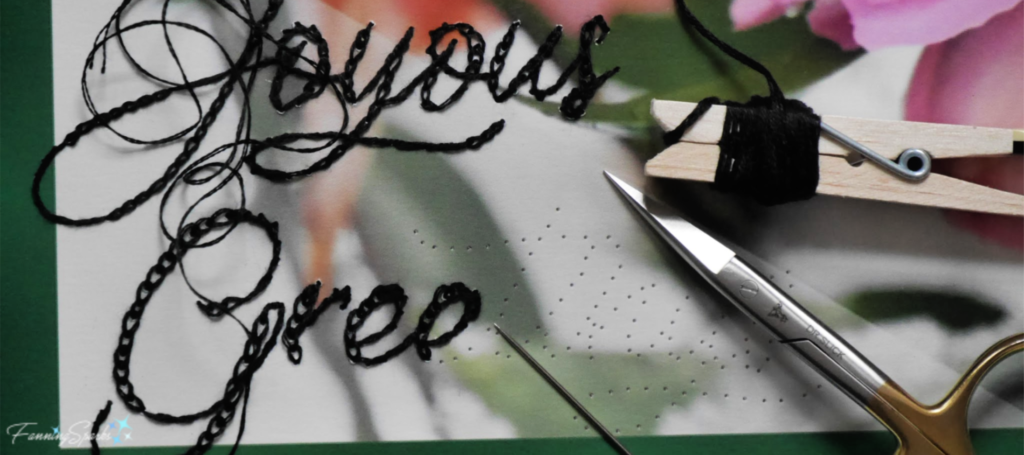
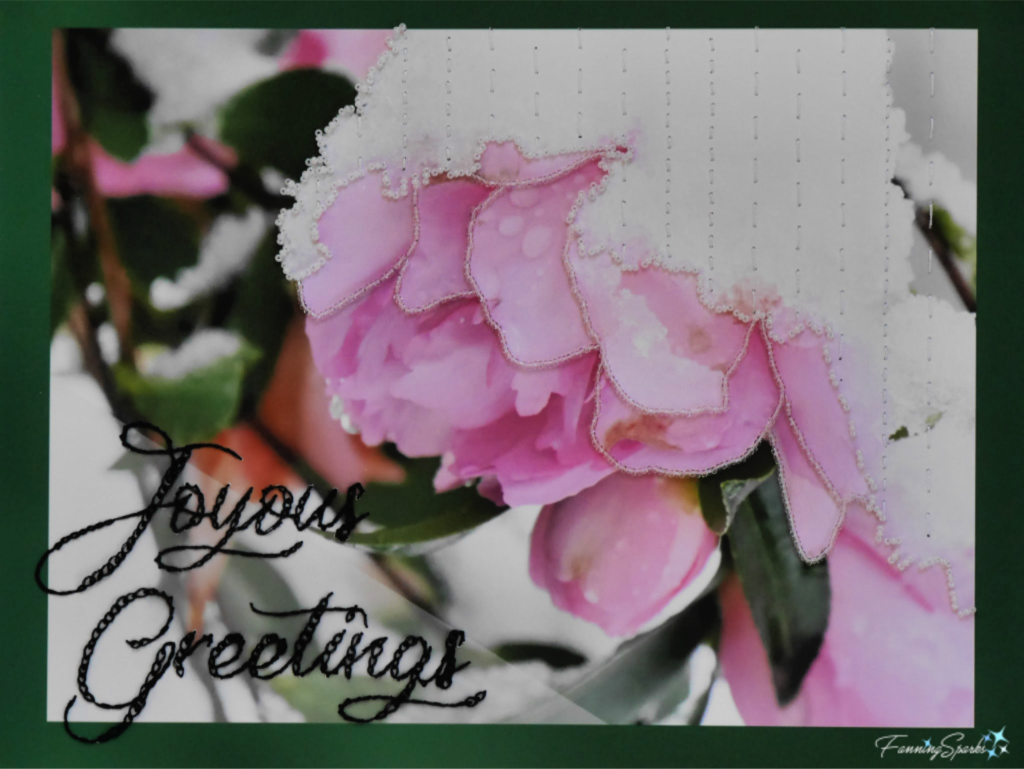
It’s become the tradition in our household to select greeting cards made by local artists. We choose cards with a personal connection that represent an aspect of our lives. It’s a small way to support local artists plus we get to share a small work of art with our family and friends. See the post, Win-Win with your Holiday Cards.
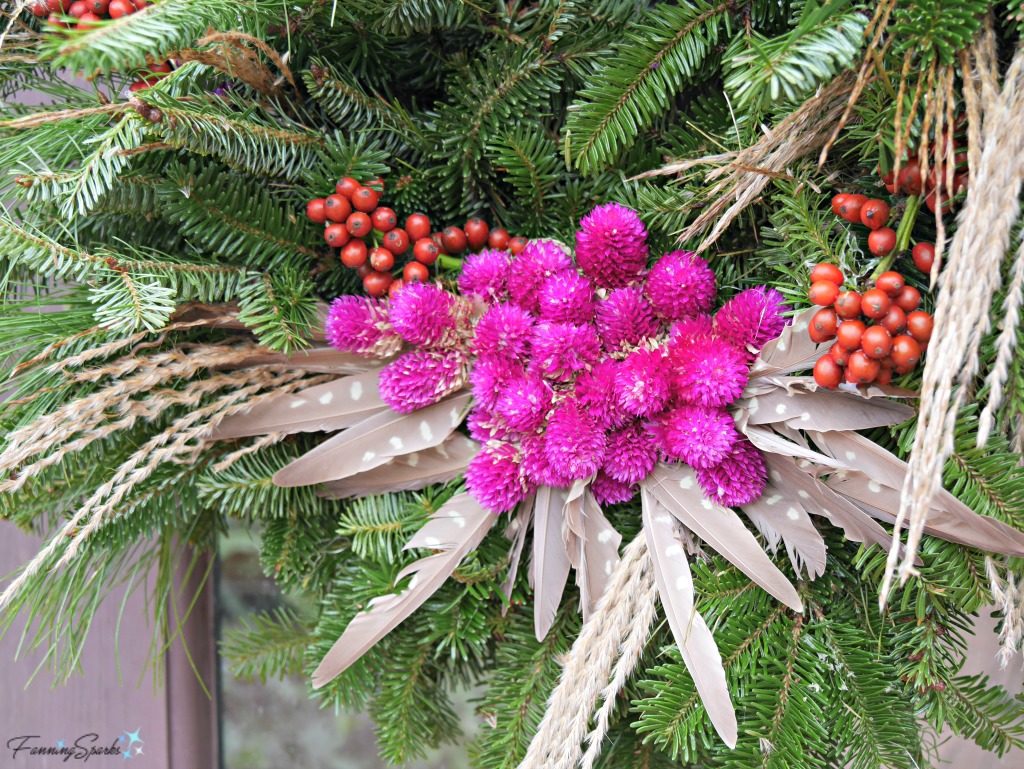
The post, Holiday Wreath Inspiration from Biltmore, features the holiday wreaths which decorated the Conservatory at Biltmore last year. They are embellished with natural materials which provide color, texture and form. Check it out for ideas to bring some Biltmore glamour to your home this year!
In the post, 8 Tips to Jazz Up Your Gift Wrapping, I share suggestions to add pizzazz to your holiday gift wrapping. The tips are illustrated with lots of examples.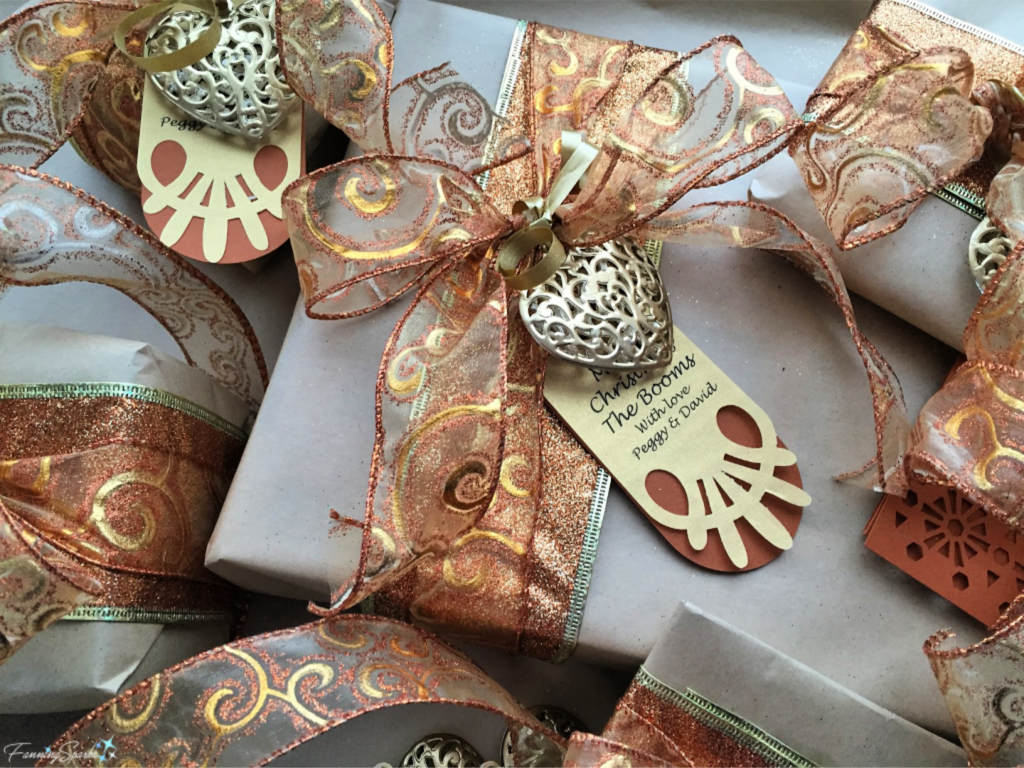
More Info
You may wish to pin this post for later reference. Save this image to Pinterest.
Today’s Takeaways
1. Handmade gifts are unique and can be tailored to the recipient.
2. Taking the time and making the effort to create a handmade gift signals care and affection.
3. Consider making a gift for someone special this holiday season.










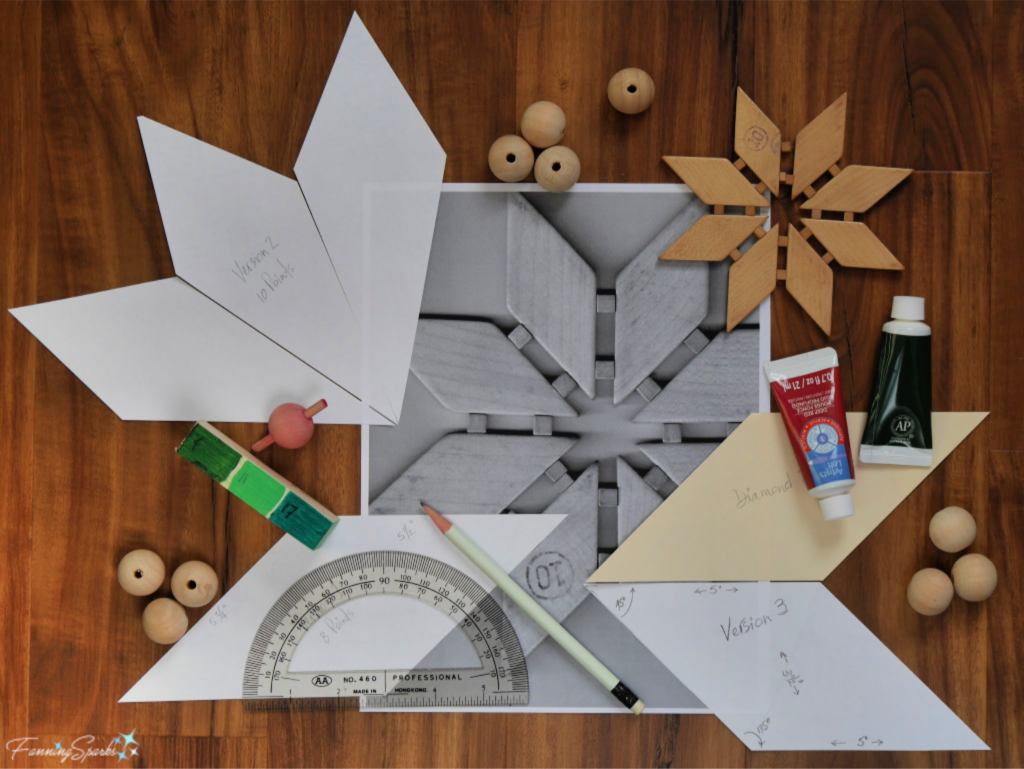
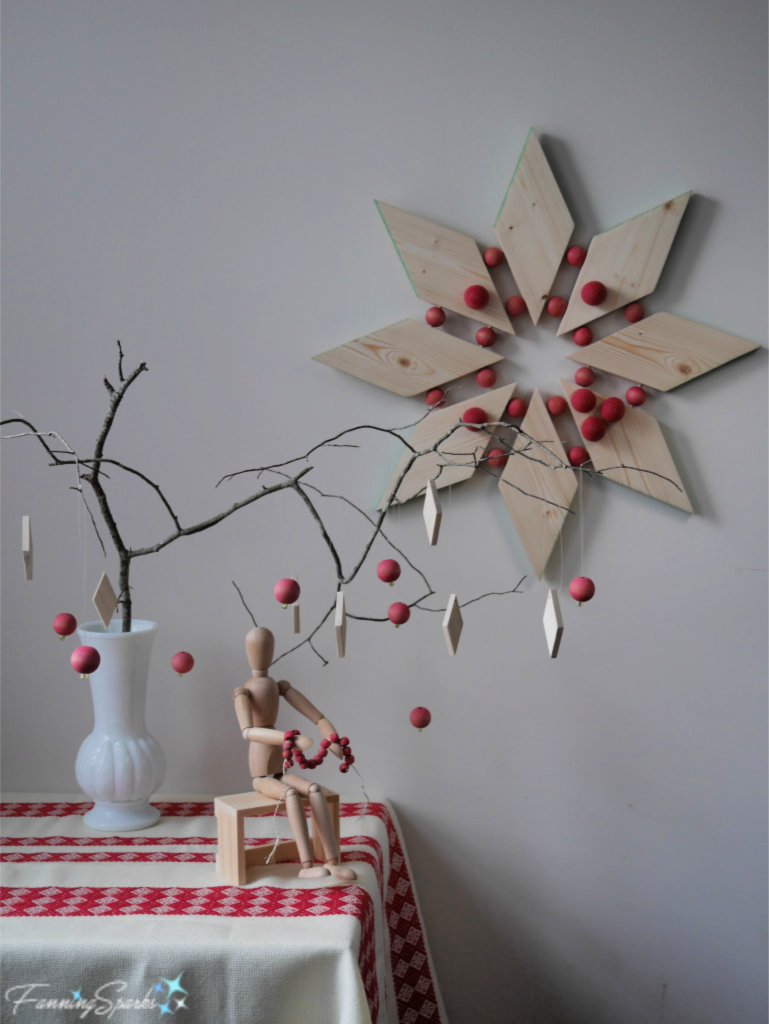
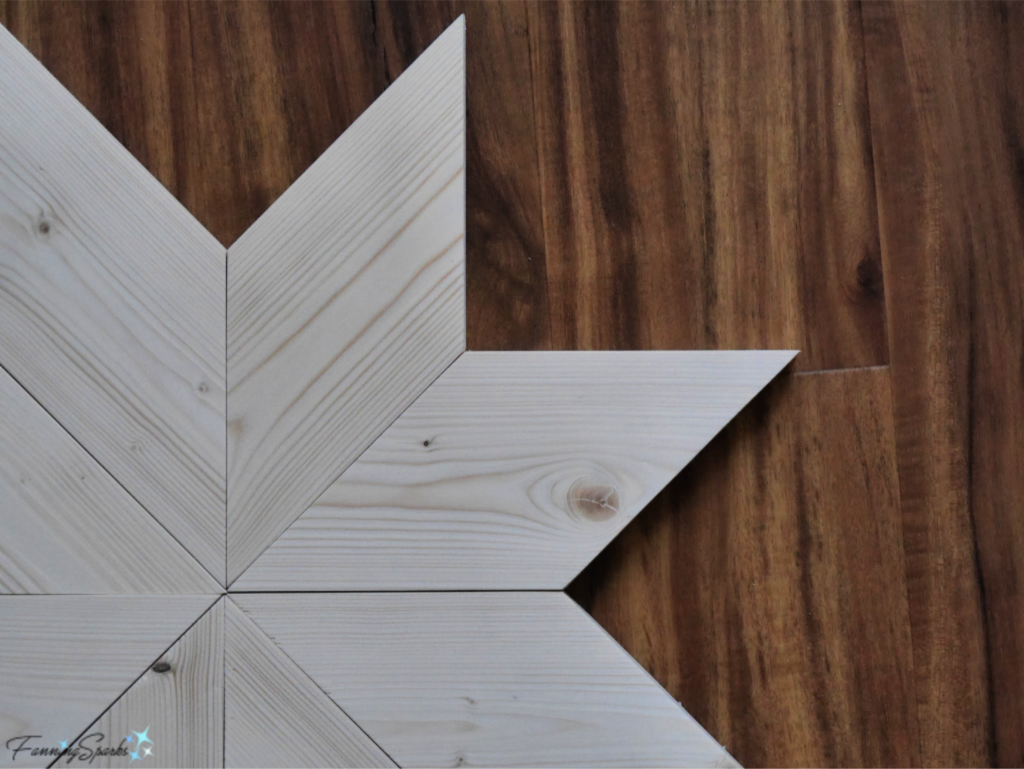
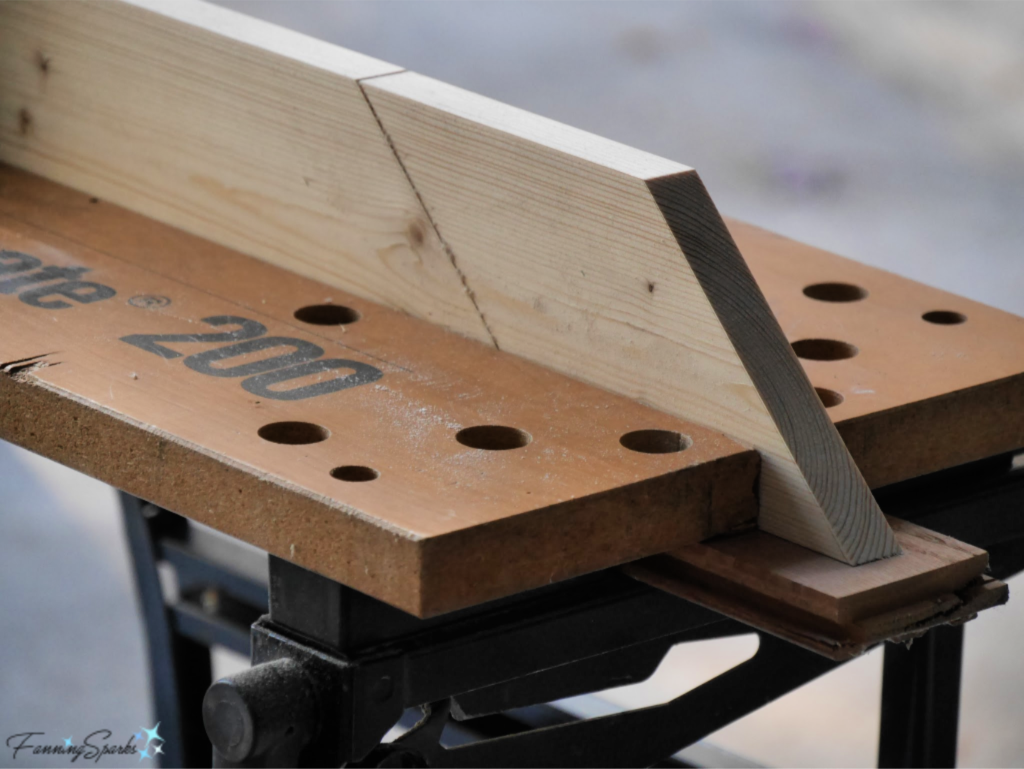
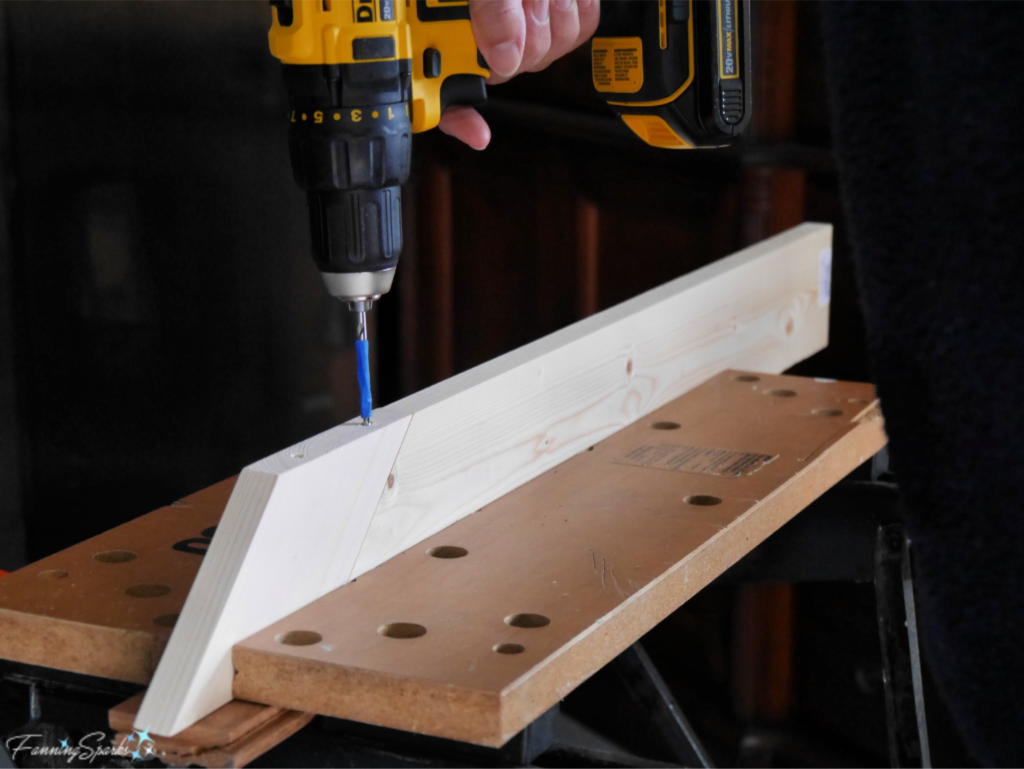
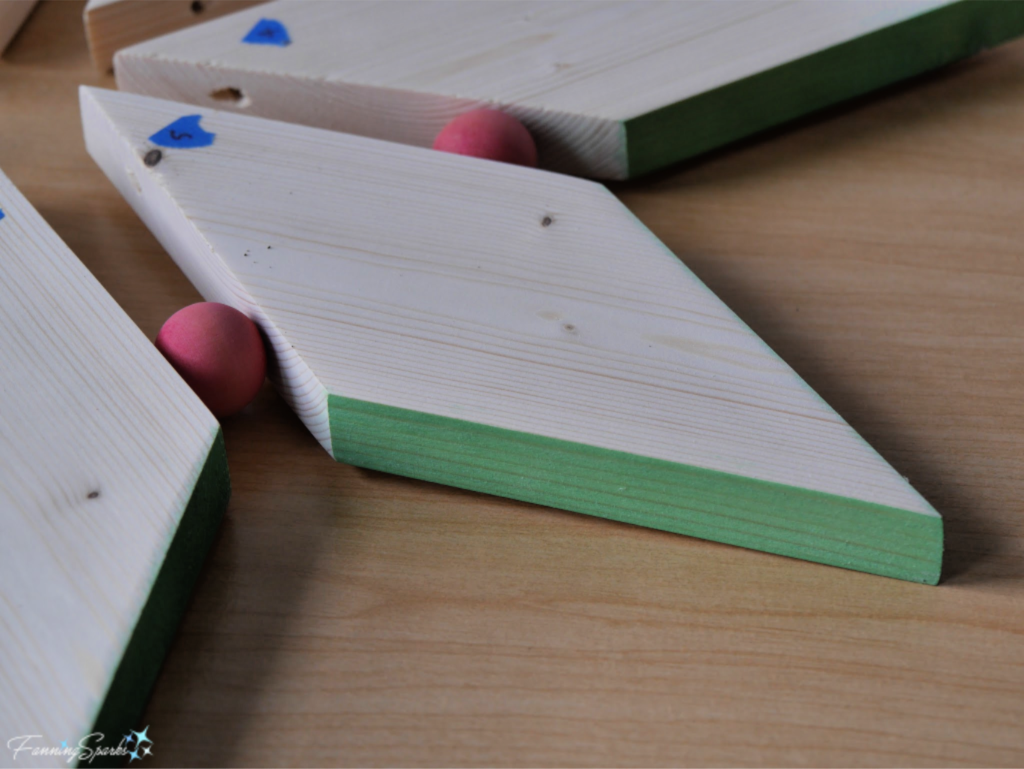
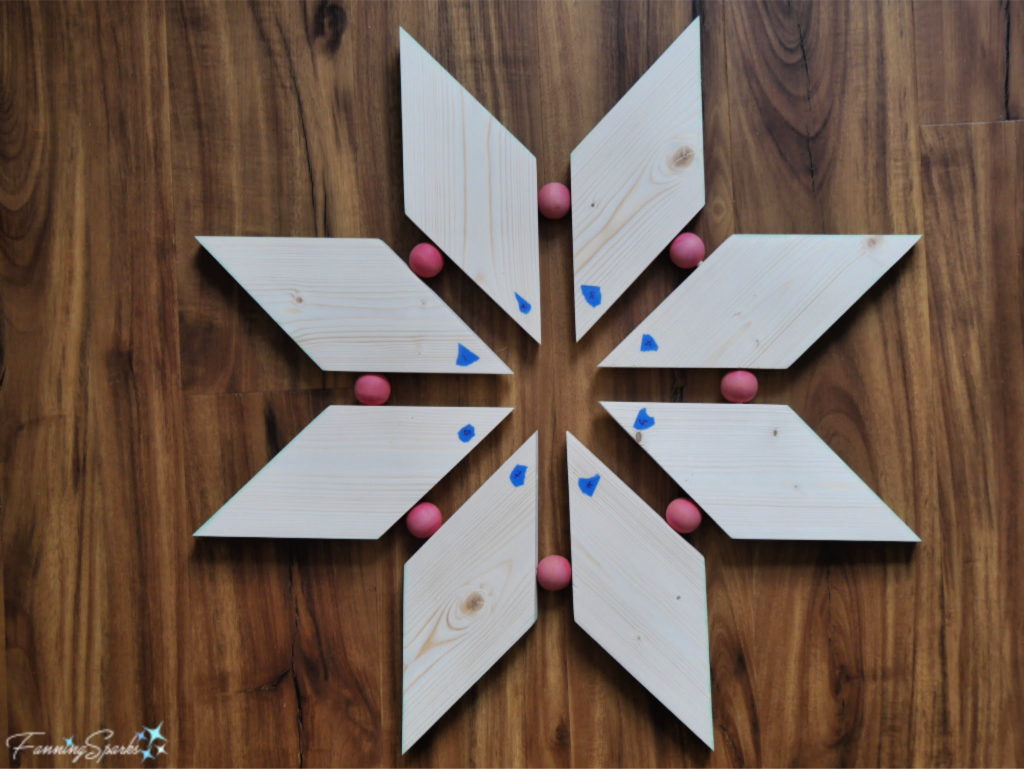
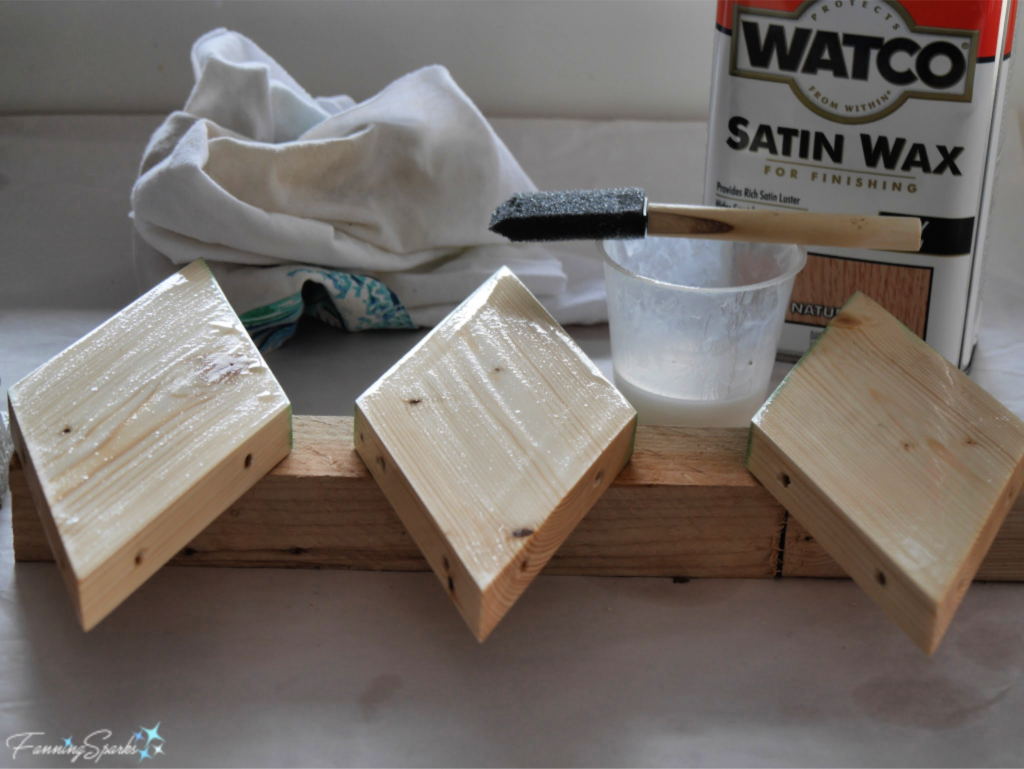
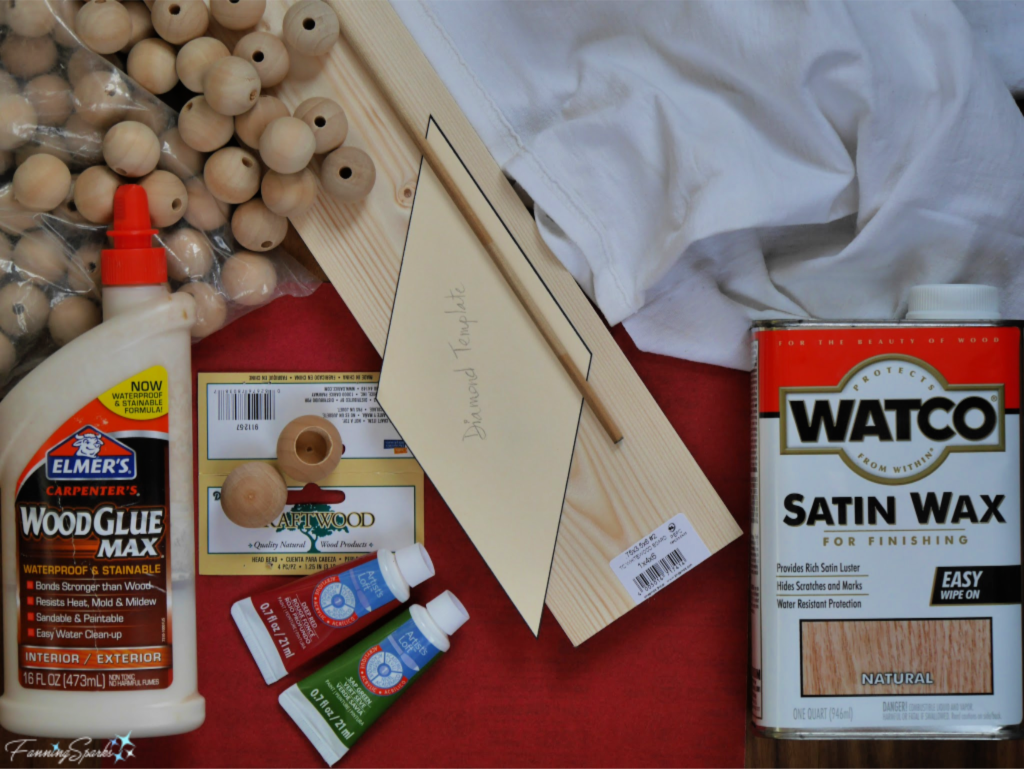 Pine Board: 1″ x 4″ x 6’ to cut the diamonds. Note the actual size of the wood will be only ¾” x 3 ½”.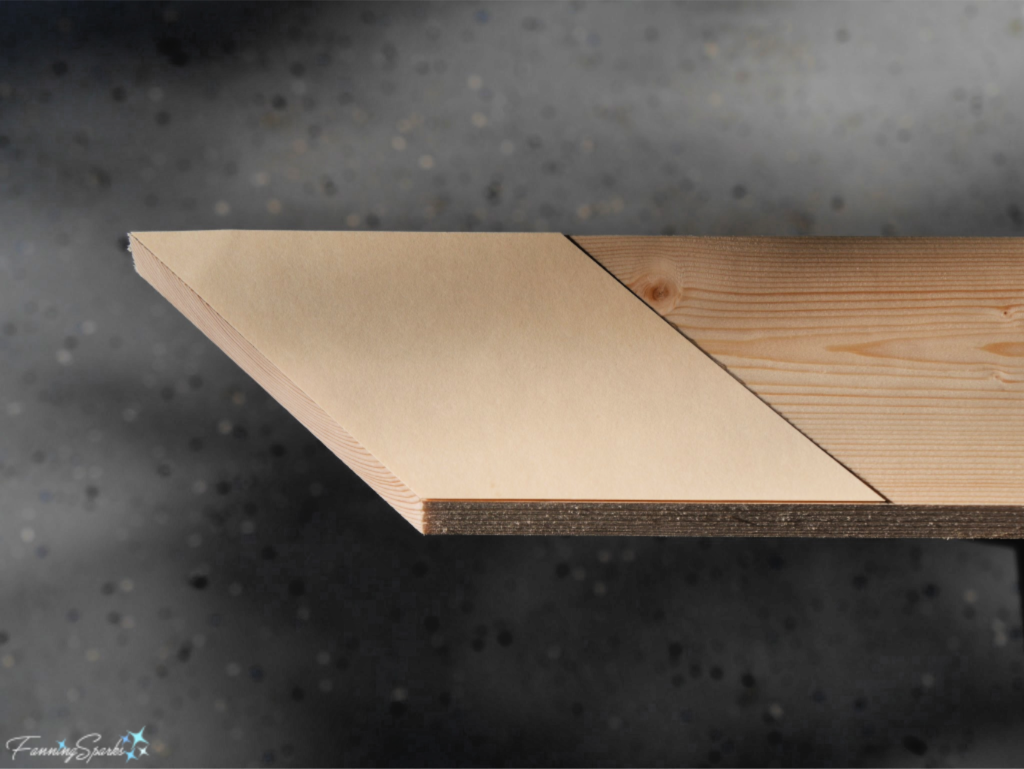
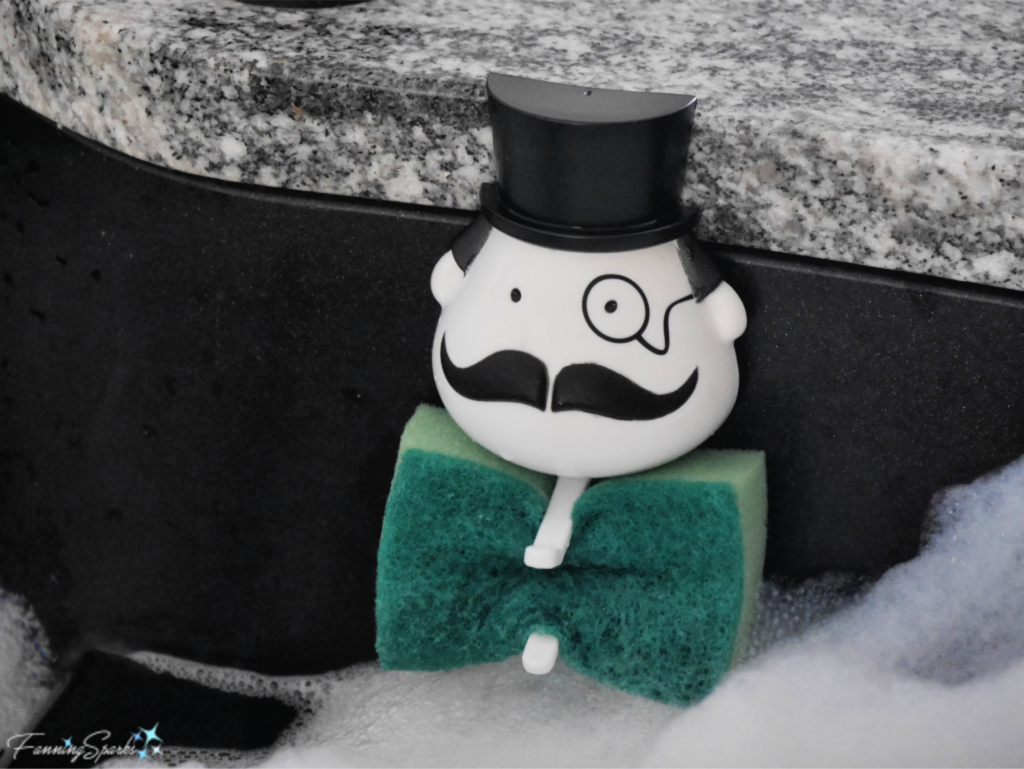
 This sponge holder, called “Mr Sponge”, is by PELEG DESIGN from Israel. This design studio encourages the viewer “to discover that beyond the products’ functionality there is a surprising game of enchantment and humor”.
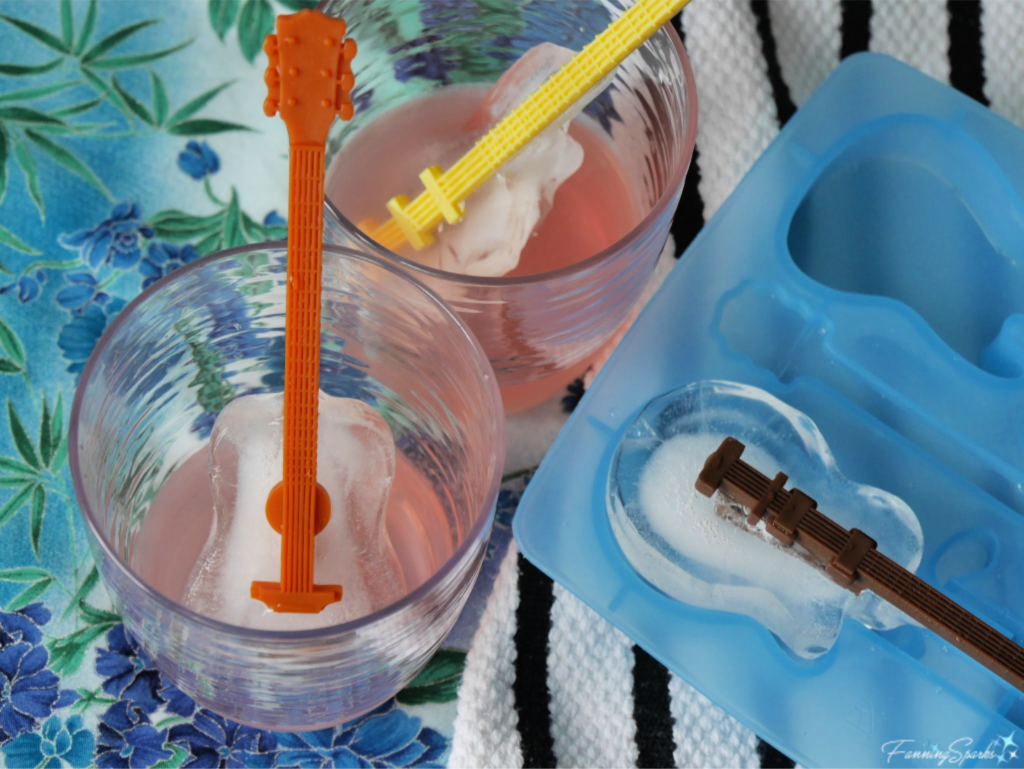
  Moving on to entertaining. Who would have thought to make ice cubes in the shape of guitars? Apparently, designer Liz Goulet Dubois from US-based Fred Studio did. These groovy guitar ice cubes are promoted as “Cool Jazz”.
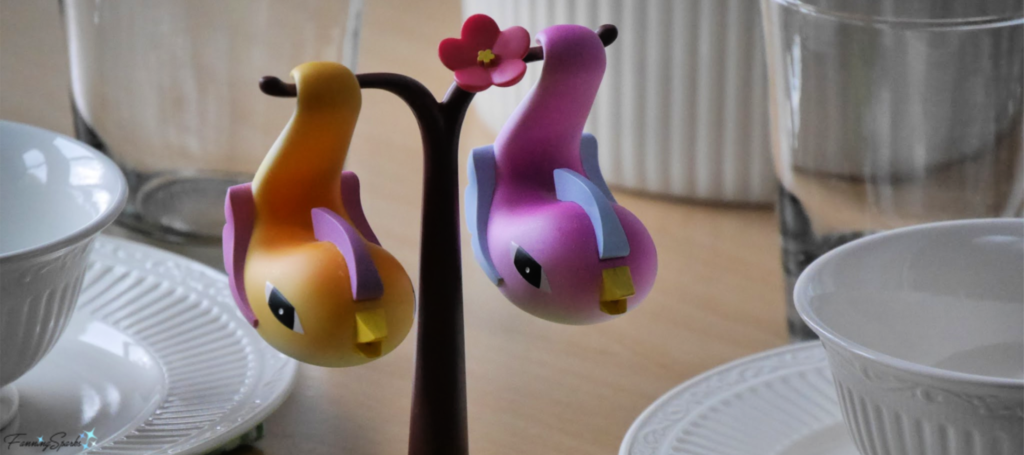
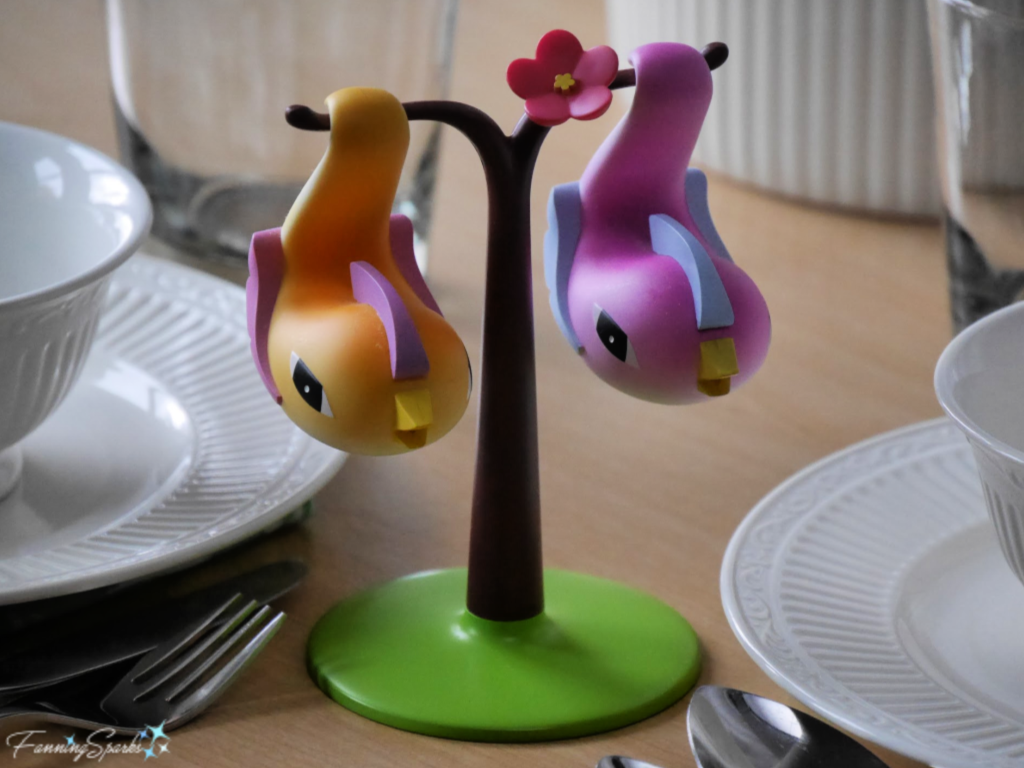
 This next item is my favorite. Honestly, these salt and pepper shakers don’t hold much but those little birds hanging from that little tree are just so bright and cheerful. They add instant character to the dinner table. This item, from Italian design firm A. di Alessi, was designed by S. Giovannoni with R. Takeda in collaboration with the National Palace Museum of Taiwan.
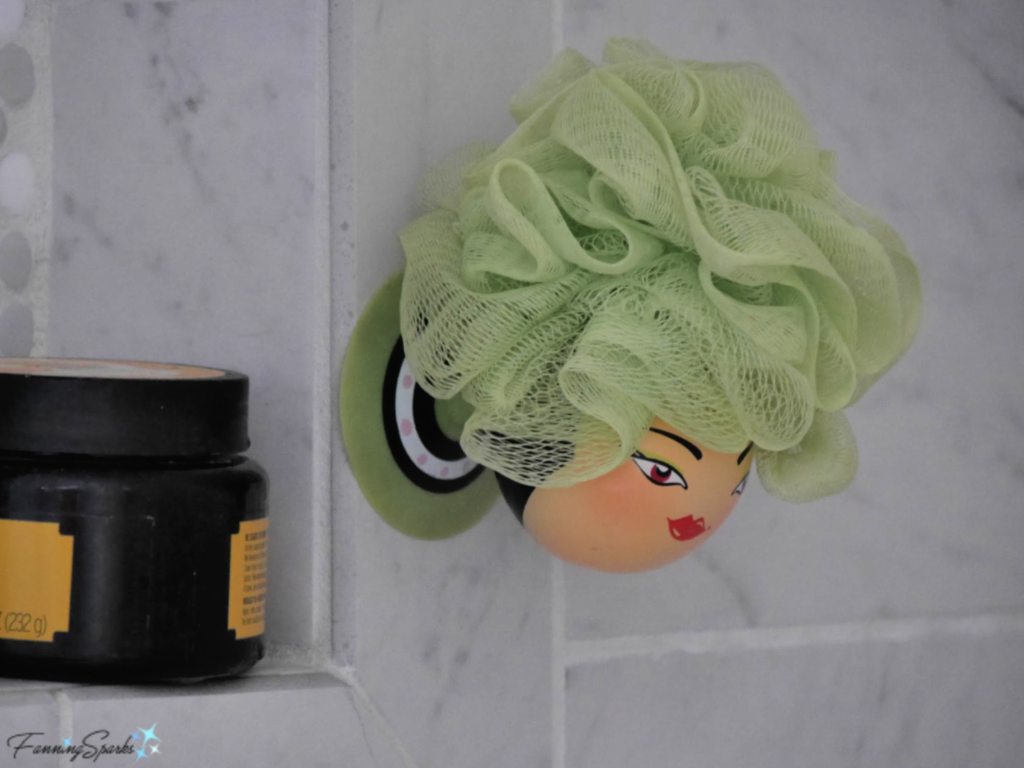
 Bath items seem to be another popular subject. This bath sponge adds character and personality to a space that’s typically very utilitarian. It was designed and made by Pylones, a French design firm.
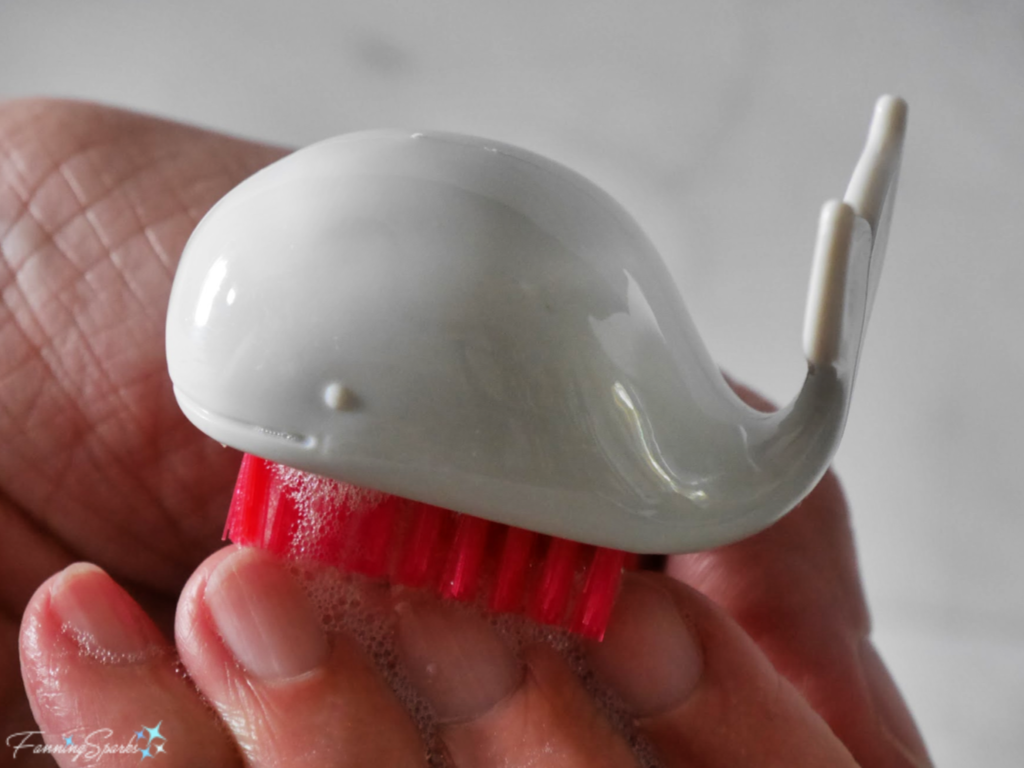
 Is there anything more mundane than a nail brush? But look what US-based Kikkerland did with this one. It’s the cutest little whale!
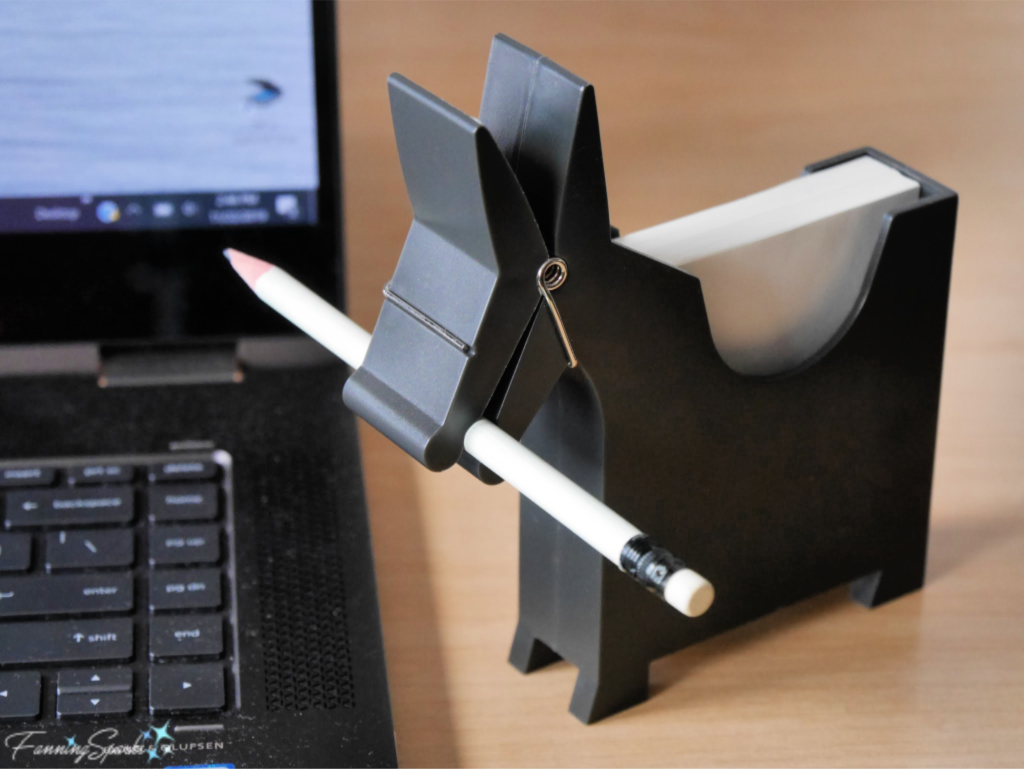
 The office, whether at home or at work, is another area with lots of functional items. Here’s an interesting take on a memo holder. He’s called “Morris” and designed by Studio Yaacov Kaufman for Monkey Business. These days we’re more likely to record a note on our phones but it’s always handy to have paper and pen nearby.
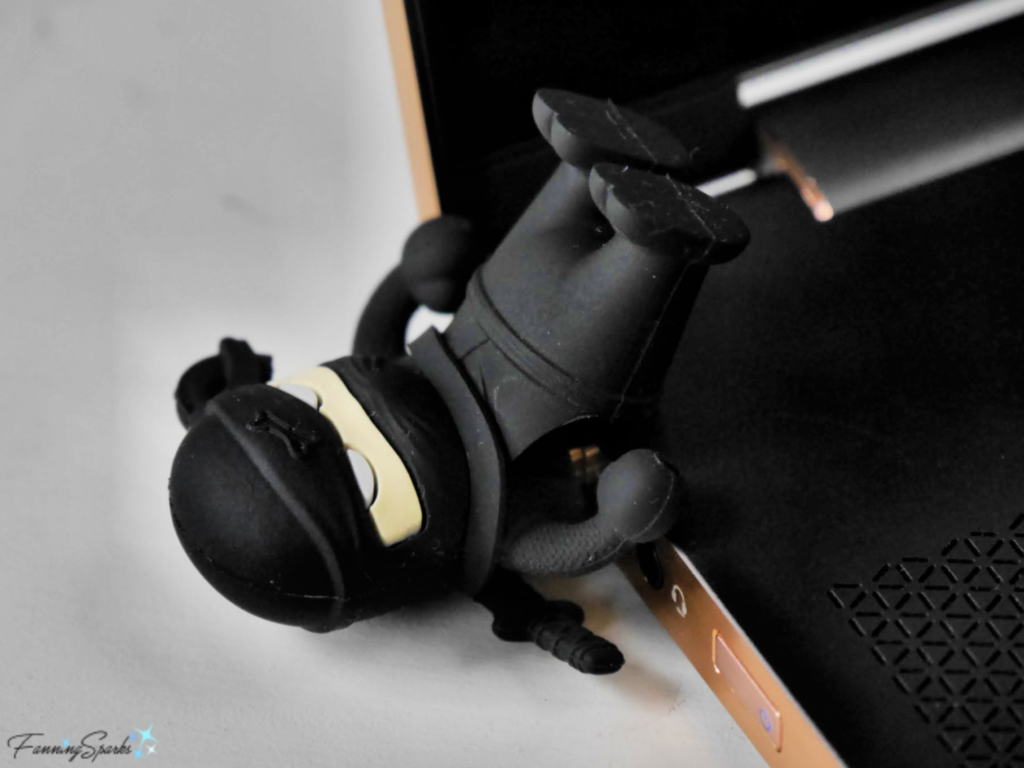
 This Ninja flash drive is the coolest one I’ve ever seen. It’s made by Bone Collection from Taiwan. Interestingly, this product received the Red Dot Design Award in 2011. Red Dot Award is an international design competition for product design, communication design and design concepts. It’s always fun to see what products have been recognized by this prestigious award.
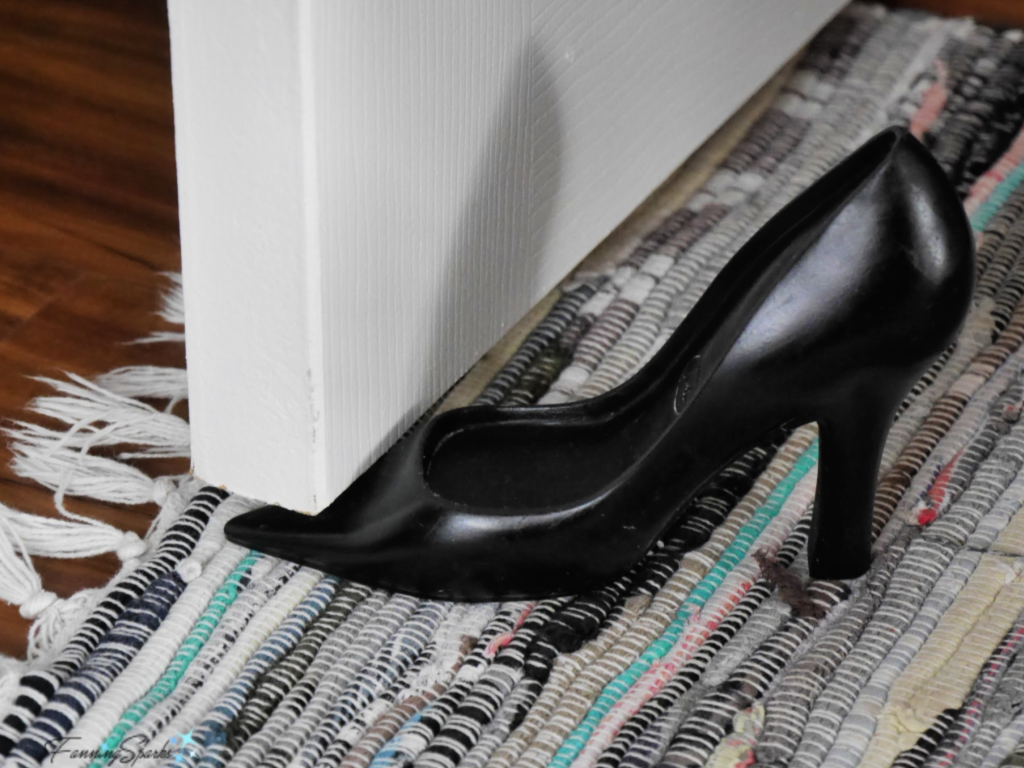
 In the category of general household items, this high-heeled shoe from Fred is the perfect door stopper.
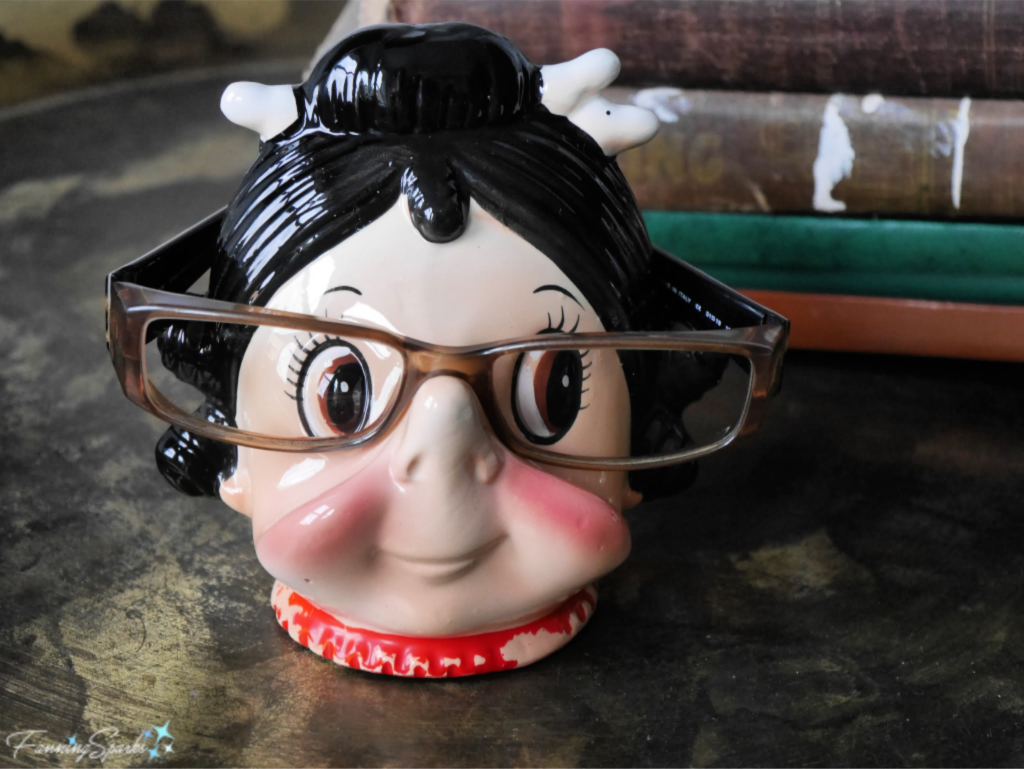
 Most of the unusual functional items in this post were found in gift and museum shops. But another great source is vintage and antique shops. Here’s an example of a recent vintage purchase that adds personality to the boring job of keeping track of my sunglasses…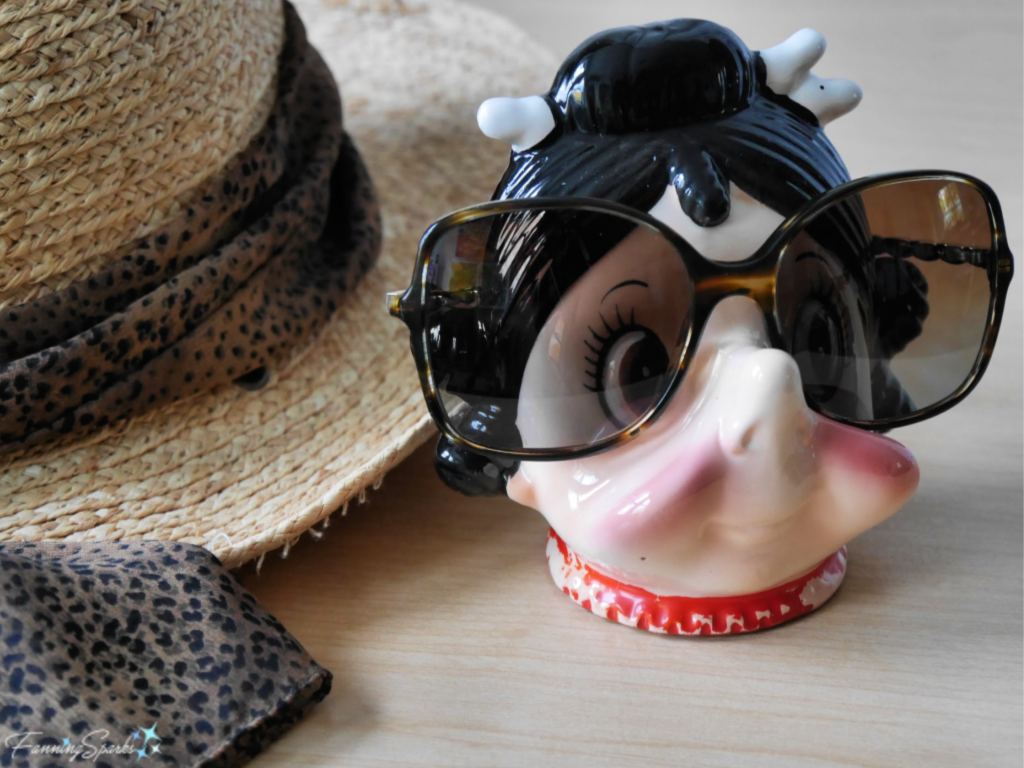
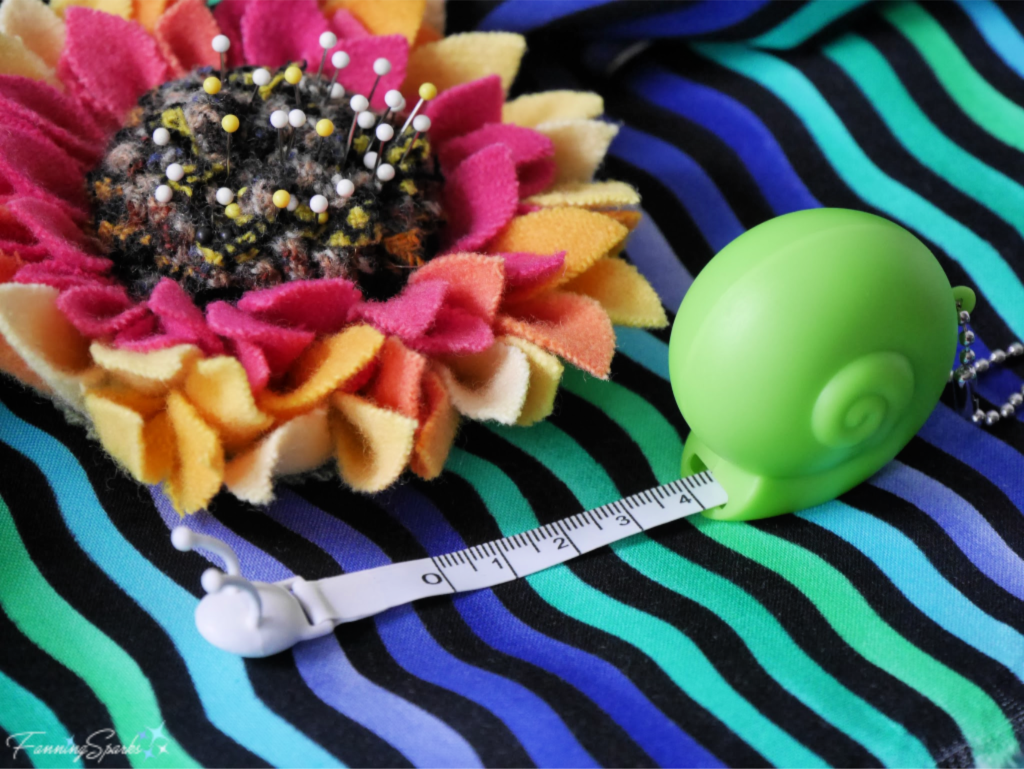
 Art and gift galleries are another source for unusual functional items. This sunflower pin cushion was designed and made by Linda Bell from North Carolina. It’s shown with a cute little snail tape measure from OTOTO, a design firm from Israel. I like this quote from the OTOTO website “The OTOTO team believes humor to be an important part of their design process. They try to infuse that whimsy and playfulness into every product, alongside its functionality.”
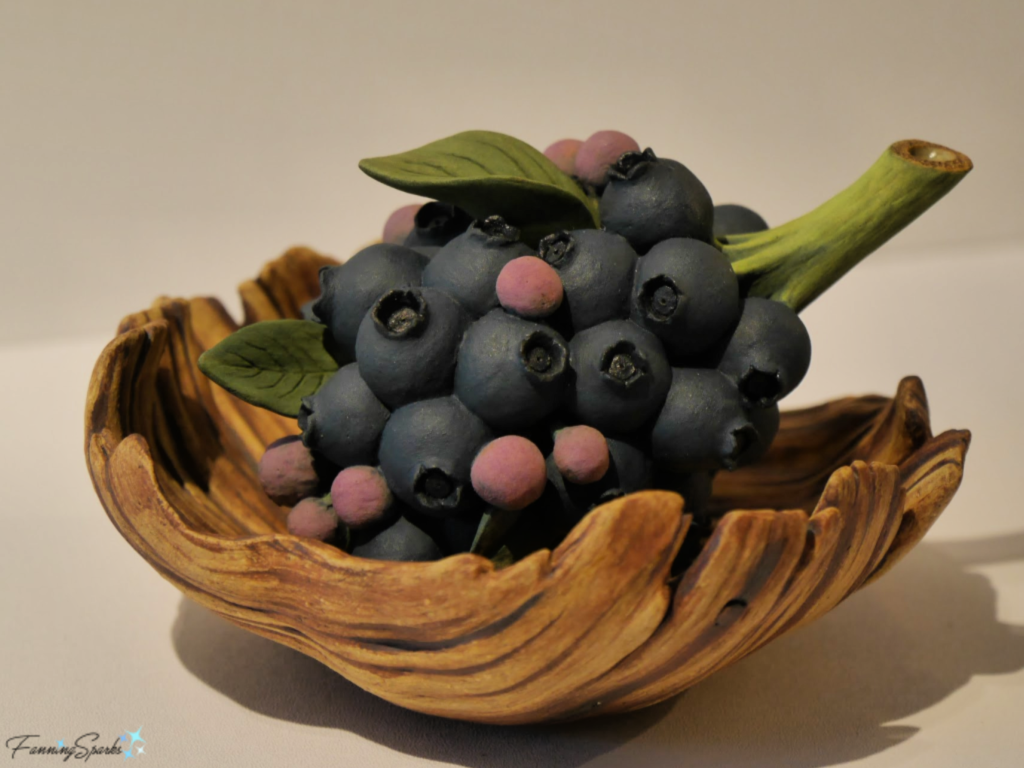
 Here’s another example of combining whimsy, playfulness and functionality. You may recall potter Sandy Culp’s “Blueberries: Teapot” from a recent post on the Georgia Pottery Invitational Perspectives show (see
  I hope today’s post has sparked a few ideas for injecting a little fun into your everyday things.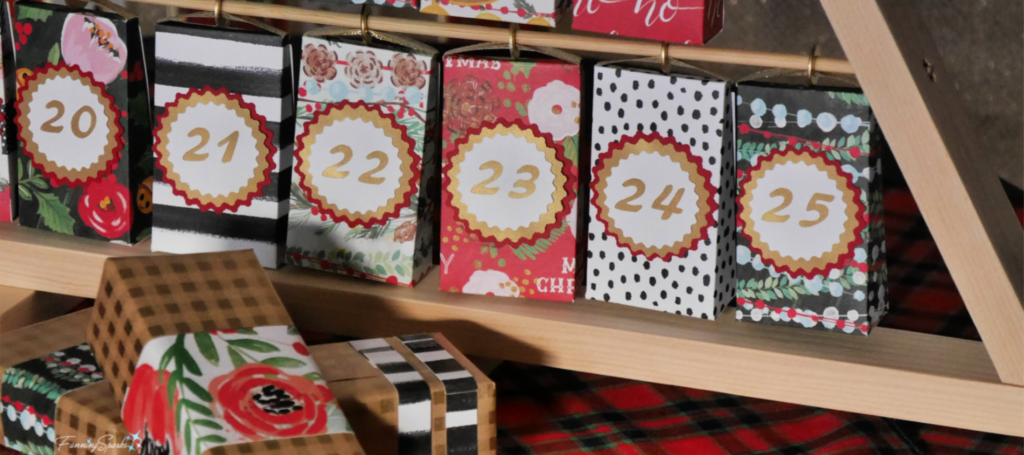
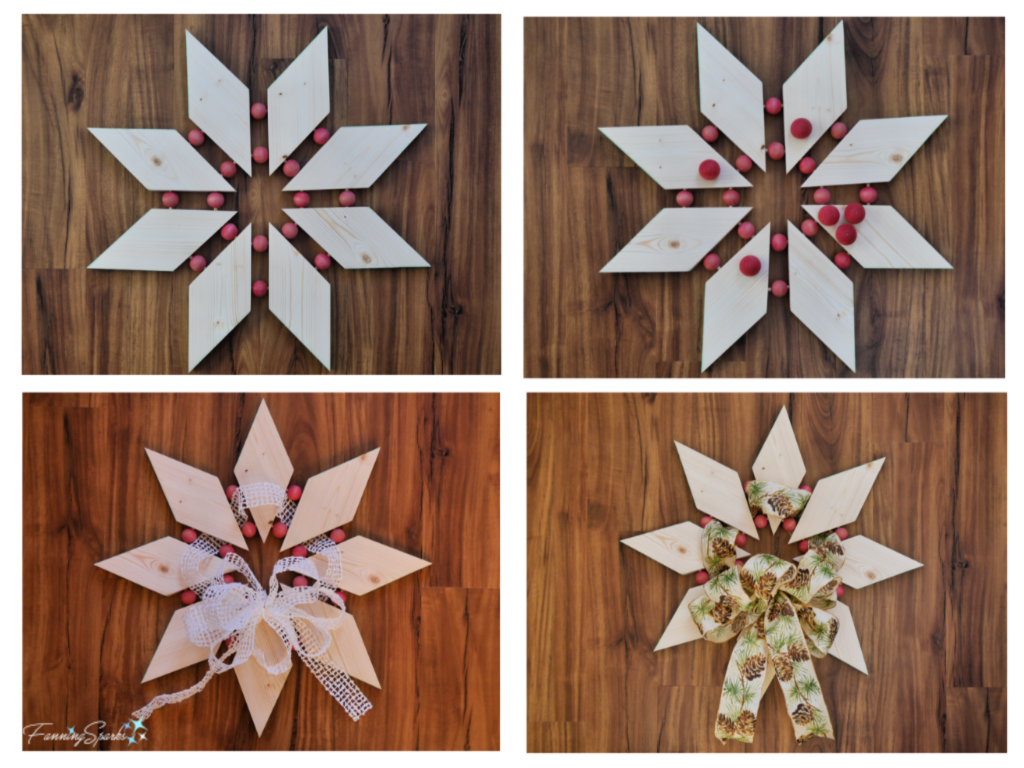
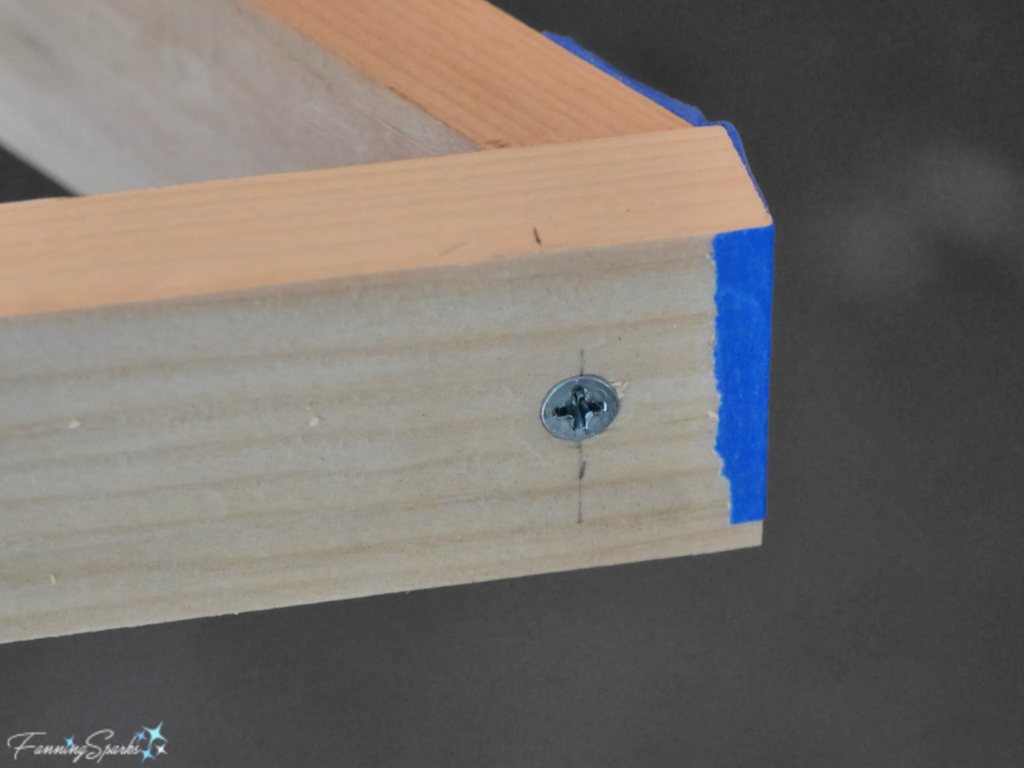
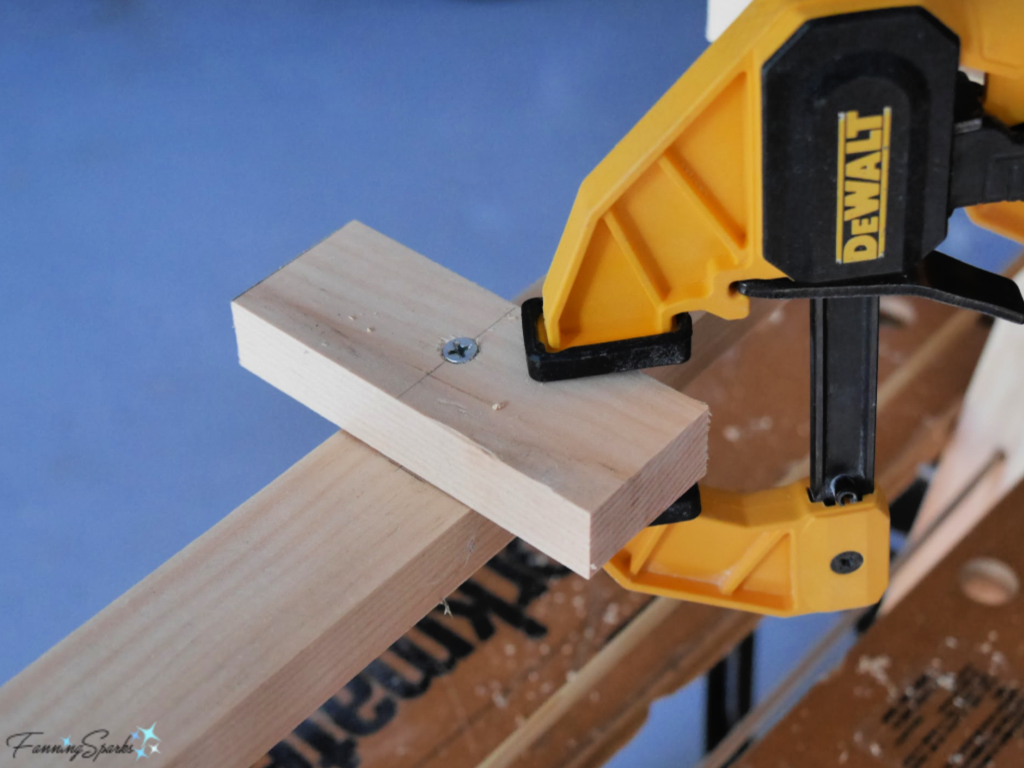
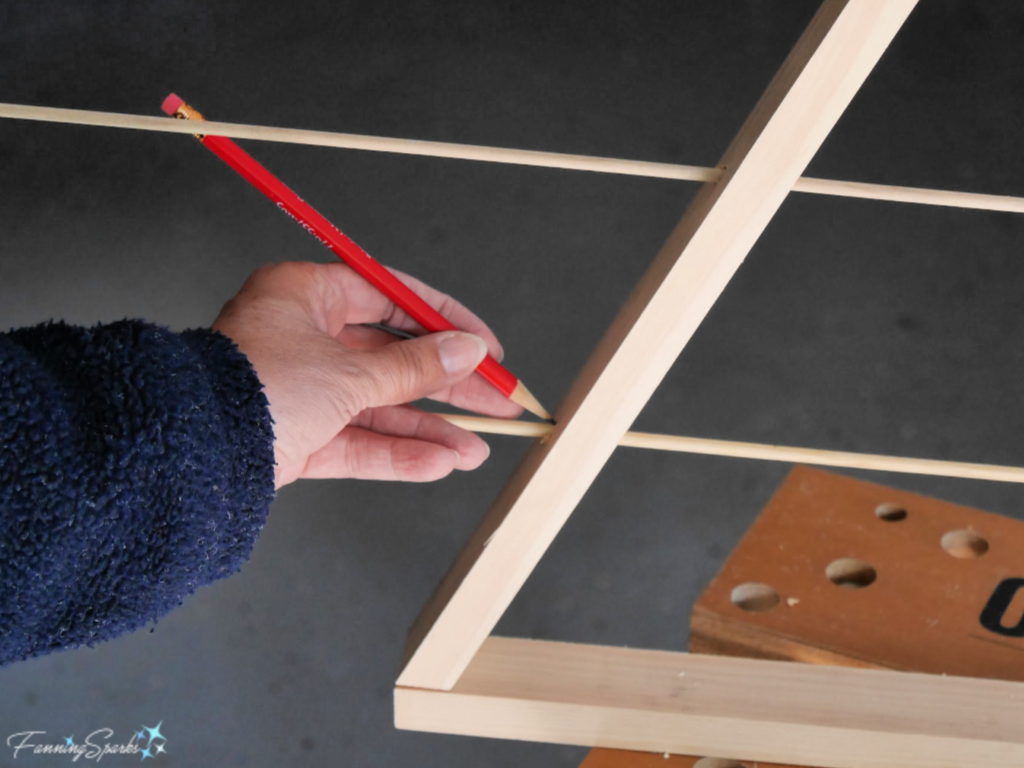
 Assembly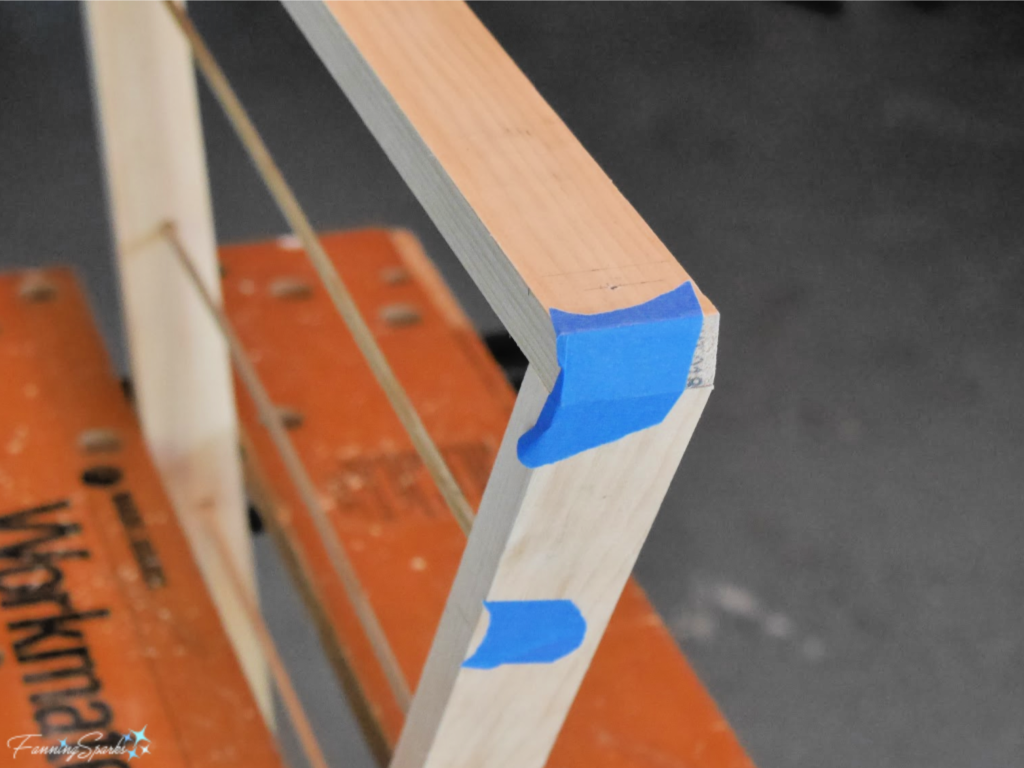
 Instructions for Gift Packets