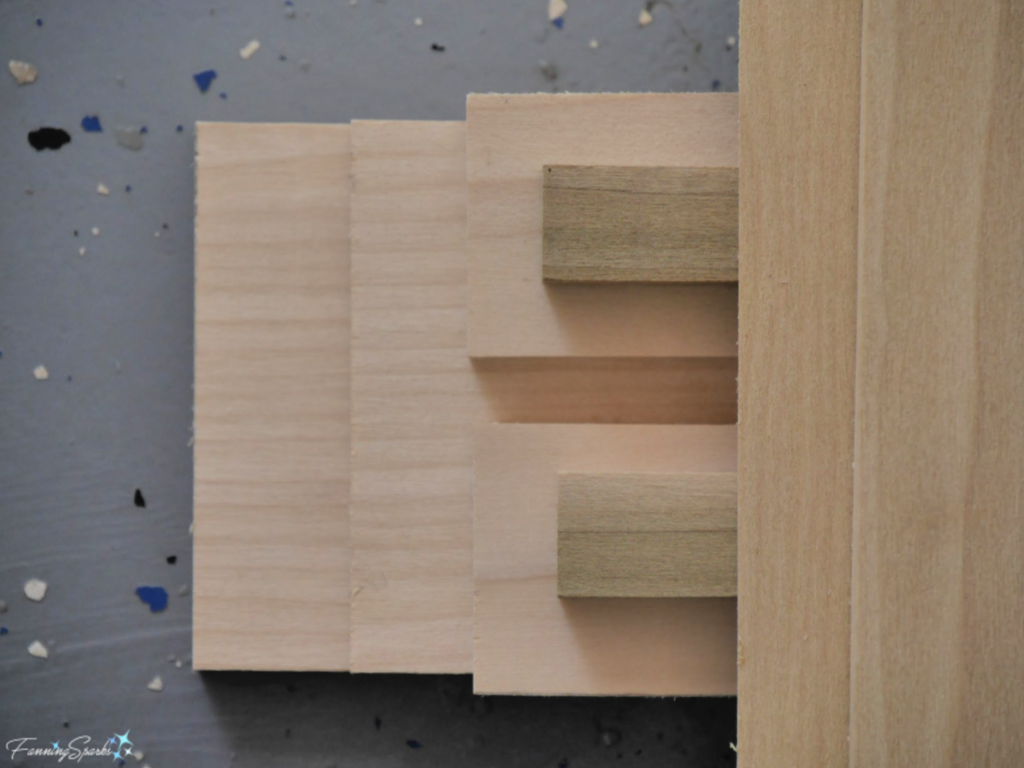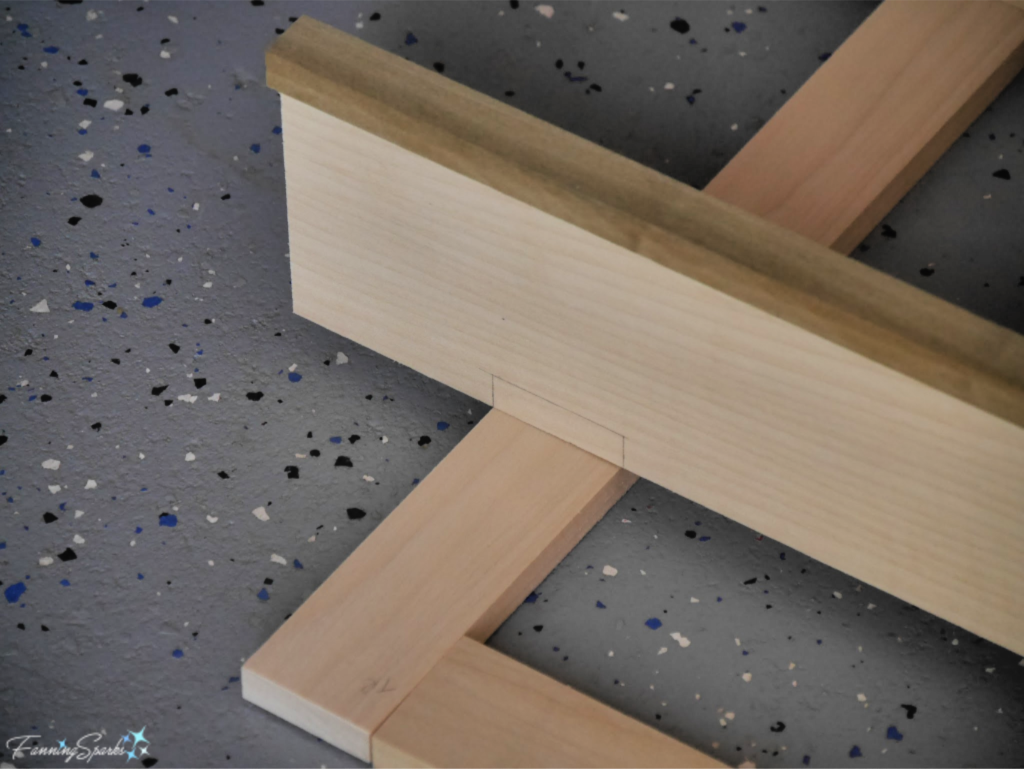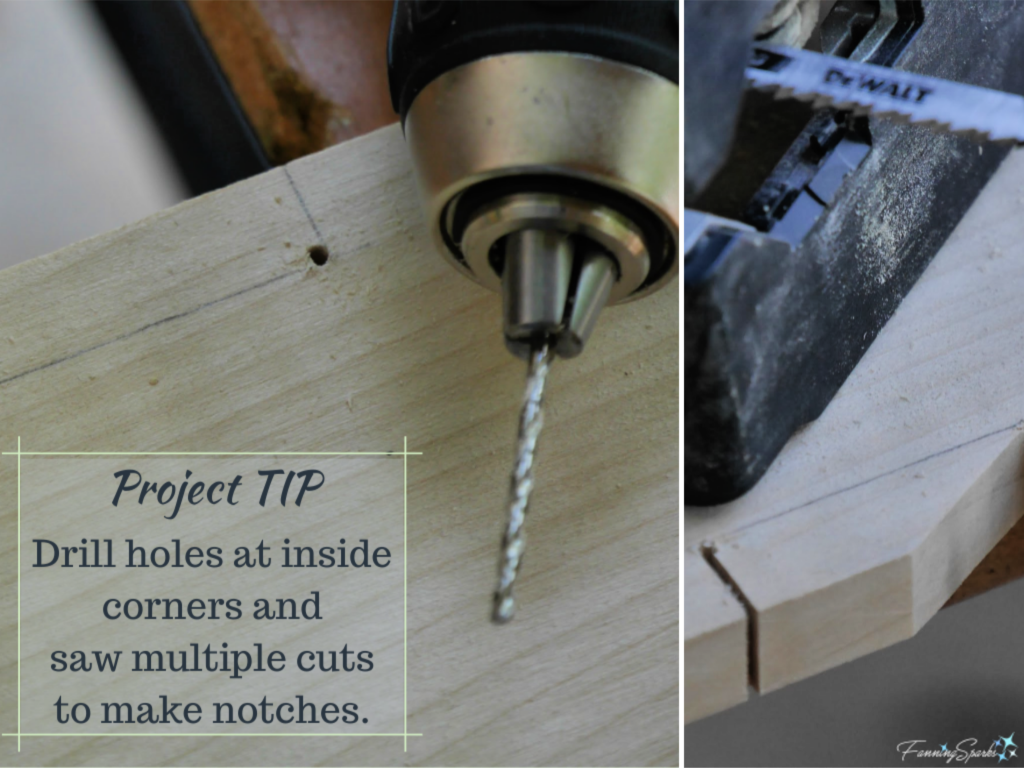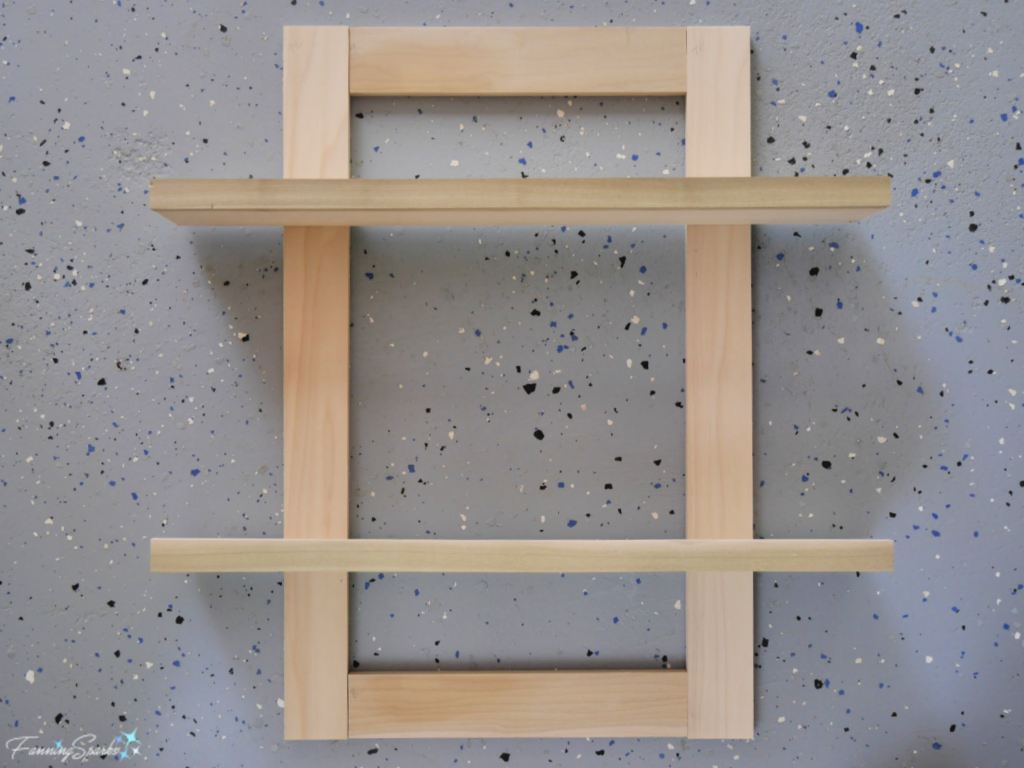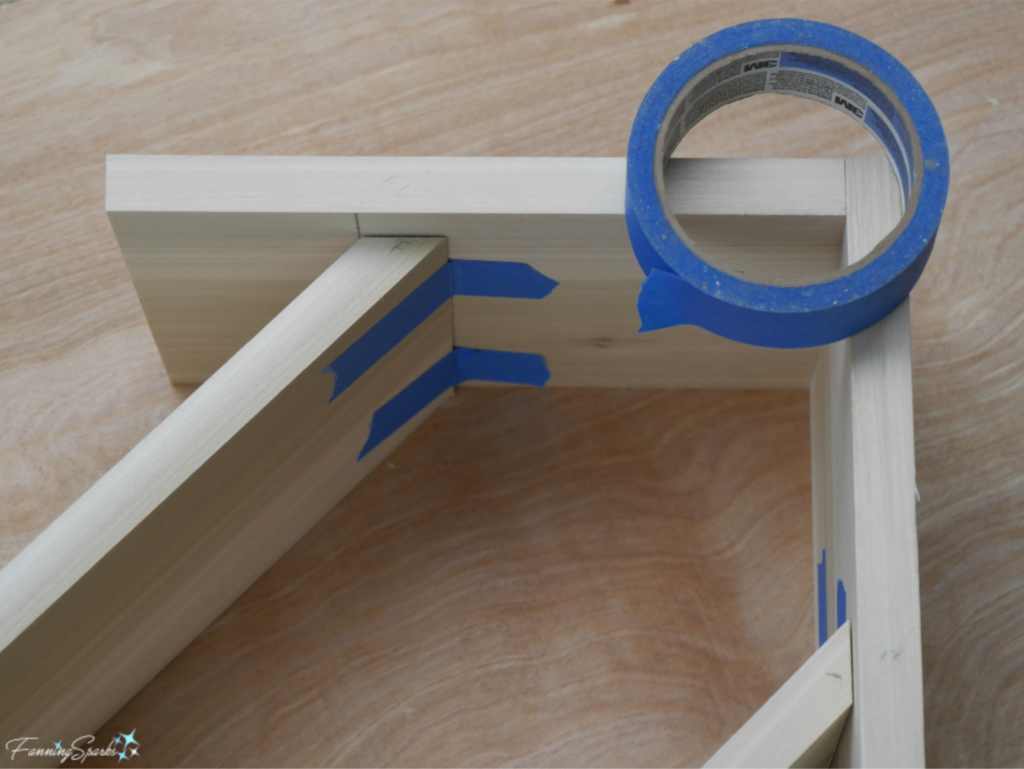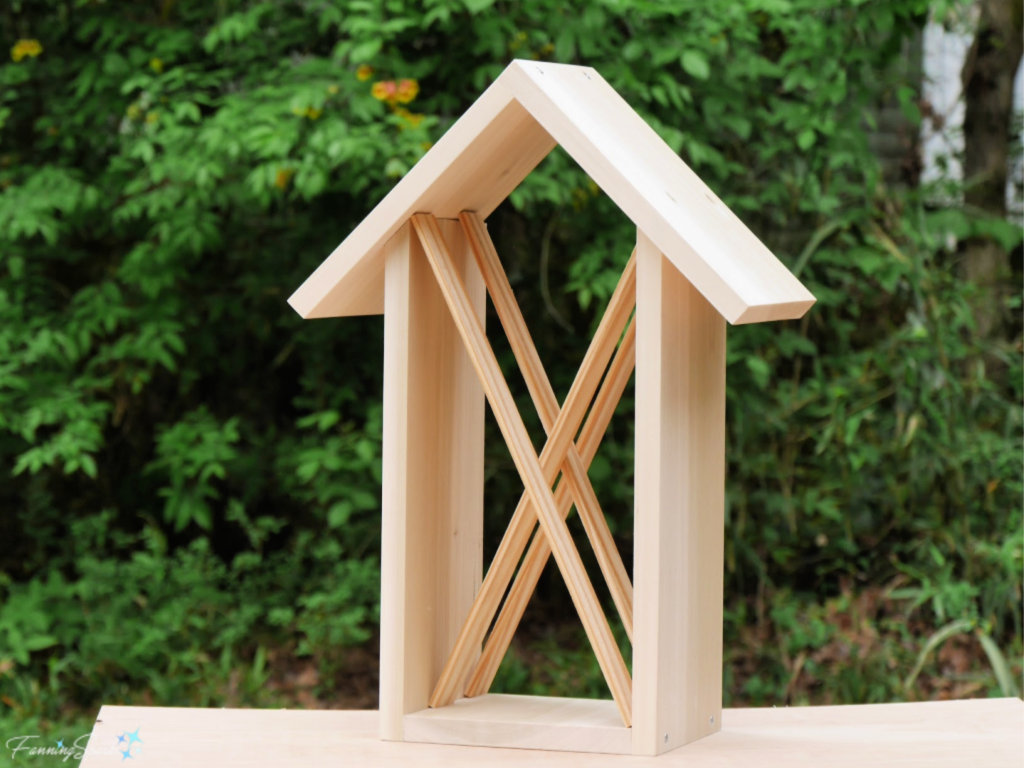
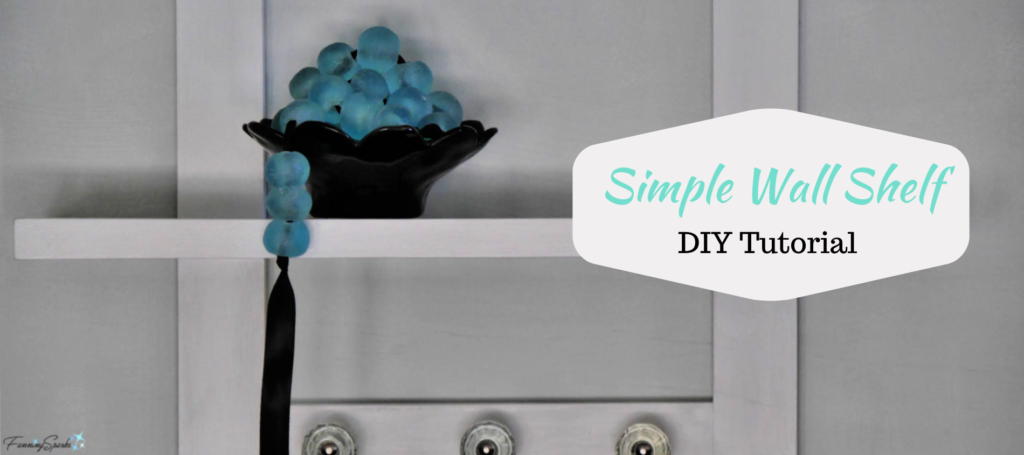
Looking for something unique and special for someone on your holiday gift list?  Would they appreciate a handmade gift created especially for them?  Perhaps one of the items featured in a DIY tutorial here on the FanningSparks blog would be a good fit.  These are not your run-of-the-mill predictable presents.  I’ve given several of these items as gifts and they’ve all been well received.  These items are made with a variety of techniques including general crafting, weaving, mosaic making, woodworking, and sewing.  But they’re all quite doable with the detailed step-by-step instructions I’ve provided.  Here are the tutorials I’ve rounded up for you today.
Make and Give DIY Tutorial Roundup   @FanningSparks
1. Turkish Mosaic Candle Holder
2. Woven Statement Necklace
3. Personalized Fabric-Covered Journal
4. Pyramid Trellis
5. Bespoke Pillows
6. Bluebird-Approved Birdhouse

1. Turkish Mosaic Candle Holder
This Turkish Mosaic Candle Holder is perfect for this time of year.  It has a pretty 6-point star design that glitters and shines when a candle is lit inside.  This project takes a little time since thinset mortar and grout need time to cure.  It requires basic glass cutting skills and a few glass cutting tools.  See DIY Tutorial here.
DIY Turkish Mosaic Candle Holder Tutorial pin. @FanningSparks

2. Woven Statement Necklace
The woven statement necklace has gone through a few iterations.  This necklace is striking and I often receive compliments when I wear one of mine.  This is a simple project which does not require special tools or skills… well… other than patience.  The tutorial was first shared in this post.
DIY Woven Necklace Tutorial   @FanningSparks
The post,  Add a Little Sparkle, includes special holiday versions of the woven statement necklace.
Add a Little Sparkle to the DIY Woven Statement Necklace from FanningSparks.

3. Personalized Fabric-Covered Journal
The Personalized Fabric-Covered Journals are one of my favorite because they are easy to customize to the recipient.  Got someone who likes to cycle?  There’s fabric for them.  Got someone who likes music?  Covered!  Someone who travels?  Covered!  Someone who knits?  Covered!   Someone who reads?  Yep!  This is the quickest and simplest project.  It requires cut and paste assembly and no special tools or skills are needed.  This tutorial was presented in two parts.  Part 1 addresses selecting the perfect fabric.
What's Their Passion? Selecting the Perfect Fabric for DIY Personalized Fabric-Covered Journals. @FanningSparks
Part 2 of the DIY Personalized Fabric-Covered Journal Tutorial covers the cut-and-paste construction of the journal.
DIY Tutorial for Personalized Fabric-Covered Journal by FanningSparks

4. Pyramid Trellis
The Pyramid Trellis is perfect for someone who likes to garden or is looking to beautify their property.  It will be tricky to place under the tree, however, since it stands nearly 6′ high.  This project is suitable for someone with basic woodworking skills including cutting and assembling wood.  Only standard tools including a jigsaw, drill and staple gun are needed.  See post here.
DIY Pyramid Trellis Tutorial by FanningSparks

5. Bespoke Pillows
These bespoke pillows can be made in any color or pattern.  So they can be perfectly coordinated to the recipient’s décor.  This project is a little more difficult and does require intermediate sewing skills.  Alternatively, the design could be simplified by eliminating the more difficult embellishments such as the piping.  A sewing machine and standard sewing tools are needed.  See post here.
DIY Bespoke Pillows Tutorial by FanningSparks

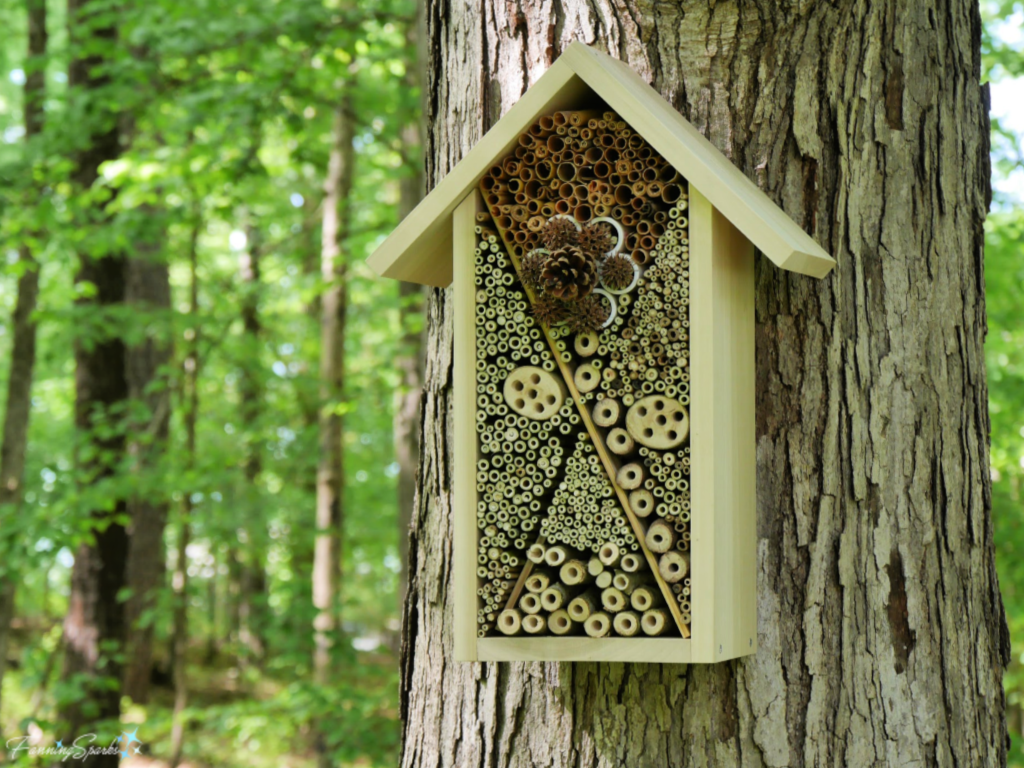
6. Bluebird-Approved Birdhouse
The Bluebird-Approved Birdhouse is a nice addition to a garden or yard.  This project is suitable for someone with basic woodworking skills including cutting and assembling wood.  Only standard tools including a jigsaw, drill and screwdriver are needed.  See post here.
DIY Bluebird-Approved Birdhouse Tutorial by FanningSparks. @FanningSparks

25 Moments of Joy Tabletop Tree/ Advent Calendar
In case you missed it, I recently shared a DIY Tutorial to make a Tabletop Tree/ Advent Calendar.  This project is suitable for someone with basic woodworking skills including cutting and assembling wood.  Only standard tools including a jigsaw, drill and screwdriver are needed for the tree frame.  Basic cut and paste assembly skills are needed for the gift packets.  Check it out here.
25 Moments of Joy Tabletop Tree/ Advent Calendar DIY Tutorial. @FanningSparks

As a bonus, I’ve pulled in a few previous posts that offer suggestions for other holiday traditions including greeting cards, holiday wreaths and gift wrapping.

It’s become the tradition in our household to select greeting cards made by local artists. We choose cards with a personal connection that represent an aspect of our lives.  It’s a small way to support local artists plus we get to share a small work of art with our family and friends.  See the post, Win-Win with your Holiday Cards.
Artists Greeting Cards Arrive in Mailbox. @FanningSparks

The post, Holiday Wreath Inspiration from Biltmore, features the holiday wreaths which decorated the Conservatory at Biltmore last year.  They are embellished with natural materials which provide color, texture and form.  Check it out for ideas to bring some Biltmore glamour to your home this year!
Closeup of Biltmore Holiday Wreath Featuring Globe Amaranth. @FanningSparks

In the post, 8 Tips to Jazz Up Your Gift Wrapping, I share suggestions to add pizzazz to your holiday gift wrapping.  The tips are illustrated with lots of examples.Tips for Jazzing Up Your Holiday Gift Wrapping   @FanningSparks

More Info

You may wish to pin this post for later reference.  Save this image to Pinterest.
Make and Give DIY Tutorial Roundup @FanningSparks

Today’s Takeaways

1. Handmade gifts are unique and can be tailored to the recipient.
2. Taking the time and making the effort to create a handmade gift signals care and affection.
3. Consider making a gift for someone special this holiday season.

Peg - FanningSparks Author

There is a design maxim to transcend the ordinary.  The idea is to transform ordinary items from their predictable form into an innovative, unfamiliar form.  I’ve always been drawn to everyday items with extraordinary design.  I love that simple household items—commonplace things people use on a regular basis—can be made to look like something unique and special.  As product design firm, Kikkerland Designs, puts it “even the most utilitarian gadget becomes a delightful discovery”.  I’m reminded of these delightful surprises in the midst of holiday gift shopping.
In today’s post, I’d like to share some examples of everyday items that aren’t every day.  I admit I’ve collected more of these items than I actually use.  I like to sprinkle them throughout my home to replace everyday items.  I love the clever designs and the bright pops of color.  But having them all displayed at the same time would be too kitschy and visually jarring for me—definitely a case of “too much of a good thing”.
A majority of the items I’ve come across are for the kitchen probably because there are more functional items in this area of the home.  I couldn’t resist this spoon rest, called “Betty’s”, designed by Wishlist for US-based Monkey Business.  Monkey Business collaborates with the leading product designers from Israel to “create useful objects with a smile”.
Betty’s Spoon Rest by Monkey Business. An Everyday Thing That Isn’t Every Day.  @FanningSparksThis sponge holder, called “Mr Sponge”, is by PELEG DESIGN from Israel.  This design studio encourages the viewer “to discover that beyond the products’ functionality there is a surprising game of enchantment and humor”. 
Mr Sponge Sponge Holder by PELEG DESIGN. An Everyday Thing That Isn’t Every Day.  @FanningSparksMoving on to entertaining.  Who would have thought to make ice cubes in the shape of guitars?  Apparently, designer Liz Goulet Dubois from US-based Fred Studio did.  These groovy guitar ice cubes are promoted as “Cool Jazz”.
Cool Jazz Guitar Ice Cubes by Liz Goulet Dubois at Fred Studio. An Everyday Thing That Isn’t Every Day.  @FanningSparksThis next item is my favorite.  Honestly, these salt and pepper shakers don’t hold much but those little birds hanging from that little tree are just so bright and cheerful.  They add instant character to the dinner table.  This item, from Italian design firm A. di Alessi, was designed by S. Giovannoni with R. Takeda in collaboration with the National Palace Museum of Taiwan.
Salt & Pepper by A Alessi.  An Everyday Thing That Isn’t Every Day.  @FanningSparksBath items seem to be another popular subject.  This bath sponge adds character and personality to a space that’s typically very utilitarian.  It was designed and made by Pylones, a French design firm.
Bath Sponge by Pylones.  An Everyday Thing That Isn’t Every Day.  @FanningSparksIs there anything more mundane than a nail brush?  But look what US-based Kikkerland did with this one.  It’s the cutest little whale!
Whale Nail Brush by Kikkerland.  An Everyday Thing That Isn’t Every Day.  @FanningSparksThe office, whether at home or at work, is another area with lots of functional items.  Here’s an interesting take on a memo holder.  He’s called “Morris” and designed by Studio Yaacov Kaufman for Monkey Business.  These days we’re more likely to record a note on our phones but it’s always handy to have paper and pen nearby.
Morris Memo’s Best Friend by Studio Yaacov Kaufman for Monkey Business. An Everyday Thing That Isn’t Every Day.  @FanningSparksThis Ninja flash drive is the coolest one I’ve ever seen.  It’s made by Bone Collection from Taiwan.  Interestingly, this product received the Red Dot Design Award in 2011.  Red Dot Award is an international design competition for product design, communication design and design concepts. It’s always fun to see what products have been recognized by this prestigious award.
Ninja Flash Drive by Bone Collection. An Everyday Thing That Isn’t Every Day.  @FanningSparksIn the category of general household items, this high-heeled shoe from Fred is the perfect door stopper.
Door Stopper by Fred and Friends.  An Everyday Thing That Isn’t Every Day.  @FanningSparksMost of the unusual functional items in this post were found in gift and museum shops.  But another great source is vintage and antique shops.  Here’s an example of a recent vintage purchase that adds personality to the boring job of keeping track of my sunglasses…
Vintage Glasses Holder.  An Everyday Thing That Isn’t Every Day.  @FanningSparks
… or my eyeglasses.
Vintage Glasses Holder.  An Everyday Thing That Isn’t Every Day.  @FanningSparksArt and gift galleries are another source for unusual functional items.  This sunflower pin cushion was designed and made by Linda Bell from North Carolina.  It’s shown with a cute little snail tape measure from OTOTO, a design firm from Israel.  I like this quote from the OTOTO website “The OTOTO team believes humor to be an important part of their design process. They try to infuse that whimsy and playfulness into every product, alongside its functionality.”
Sunflower Pin Cushion by Linda Bell and Snail Measuring Tape by OTOTO.  Everyday Things That Aren’t Every Day.  @FanningSparksHere’s another example of combining whimsy, playfulness and functionality.  You may recall potter Sandy Culp’s “Blueberries: Teapot” from a recent post on the Georgia Pottery Invitational Perspectives show (see Admiring Evidence of Process).  Amazingly, it’s a functional teapot which you open by lifting the center leaf and you pour through the stem spout.
Blueberries Teapot by Sandy Culp. @FanningSparksI hope today’s post has sparked a few ideas for injecting a little fun into your everyday things.

More Info

The items featured in the post were collected over a number of years so I’m unable to link to them.  But I have included the names of the design firms and artists to help you find these or similar items.  Here’s a summarized list linked to their websites.  I’ve also included links to their Amazon storefronts where I could find them.
. Monkey Business website or their Amazon storefront.
. PELEG DESIGN website or their Amazon storefront.
. Fred and Friends website or their Amazon storefront.
. Pylones website.
. Kikkerland website or their Amazon storefront.
. Bone Collection website or on their Amazon storefront.
. Alessi website or their Amazon storefront.
. Linda Bell exhibits at ArtWorks Gallery and Gifts in Hiawassee, North Carolina, USA.
. OTOTO website or on their Amazon storefront.
. Sandy Culp is a potter based in Georgia, USA.
Learn more about Red Dot product design awards on the Red Dot Award website.

Today’s Takeaways

1. Look for everyday things with an unexpected twist.
2. Think about adding an extraordinary household item in your home.
3. Consider giving a unique and special everyday item this holiday season.
Peg - FanningSparks Author

Finding a gift that signals care and affection, while also being something the recipient appreciates, can be challenging.  It can be even more challenging when the recipient has embraced minimalism and/or has decided to downsize.  This is often the case with senior citizens but is also relevant to those living in small spaces like students and young adults.  For folks in these situations, the joy of receiving a gift can be more about a pleasant surprise and the message of affection than the actual item.  This is the thought process that led me to create the 25 Moments of Joy advent calendar for my Mom.
25 Moments of Joy Tabletop Tree/ Advent Calendar.  Full DIY Tutorial @FanningSparks.
This advent calendar is designed to also serve as a small tabletop Christmas tree.  It stands on its own and is quite compact.  It is only 4” deep and stands about 2 feet high and 1½ feet wide.  The tree can easily fit on the edge of a dresser, a desk or a small table.  The gift packets, designed to hold 25 small gifts/surprises, are made of bright cheery paper and serve as decorations on the tabletop tree.  The 25 Moments of Joy advent calendar is reusable and can easily be used year after year.  It’s also quite versatile and would be a perfect way to display a few favorite ornaments.
25 Moments of Joy Tabletop Tree/ Advent Calendar.  Full DIY Tutorial @FanningSparks.
Today’s post provides easy, step-by-step instructions to make your very own 25 Moments of Joy Tabletop Tree/Advent Calendar. There are two major components to this project 1) a wooden frame in the shape of a tree referred to as the Tree Frame and 2) a set of 25 paper gift packages referred to as the Gift Packets.

Supplies Needed – Tree Frame: The following supplies are needed to make the wooden tree-shaped frame:
Pine Board: 1 – 1” x 2” x 8’ pine board to build the triangular Tree Frame.
Scrap Board: 1 – 1” x 2” x 6-10” scrap wood to be used as a drilling guide.
Wood Dowels: 2 – 3/16” x 48” poplar dowels for hanging the Gift Packets inside the Tree Frame.
Screws: 4 – wood screws 1 ¼” length in size #8 to assemble the Tree Frame.
Wood Glue.

Supplies Needed – Gift Packets: The following supplies are needed to make the set of 25 paper Gift Packets:
Cardstock: 25 – 8 ½” x 11″ sheets of cardstock in coordinating patterns.  I used the Poppies & Pines collection from Paper Studio.
5 – 8 ½“ x 11” sheets of cardstock to make the Numbered Badges for the Gift Packets in the following colors:
… 1 sheet 8 ½“ x 11” white
… 2 sheets 8 ½“ x 11” gold
… 2 sheets 8 ½“ x 11” red
Ribbon: Ribbon ⅜” wide x 9’ long for the hangers at the top of Gift Packets.  I used gold ribbon.
Glue: Glue dots or other paper glue for adhering paper.  I used the Scotch Adhesive Dot Roller.
Tape: Removable decorative tape such as washi tape.
Washers: 25 – Flat zinc washers ¼” to hang the Gift Packets on the dowels.
Spray Paint: Spray paint to enhance the washers. I used Rust-oleum Specialty Metallic in gold.
Wrapping paper: Some gifts may not fit inside the Gift Packets.  You may choose to wrap them separately and place at the foot of the tree.
Scrap Paper: A small strip of paper to be used as a guide.
Project Templates: Download this DIY 25 Moments of Joy Tabletop Tree Advent Calendar – Complimentary Download from FanningSparks – Nov 2019 to print the templates needed for the Gift Packets and Numbered Badges.

Tools Needed – Tree Frame: The following tools are needed to make the wooden tree-shaped frame:
Tape Measure
Jigsaw (or whatever type of saw you prefer)
Clamps: To hold pine board while cutting and drilling.
Drill with ¼” countersink drill bit.
Screwdriver
Sandpaper
Angle Finder: To measure angles and set jigsaw blade accordingly.
TIP: A digital Angle-Rule, a 2-in-1 ruler and angle finder, like this one from GemRed is very helpful for finding and cutting the angles needed in this project.
Digital Angle Finder and Ruler.   @FanningSparks

Tools Needed – Gift Packets: The following tools are needed to make the set of 25 paper Gift Packets:
Scissors: To cut cardstock for the Gift Packets and Numbered Badges.  Alternatively, use a Cricut® Explore or other cutting machine as I did.
Bone Folder (or other smooth hard edge) for scoring and folding the cardstock.
Ruler.

Instructions for Tree Frame
Preparations
Step 1  Cut the Board Parts  Cut the 1” x 2” x 8’ pine board into the following parts:
. Bottom Piece  Measure at 24 ¾” and cut with straight (90⁰) ends.
. Left Side Piece  This is the longer of the two sides and will sit on top of the Right Side piece at the peak.  Measure along the INSIDE edge and mark at 26 ¾” long.  Cut top end with angle of 57⁰.  Cut bottom end with angle of 62⁰
. Right Side Piece  This is the shorter of the two sides and will sit underneath the Left Side piece at the peak. Measure along the INSIDE edge and mark at 26” long.  Cut top end with angle of 57⁰.  Cut bottom end with angle of 62⁰
. Bottom Braces  Cut 2 Bottom Braces each 4” long with straight (90⁰) ends.
TIP: While jigsaw is set for 62⁰ angle cut, cut one end of the 6-10″ piece of 1” x 2” scrap wood with an angle of 62⁰.  This will be used to guide the drill later.
Lightly sand all cut parts to ensure a smooth, unblemished finish.

Step 2 Dry Fit the Board Parts  Lay the pine parts on a working surface.  Check fit.  Triangular wood parts should fit as shown below.  Adjust as necessary.
25 Moments of Joy Tabletop Tree/ Advent Calendar Project Dimensions.   @FanningSparks
Step 3 Drill Holes for Dowels   Mark the Left and Right Sides to indicate where holes will be drilled for the dowels.  Measure along the INSIDE edge of the side parts starting at the bottom edge.  Measure and mark at 4 ¾ “.  Repeat 3 times resulting in 4 marks spaced 4 ¾ “ apart.  Measure and mark one final mark at 4 ½ “.  See above Project Dimensions photo to confirm spacing.  Take note of the angle at which the dowel holes will need to be drilled; the angle is 62⁰ and matches the angle of the bottom edge of the side pieces. Mark lightly to avoid confusion.
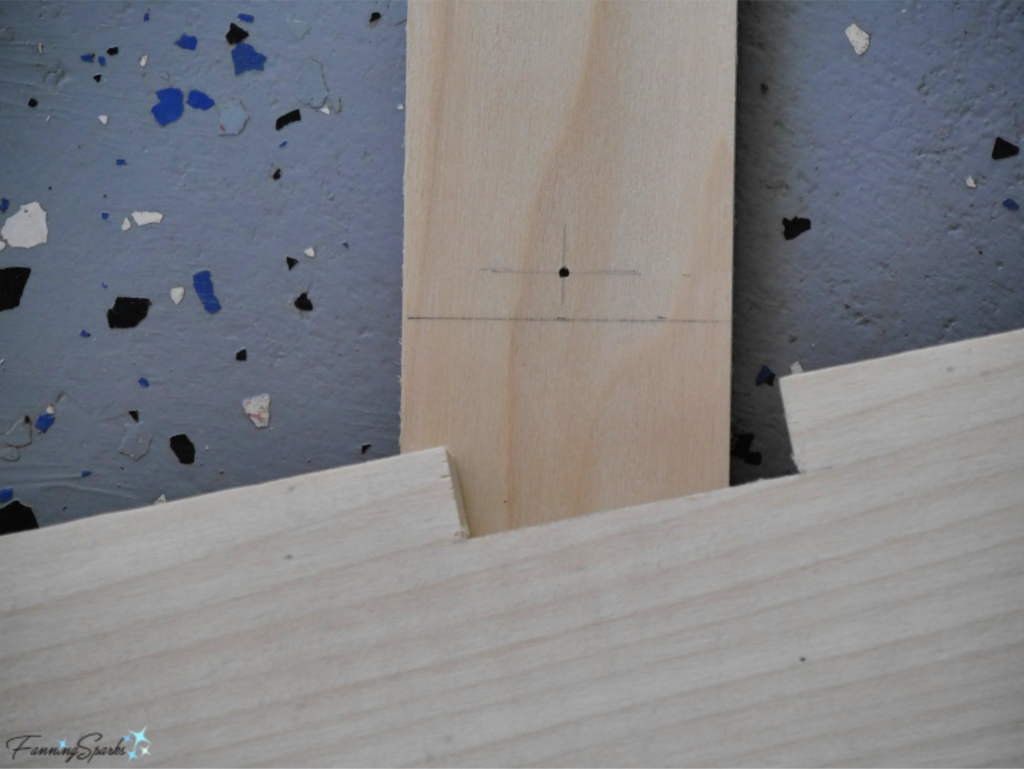
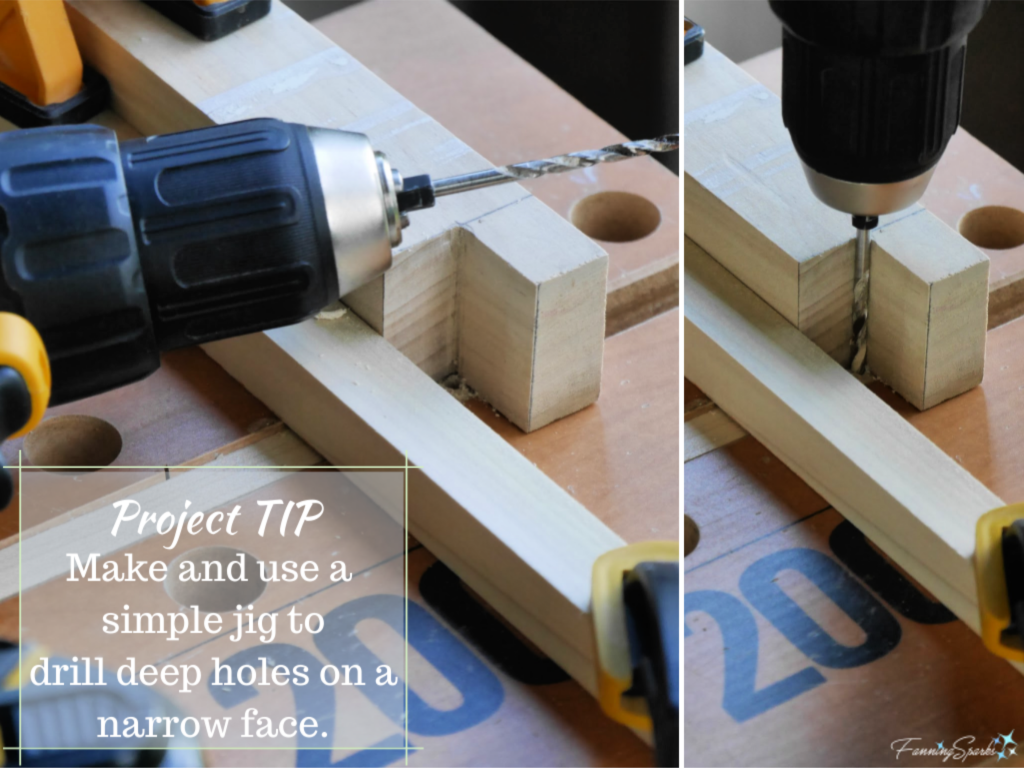
Using the drilling guide created in Step 1, drill holes in the Left and Right Sides at marks.  Holes must be drilled at 62⁰.  This photo shows how the drilling guide helps drill angled holes.
Drilling Angled Holes for Dowels on the Tabletop Tree / Advent Calendar.   @FanningSparksAssembly
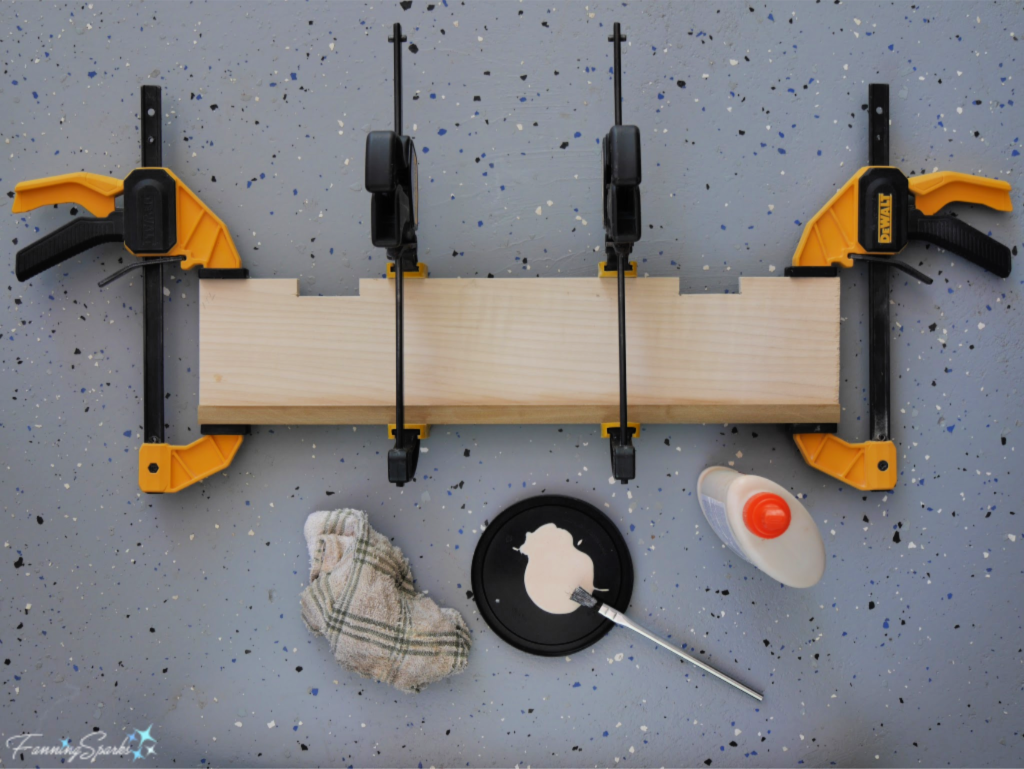
Step 4 Assemble Tree Frame   The Tree Frame is assembled with 2 screws in the Bottom Piece and wood glue at the peak.  Clamp and/or tape the Bottom Piece, Right Side and Left Side together for the final check.
Assembling the Frame for the Tabletop Tree / Advent Calendar.   @FanningSparks
Mark placement for the screws on the Bottom Piece; take care to ensure screws are placed far enough towards the center to avoid popping through the angled sides (see photo below).  Disassemble.  Drill and countersink pilot holes in Bottom Piece.  Reassemble Tree Frame.  Use 2 wood screws 1 ¼” length in size #8 to attach Bottom Piece to Left and Right Sides.  Glue Left and Right Sides at peak.

Assembling the Frame for the Tabletop Tree / Advent Calendar.   @FanningSparks
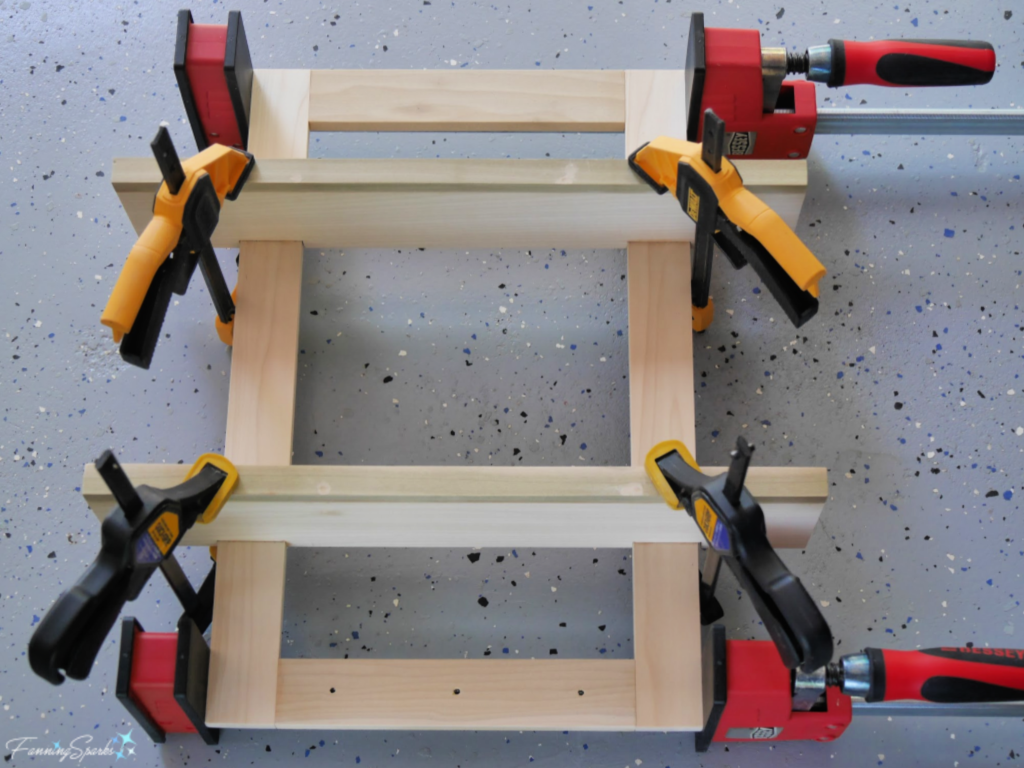
Step 5 Attach Bottom Braces   Measure to find center of Bottom Piece.  Measure and mark 3 ½” from center towards right and towards left.  Find and mark center on each Bottom Brace.  Drill and countersink pilot holes in Bottom Braces.  Position and clamp the Bottom Braces onto the Bottom Piece aligning with marks. Use wood screws 1 ¼” length in size #8 to screw into place from the bottom.
Attaching the Bottom Braces on the Tabletop Tree / Advent Calendar.   @FanningSparks
Step 6 Insert Dowels   Insert a piece of dowel into the bottom set of holes on the Right and Left Sides.  Mark where dowel needs to be cut.  Cut dowel.  Sand ends.  Insert dowel in place.  Repeat for the 4 remaining dowels.
Marking the Dowels for the Tabletop Tree / Advent Calendar.   @FanningSparksInstructions for Gift Packets
Preparations
Step 7 Paint Washers  Use spray paint to paint the washers the desired color.  I used Rust-oleum Specialty Metallic in gold.  Apply to dry.
Step 8 Prepare Templates   Download the DIY 25 Moments of Joy Tabletop Tree Advent Calendar – Complimentary Download from FanningSparks – Nov 2019 to print the templates needed for the Gift Packets and Numbered Badges.  Take care to ensure the scale is accurate on your printed version.  See specifics in the download document.
Step 9 Cut Paper Parts   Use the downloaded template to cut 25 Gift Packets from cardstock. Cut on solid lines.  Score dashed lines for folding.  The packet numbers are made with 3 layers of colored paper.  Use the downloaded templates to cut 3 sets of 25 badges from cardstock. This includes 25 small buttons in white cardstock numbered from 1 to 25; 25 medium buttons in gold cardstock; and 25 large buttons in red cardstock. The numbers, from 1 to 25, can be printed or cut out.  I used a Cricut® Explore cutting machine for this step but you could simply cut the badges with scissors and print the numbers by hand.
Cutting Gift Packets for the Tabletop Tree / Advent Calendar.   @FanningSparks
Assembly
Step 10 – Assemble Gift Packets  Fold in the sides first.  Slip the side tab into the vertical slot. Fold up the bottom.  Fold over the top flap.  Prepare the top tab to slip into the horizontal slot.
Folding Gift Packets for the Tabletop Tree / Advent Calendar.   @FanningSparks
Step 11 – Assemble Numbered Badges   Use glue to adhere the 3 layers of cardstock for the Numbered Badges. I used white cardstock for the small numbered buttons, gold cardstock for the medium buttons and red cardstock for the large buttons.  Do not attach to the Gift Packets yet.
Assembling the Numbered Badges for the Tabletop Tree / Advent Calendar.   @FanningSparks
Step 12 – Determine Placement   Lay out the partially constructed Gift Packets in a pyramid (1 in the first row, 3 in second row, 5 in third row, 7 in fourth row and 9 in the last row).  Move around until you find a pleasing arrangement of the various colors and patterns.  Assign the numbers according to your selected placement.
Positioning the Gift Packets for the Tabletop Tree / Advent Calendar.   @FanningSparks
Step 13 – Adhere Numbered Badges   Prepare to attach the Numbered Badges to the Gift Packets.  Measure about ¾“ from the bottom edge of the packet. Center Numbered Badge and glue or tape in place.  It’s helpful to unfold and flatten the Gift Packet at this stage so you can apply pressure to glued area.  Leave Gift Packets flattened for next steps.
TIP:  Use a piece of scrap paper folded at ¾” as a guide to ensure Numbered Badges are placed the same on all packets.
Assembling the Gift Packets for the Tabletop Tree / Advent Calendar.   @FanningSparks
Step 14 – Attach Hangers   A piece of ribbon threaded through a washer allows the Gift Packet to slip onto the dowels of the Tabletop Tree.  Cut 25 pieces, each 4” long, from the ⅜” wide ribbon.  Slip a washer onto the piece of ribbon and slide to center.  Wrap ribbon around top of Gift Packet bringing ends together under top flap.  Tape in place.  Flip the washer up vertically.  The ribbon should be snug.  Leave Gift Packets flattened until next step.
Attaching Hangers to Gift Packets for the Tabletop Tree / Advent Calendar.   @FanningSparks
Step 15 – Fill and Hang  In this final step, insert a small gift or note into each Gift Packet.  The Gift Packets only hold tiny items so you’ll need to plan accordingly.  I wrapped a few small gifts separately and simply inserted a note in the Gift Packet inviting my Mom to choose a wrapped package.
Small Gifts in the Tabletop Tree / Advent Calendar.   @FanningSparks
Refold the Gift Packet, inserting tabs into slots (as described in Step 10).  Use small pieces of removable tape to hold the back seam and the top flap in place.  Then slip the Gift Packet onto the dowel.  Take note of the badge numbers to hang them in sequence.
Sliding Gift Packets onto Dowels of Tabletop Tree / Advent Calendar.   @FanningSparks
Step 16 – Give to the Lucky Recipient  Arrange the Gift Packets evenly along the dowels.  To remove the Gift Packets, the recipient would simply slip out the dowel and slide the gift packet off the dowel.  Gather any separately wrapped gifts at the base of the tree.  Put the Tabletop Tree/ Advent Calendar in place for December 1st and let the countdown begin.  I wish you and your lucky recipient 25 Moments of Joy this holiday season!

You may want to pin the below photo for future reference.
25 Moments of Joy Tabletop Tree/ Advent Calendar DIY Tutorial.   @FanningSparks

More Info

Be sure to download this DIY 25 Moments of Joy Tabletop Tree Advent Calendar – Complimentary Download from FanningSparks – Nov 2019 to print the templates needed for this project.

You might also like these simple woodworking projects from previous posts:
. DIY Bluebird-Approved Birdhouse Tutorial
DIY Bluebird-Approved Birdhouse Tutorial by FanningSparks. @FanningSparks
. DIY Pyramid Trellis Tutorial

Today’s Takeaways

1. The joy of receiving a gift can be more about a pleasant surprise and the message of affection than the actual item.
2. An advent calendar spreads out the joy and delivers 25 pleasant surprises and messages of affection.
3. Consider making the 25 Moments of Joy Tabletop Tree/ Advent Calendar for someone special this holiday season.
Peg - FanningSparks Author

Sometimes when visiting a new place, something catches my eye and suddenly I see that same thing everywhere.  That’s what happened when I first noticed tiles in Portugal (see Talk About Tiles! ).  But there was something else I found equally intriguing when I looked around the cities and towns of Portugal—wrought iron!
Beautiful Wrought Iron Fence at Art Nouveau Museum in Aveiro Portugal.   @FanningSparks
Once I really started looking for wrought iron, I was amazed at its prevalence.  I noticed wrought iron balconies, railings, doors, grilles, light fixtures, fences, gates and so much more. And they were all different.  So I set a little photography challenge for myself—capture as many examples of wrought iron as possible.  I looked for unique wrought iron designs—from elaborate and fancy to plain and simple.  I looked for standalone design motifs.  I looked for repeating patterns.  In today’s post, I’ll share some of the wrought iron I spotted in Portugal.
The wrought iron on the Art Nouveau Museum in Aveiro (shown above and below) was the most spectacular I saw.  Not only is the design intricate with lots of curvy lines and delicate flowers but features were painted in vibrant spring colors.
Beautiful Wrought Iron Gate at Art Nouveau Museum in Aveiro Portugal.   @FanningSparks
On the other hand, here’s a much simpler design.  This wrought iron balcony was also spotted in Aveiro.  Lines and curls repeat to form a pleasing pattern.
Lovely Simplistic Wrought Iron Balcony in Aveiro Portugal.   @FanningSparks
Here’s another wrought iron balcony, this one in Ovar, with a more elaborate design.  The outline is rectangular but several elements combine to create intricate panels.
Ornate Wrought Iron Balcony in Ovar Portugal.   @FanningSparks
The round shapes and circular designs of the below balcony railings are pleasing and energetic.
Circular Design Wrought Iron Balcony in Viana do Castelo Portugal.   @FanningSparks Circular Design Wrought Iron Balcony in Viana do Castelo Portugal.   @FanningSparks
Part of my photography challenge was to find wrought iron in different settings—to examine how surroundings and context impact the design.  This full door grille, surrounded by the beautiful patterned tiles typical of Ovar, is a showstopper!  The arch top, the interwoven loops of the center circle and the sweeping curves of the vertical lines all work together to command attention.
Ornate Wrought Iron Door Grille in Ovar Portugal.   @FanningSparks
Here’s another example of an elaborate wrought iron design which complements the building’s style.  This set of partial door grilles from Porto incorporates the floral motifs and sinuous lines of the Art Nouveau movement.
Beautiful Art Nouveau Style Wrought Iron Door Grilles in Porto Portugal.   @FanningSparks
Other designs, such as the repeating pattern of hearts on these partial door grilles in Caminha, are sweet and simple.
Sweet Heart Design Wrought Iron Door Grilles in Caminha Portugal.   @FanningSparks
This simple, decorative door grille, from Aveiro, echoes the primary motif of the tiles perfectly.
Complementary Tile and Wrought Iron Door Grille Design in Aveiro. Portugal.   @FanningSparks
Here’s another Aveiro example of a wrought iron pattern matching the tile design—note how the curls at the top of the hearts are repeated in the window grille.
Complementary Tile and Wrought Iron Door Grille Design in Aveiro. Portugal.   @FanningSparks
In this example from Viana do Castelo, the simple linear window grille complements the more intricate tile pattern.
Complementary Tile and Wrought Iron Window Grille Design in Viana do Castelo. Portugal.   @FanningSparks
Wrought iron is also used for functional items such as street lights. This wrought iron light fixture is beautifully showcased against this vibrant yellow wall in Aveiro.
Vibrant Yellow Wall Showcases Wrought Iron Light Fixture in Aveiro Portugal.  @FanningSparks
For this photo, I took a step back and captured the overall setting.   The wrought iron street lights grace a quiet street in Vila do Conde.
Wrought Iron Light Fixtures Grace Quiet Street in Vila do Conde Portugal.  @FanningSparks
Walls and fences around gardens and churches often feature beautiful wrought iron designs.  I spotted this stunning wrought iron arbor in the town of Fão.
Spectacular Wrought Iron Arbor in Fão Portugal.  @FanningSparks
Here’s a closer look at the splendid spire.
Spectacular Wrought Iron Spire on Arbor in Fão Portugal.  @FanningSparks
The surrounding gates and fences were equally breathtaking.
Spectacular Wrought Iron Gates and Fences in Fão Portugal.  @FanningSparks
This beautiful wrought iron cross frames the Benedictine Church of São Romão de Neiva.  It is one of my favorite shots from my trip to Portugal.
Wrought Iron Cross Frames the Benedictine Church of São Romão de Neiva in Portugal.  @FanningSparks
I’m thrilled with the results of my little photography challenge.  All these lovely lines and patterns provide me with no end of inspiration.  I can envision incorporating these ideas into greeting cards, pillow designs and wall hangings… just to name a few.  I recently sorted through all my wrought iron photos and organized them into an inspiration file.  Having them all together in one place will help the ideas flow and keep the inspiration alive.
Not surprisingly, I used Pinterest to build this inspiration board.  It’s a quick and easy way to gather and view inspiring photos.  Plus it’s a great way to share the inspiration with others.  Check it out now to see dozens of examples of lines and patterns in wrought iron or pin this photo for later.
Lines and Patterns in Wrought Iron from Portugal.   @FanningSparks

More Info

Be sure to check out my Wrought Iron – FanningSparks Favs Pinterest board for dozens of examples of lines and patterns in wrought iron.
I was so inspired by my recent trip to Portugal that I wrote a series of blog posts about what I learned and experienced.  Check out:
. Tied in Knots in Portugal about the bobbin lace traditions of Vila do Conde.
. Following the Yellow Arrows which recaps my first 110+ km Camino walk.
. Making Curls and Swirls with a Filigree Master about my experience making a traditional Portuguese filigree heart.
. Talk About Tiles! which features the beautiful tiles (azulejos) so prevalent in Portugal.
. Lavish Lalique in Lisbon which looks at the René Lalique Collection of Art Nouveau jewelry at the Calouste Gulbenkian Museum.
. Lines and Patterns in Wrought Iron (this post).

Today’s Takeaways

1. Consider setting a personal photography challenge to capture as many instances as possible of a specific topic or theme.
2. Look for a variety of examples and surroundings of your chosen topic.
3. Sort, organize and store your photos for inspiration and sharing.
Peg - FanningSparks Author

Of all the wonderful things I discovered on my trip to Portugal this was the biggest surprise.  I did not expect to find the world’s largest collection of René Lalique jewelry in a museum in Lisbon.  René Lalique, was a French artist renown for excellence and innovation in two significant mediums‒jewelry and glass art‒at the height of the Art Nouveau movement.  The René Lalique Collection owned by the Calouste Gulbenkian Museum in Lisbon, Portugal includes over 100 of his outstanding works.
To set the stage for this post, I’ll start with what the Museum calls “Without doubt one of the most spectacular pieces of jewellery ever created by René Lalique”.  That’s saying a lot because Lalique created numerous extravagant pieces.  Pictured below is the astonishing “Dragonfly-Woman” corsage ornament.  It is described as a hybrid figure “at once beautiful and horrible … which attracts and repels at the same time.”
Dragonfly-Woman Corsage by René Lalique.  Viewed at Calouste Gulbenkian Museum in Lisbon.  @FanningSparksrnament
Looking closely, the two parts of the hybrid figure become clear.  There’s a women’s body with sweeping dragonfly wings emerging from the gaping mouth of an insect with ferocious griffin claws and a long slender body.  The piece is quite large at 23 cm high by 26.5 cm wide.  It is made of gold, chrysoprase, enamel, diamonds and moonstones.
Dragonfly-Woman Corsage Ornament by René Lalique. Viewed at Calouste Gulbenkian Museum in Lisbon. @FanningSparks
This extraordinary piece of jewelry may not be to everyone’s taste but when Lalique presented it at the 1900 Paris Universal Exhibition, where it was seen by roughly 50 million visitors, it caused quite a sensation and was met with great acclaim.  In her book “DK Collector’s Guides: Art Nouveau”, author Judith Miller uses the term “fantasy jewelry” and notes “This was jewelry as it had never been imagined or seen before….”.  The website, RLalique.com, which calls itself a “gathering place for R. Lalique enthusiasts, collectors and admirers”, states that “By the end of 1900, René Lalique was recognized as the premiere jeweler of his day, and as a decorative artist of the highest order by both the public and his contemporaries.”

So what was it about René Lalique and his jewelry that led to this dazzling success?  Let’s consider the contributing factors and look at some examples of his work.
Innovative Approach At the time, most jewelry served to showcase precious, costly gemstones especially diamonds. Lalique took a different approach.  As the RLAlique.com authors puts it, his jewelry creations were “not just holders for high value stones, they were artwork in their own right”  Lalique’s jewelry included gemstones but only if they enhanced the piece artistically.
Judith Miller identifies Lalique’s trademarks as “featuring sculptural figurative or nature-inspired motifs, rendered in gold and embellished with subtle enamel colors”.  The below piece, labelled “Female Figure Neck Collar”, is a great example of Lalique’s innovative jewelry.  This neck collar is made of gold and lavender-blue enamel.  The rectangular piece is beautifully composed with a delicate frame of ribbons, bows and poppies surrounding a female profile.  The woman’s face is carved out of chrysoprase which is a green-colored gemstone.  Obviously, this is not merely a holder for diamonds.
Female Figure Neck Collar by René Lalique.  Viewed at Calouste Gulbenkian Museum in Lisbon.  @FanningSparks
Here’s another lovely example.  This choker plaque, “Eagles in Mulberry Branches”, is made of glass, enamel, aquamarine and gold.  The design is typical of Art Nouveau with its natural subject matter and sinuous, flowing lines.
Eagles in Mulberry Branches Choker Plaque by René Lalique.  Viewed at Calouste Gulbenkian Museum in Lisbon.  @FanningSparks

Technical Mastery The spectacular piece shown below is the “Cockerel” diadem. A diadem, by the way, is a jeweled crown or headband typically worn by royalty.  The Museum provides a great explanation of how this piece demonstrates Lalique’s technical mastery. “The Cockerel diadem demonstrates René Lalique’s technical skill in the exquisite modelling of the gold on the head of the freestanding cockerel.  This piece of jewelry commands attention due it its sculptural dimensions and the attention paid to every detail.  The delicately sculpted gold mesh of the comb and wattle are particularly impressive.  The green and blue enamel which is so characteristic of the artist’s jewelry combines elegantly with the gold which predominates in this piece.  The harmonious combination of elements and structural lines draws our eyes to the cockerel’s beak, which holds a purple amethyst of considerable size.”  I’m not in a position to comment on Lalique’s technical mastery but I can confirm this piece does indeed “command attention”.
Cockerel Diadem by René Lalique.  Viewed at Calouste Gulbenkian Museum in Lisbon.  @FanningSparks
Reinvention of Traditional Techniques Lalique is credited with reinventing outmoded traditional techniques such as champlevé and plique-à-jour enameling. Enamelwork is the art of fusing glass to a metal such as gold, silver or copper.
In champlevé enameling, the design is executed by cutting troughs or indentations into a metal plate.  Each depression is then filled with specially formulated glass powders and fired.
In plique-à-jour enameling, the artist executes the design by creating a delicate network of cells with fine metal wire.  Each individual cell is then filled with enamel powders and fired.  This technique is considered particularly difficult because the artist is filling an open framework with no backing for support.
Both plique-à-jour and champlevé enameling are used in the Dragonfly-Woman shown earlier.  Here’s another example of exquisite enameling.  This is a hair comb called “Drone and Umbels”.  The piece is made of horn, gold and enamel.
Drone and Umbels Hair Comb by René Lalique.  Viewed at Calouste Gulbenkian Museum in Lisbon.  @FanningSparks
Innovative Choice of Materials Lalique incorporated many unconventional materials into his jewelry including glass, horn, pearls, semi-precious stones, enamel, and ivory. These materials were also less expensive than the materials more typically used in high end jewelry.  The Museum explains ‘Lalique was highly knowledgeable about the properties of each material, and began to use horn in his jewelry: the use of this material was previously unthinkable”.  “Previously unthinkable”—I love that!
He used horn and ivory for the carved and sculpted details on his jewelry pieces.  The “Orchids” diadem is an outstanding example.  As described by the Museum, “The body of this beautiful diadem consists of two orchids [one] in horn and one in ivory, while a small drop-shaped topaz appears in the centre of the ivory flower. The three-pronged comb is also in horn and connected to the diadem by a gold hinge.”
Orchids Diadem by René Lalique.  Viewed at Calouste Gulbenkian Museum in Lisbon.  @FanningSparks
In this next example, the “Thistle Stalks” brooch, Lalique used a semi-precious stone to dramatic effect.  The large aquamarine stone is stunningly framed by the intricate thistle blooms and leaves.  Gold, enamel, glass and diamonds are also used.
Thistle Stalks Brooch by René Lalique.  Viewed at Calouste Gulbenkian Museum in Lisbon.  @FanningSparksInspiration from Nature The beauty of nature lies at the heart of the Art Nouveau style. Furniture makers, textile artists, glass makers, sculptors and other master artists drew inspiration from the natural world.  But Lalique was the first jewelry maker to incorporate natural motifs such as females, flowers, butterflies, birds, snakes and insects in such a profound way.  He was heavily influenced by his surroundings and the French countryside.
The below piece, the “Peacock” pectoral is a case in point.  A pectoral, by the way, is similar to a brooch but larger.  It is sometimes called a “breast pin”.  Here’s how the Museum describes this work “Of all the animals reproduced in the work of Lalique, the peacock is perhaps regarded as the most emblematic of the spirit of Art Nouveau, and it is a recurring theme in the artist’s work, whether isolated as here or in pairs in other jewels.  The theme is again very representative of Symbolist painting, as a symbol par excellence of natural beauty in all its splendour.  This pectoral is made up of an enormous, articulated peacock in enamelled gold in tones of blue and green simulating the feathers of the bird which have small cabochon-oval opals set here and there. Sinuous movement of the feathers in the tail, turned to the left, is enriched by a balanced composition of diamonds, of various sizes, that finish off the piece on both sides.
Peacock Pectoral by René Lalique.  Viewed at Calouste Gulbenkian Museum in Lisbon.  @FanningSparks
This next piece is another jaw-dropper.  It is the “Serpents” pectoral. The Museum provides this description “This pectoral is one of the paradigms of René Lalique’s jewellery production, not only for the mastery of its execution, as for the theme chosen. Reptiles were a source of inspiration to which Lalique returned throughout his life not only for jewellery, but also for his glass, bronzes, etc.  The pectoral is made up of nine serpents entwined to form a knot from which the bodies of the other eight fall in a cascade, the ninth rising in the centre, at the top of the jewel. The reptiles, in the attack position, have their mouths open from which strings of pearls were hung as was apparently the case with a similar pectoral (the whereabouts of which are unknown), which was highlighted at the Paris Universal Exhibition in 1900 and reproduced in a publication of the period.  From Judith Miller “Extraordinary gold “Serpents” breast pin, resembling the hair of Medusa with nine serpent heads and sinuous interwoven bodies picked out in vivid green enamels”.
Serpents Pectoral by René Lalique.  Viewed at Calouste Gulbenkian Museum in Lisbon.  @FanningSparks
In summary, there were many factors which contributed to René Lalique’s stellar success including his innovative approach, technical mastery, reinvention of traditional techniques, innovative choice of materials and inspiration from nature.  I’ll wrap up with a quote from Judith Miller “Breathing life into a dying craft, the leading light of Art Nouveau jewelry design was René Lalique, who overturned traditions to create a new language and elevated jewelry to the realm of fine art.”

More Info

The René Lalique Collection at the Calouste Gulbenkian Museum is a little difficult to find.  Several buildings and a beautiful garden comprise the Calouste Gulbenkian museum campus.  The René Lalique Collection is part of the Founder’s Collection and found in the building labelled “Museu Calouste Gulbenkian” (vs the Modern Collection building, the Foundation auditorium, the interpretation center, the library or the gardens).  Once you find the correct building, the René Lalique Collection is the very last stop in the Founder’s Collection exhibition tour.  The museum opens at 10:00am which is an ideal time to arrive.  If you go directly to the René Lalique Collection and you’re as lucky as I was, you’re likely to have the exhibit to yourself.  Then you can take your time viewing the rest of the exhibits.
Judith Miller’s book “DK Collector’s Guides: Art Nouveau” is a great reference book for all things Art Nouveau.
The website, RLalique.com which calls itself a “gathering place for R. Lalique enthusiasts, collectors and admirers” is jam-packed with information about René Lalique including an impressive gallery of his work.
As I confessed in a previous post, I’m a sucker for all things Art Nouveau.  Read My Art Nouveau Love Affair to see why plus there are lots more Art Nouveau Jewelry examples on my Pinterest board.
I was so inspired by my recent trip to Portugal that I wrote a series of blog posts about what I learned and experienced.  Check out:
. Tied in Knots in Portugal about the bobbin lace traditions of Vila do Conde.
. Following the Yellow Arrows which recaps my first 110+ km Camino walk.
. Making Curls and Swirls with a Filigree Master about my experience making a traditional Portuguese filigree heart.
. Talk About Tiles! which features the beautiful tiles (azulejos) so prevalent in Portugal.
. Lavish Lalique in Lisbon (this post).
. Lines and Patterns in Wrought Iron shares a variety of wrought iron designs spotted in Portugal.

Today’s Takeaways

1. Consider innovative ways to employ traditional techniques.
2. Imagine using materials in ways that were “previously unthinkable”.
3. Strive to make your artwork “command attention”.
Peg - FanningSparks Author

Talk about tiles!  Tiles, called azulejos in Portuguese, are everywhere in Portugal!  On the facades of churches…
Portuguese Tiles/ Azulejo on Church in Ovar.   @FanningSparks
… on the facades of shops…
Portuguese Tiles/ Azulejos on Produce Shop in Porto.   @FanningSparks
…on the facades of businesses…
Portuguese Tiles/ Azulejos on Photography Shop in Ovar.   @FanningSparks
… and on the facades of homes.
Portuguese Tiles/ Azulejos on Home in Ovar.   @FanningSparks
Beautiful tiles are also used on the inside walls and surfaces…
Portuguese Tiles/ Azulejos in Art Nouveau Style in Aveiro.   @FanningSparks
…often in the most breathtaking way.  Here are some of the painted tile murals in the São Bento railway station in Porto.  Note the dude in the bottom right‒these tile murals are huge!
Portuguese Tiles/ Azulejos in São Bento Railway Station in Porto.   @FanningSparks
As I walked around the streets of the big cities of Porto and Lisbon and smaller cities like Aveiro, Viana do Castelo and Ovar, I was amazed by the variety.  With all those lovely colors and patterns set in interesting historical buildings there was no shortage of photo opportunities.
Portuguese Tiles/ Azulejos on a Home in Ovar.   @FanningSparks
But why are so many of Portugal’s homes and buildings decorated with tile?  Here’s the explanation provided by the city of Ovar.  “Although there is no definite proof of this, some art historians sustain that there is a correlation between the strong Portuguese migratory flux to Brazil, and later return of these emigrants, with the increase in the demand for tiles and ornaments for building decoration. … The flamboyance tiles bestowed onto the building was one of the best ways to demonstrate the acquisitive power and social status of its proprietors, while these also enjoyed other advantages associated with the use of tiles in covering of external walls: resilience, durability, light reflection and easier upkeep.”
The city of Ovar proudly claims the title of “Living Museum‒City of Tiles” due to the quantity and diversity of tiled facades from the 19th and 20th century still existing in the city.  Ovar has created a self-guided walking tour along the main tiled facades in the city center.  This route showcases “Tile’s Street” which is a series of tile carpets on the benches and sidewalks of the main squares.
Ovar's Tile's Street.    @FanningSparks
Ovar’s Tile’s Street is supported by a handy booklet which includes an explanation of the various techniques used to decorate tiles.  It was fun to look for evidence of process in the tiles (see my post Admiring Evidence of Process to learn about this approach to viewing pottery).  Some tiles, like the breathtaking murals in the São Bento railway station (shown earlier in this post), are obviously hand painted.  Here’s another pretty example from Porto showing a butterfly and flowers.
Portuguese Tiles/ Azulejos on a Facade in Porto.   @FanningSparks
Three other techniques are called out in Ovar’s Tile’s Street booklet: stencil technique, transfer print decoration and relief.  The first technique, stenciling, is the most common in Ovar.  Stencil technique entails using stencils to add color to the raw glazing base.  Each color requires its own stencil.  Here’s an example of a stenciled tile from the 19th/20th centuries.  Ovar’s Tile’s Street booklet notes the production technique of these tiles is stenciled but a closer look (especially at the dots in the 4 corners) makes me think some hand painting was involved.  Apparently, elements of a design were often connected with a brush after the motif was stenciled onto the tile.
Portuguese Tiles/ Azulejos on a Home in Ovar.   @FanningSparks
The consistency of the below design suggests it was entirely stenciled.
Portuguese Tiles/ Azulejos on a Home in Ovar.   @FanningSparks
The second technique, transfer print decoration technique, entails mechanically pressing a paper print on the surface of the tile either before or after the glazing has been fired.  This technique was limited to only one color but was faster and easier to produce.  The below tile appears to have been made with transfer print decoration.
Portuguese Tiles/ Azulejos on a Home in Ovar.   @FanningSparks
The third technique is relief.  Instead of having a flat surface, the motif is raised on a relief tile.  The surface texture is obtained by filling wood or plaster molds with clay or pressing the clay mechanically.  This decoration technique is one of the rarest to be found in facades because the process is more complex and labor intensive.  Below is an example of relief tiles.
Portuguese Tiles/ Azulejos on a Home in Ovar.   @FanningSparks
As I wandered around drinking in Portugal’s beautiful tiles, I noticed that often the tiles on a building’s facade were in better shape than the building itself.  This is quite the testament to the durability of tiles but it must present a difficult challenge to the folks trying to maintain Portugal’s rich tile heritage.  It also leads to some interesting photos.
Portuguese Tiles/ Azulejos on an Abandoned Building in Aveiro.   @FanningSparks
To wrap up, I’ll circle back to the tile I featured at the top of this post.  This was my favorite design‒I love the energetic pattern and bright colors of this tile.  Sadly, I sighted it on an abandoned building with the front door boarded up.
Portuguese Tiles/ Azulejos on an Abandoned Building in Ovar.   @FanningSparks

More Info

The Visit Portugal website has a post called In the Country of Tiles highlighting some of the top places to see tiles.
The Museu Nacional Do Azulejo (National Tile Museum) in Lisbon has a magnificent collection of azulejos and describes their historical, technical and artistic evolution in Portugal. You can see the museum’s collection online via Google Arts and Culture under The National Azulejo Museum.
The Center of Portugal Tourism site features a Porcelain Route and provides information about the tiles of Aveiro, Ovar and other places in central Portugal.
You can learn more about the São Bento Railway Station in Porto on the Timeout website.

I was so inspired by my recent trip to Portugal that I wrote a series of blog posts about what I learned and experienced.  Check out:
. Tied in Knots in Portugal about the bobbin lace traditions of Vila do Conde.
. Following the Yellow Arrows which recaps my first 110+ km Camino walk.
. Making Curls and Swirls with a Filigree Master about my experience making a traditional Portuguese filigree heart.
. Talk About Tiles! (this post).
. Lavish Lalique in Lisbon which looks at the René Lalique Collection of Art Nouveau jewelry at the Calouste Gulbenkian Museum.
. Lines and Patterns in Wrought Iron shares a variety of wrought iron designs spotted in Portugal.

Today’s Takeaways

1. Look for characteristics which are noteworthy and representative of your surroundings.
2. Research to learn about the processes used to make art, craft and design.
3. When viewing a large collection or body of work, look for similarities and differences across the individual pieces.Peg - FanningSparks Author