
Summer at last! Time to revel in a bouquet of Mother Nature’s natural fragrances. Blooming flowers, ripening fruit, sea breezes, fresh-cut grass ― enjoy all the smells!
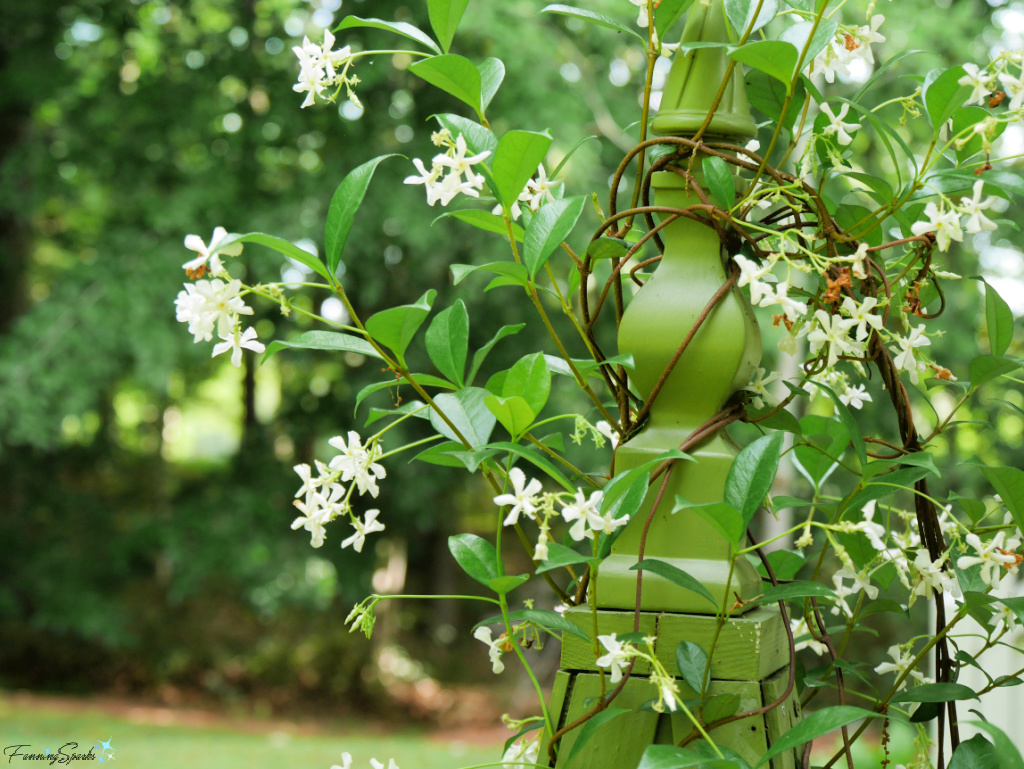
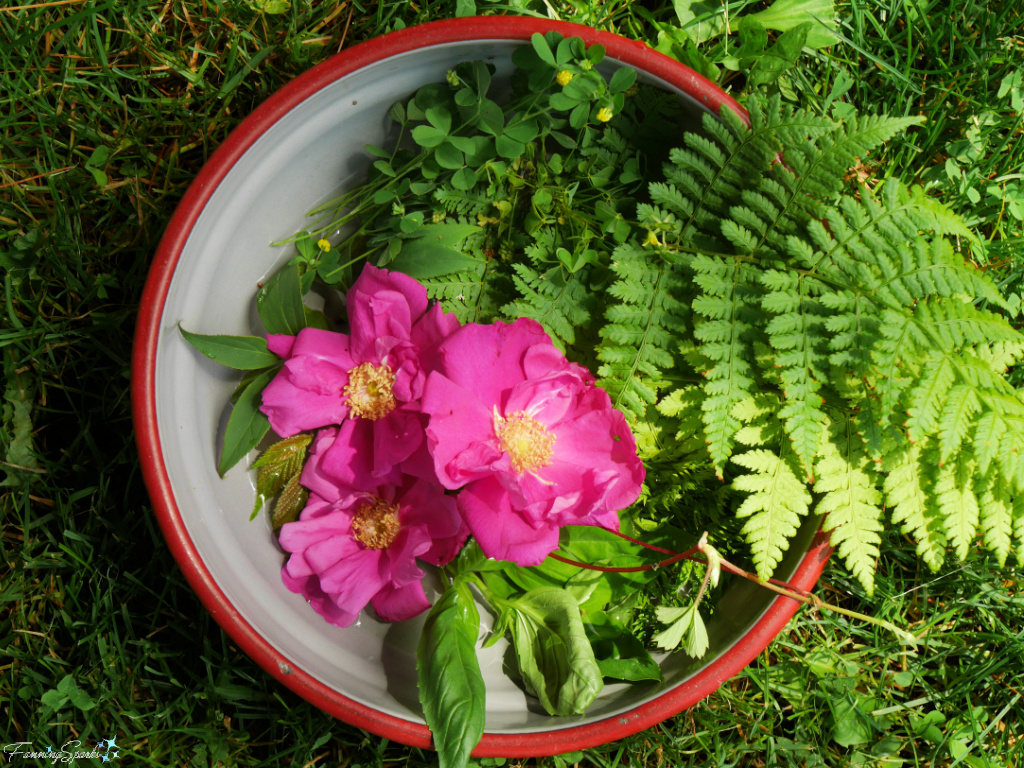
It’s also time to harvest and preserve aromatic botanicals. There are so many options ― lilac blooms, lavender spikes and peony petals from the flower garden; mint, sage, savory and thyme foliage from the herb garden; wild rose blossoms and wildflower blooms from the roadside and so on.
Different botanicals hold their aromatic compounds in different parts of the plant. For instance, the scent of flowering plants is, of course, held in the flowers and is at its most intense at the peak of the blooming season. The arrangement and timing aren’t a mere coincidence – they are both integral to the beautiful, interwoven, symbiotic relationship between flowering plants and pollinators. “In the horticulture world, scent is a chemical language that plays a fundamental role in communication” writes Melissa King in her article The Role of Scent in Flowering Plants. “Each scent is a tiny but complex organic molecule … no two plant species produce the exact same scent. Furthermore, pollinators can discriminate who’s who among a vast array of plants in their surroundings.”
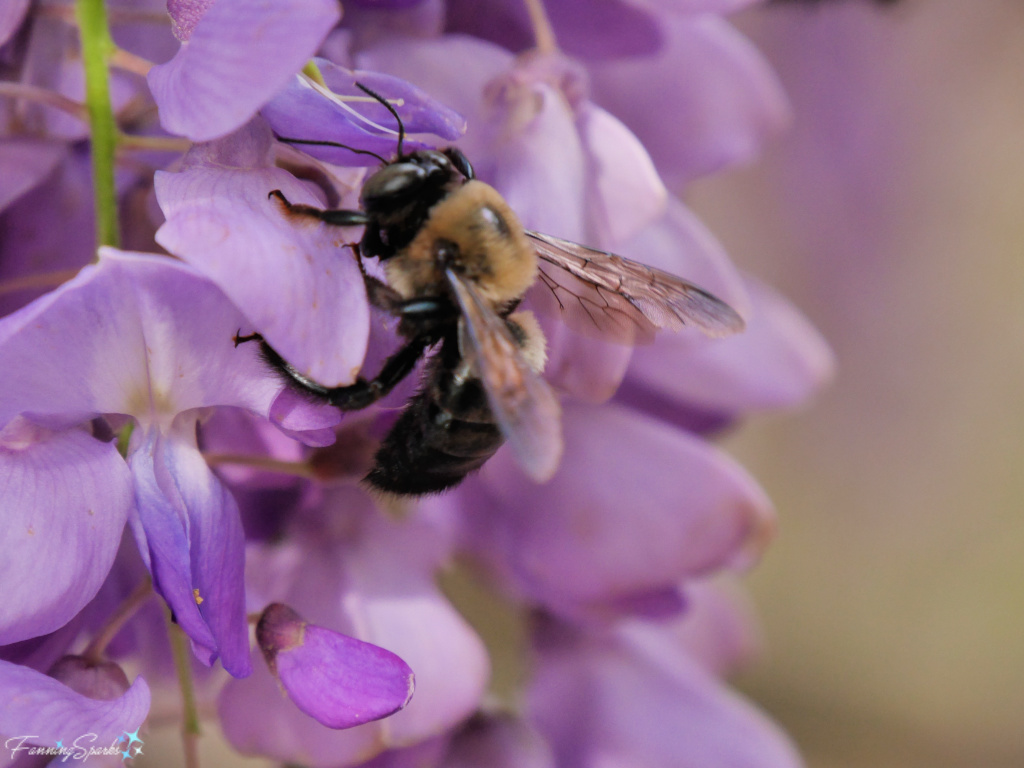
“The unique scent of any flower serves several purposes. A floral scent may attract potential pollinators to support plant reproduction and signal or guide certain animals to its food sources at just the right time. For example, plants that rely on pollination by bees or butterflies have relatively sweet scents, and their flowers emit the highest scent levels during the daytime, especially from mature flowers ready to offer ample pollen to visiting insects … insect and bird pollinators benefit from gathering food resources like nectar and pollen from flowering plants … in turn, the flowering plant benefits from the abundant pollen transfer … [for] fertilization and reproduction.”
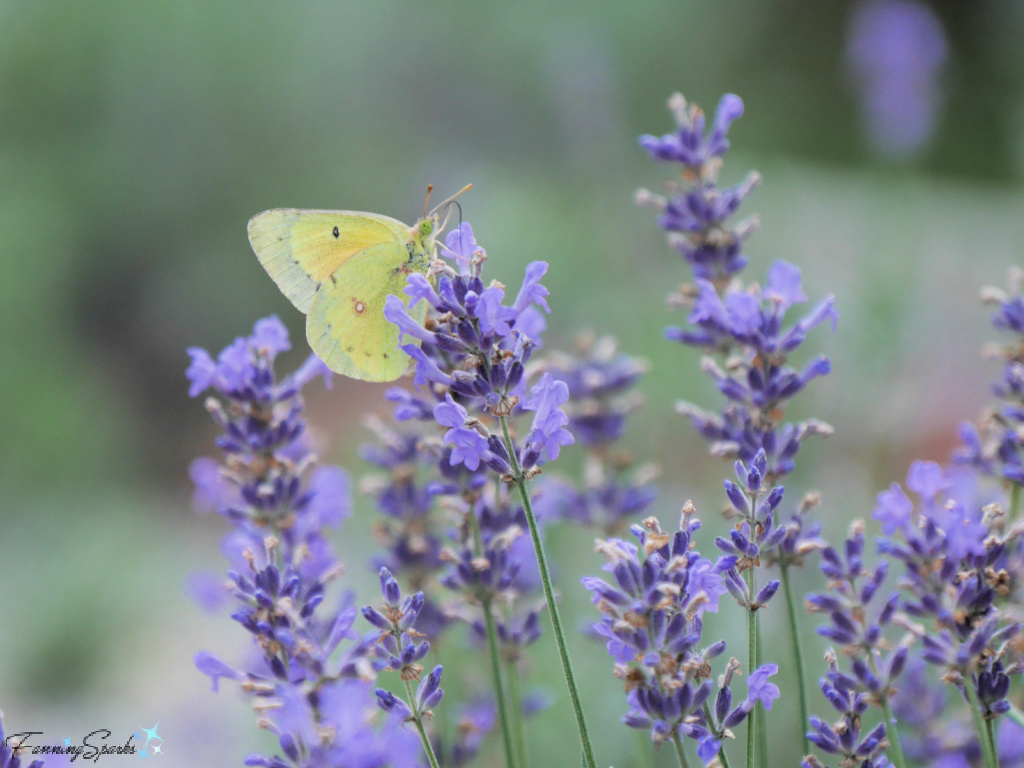
Understanding a flowering plant’s blooming cycle comes in handy when picking flowers for their scent. The objective is to cut the blooms just as the plant is ramping up its heaviest scent to attract pollinators.
There’s an intriguing passage describing the harvesting of lavender in the classic botanical guide, A Modern Herbal, dating back to 1931 and written by Margaret Grieve.
“The bulk of the flowers are used for the distillation of the volatile oil, which is commonly distilled from the flowerstalks and flowers together … the blooms must all be fully developed, because the oil at this time contains the maximum amount of esters.” Esters, by the way, are organic chemical compounds. Linalyl acetate, for instance, is the primary ester found in lavender.
“Harvesting should be carried out rapidly … so long as the weather is dry and there is no wind, the morning and evening of a fine day being particularly favourable … If rain or fog appears, cutting should cease and not be resumed till the sun shines again.”
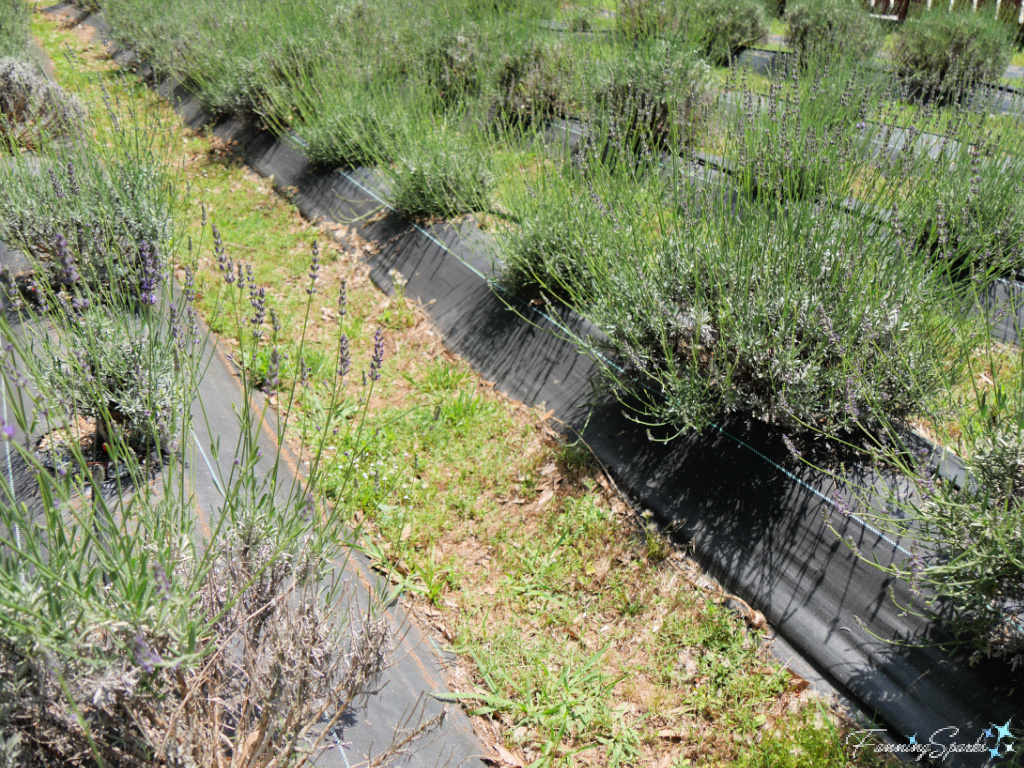
Grieve points out that “lavender plantations, and all fields of aromatic plants, are most highly perfumed about mid-day”. Something to keep in mind, when planning a visit to a botanical garden, display garden or flower farm ― such as the Red Oak Lavender Farm pictured below (see Stop and Smell the Lavender for a deeper dive into this splendid place).
Not all aromatic botanicals come from flowering plants. And not all scents serve to attract pollinators. King explains “A flower’s scent may also serve as a deterrent to herbivores browsing for their next meal, providing a type of safety shield to help ensure the plant’s survival. For example, some herbs such as rosemary, basil, and mint contain essential oils that give off a remarkably strong smell, which serves as a defense mechanism against hungry deer, rabbits, and other four-legged creatures.”
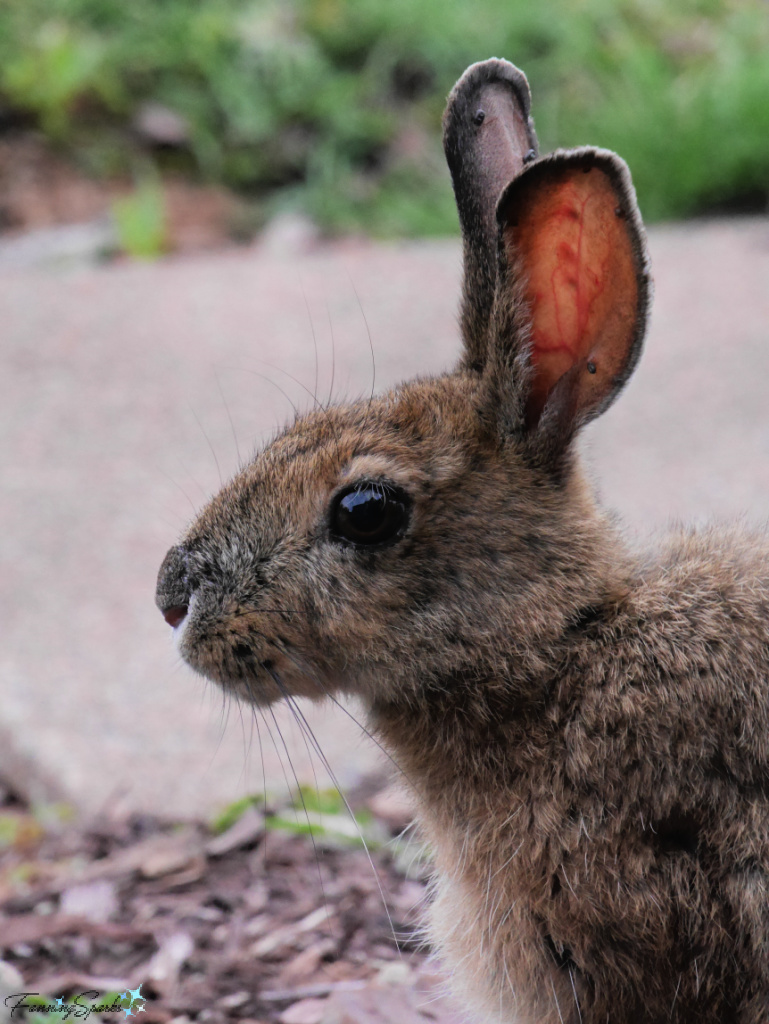
“And the sharp, tangy scent of sage, thyme, garlic, and onions deters aphids, slugs, and squirrels from chomping on those plants, protecting them from destructive herbivorous activity.”

As with flowering plants, it’s important to harvest herbs when they’re at their most fragrant ― just as the plant forms flower buds but before the flowers open. The ideal cutting window is mid-morning ― after the dew dries off the leaves and before the midday sun causes the essential oils to evaporate.
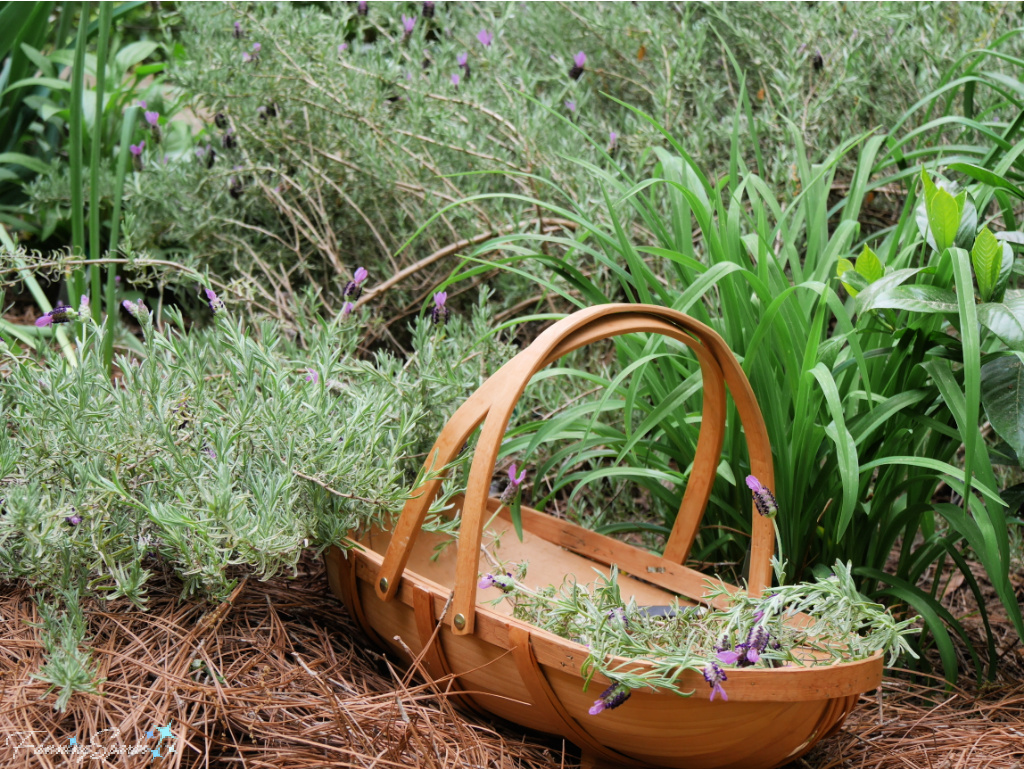
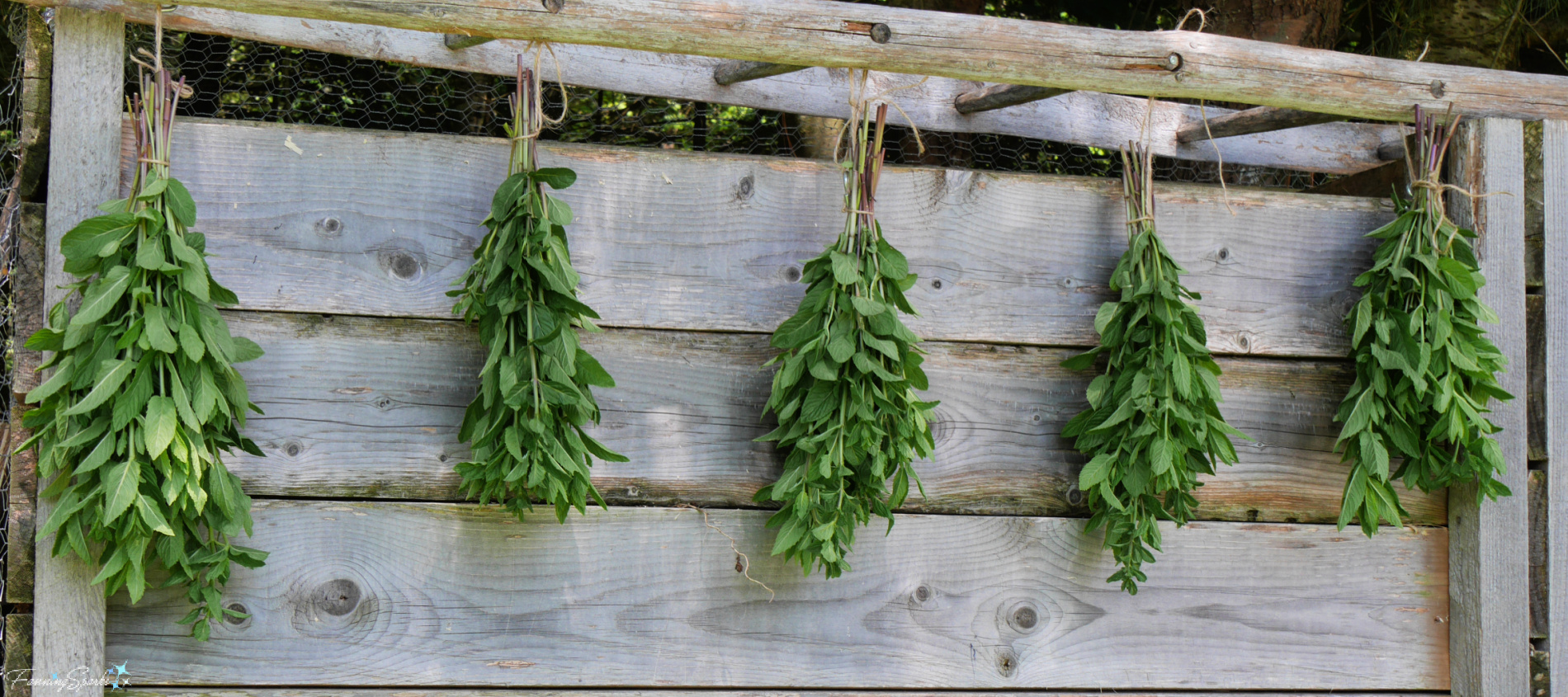
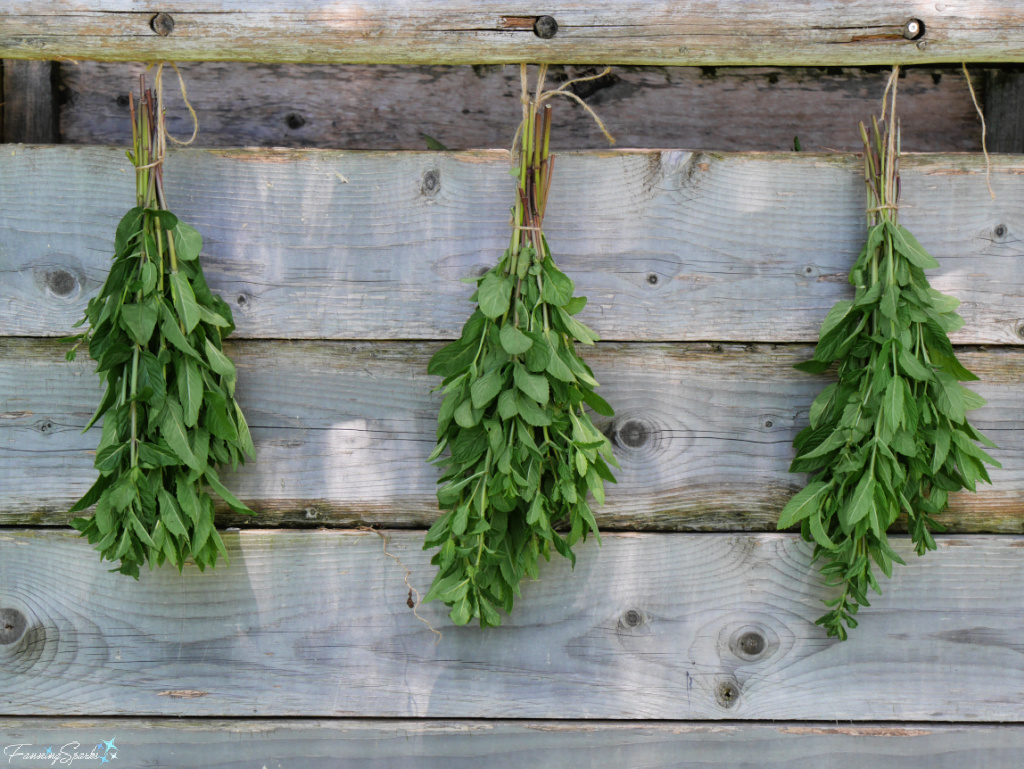
The most straightforward way to preserve harvested botanicals is to dry them. Herbs, in particular, can easily be dried by tying them into small bundles and hanging them upside down in a warm, dark, and well-ventilated space.
Shown below are bundles of freshly harvested mint hung to dry in my sister Marian’s barn.
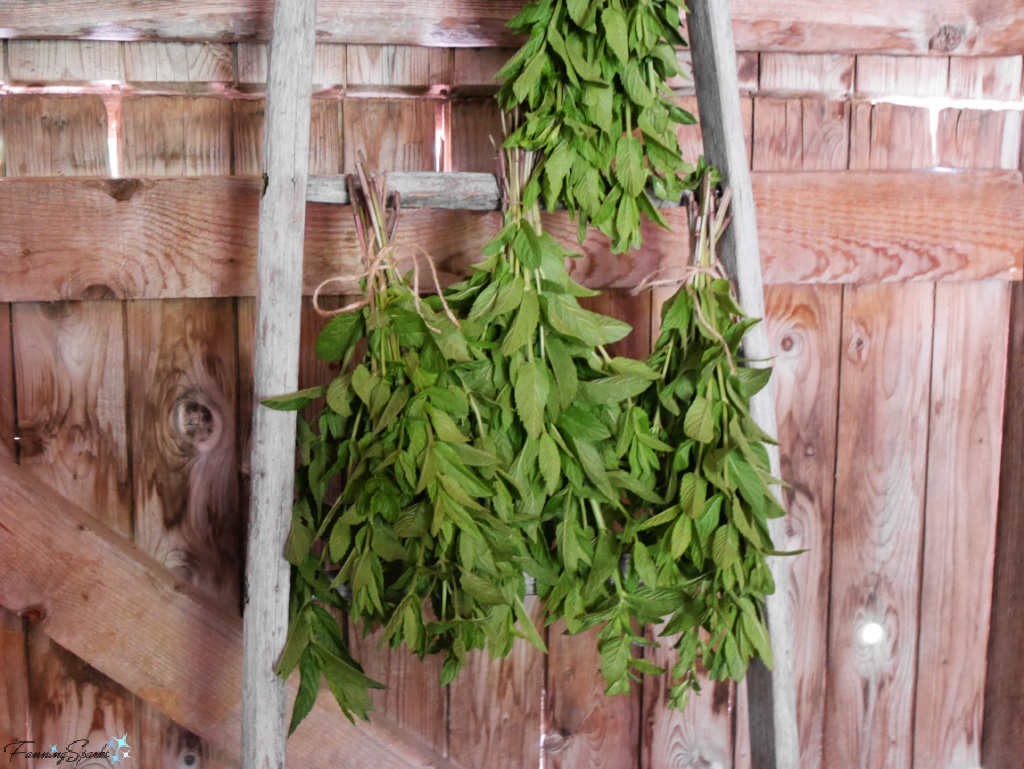
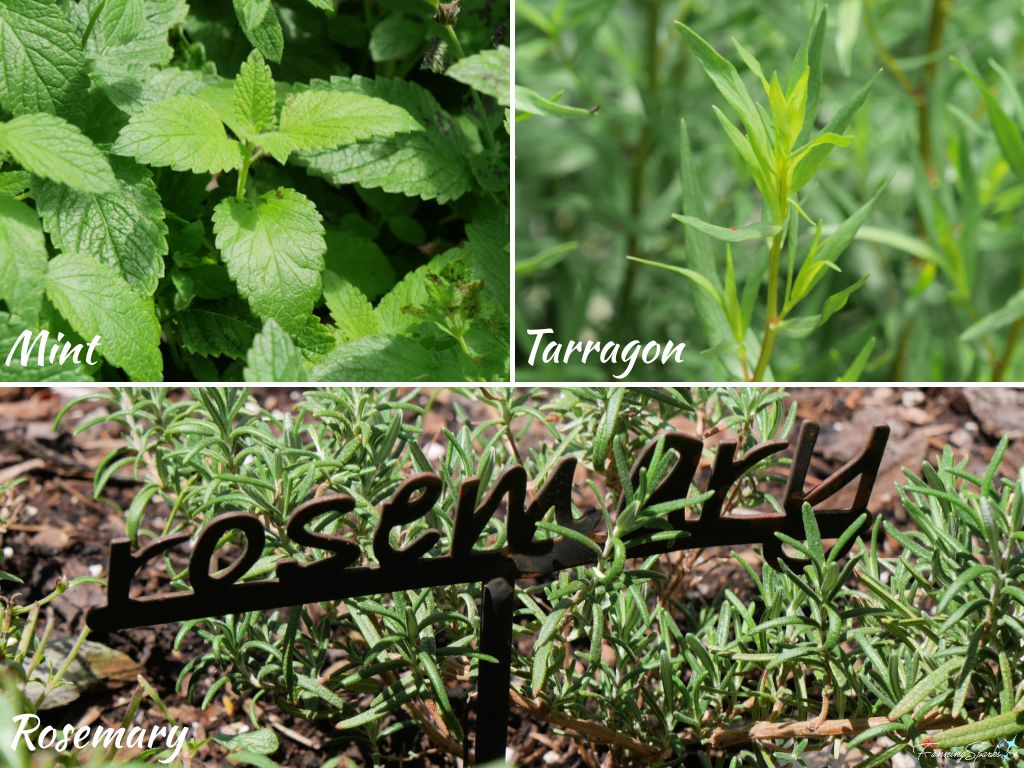
She grows and preserves an array of herbs including the three shown below ― mint, tarragon and rosemary.
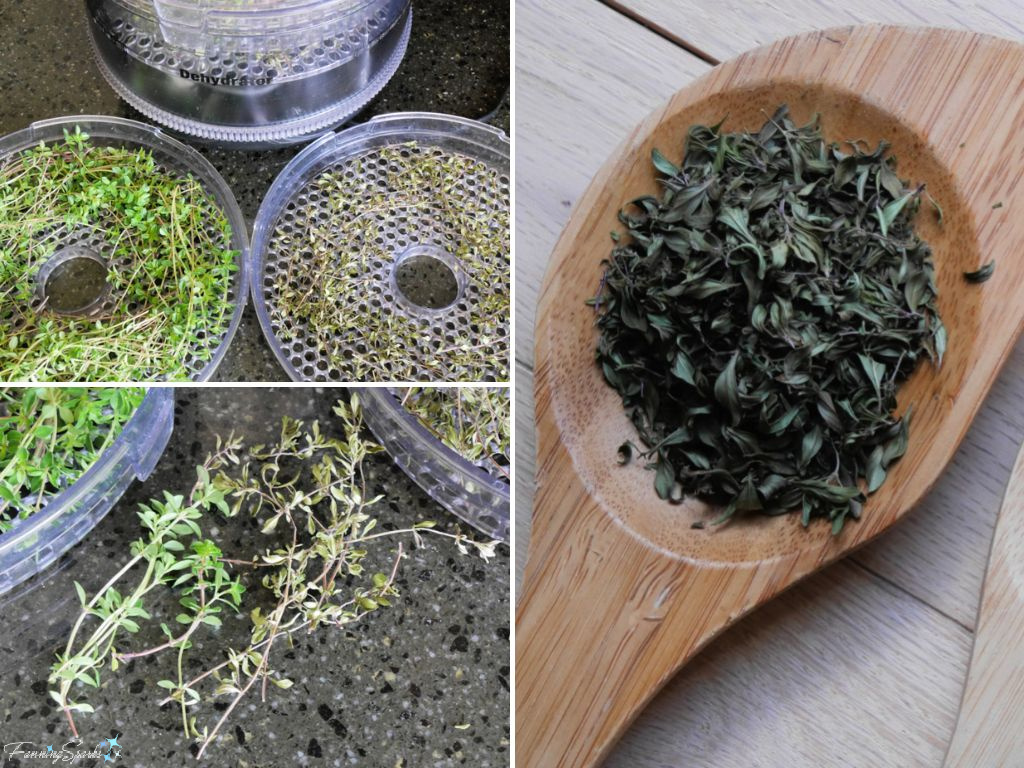
The day I dropped in, Marian was harvesting and drying thyme.
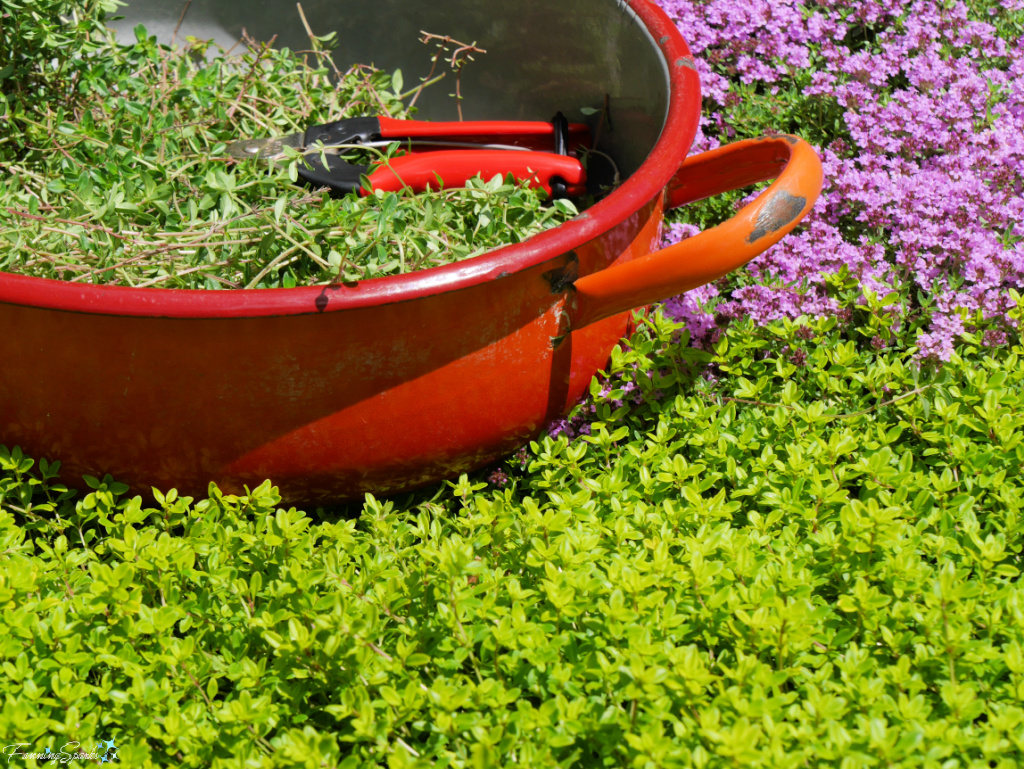
She dries it in a dehydrator, strips the leaves from the stems, and then seals the dried leaves in glass jars.
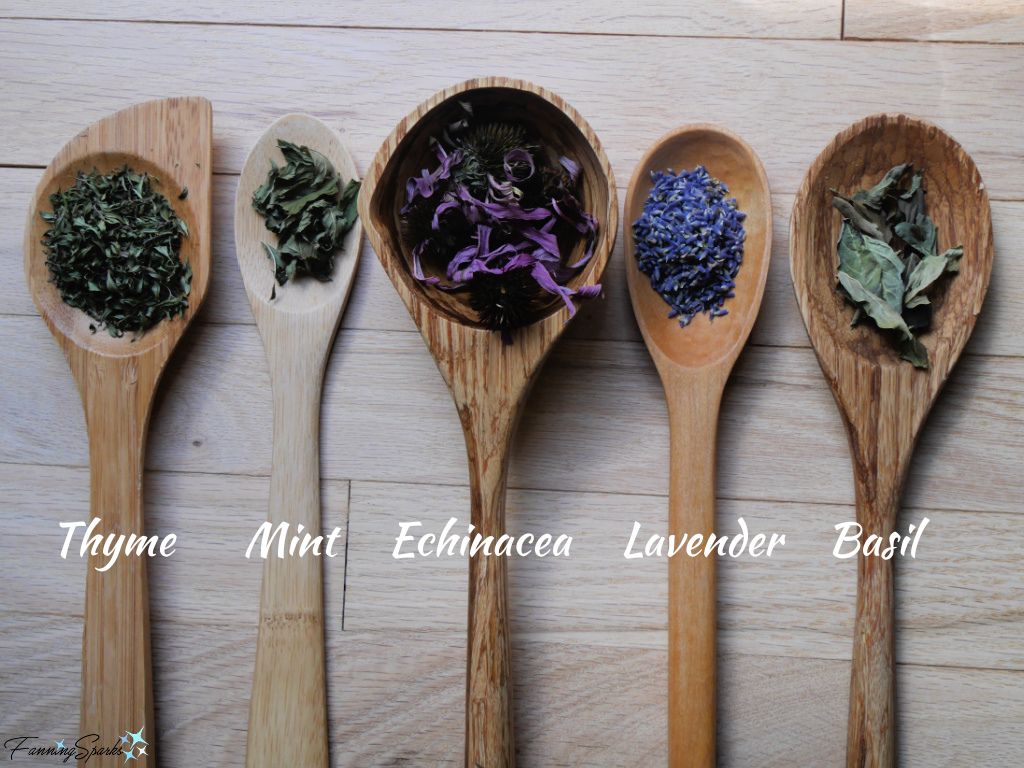
She has an impressive stash of dried herbs and florals which she’ll use for food, drink and fragrance throughout the year. Shown below are dried thyme, mint, echinacea, lavender and basil.
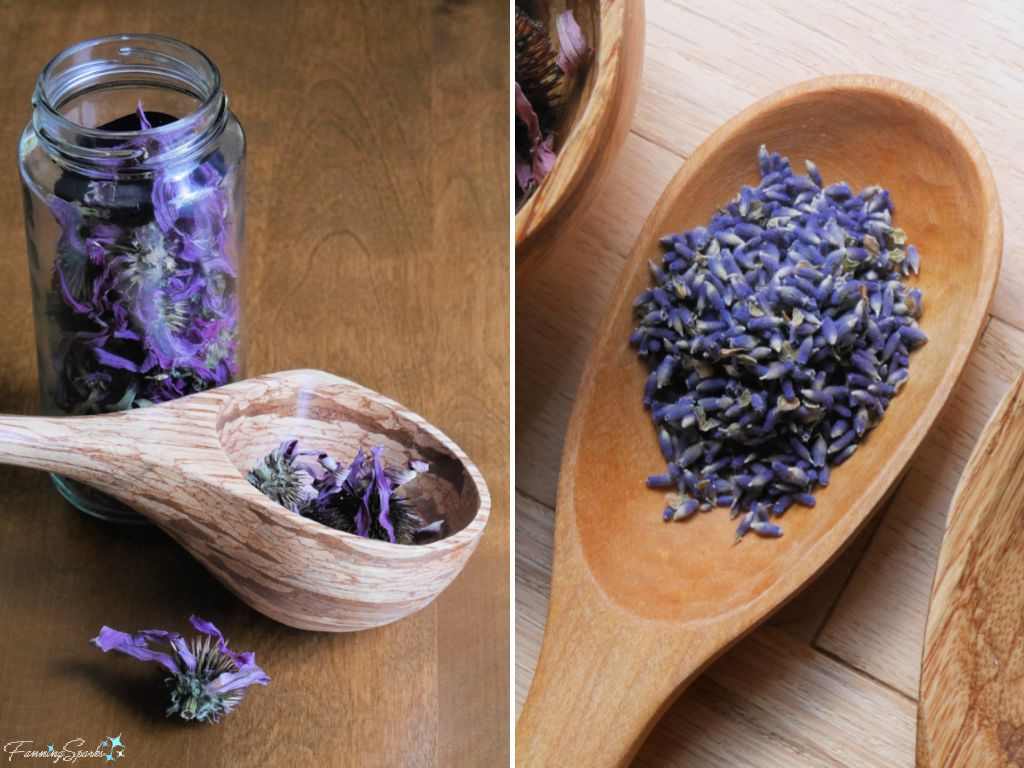
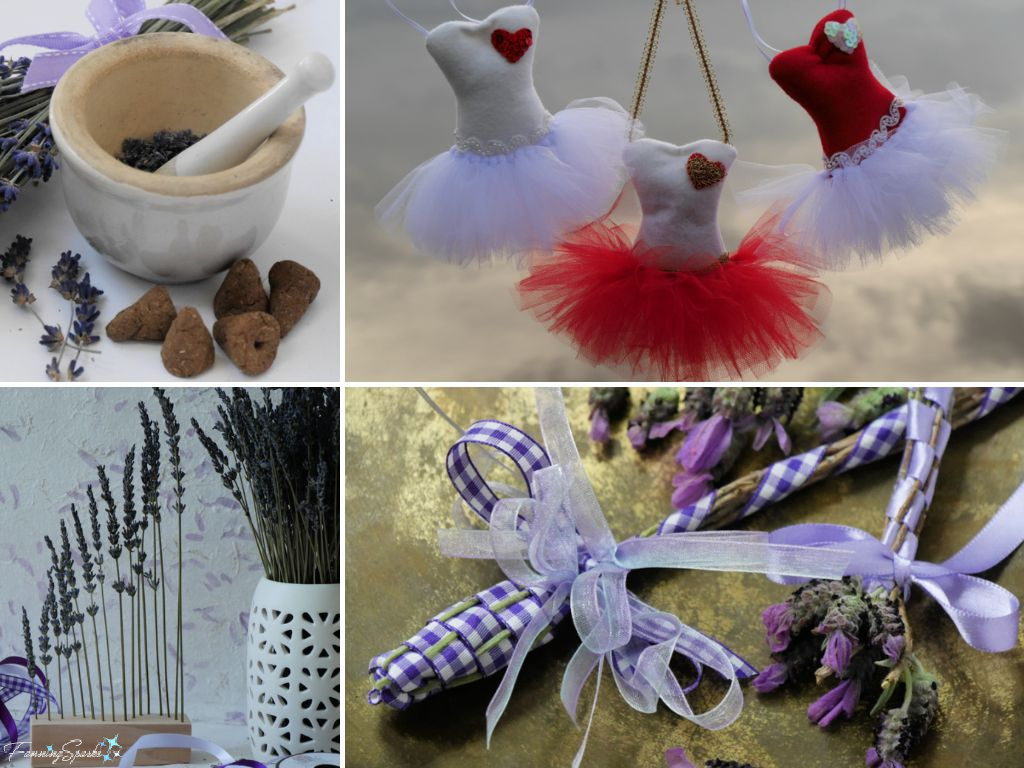
Lavender is arguably the most popular aromatic flower. It is particularly popular as a home fragrance. Dried lavender can be used in a variety of ways including, for instance, sachets, simmer pots, potpourri and dried floral arrangements. It was one of the primary ingredients in the handmade incense cones I made recently (see The Essence of Incense). In addition, I’ve used dried lavender to fill sachets (see Maker Heart Challenge #3: Froufrou Sachet – DIY Tutorial), as a woven lavender wand (see Weaving Lavender) and displayed in a simple wooden block (see Stop and Smell the Lavender).
In addition to drying lavender, it is possible to extract its precious oil. More of the fragrance can be saved from lavender, and from other fragrant botanicals, in this way. Extracting the oils also opens up more options for home fragrance such as reed diffusers, room sprays, candles, soaps and wax melts.
In the book, The Scented Home: Living with Fragrance, author Karen Wheeler describes four extraction methods: distillation, enfleurage, solvent extraction, and expression. Although it’s possible to scale back some of the processes for a do it yourself project, extracting essential oils typically requires specialized equipment and a huge volume of raw material.
Grieve helps put it in perspective, she wrote “At Hitchin [a famous historical hub for commercial herb cultivation and essential oil distillation in England in 1931], it has been calculated that 60 lb. of good flowers will yield on the average 16 fluid ounces of oil.” Modern day lavender growers are reported to target similar yields. So, 60 pounds (27 kg) of lavender flowers to make 16 ounces (455 mL) ― about 2 cups ― of essential oil … little wonder authentic essential oils are expensive!
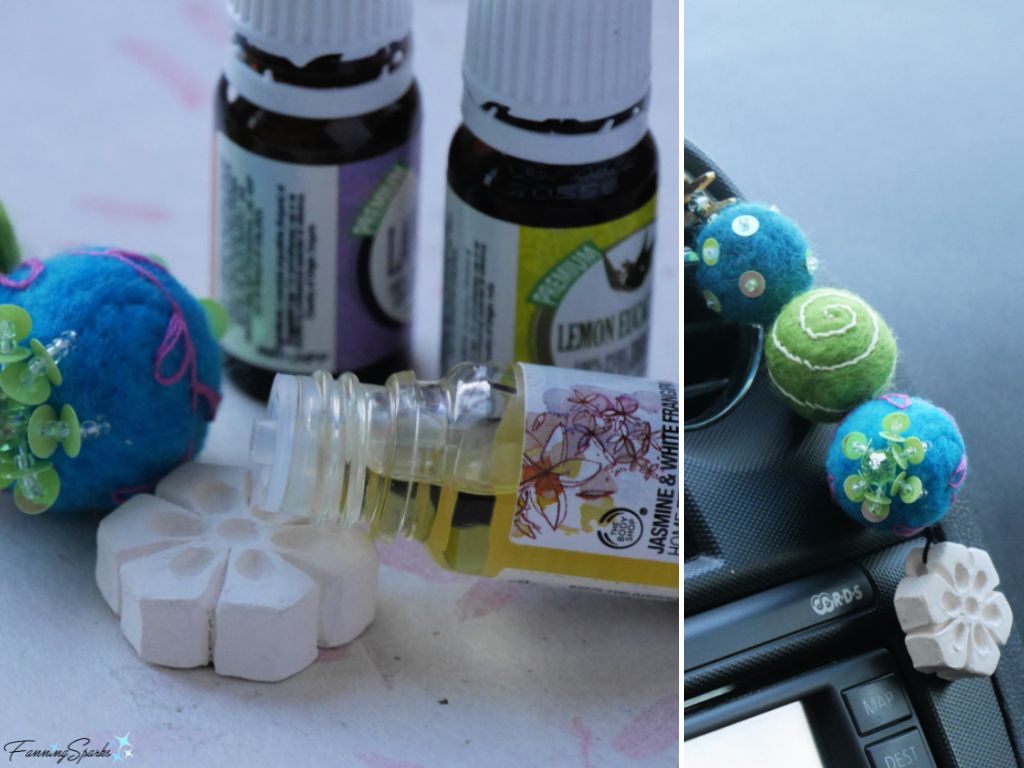
Essential oil was key to the caroma buster I made for my car (see Caroma Buster: Hanging Essential Oil Diffuser).
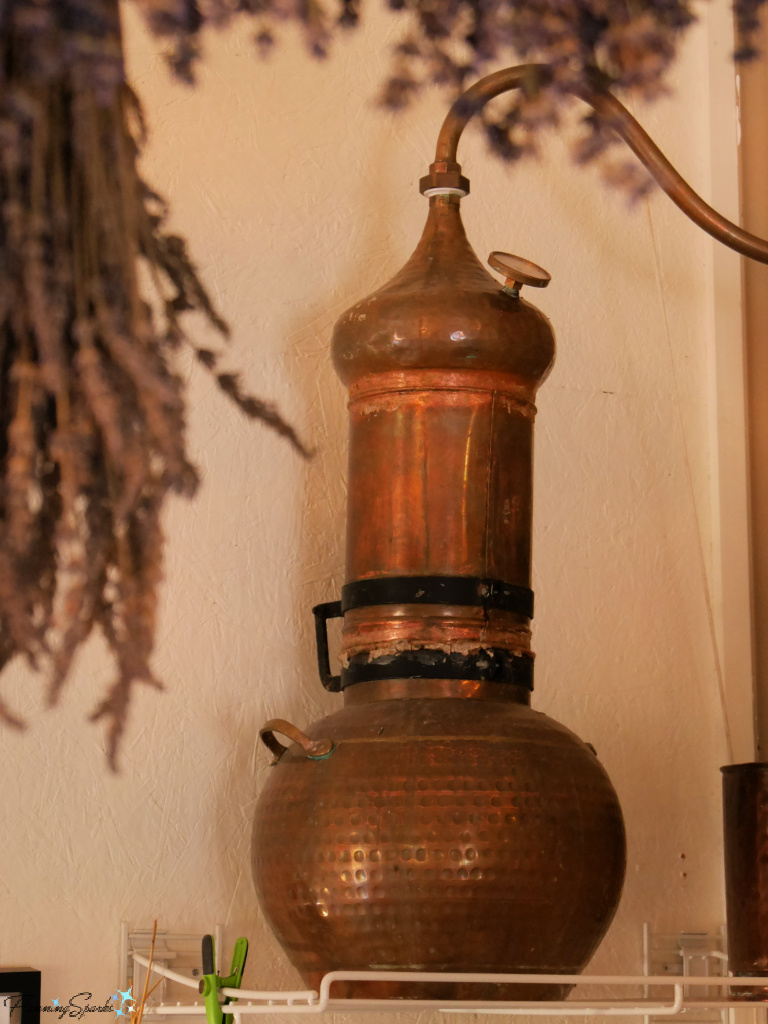
Steam distillation, Wheeler writes, is “the method most often employed to extract essential oils from plants”. The plant material is placed on a grill above boiling water so steam passes through the raw materials. “The heat or steam breaks down the walls of the plant cells in which the essence is stored and the steam absorbs the essential oil. It is then cooled so that the water and oil separate”. Specialized equipment, like the copper alembic still with essential oil column spotted at the Red Oak Lavender Farm shown below, is required for this procedure. The water goes in the boiler pot at the bottom. The lavender is tightly packed into the column on perforated copper plates so the steam can pass through it. Then the oil-rich steam is caught in the onion-shaped cap and forced out into the swan-neck copper pipe. From there, the steam is taken to an external condenser coil where it is cooled back into liquid and the water and oil are separated.
The second extraction method Wheeler describes, enfleurage, is used with flowers which can’t withstand the heat of distillation. Examples include jasmine, rose, orange blossom. Tuberose, hyacinth and narcissus. “Freshly picked petals are sprinkled over sheets of glass covered in animal fat [called the corps], which absorbs the fragrance it draws from the petals. This process can take as long as three weeks, for when the petals fade, they are repeatedly replaced with fresh ones until the fat is saturated and can absorb no more essential oil. The oil-fat mixture is known as a pomade. The next stage involves washing the pomade with alcohol to obtain the extracts or ‘absolutes’.”
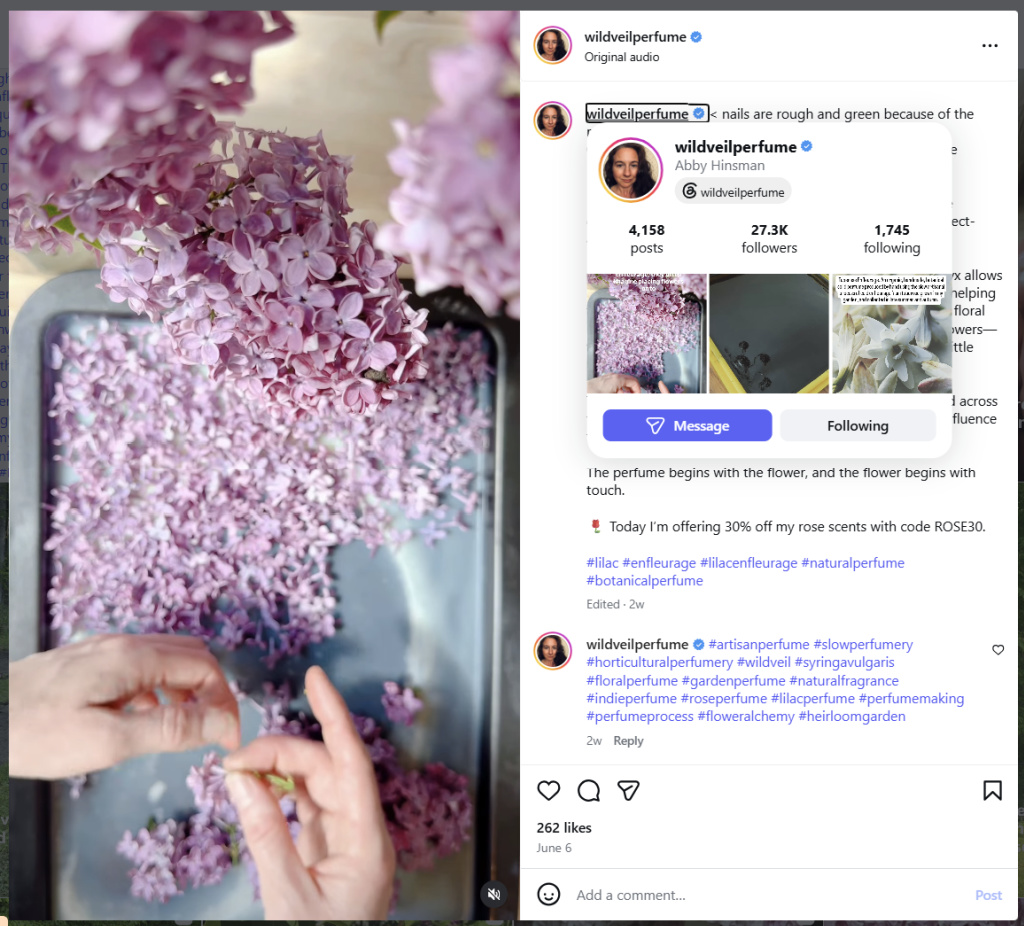
This is the process Wild Veil Perfume uses to extract essential oils from their lilac blooms. They share fascinating updates in their Instagram posts including this one about the importance of cleaning each lilac blossom ― “thousands upon thousands” of them ― by hand “before the flowers ever touch the corps”.
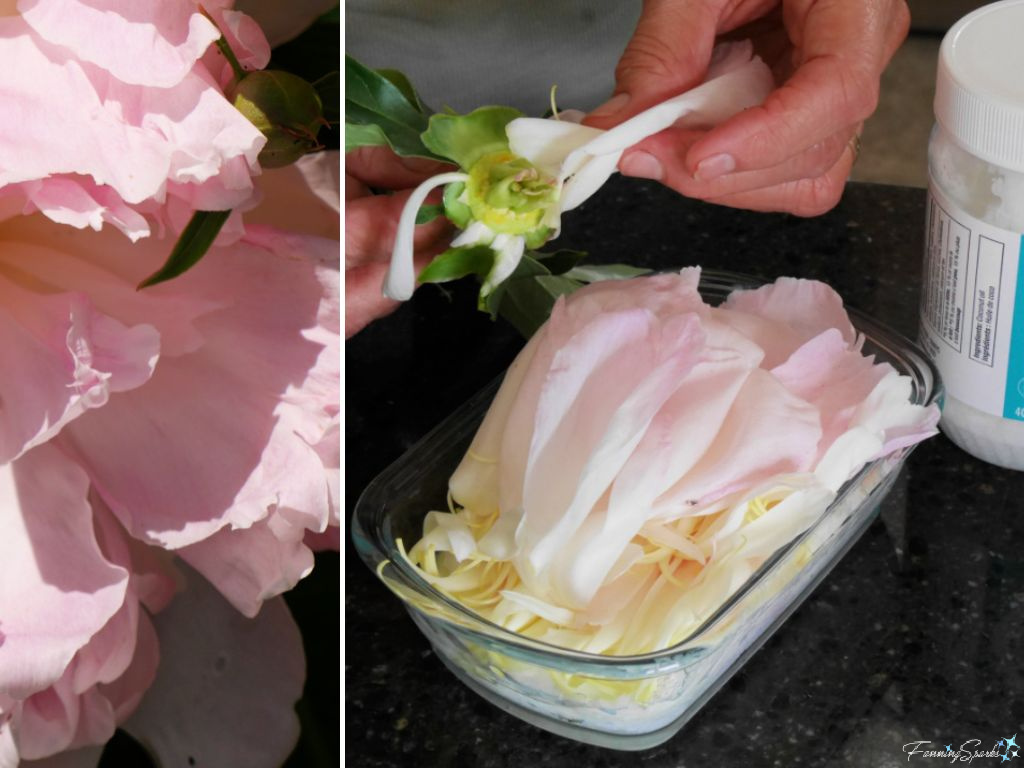
While labour intensive, enfleurage doesn’t require specialized equipment and is easier to try at home than distillation. Marian decided to give it a try with peony petals and unscented coconut oil. We’re waiting to see how it turns out.
The final two extraction methods described by Wheeler are solvent extraction and expression. Solvent extraction, they write “makes it possible to obtain essences from tree bark or roots, or other plant parts that have only a faint aroma. The raw material is laid on perforated trays in extractors, and then a solvent is poured over it; this draws off the aromatic molecules as it runs though. The solvent is then filtered to remove the essential oil.” There appear to be many DIY options for using solvents ― high-proof, food-grade ethanol seems to be mentioned most often by experts ― to extract essential oils from aromatic materials.
Expression, on the other hand, is a “simple pressure technique used to extract the oils from citrus fruits. The essential oils of lemon, lime, orange or bergamot are found in the outer, coloured layer of the rind of the fruit.”
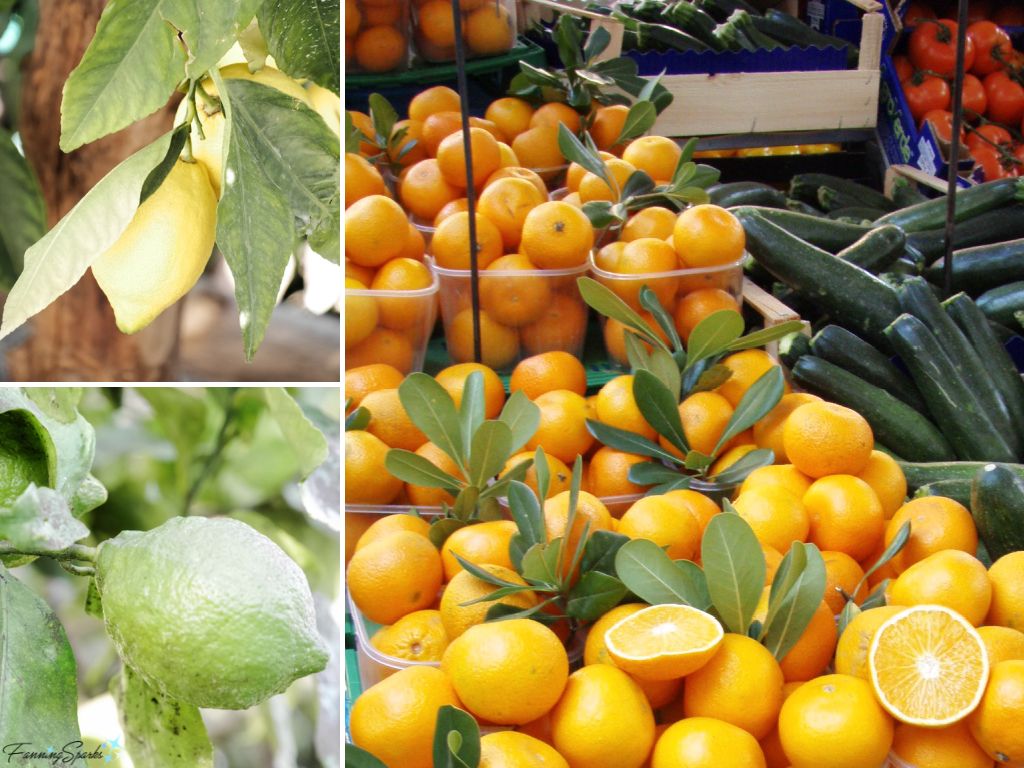
“Europeans relied on aromatic herbs, such as rosemary, thyme and lavender, which they scattered on floors to scent their homes and deter insects.” writes Wheeler. “By the sixteenth century recipes for fragranced waters and infused oils were widely available, and lavender bags and pomanders to perfume the home were commonplace. By this time spices were being brought back from the Orient, and the Elizabethans embraced them enthusiastically as a means of fragrancing both themselves and their homes. During the seventeenth century it was fashionable to drench every inch of the body, every article of clothing and every room in the house with a different perfume”. Thankfully, this is no longer the case!
Around this time, pomanders were made by hollowing out an orange and filling it with spices or a vinegar-soaked sponge. Over time, pomanders evolved into the format we know today ― citrus fruit studded with cloves.
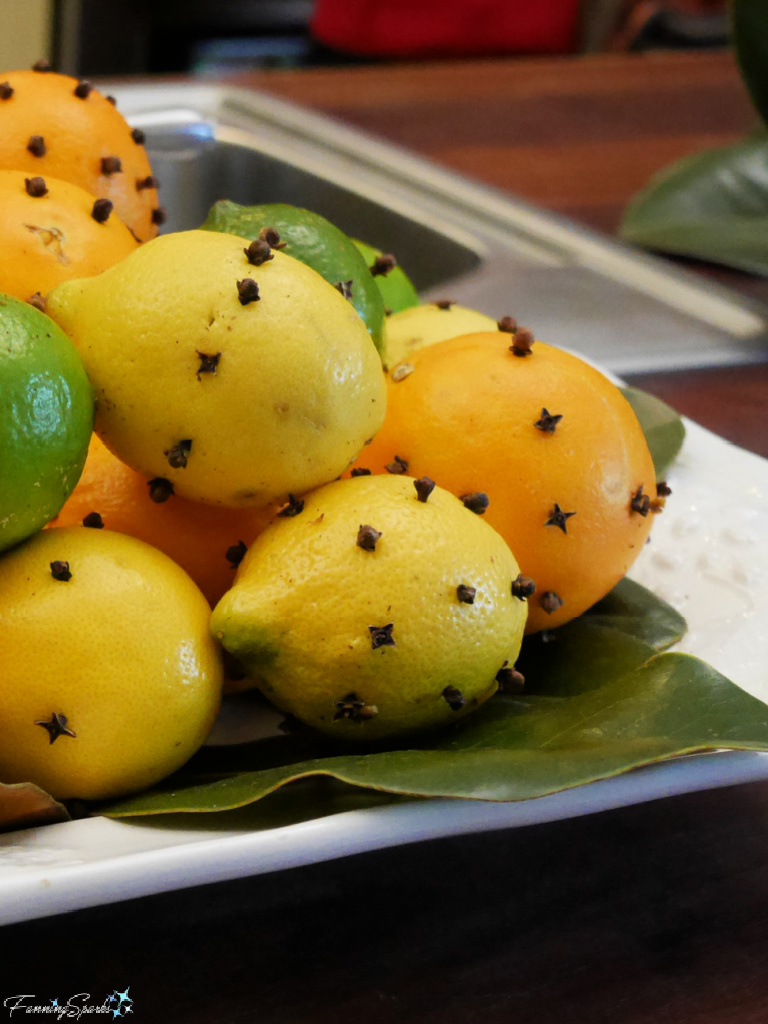
“Nowadays we use scent in our living space more discerningly. It is no longer just a matter of disguising unpleasant odours; perfuming our surroundings has become an art – like flower arranging or interior decorating. And just as we choose colours and textures to suit individual rooms … it makes sense to work with a selection of fragrances, using them to emphasize the mood of different rooms for different occasions.”
More Info
Previous blog posts mentioned in this blog post include:
. Stop and Smell the Lavender
. The Essence of Incense
. Maker Heart Challenge #3: Froufrou Sachet – DIY Tutorial
. Weaving Lavender
. Caroma Buster: Hanging Essential Oil Diffuser
The following books, articles and websites were consulted in the writing of this blog post:
. The Role of Scent in Flowering Plants article by Melissa King; published on the Piedmont Master Gardeners Virginia website
. A Modern Herbal book by Margaret Grieve; originally published 1931 and available here on Internet Archives
. The Scented Home: Living with Fragrance book by Karen Wheeler; published 2000 and available here on Internet Archives
. Perfume: The Art and Craft of Fragrance book by Karen Gilbert; published 2013 and available here on Internet Archives
. The Fragrant Year: Seasonal Inspirations for a Scent-Filled Home book by Clare Louise Hunt; published 2000 and available here on Internet Archives
. How to Make Perfume Out of Flowers article by Maxine B. Mcclain; published Jul/Aug 1976 on the Mother Earth News website
. How to Make Spring Stovetop Potpourri article by Chrissi; published March 2026 on the First Home Love Life website
. Herb Oils article published on the ACS Distance Education website
. Abby Hinsman of Wild Veil Perfume ― see more on their website or Instagram
. Various Wikipedia entries.
To learn more about Red Oak Lavender Farm & Shop in Dahlonega, Georgia, USA, check out their website or Facebook page.
Today’s Takeaways
1. To harvest flowering plants for their fragrance, cut the blooms just as the plant is ramping up its heaviest scents to attract pollinators.
2. There are a variety of ways to use aromatic botanicals for home fragrance such as sachets, simmer pots, potpourri, dried floral arrangements, incense cones, reed diffusers, room sprays, candles, soaps and wax melts.
3. “Just as we choose colours and textures to suit individual rooms … it makes sense to work with a selection of fragrances.” Karen Wheeler

Comments are closed.