
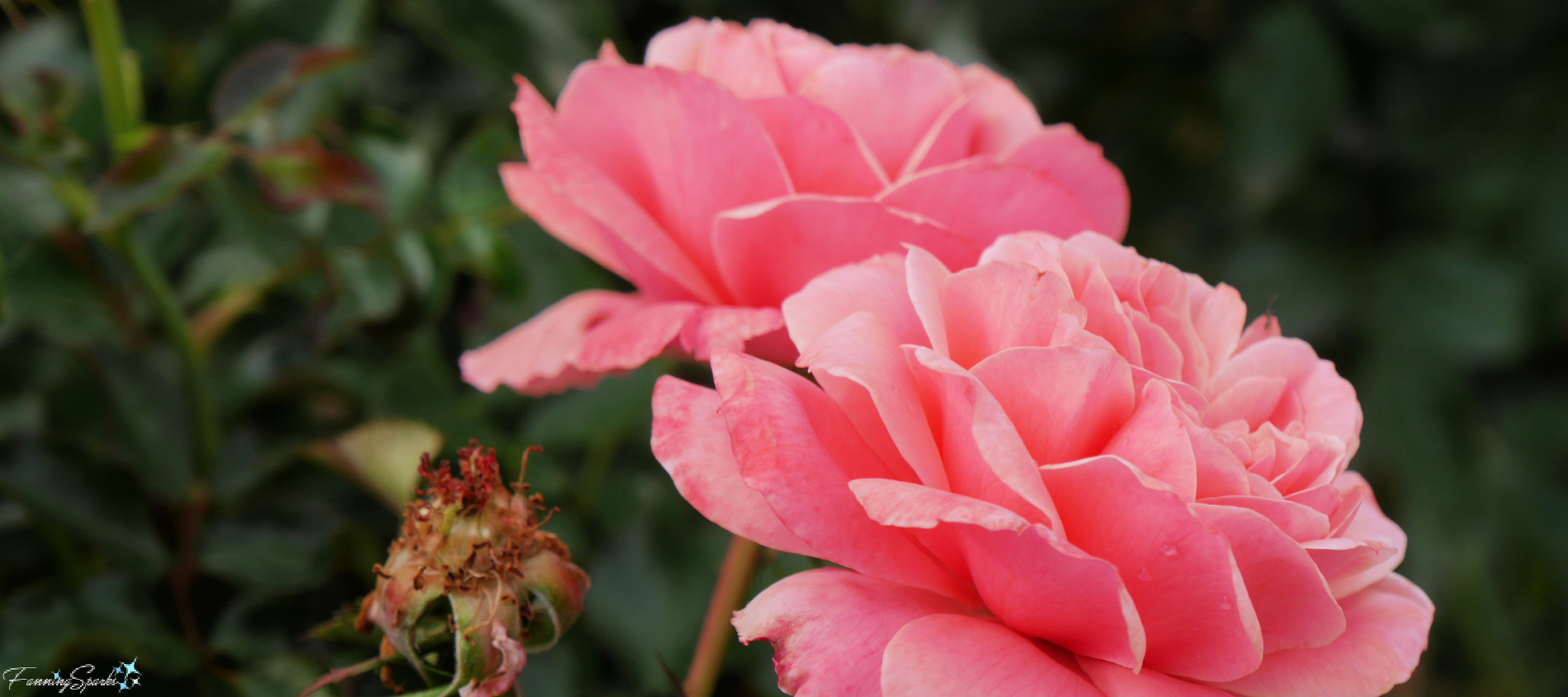
It may be a real estate cliché but some realtors swear by the practice of baking cookies before open houses and showings. They believe filling the house with a warm, welcoming scent makes it feel more inviting, comforting and homey. For many people the smell of fresh-baked cookies reminds them of happy memories from their childhood ― a nostalgic trigger realtors hope will entice prospective home buyers to stop and linger.
It’s astonishing how “a single whiff of a long-forgotten fragrance can instantly provoke a cascade of memories, transporting us back through time to a precise moment and place” writes Gina Hyams in their book Incense: Rituals, Mystery, Lore.
Most people have these “smell triggers” although they may not be aware of them. I have a few of my own ― phlox is one. Garden Phlox (Phlox paniculata) is a perennial plant which blooms in late summer and has a saturated, sweet, floral fragrance. It instantly reminds me of the flower exhibits at the annual country fair I attended every year through my childhood (see the Strong as an Ox blog post for a peek into Nova Scotia’s Halifax County Exhibition).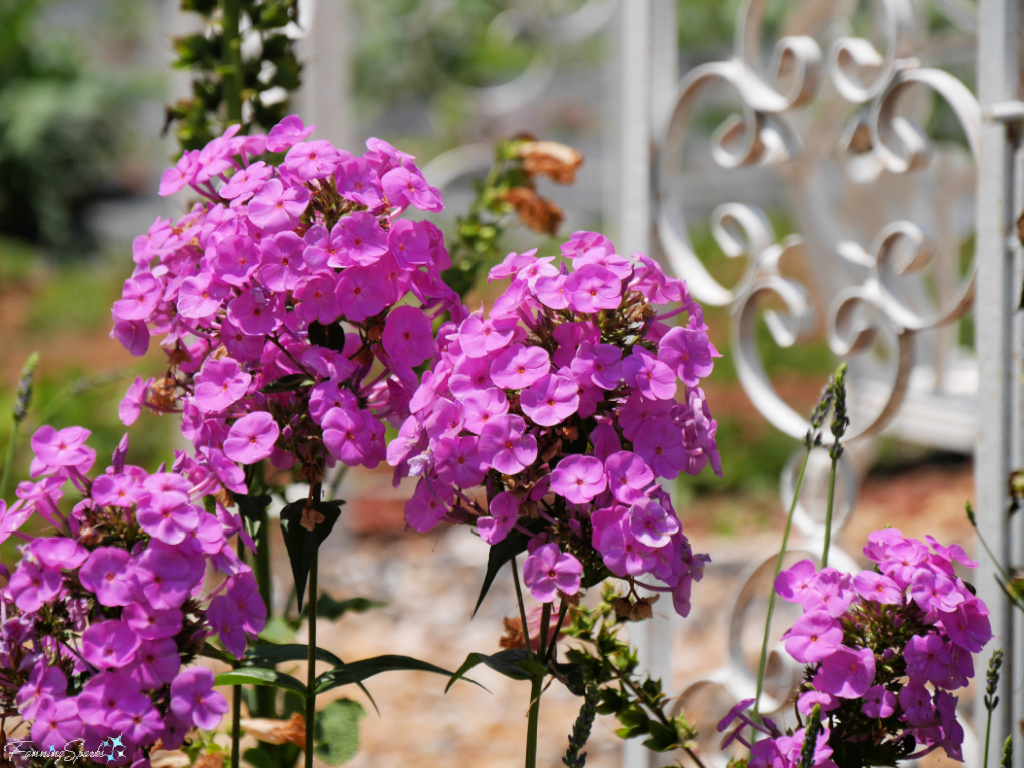
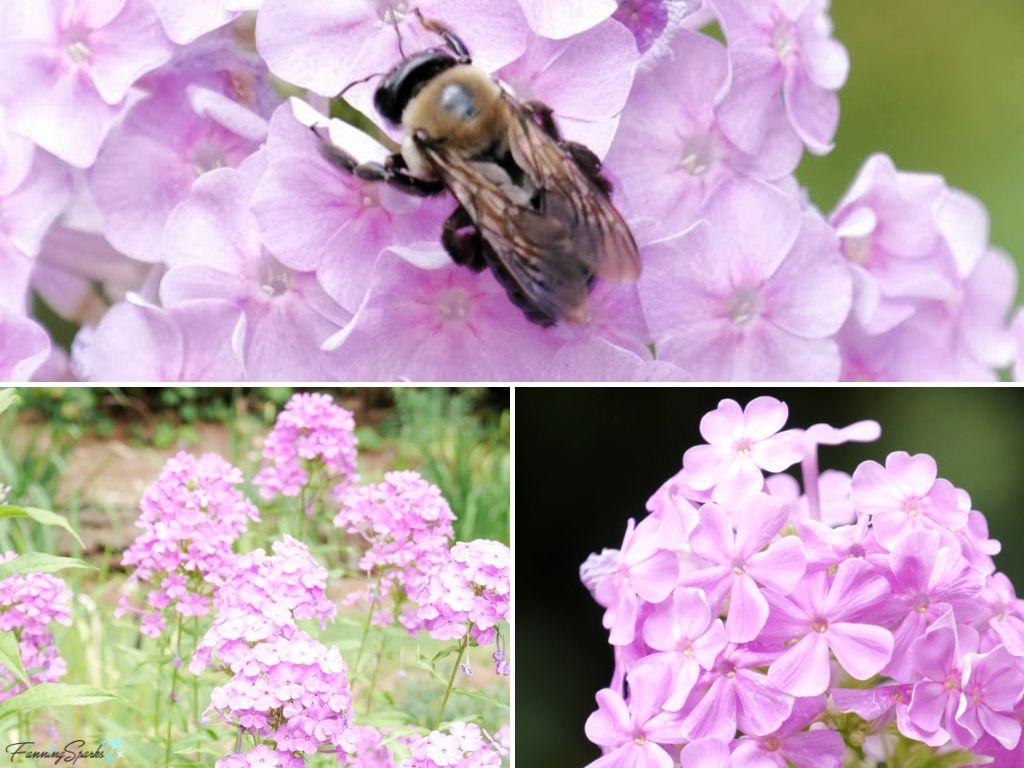
“Of the five senses, smell holds the most powerfully direct link to our emotions and memories” explains Hyams. “Our reaction to smells is primal and intense because we process olfactory stimuli directly through the limbic system – the area of the brain responsible for emotion, lust, hunger, memory, and imagination. Unlike sight, sound, touch, and taste, olfactory sensation is perceived in the free-spirited right side of the brain, rather than through the analytical, rational left side. We’re hardwired to feel responses to smells before we have a chance to formulate any thoughts about them.”
Lilac is a well-known and popular floral scent. It’s so popular, in fact, that when the lilacs bloom along the Seine River in Paris people have been known to post warnings against picking them. I spotted one a few years ago ― the note read “Dear passers by, Every spring, I try to bring you pleasure with my prettiest blossoms. Look at them, smell them but please don’t pick them. This way, I will be bigger and prettier next year, when you pass by again. Thank you, Lilac”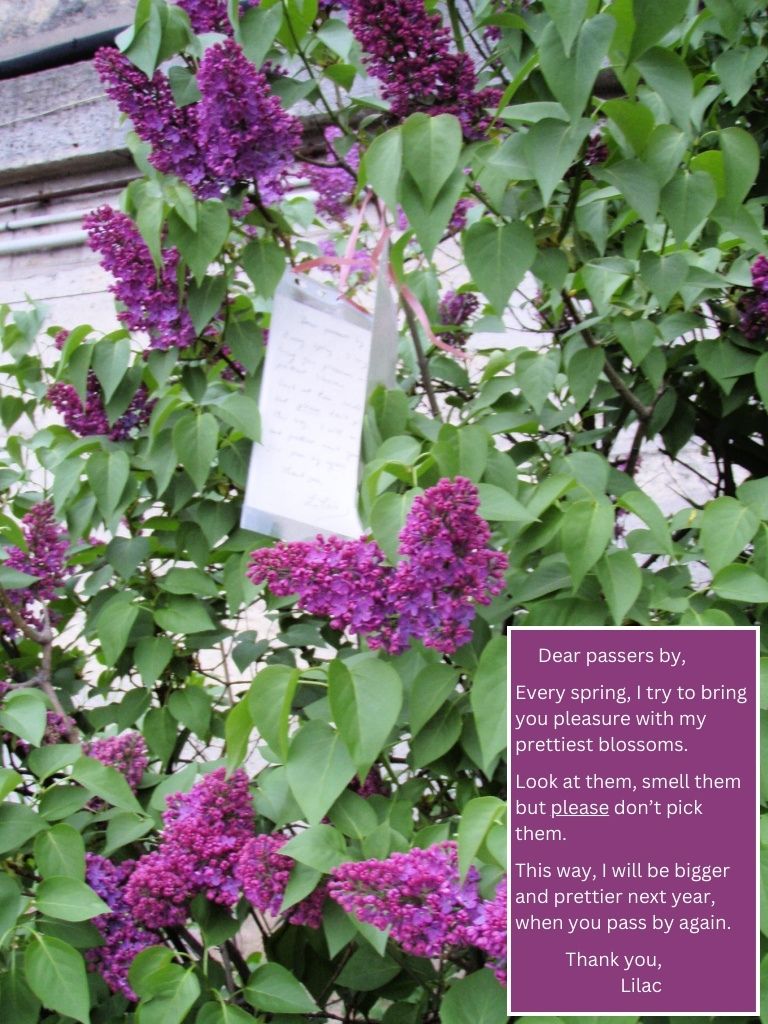
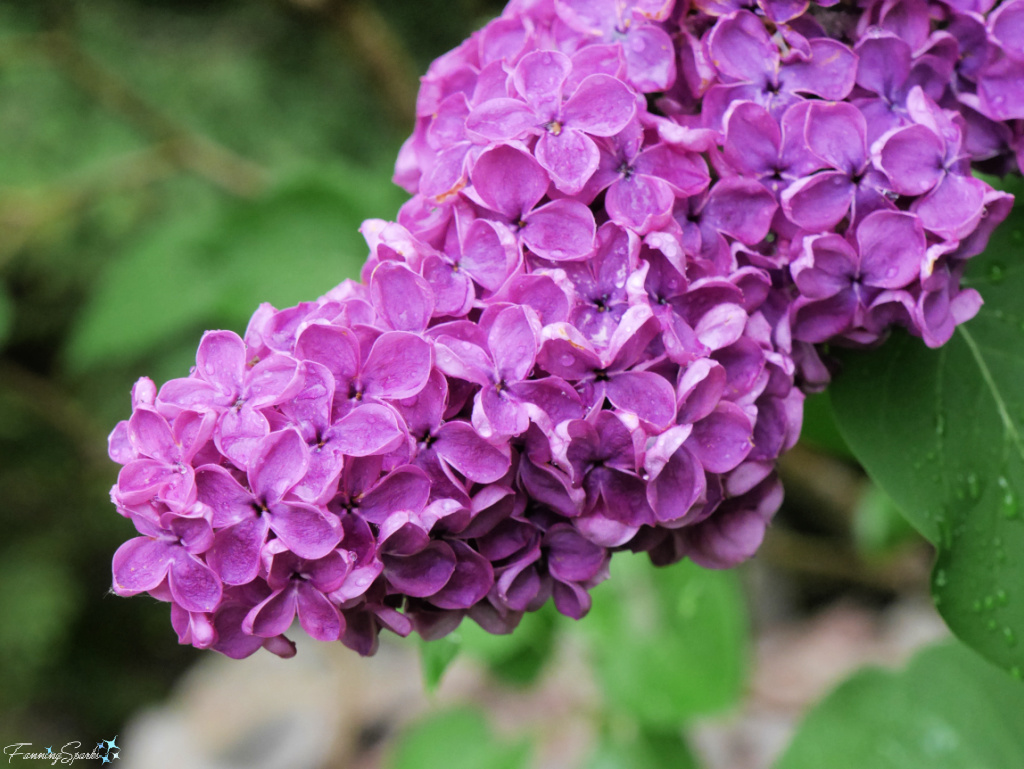
The scent of lilacs triggers very specific memories for me ― back to summers on the farm where I grew up. Just as spring was turning into summer, the large common lilac (Syringa vulgaris) bushes bordering our lawn would burst into bloom. Mom would cut huge bouquets of lilacs to fill the house with their beautiful, fresh, floral scent.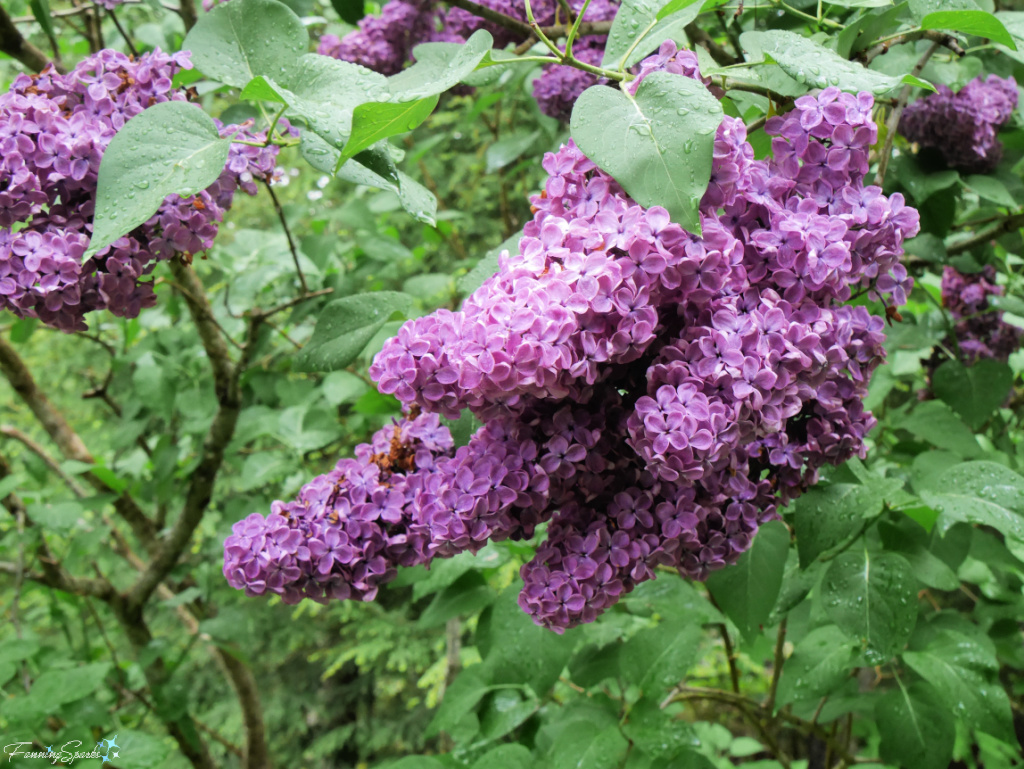
It’s rather surprising that our sense of sight doesn’t trigger the same emotional responses as our sense of smell. I love the sight of a country field covered in freshly cut grass but it’s the scent of the grass drying in the sun which triggers specific memories.
Haymaking – the vital work of turning a field of grass into a hay mow full of bales – is arduous, time-sensitive and heavily dependent on the weather. It was an all-hands-on-deck situation on our farm meaning even the children were expected to work. The task I remember most vividly, the one which instantly springs to mind at the first whiff of freshly-cut grass drying in the sun, is using a pitchfork to separate the cut grass from the uncut grass around the edges of the field. I can even remember approaching an exact location in a specific hay field!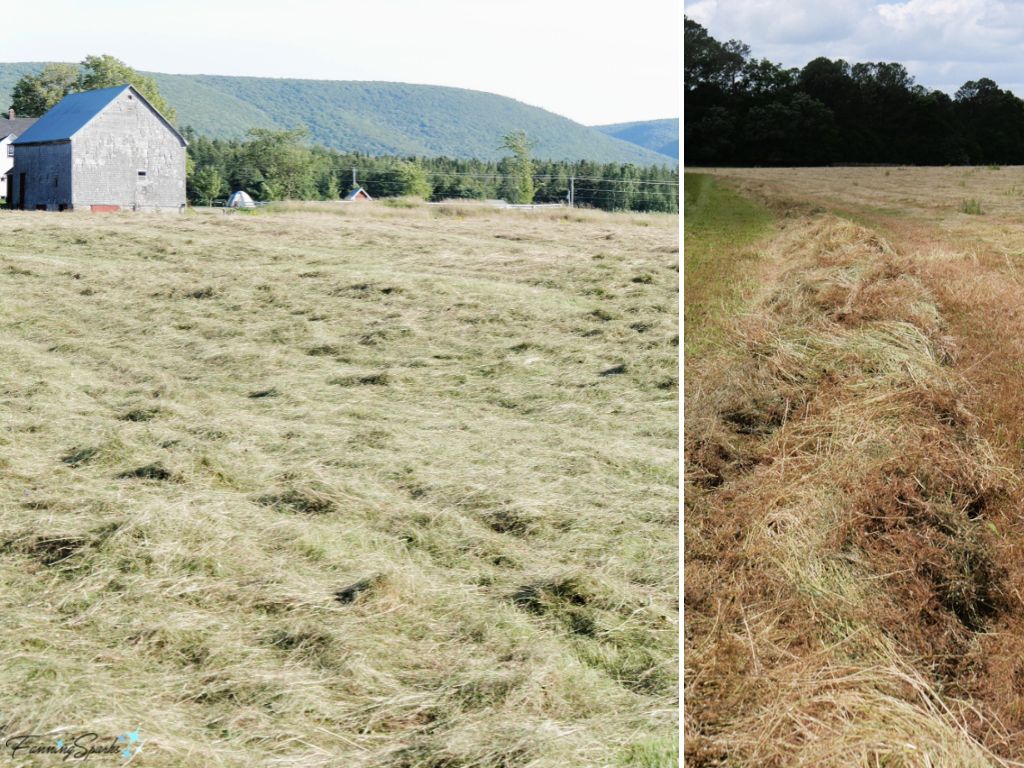
This is my Dad making hay with a tractor, square hay baler, bale thrower and custom-built hay wagon. Thanks to some stellar detective work on the part of my brother Paul, I can confidently say this photo was taken around 1980 (Thank you Paul!). This arrangement was a significant improvement on the more manual (and physically taxing) haymaking methods my father used in the early years of his farming career. See my previous blog post Make Hay While the Sun Shines for insight into those early days as well as a deep dive into haymaking in general.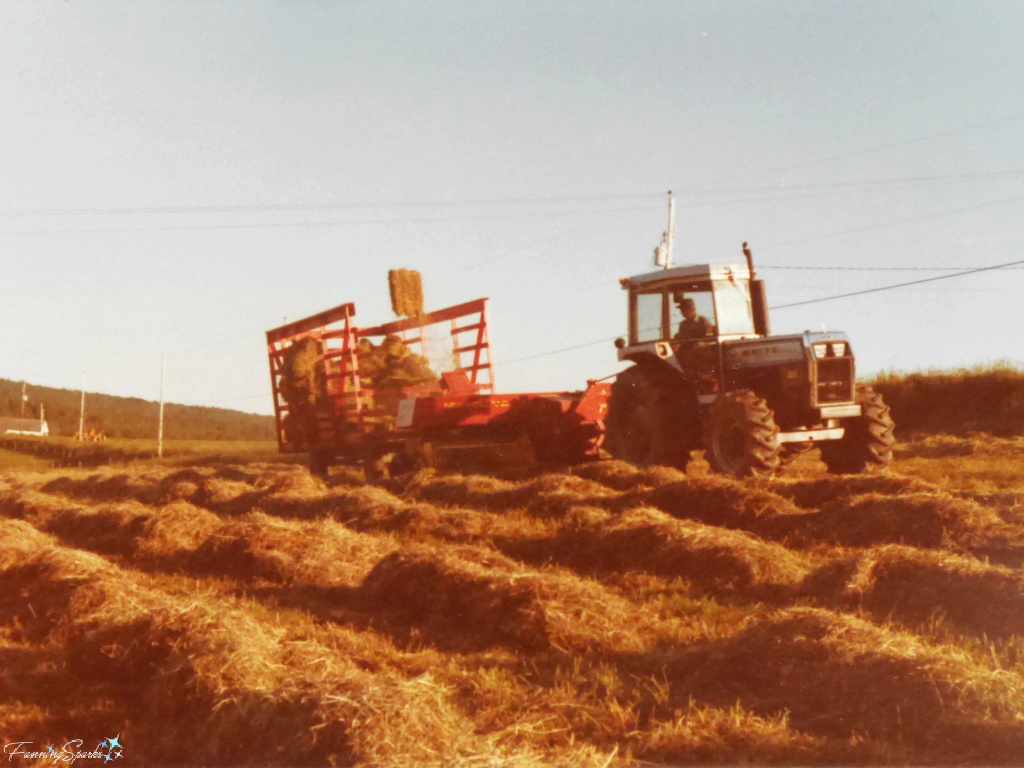
Decades later and on the other side of the world, the inimitable aroma of pandan (Pandanus amaryllifolius) made a similarly strong impression in me. The smell of pandan instantly takes me back to Fort Canning Park in Singapore where I lived for several months in 2007. The leaves of pandan are widely used for flavouring in various Southeastern Asia cuisines but it’s the fragrance of the plant itself that I remember.
Fort Canning Park was the perfect place for my daily walks. One of my favorite spots was the Spice Garden, which according to the park signage is “a small replica of the original tract [Sir Stamford] Raffles established in 1822 … as the first experimental and botanical garden in Singapore. … Planted mainly with nutmeg, clove and other economic plants, … [it] formed the foundation of Singapore’s spice plantations which dominated the island landscape” in the 1820s-1850s. Apparently, the Spice Garden has changed significantly since my time in Singapore but I’ll always remember it for the heady smell of pandan.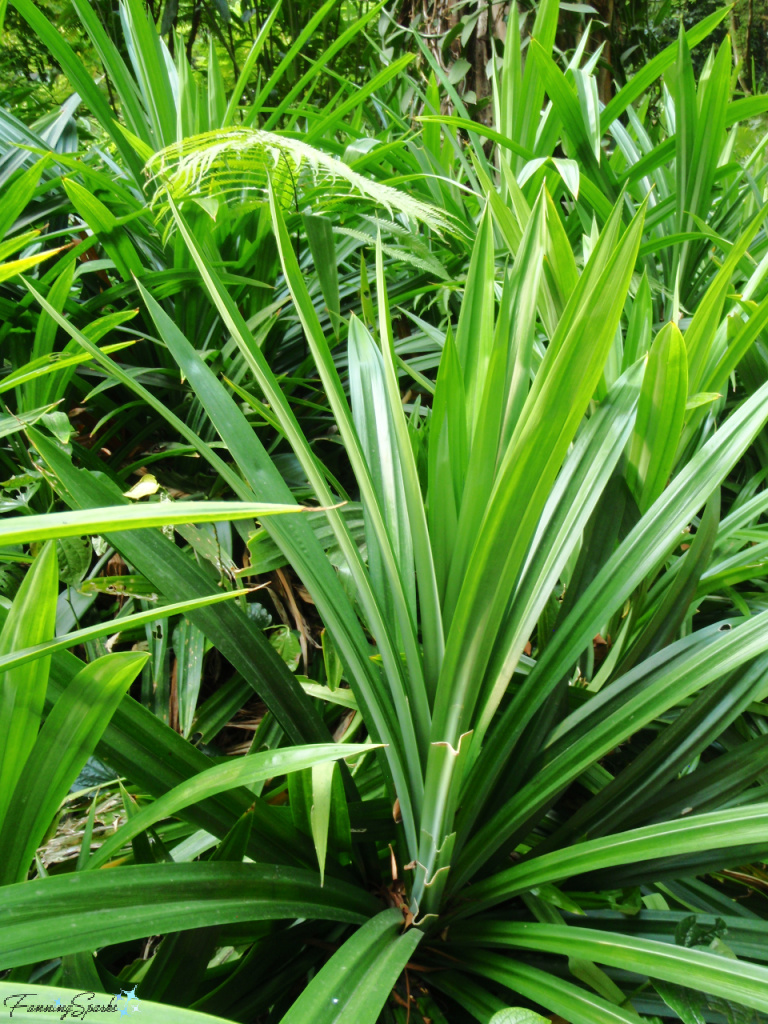
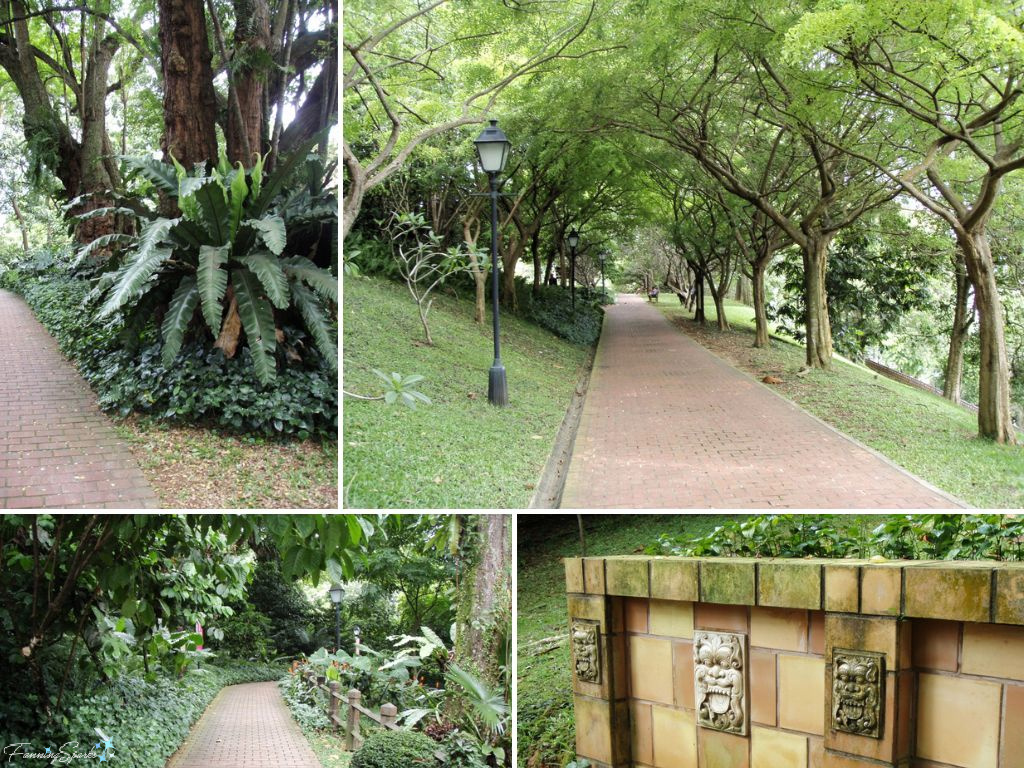
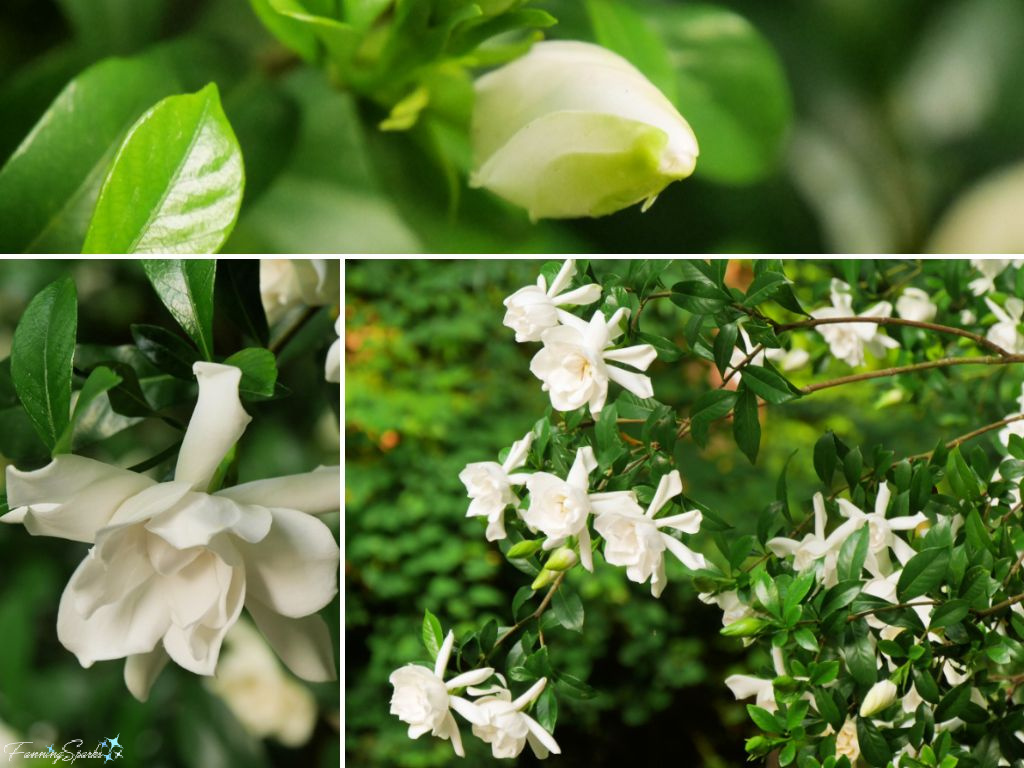
More recently, the floral abundance of the US Southeast is responsible for more than one personal smell trigger. Wisteria, jasmine, roses, magnolia and mimosa all smell incredible and trigger their own special memories. But, if I had to choose one, it would be gardenia. Gardenia shrubs lined the driveway at our Lake Oconee house in Georgia and they were jaw-droppingly beautiful when in bloom. The sweet floral scent of gardenia is an instant reminder of that place and time.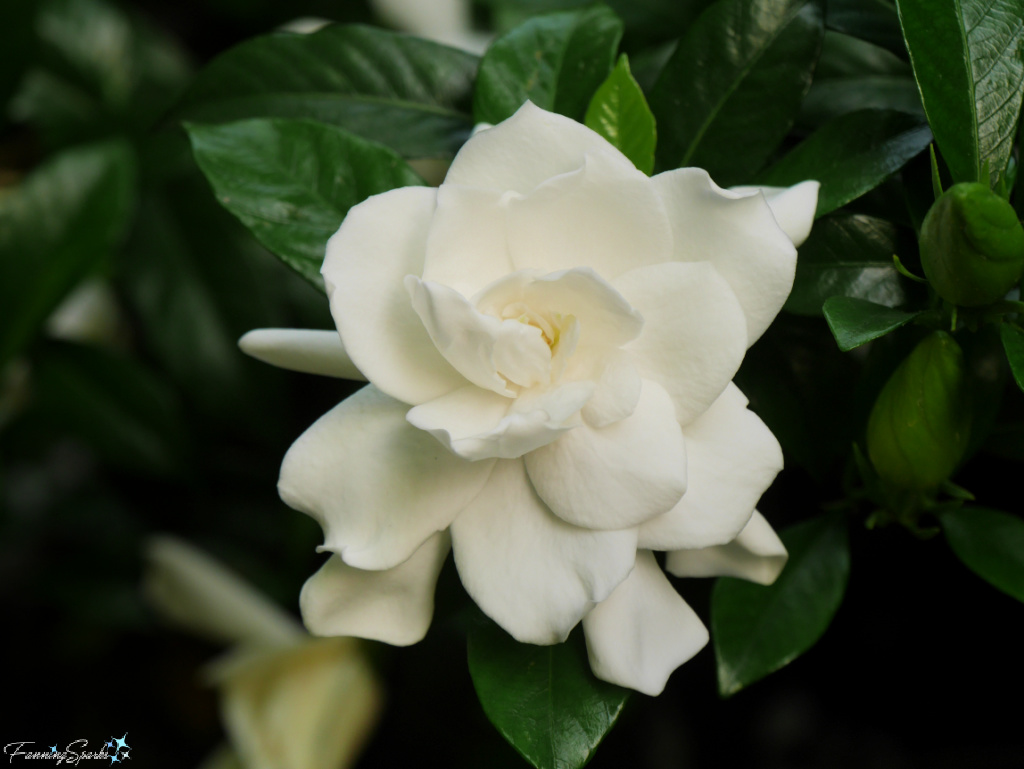
There’s another entire world of smells associated with food ― the smell of spices, the smell of fresh ingredients, the smell of cooked dishes, the smell of baked goods, the smell of barbequed fare, the smell of brewed drinks and so on.
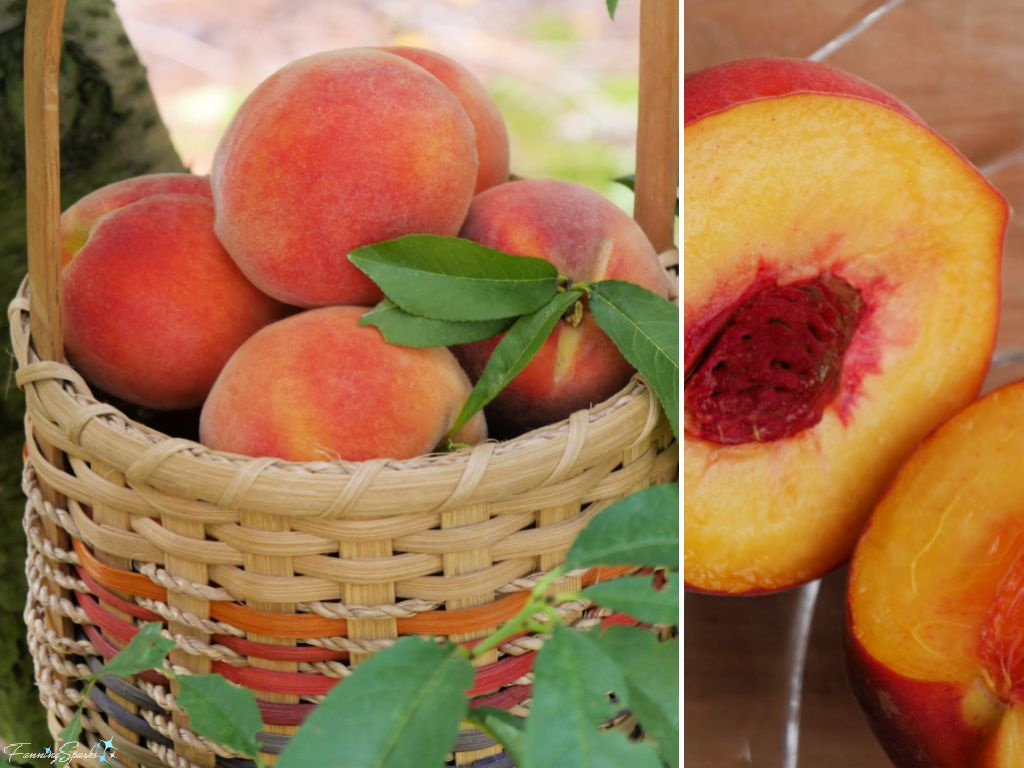
One very specific example is the smell of fresh peaches. Not only does this aroma make my mouth water for the delicious taste of a fresh peach, but it also triggers a specific memory of visiting a Georgia peach orchard. See A Peach of a Day for the full story.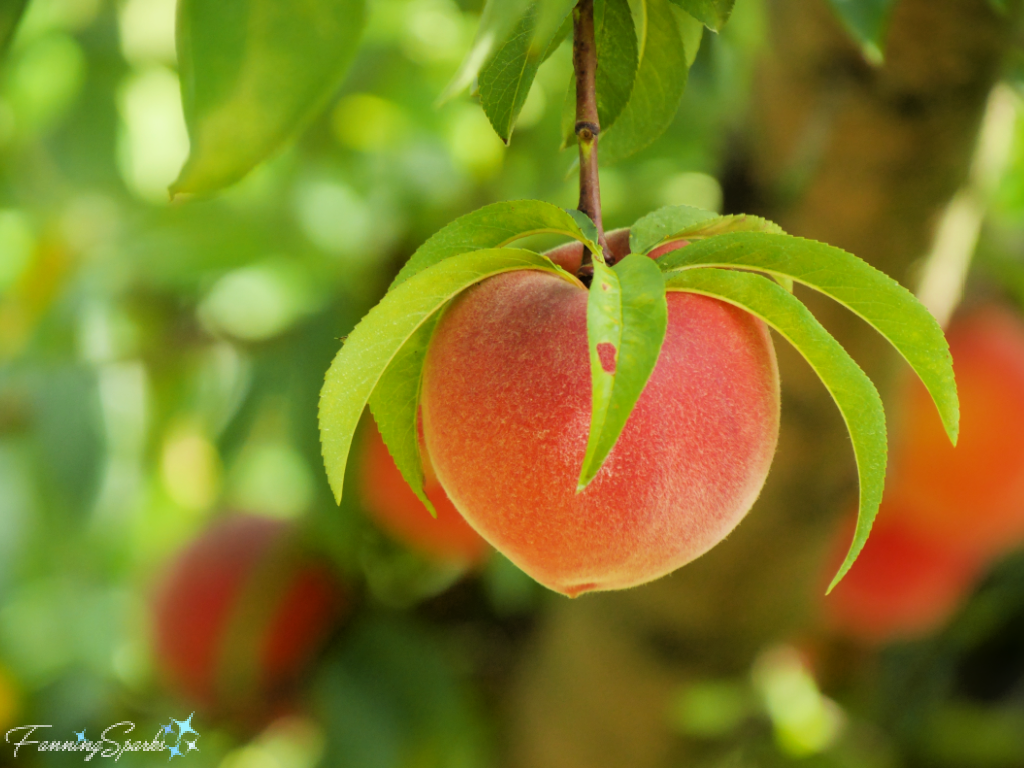
Writing about smells, fragrances and aromas, I’m discovering, is quite challenging. It’s surprisingly difficult to describe a scent. In fact, prior to a study conducted by Asifa Majid, Niclas Burenhult, et al. there was a “common belief that the experience of a smell is impossible to put into words”. The study titled, Odors Are Expressible in Language, As Long as You Speak the Right Language was published in 2014 in the International Journal of Cognitive Science.
It introduces the subject by quoting a renowned olfactory specialist named Hans Henning who observed that “there does not seem to be a vocabulary for odors in the same league as we find for color. Words like red, blue or green denote a particular range of hues, but nothing comparable exists for scents. … people typically employ a different kind of strategy when they describe smells – they say an object smells ‘like a banana’ or ‘like a rose’. That is, they identify the source that typically has that smell”.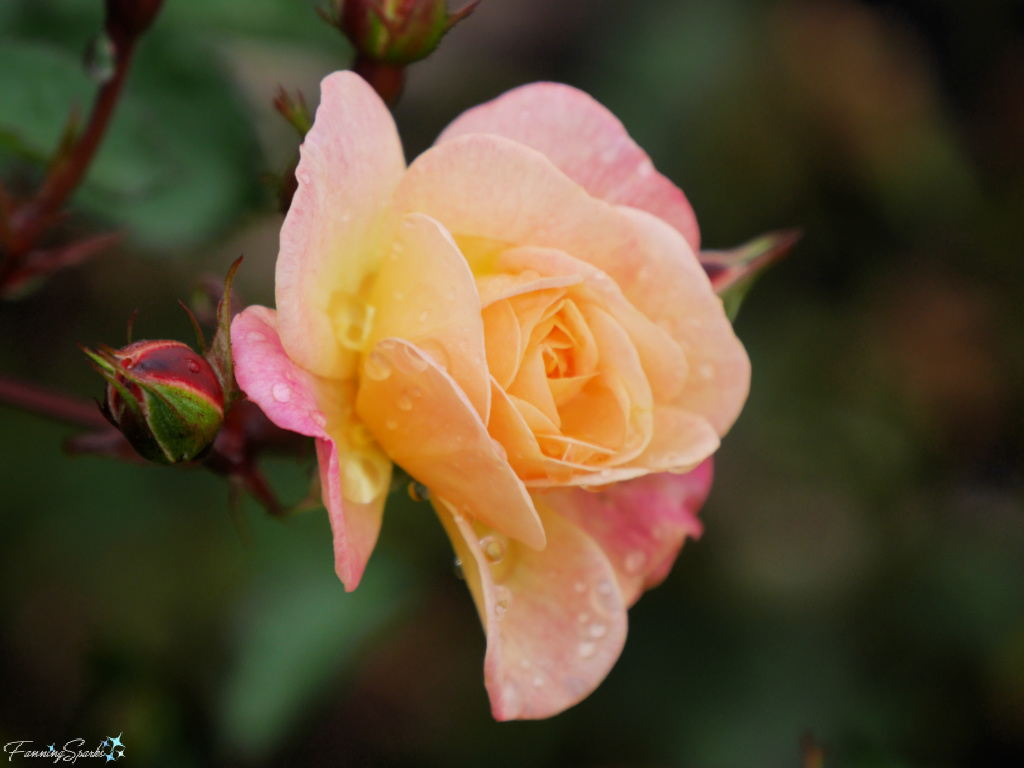
But what does a rose smell like ― in words? The master rosarians at David Austin Roses describe their “Old Rose” fragrance as follows.
“Rich, complex and incredibly beautiful, Old Rose fragrances are warm and full of depth. Whenever you smell a rose with this scent profile, you feel as though you keep smelling downwards through its many enveloping layers. Citrus peel and cucumber, dried fruits and berry jam, black pepper and carnation flowers, beeswax and patchouli, Old Rose is a profile that just keeps on going. Somehow, the scent feels ancient, as though it’s been around forever. This is the classic smell of course that made roses so desired for centuries and centuries, civilisation after civilisation.”
I have no idea if the roses pictured below had “old rose fragrance” but it’s not hard to imagine “smelling downwards through its many enveloping layers”.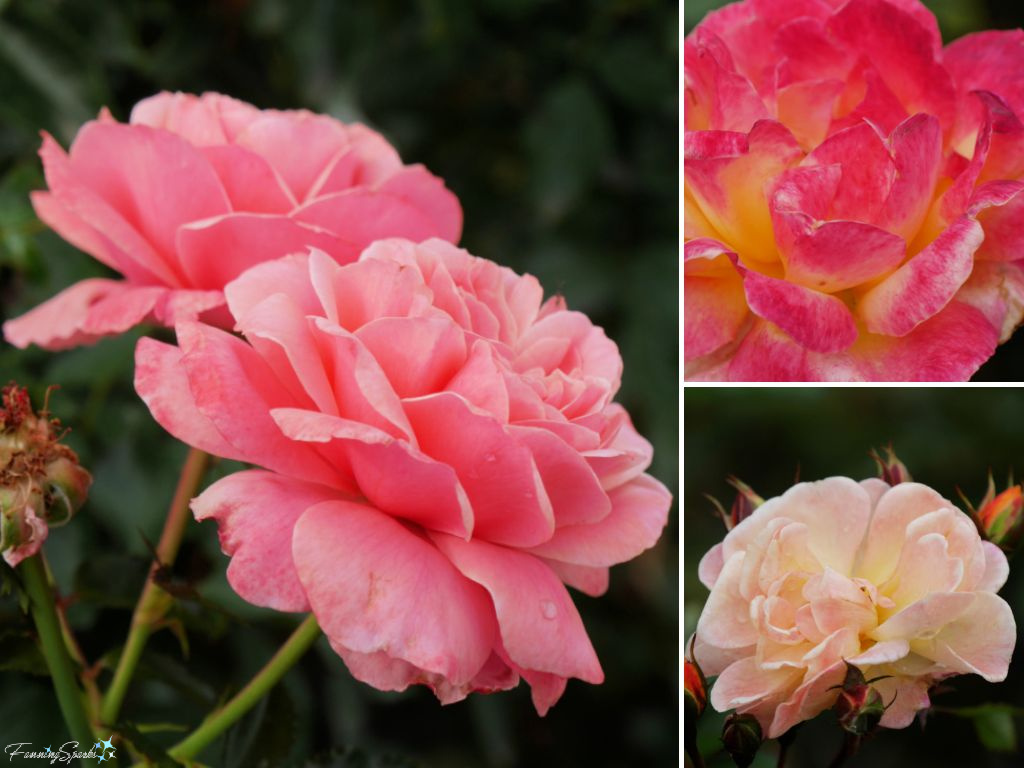
Returning to the description of the old rose fragrance, I count eight comparisons ― citrus peel, cucumber, dried fruits, berry jam, black pepper, carnation flowers, beeswax and patchouli ― and six descriptors ― rich, complex, beautiful, warm, depth and classic. Interestingly, none of the descriptors are specific to smell. It appears Hans Henning was onto something ― people do “employ a different kind of strategy when they describe smells … they identify the source [or combination of sources] that typically has that smell”.
Majid and Burenhult reviewed previous studies and found that “the majority of evidence for the poor codability of odors comes from a rather restricted source, that is, native speakers of English (and their brethren speaking related languages).” They wondered if “the inability to put words to smells, is really telling us something about all of humanity, or something specific about speakers of English”. They found that “the Jahai, a group of nomadic hunter-gatherers in the mountain rainforests along the border between Peninsular Malaysia and Thailand, have a lexicon of over a dozen verbs of olfaction that are used to describe a wide array of odors. These are ‘basic’ smell words … they are not source-descriptors, nor are they restricted to a narrow class of objects”.
This list, originating from the above study and available on Wikipedia, shows odor terms in Jahai.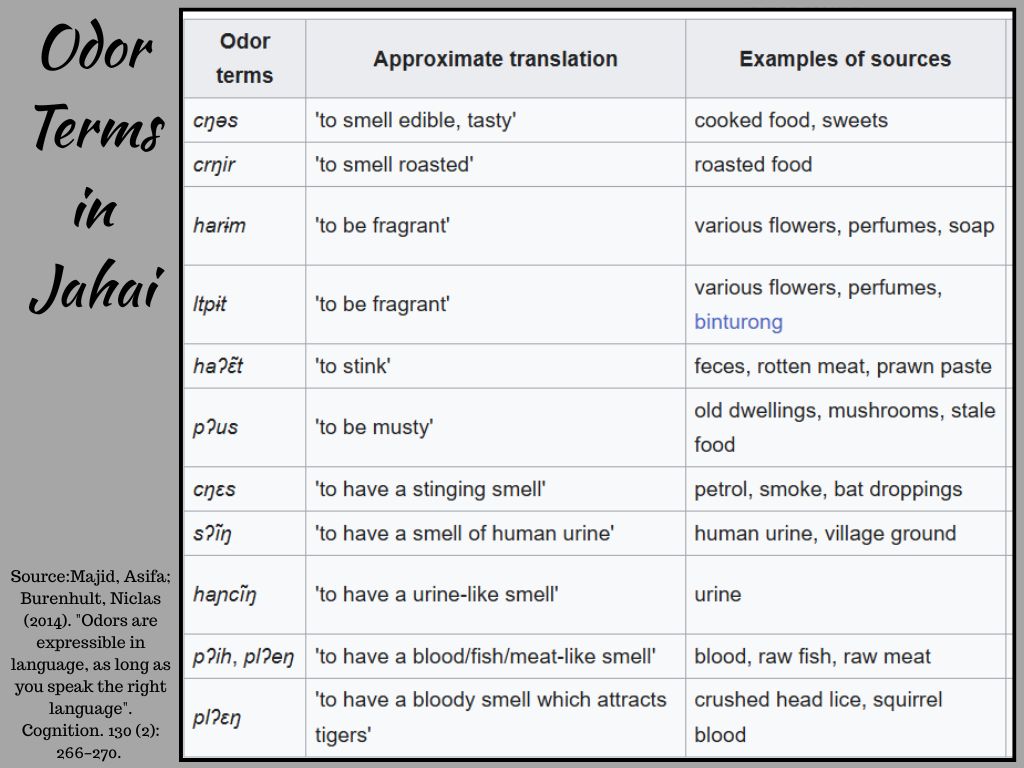
The researchers conducted tests to compare the ability of Jahai speakers and English speakers to describe smells. They found “Contrary to the widely-held belief that people universally struggle to describe odors, Jahai speakers name odors with ease. Whereas English speakers grappled to find words for odors, Jahai speakers could name odors with the same conciseness and level of agreement as colors.”
They concluded: “Our findings show that the long-held assumption that people are bad at naming smells is not universally true. Odors are expressible in language, as long as you speak the right language.”
It’s an interesting finding that undoubtedly applies to the general English-speaking population. But what about experts and specialists like perfumers, flavorists, fragrance chemists and olfactory scientists? Do they have their own language to describe scents?
A little online research reveals more than one specialized vocabulary is in use. Perfumers, fragrance specialists and others in the creative and commercial industry have their own terminology. The below Instagram post by Wild Veil Perfume, a natural perfume grower/perfumer, provides an example.
The post describes “some of the spring flowers at Wild Veil” and calls out characteristics of each. The caption for this specific lilac variety, Monge, reads “This one is strange and compelling—a darker, more textural lilac. Aroma: Plum skin, Wine-soaked petals, Damp green wood and Faint cocoa or shadowed sweetness. Ferment-adjacent depth. In enfleurage [a specialized process for extracting fragrance from flower petals] it acquires dusky fruit tones (plum, almost fig skin). Petal becomes thicker, less airy, while an earthy undertone can emerge. Feeling: Twilight lilac. Less about bloom, more about depth and interiority.”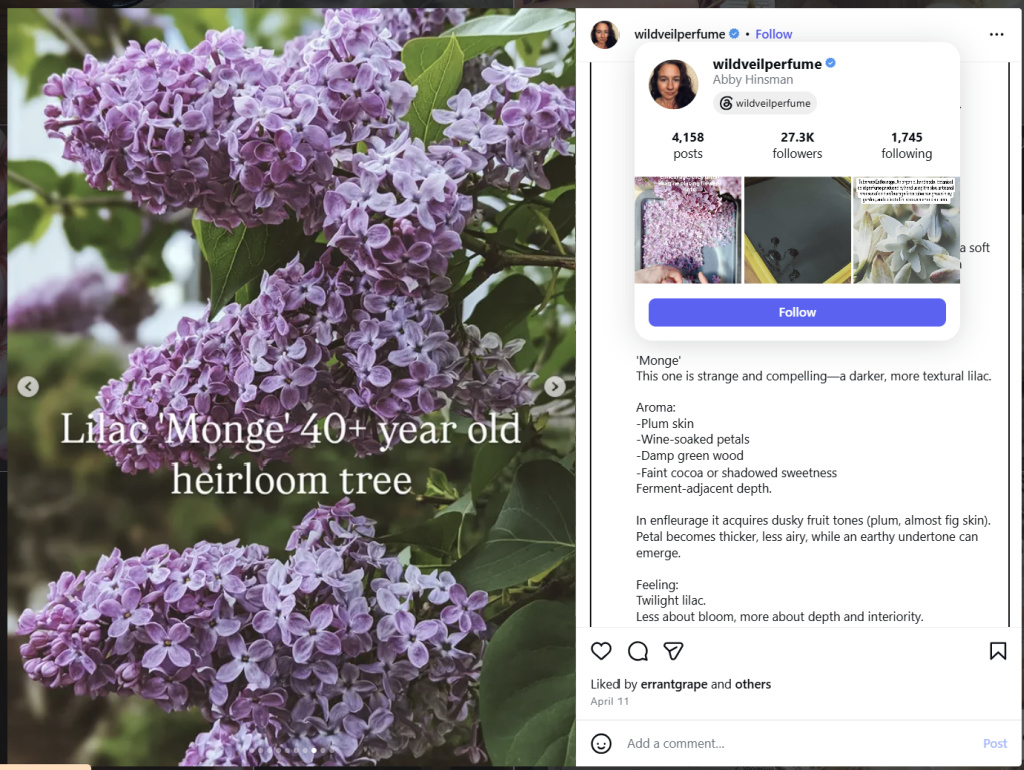
I’m reminded of a scene in the The Perfumist of Paris, the third novel in the Jaipur Trilogy (after The Henna Artist and The Secret Keeper of Jaipur), written by the internationally bestselling author Alka Joshi. The main character, Radha, describes her professional workspace at the master perfumer’s laboratory this way: “Each of our work areas resembles a church organ. In front of us are three tiers of scent vials in a semi-circle, almost 300 of them, leaving just enough space on the table for a tiny scale, a tray of pipettes, a jar of scent papers, each the width of a pencil, and a notebook on which to record our trials.
I’ve organized my perfume organ according to families of scents. First there are the powdery, narcotic florals – orange blossom, damask rose, lavender, lily of the valley. The next tier of bottles contains sweet, juicy fruit fragrances like lemon, bergamot, mango. There’s a cluster of rugged green bouquets – pine needles and rosemary among them. Then of course the enduring profound gourmand family of scents like chocolate, vanilla, and clove. The earthy woods take up the top row – vetiver, sandalwood, rosewood, cedar among them.”
Judging from the perfume organs I was able to find pictured on Instagram, Joshi’s description is pretty accurate.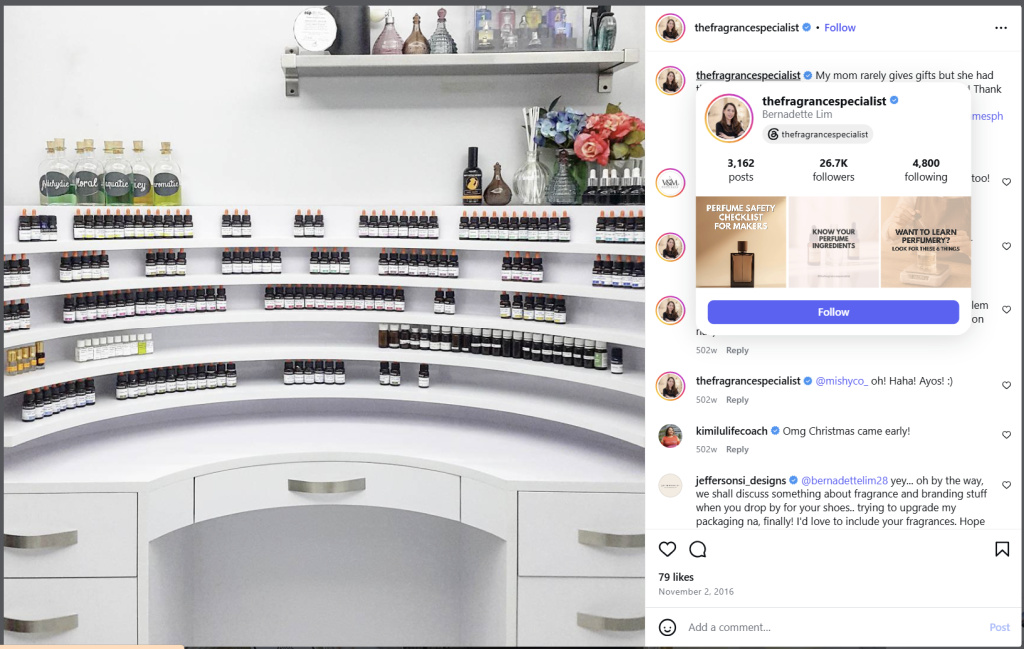
Another point of reference is Michael Edwards’ Fragrance Wheel. I first came across this device while researching my previous blog post The Essence of Incense. Edwards, a world-renowned perfume expert, groups fragrances into four major classifications ― Floral Notes, Ambery Notes, Woody Notes and Fresh Notes ― which are further broken down into fragrance families. The Fresh Notes classification, for instance, consists of four families ― Aromatic, Citrus, Water, Green and Fruity. “Each fragrance family”, he writes on his website, “will have a characteristic scent, a different personality”.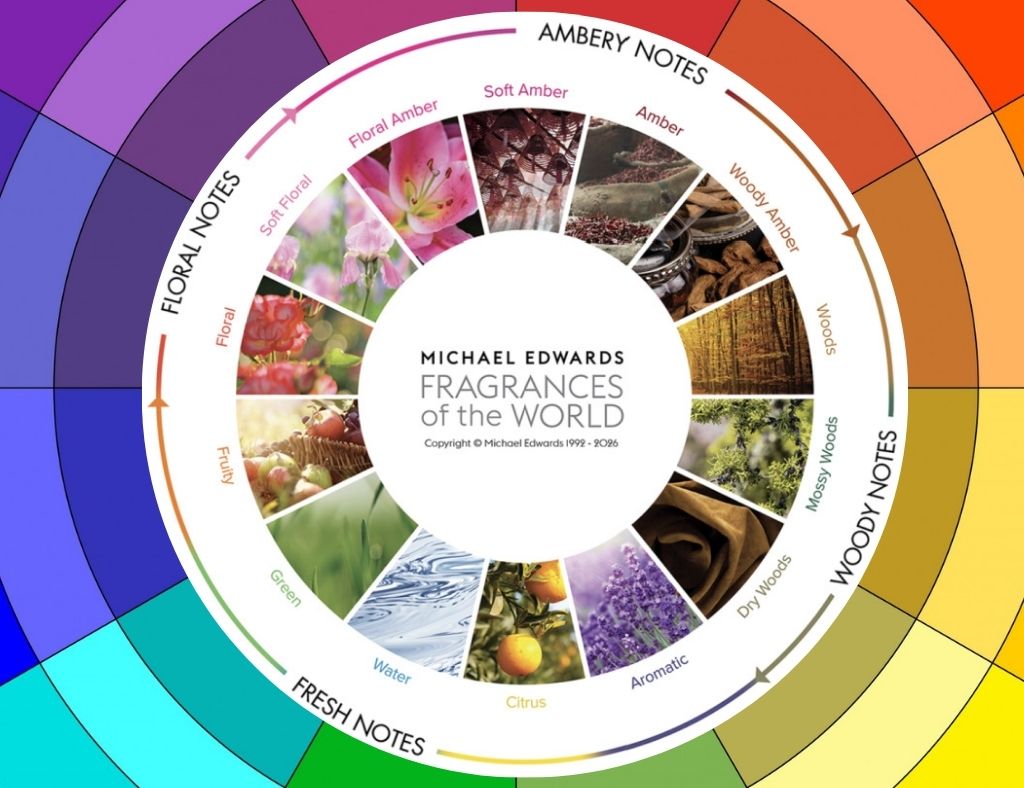
Edwards’ Fragrance Wheel depicts scent profiles according to their similarities and differences in the same way the traditional colour wheel organizes colours. Generally, fragrances, or colours, which sit beside each other on the wheel will blend harmoniously while fragrances, or colours, which sit across from each other will contrast. Fragrances, or colours, can be combined in an endless variety of ways.
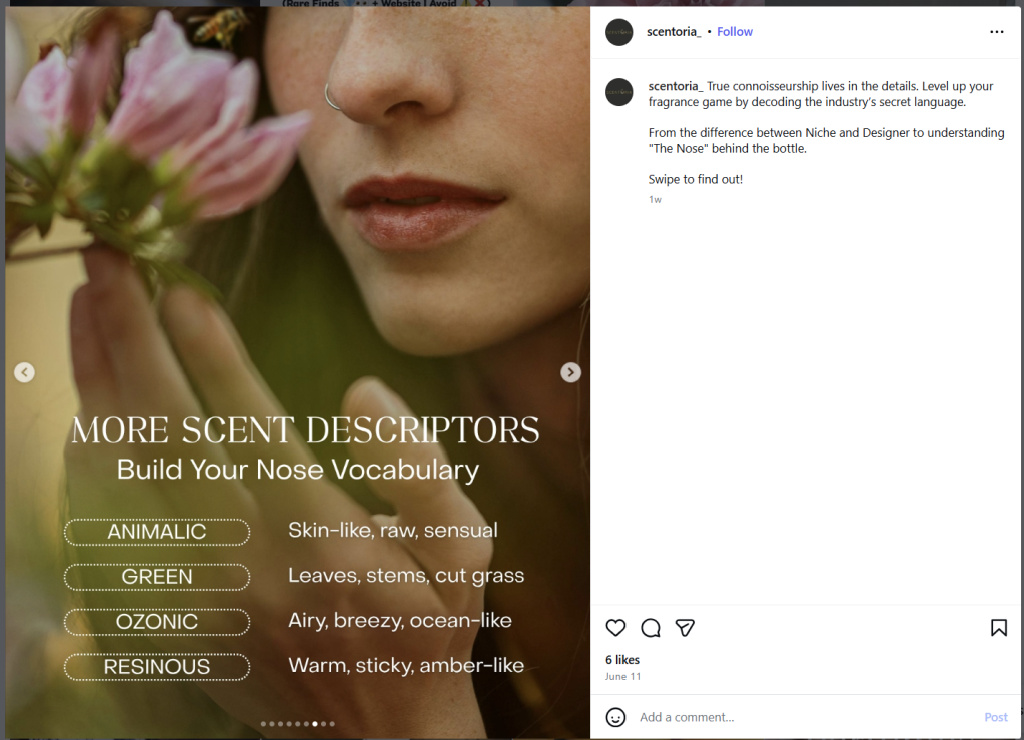
A recent article, The Language of Fragrance: Terms You Should Know if You Are a Fragrance Connoisseur, on the Scentoria website shares a helpful set of sensory vocabulary terms including “Powdery (soft and talc-like), Heady (intense and diffusive), Juicy (bright and mouth-watering), Smoky (dark and atmospheric), Animalic (skin-like raw and sensual), Green (leaves, stems, cut grass), Ozonic (airy, breezy, ocean-like) and Resinous (warm, sticky, amber-like)”. The associated images from Instagram are shown below.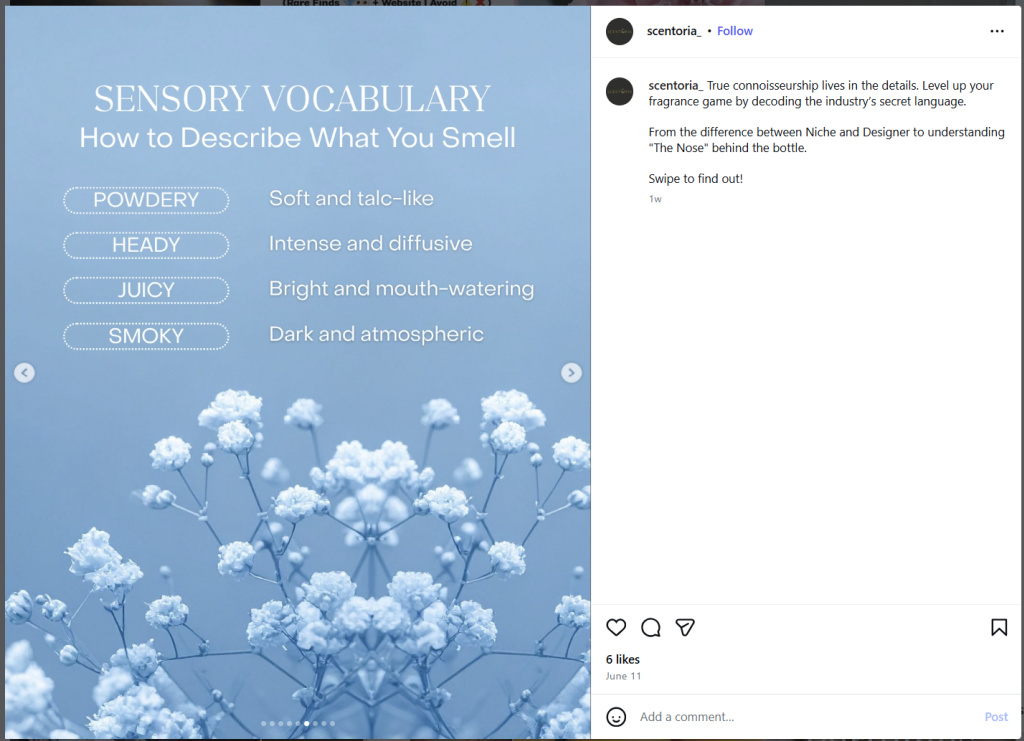
Predictably, fragrance chemists, olfactory scientists and others involved in the science and research of olfaction use a more structured, standardized scientific vocabulary. The Atlas of Odor Character Profiles, authored by Andrew Dravnieks and originally published in 1985 under the ASTM international standards organization, is often mentioned in this context.
Dravnieks lists 146 standard terms including a mix of smell words and source descriptors. Some of the smell words included are Burnt, Chemical, Fragrant, Grainy, Heavy, Malty, Meaty, Medicinal, Oily, Putrid, Sharp, Sickening, Spicy, Stale, Sulfidic and Sweaty. The source descriptors include specific items such as Banana, Cardboard, Coffee, Dill, Fried Chicken, Geranium Leaves, Hay, Kerosene, Maple Syrup, Mouse, Nail Polish Remover, Raw Cucumber, Rope, Sour Milk, Strawberry, Turpentine and Urine.
Dravnieks’ descriptors were leveraged by a fascinating research project known as Odeuropa. The project, funded under the European Union’s Horizon 2020 program, addressed the topics of sensory mining and olfactory heritage. Their goal was “to show that critically engaging our sense of smell and our scent heritage is an important and a viable means for connecting and promoting Europe’s tangible and intangible cultural heritage.” The idea was to treat smell as an essential piece of history and use data science to uncover lost aromas.
To achieve this goal, the researchers undertook a number of fascinating projects such as building and populating the Odeuropa Smell Explorer search engine. The team applied state-of-the-art AI techniques to extract all references to smell “from circa 43,000 images and 167,000 historical texts in six languages (English, Italian, French, Dutch, German and Slovene) from a large variety of European public domain sources”. As a result, it’s now possible to easily “navigate over 300 years of European smell history, to discover the smells of the past, and understand how they shaped European history”. This is a screenshot of the Odeuropa Smell Explorer.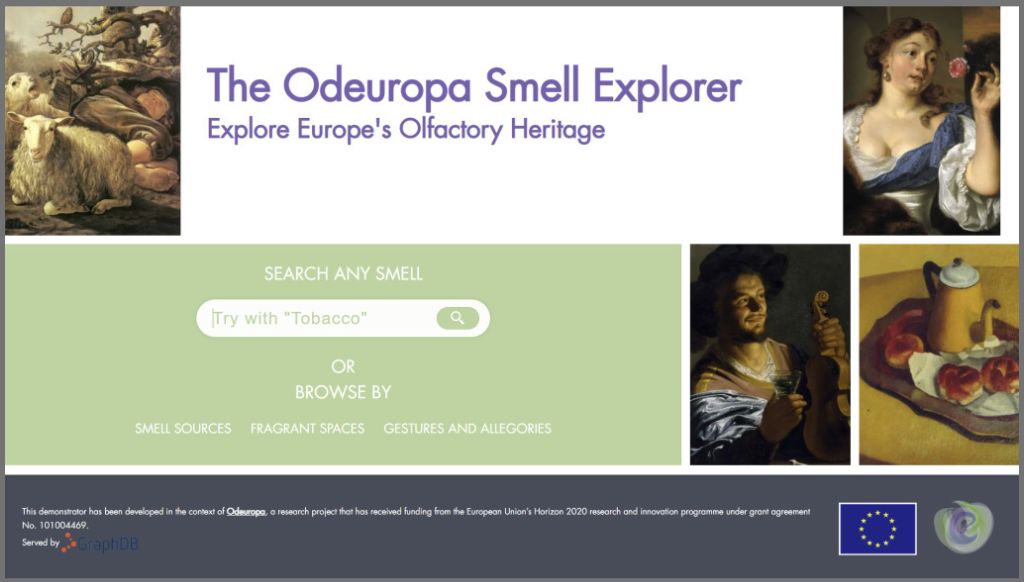
One of the interesting ways in which this information can be used is for olfactory storytelling. The idea is to incorporate the sense of smell into the visitor experience at museums and heritage institutions. The City Sniffers urban walking tour of Amsterdam, sponsored by the Odeuropa team, is a great example. Participants downloaded an app and picked up a specially designed “Rub and Sniff” map at the Amsterdam Museum.
“When exploring a city and its history, we often rely on our eyes to see the sights and our ears to hear the sounds” read the welcome message. “But have you ever thought about how much you rely on your sense of smell to explore a place? Our sense of smell, deeply connected to our memory and emotions, can affect the way we perceive our past and present and can therefore be an important tool for discovering our surroundings and learning about our environment.
The stories that you will read at each stop of this tour come to life through a specially selected number of scents that you can find on your ‘Rub and Sniff’ map. With that, you are able to build a coherent story of the sensory history of Amsterdam”.
One of the stops ― I assume it was 4. Bushuis ― included a custom scent the Odeuropa team produced with their collaborative partners.
As explained by Odeuropa team member and author William Tullett in his book Smell and the Past: Noses, Archives, Narratives, the custom aroma “was a sixteenth-century pomander, created to accompany a 1516 portrait of Eitel Besserer, an Ulm Councillor, by the artist Martin Schaffner” (shown in insert below). “The image represents Besserer … holding a wooden rosary attached to a silver filigree pomander. The portrait was a nice reminder that the pomander fulfilled multiple functions: meditative aid, luxury item and prophylactic against plague.”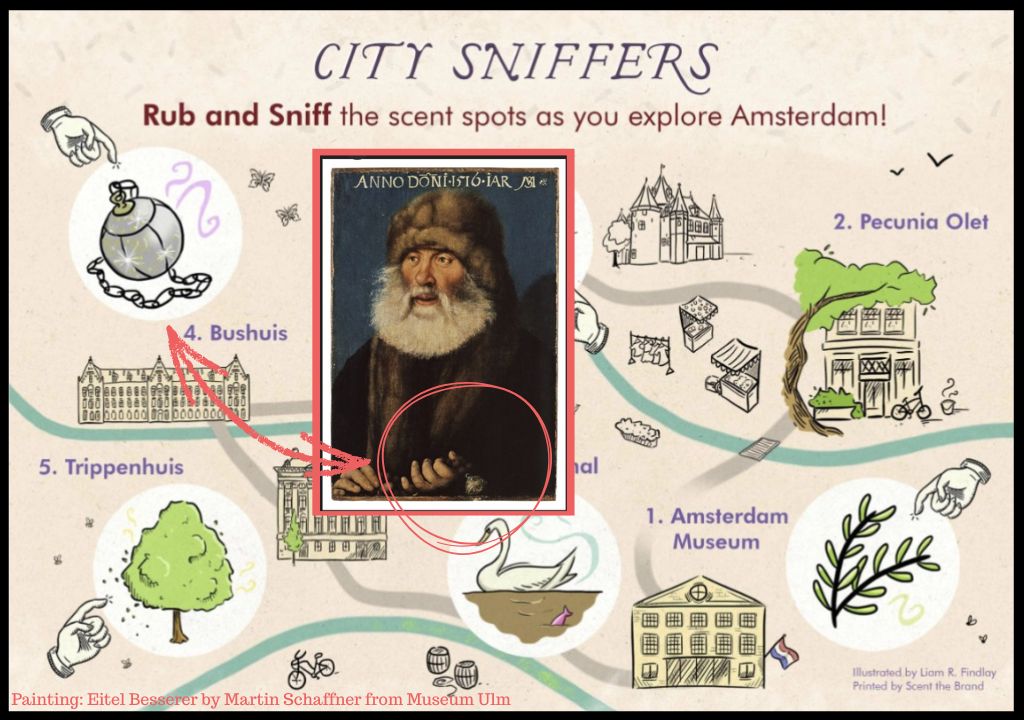
What a great concept! It seems to me, incorporating authentic scents into a historical tour would significantly enrich the overall experience. This is definitely something I’ll be watching for in my future travels.
More Info
Previous blog posts mentioned in this blog post include:
. Strong as an Ox
. Make Hay While the Sun Shines
. A Peach of a Day
. The Essence of Incense
The following books, articles and websites were consulted in the writing of this blog post:
. Incense: Rituals, Mystery, Lore book by Gina Hyams which is available here on Internet Archives
. Odors Are Expressible in Language, As Long as You Speak the Right Language study by Asifa Majid, Niclas Burenhult, et al.; Published 2014 in the International Journal of Cognitive Science
. Abby Hinsman of Wild Veil Perfume ― see more on their website or Instagram
. Fragrance Notes article on David Austin Roses website
. The Perfumist of Paris novel by Alka Joshi
. Bernadette Lim of The Fragrance Specialist on Instagram
. Fragrances of the World website by Michael Edwards
. Scentoria ― see more on their website or Instagram
. Atlas of Odor Character Profiles book by Andrew Dravnieks
. Smell and the Past: Noses, Archives, Narratives book by William Tullett which is available here on Internet Archives
. Various Wikipedia entries.
The Odeuropa project, funded under the European Union’s Horizon 2020 program, addressed the topics of sensory mining and olfactory heritage. See the Odeuropa website for more information.
Today’s Takeaways
1. “A single whiff of a long-forgotten fragrance can instantly provoke a cascade of memories, transporting us back through time to a precise moment and place” Gina Hyams
2. “The long-held assumption that people are bad at naming smells is not universally true. Odors are expressible in language, as long as you speak the right language.” Asifa Majid, Niclas Burenhult, et al.
3. Smell history, scent heritage and olfactory storytelling are emerging disciplines worth watching.


Comments are closed.