
Early last year I had the amazing good fortune to go on an African safari. It was spectacular! The lodging, the people, the location, the thrill… all of it was outstanding. But it was the wildlife that made it unforgettable. With nothing but air between you and the animals, you are able to observe, study and admire these beautiful wild animals at length. It’s only fair to warn you, though, that one safari is never quite enough… you’ll yearn to see and experience more and more.

While I made a conscious effort to observe carefully before looking through the viewfinder, I did take a lot of photos. Some of my favorites are of the elephants which I’d like to share with you today.  Below is one of the first elephants we sighted.  We observed it gently walking down the track before it stopped to eat.

Elephant stops on the track @FanningSparks

Elephant eating grass and shrubs @FanningSparks

I’m certainly not the first person to have fallen for these majestic, lovable creatures. In preparation for my trip to South Africa, I discovered Brian Connell’s Tales from the African Bush series. His first book, Msomi and Me, shares his story of building an African safari lodge. It was the perfect pre-read for my safari!  But his second book, Elephants are People Too, is most relevant to today’s post. He opens the book by declaring elephants to be the most amazing animals on the planet.  Then he goes on to share his fascinating experiences in the African bush, many of which involve elephants.

As I narrowed down the photos to include in this post, I became curious about some of the elephant behaviors I’d captured.  For instance, why is this young elephant holding its trunk like that?  This led me to a wonderful resource called the ElephantVoices Gestures Database. It refers to this gesture as “sniffing towards” whereby the elephant “is using its trunk to sniff towards an individual, object or scent of interest”. I guess that object of interest was us!

Young elephant sniffs toward us @FanningSparks

Shortly after we sighted the little one, Mama Elephant came along and sheparded it to safety.

Mama elephant shepards the young one back to safety @FanningSparks

In the below photo, which is one of my all-time favorites, Mama and little one leave us behind (pun intended :-)).

Mama and little one walk away @FanningSparks

We were fortunate to witness two young male elephants sparring.  According to the Elephant Gestures database, “elephants, especially young males, test one another’s strength by placing their trunks on one another’s heads and pushing their opponent down and back. Sparring can range from gentle and sensuous pushing, trunk-twining … in a playful or greeting context, to more boisterous shoving, to very rough and aggressive pushing, tusking and even ramming.”  The below series of photos illustrate several of these gestures.

Young elephants face off for sparring @FanningSparks

Young male elephant thunders into the water @FanningSparks

In the below photo, you can see the male elephant has spread it ears.  According to the Elephant Gestures database, elephants “face an opponent or predator head on with ears fully spread (at 90 degrees from body) presumably for the purpose of appearing larger. Elephants may also spread their ears when they are excited, surprised or alarmed.”


Young male elephants in "ear-spreading" gesture @FanningSparks

Young male elephants sparring in the water @FanningSparks

Young male elephants sparring in the water @FanningSparks

I hope you’ve enjoyed this glimpse of these amazing animals.  Observing them going about their daily routines in their natural setting leaves a lasting impression.  It’s little wonder, people want to keep that memory alive with elephant-themed items in their every day lives.  That is certainly true for me.

Below are some of the elephants that has infiltrated my home.  These items were actually purchased in Thailand after I saw my first elephants but they have become even more meaningful after seeing these majestic, lovable animals in South Africa.
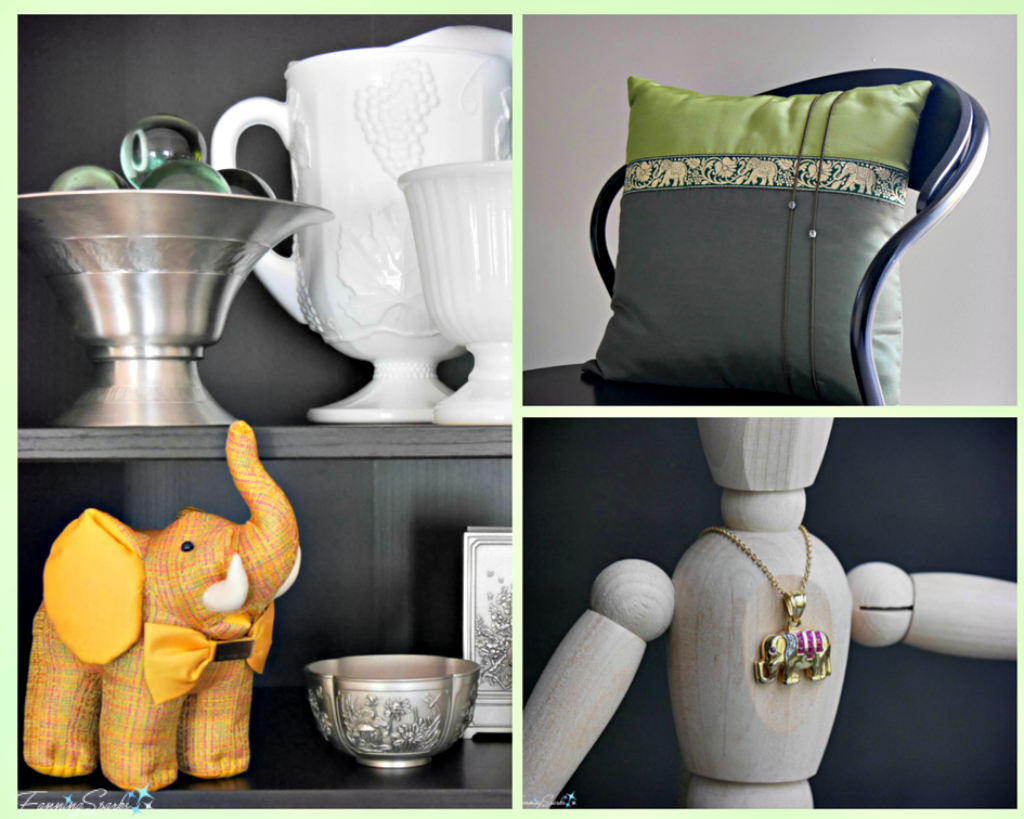
Elephant-themed items in my home include stuffed silk elephant, a silk pillow with gold elephant trim and a gold and ruby elephant pendant. @FanningSparks

More Info

These photos were taken within the Timbavati Private Nature Reserve in South Africa.  Game drives were conducted by Kambuku Lodges where we stayed.

The ElephantVoices Gestures Database, more accurately the “Poole, J.H. and Granli, P.K. 2009.  Elephant Gestures Database”, is a wealth of information and loaded with fun facts.

Sept 2018 Update: See the post, Patterns by Mother Nature, for additional photos from this African safari.

Today’s Takeaways

1. If you ever have a chance to go on an African safari, do it!
2. You can enrich your travel experience by reading about your destination before you visit. Guide books and travel sites are great but fact-based storytelling provides deeper understanding.
3. Animals that strike a chord with you become part of your story. Think about how you may want to tell that story with carefully placed items in your home.

Peg - FanningSparks Author

I’m crazy for Art Nouveau!  I admit it’s not at all rational.  After all, it’s not as if I’m going to decorate my home in the Art Nouveau style nor am I likely to ever own an authentic Art Nouveau piece.  But, in my opinion, Art Nouveau is a feast for the eyes to be sought out and savored whenever and wherever possible.

First a little background.  Art Nouveau is a style that had its heyday from about 1890 and 1914.  No one person or event can be credited with the Art Nouveau movement but, most sources seem to agree, British men like John Ruskin and William Morris were instrumental in starting the movement.  These men are reported to have called for a return to handcraftsmanship because of their dissatisfaction with the “progress” of industrialization and the proliferation of shabby, mass-produced wares.

From these original insights, the Art Nouveau movement spread across Europe and the world.  Interestingly, the Art Nouveau movement/style became known under several different names: Modern Style in Britain, Jugendstil in Germany, Modernista movement in Catalonia, Secession in Austria, La Stile Liberty in Italy, and more.  I love that this art style, driven by a desire to return to quality and original handcraftsmanship, caught on so quickly and so broadly.

Another thing to love about Art Nouveau is the range of applied and fine arts it touched.  Master craftsmen created Art Nouveau masterpieces in a variety of forms including furniture, textiles, glass, ceramics, jewelry, silver, metalware, sculpture, painting, posters and graphic art.  On a grander scale, Art Nouveau influenced architecture and all aspects of interior design.

The Art Nouveau style is recognizable across this broad range of disciplines because the subject matter and style are consistent.  Flora, fauna and female themes are incorporated into sweeping curves and flowing lines.  I love Art Nouveau because it is grounded in nature and executed with care and imagination.  Let’s look at some beautiful examples that I’ve had the pleasure to observe in person.

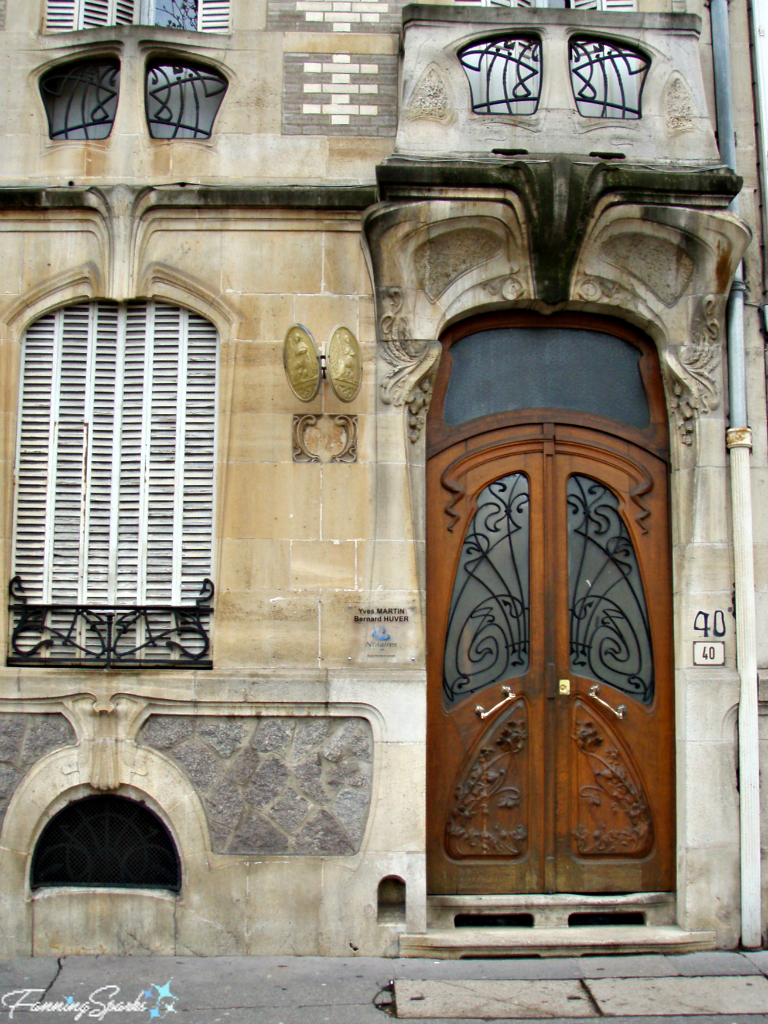
These first 4 photos were taken in Nancy France where you can find a treasure trove of art nouveau.  The below facade is at 40 cours Léopold which is known as the Kempf building.  It was designed by the architects Félicien and Fernaand César in 1903.

Art Nouveau facade at 40 cours Léopold in Nancy France @FanningSparks

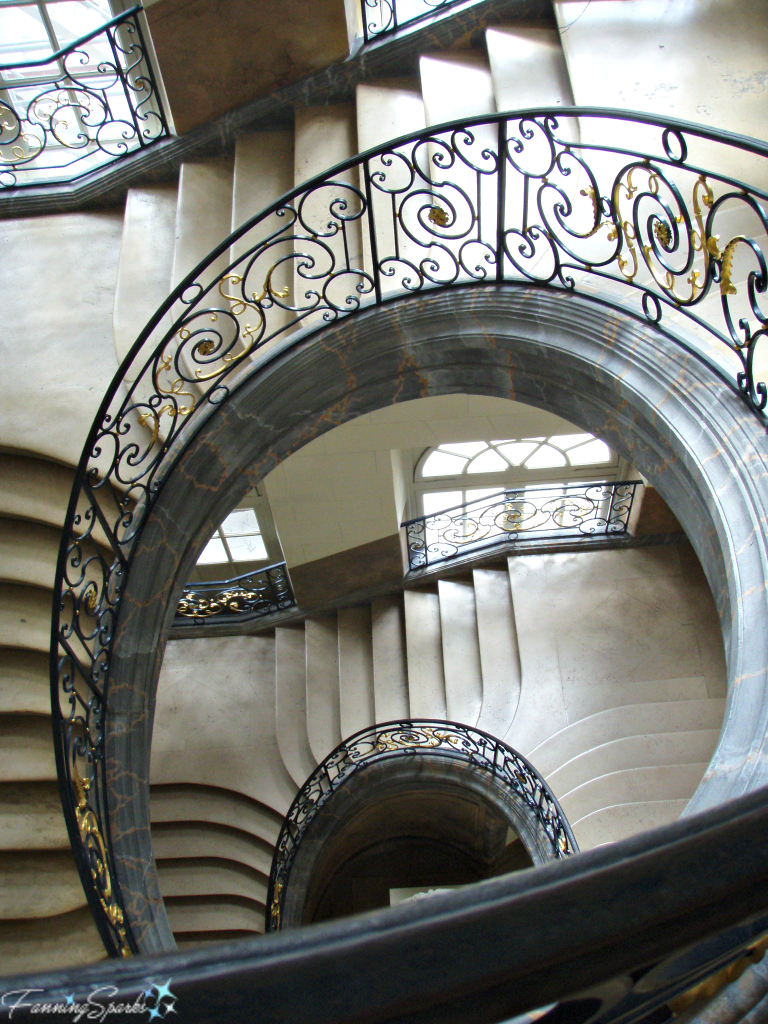
Sunlight plays off this gorgeous wrought iron staircase.

Art Nouveau wrought iron staircase in Nancy France @FanningSparks

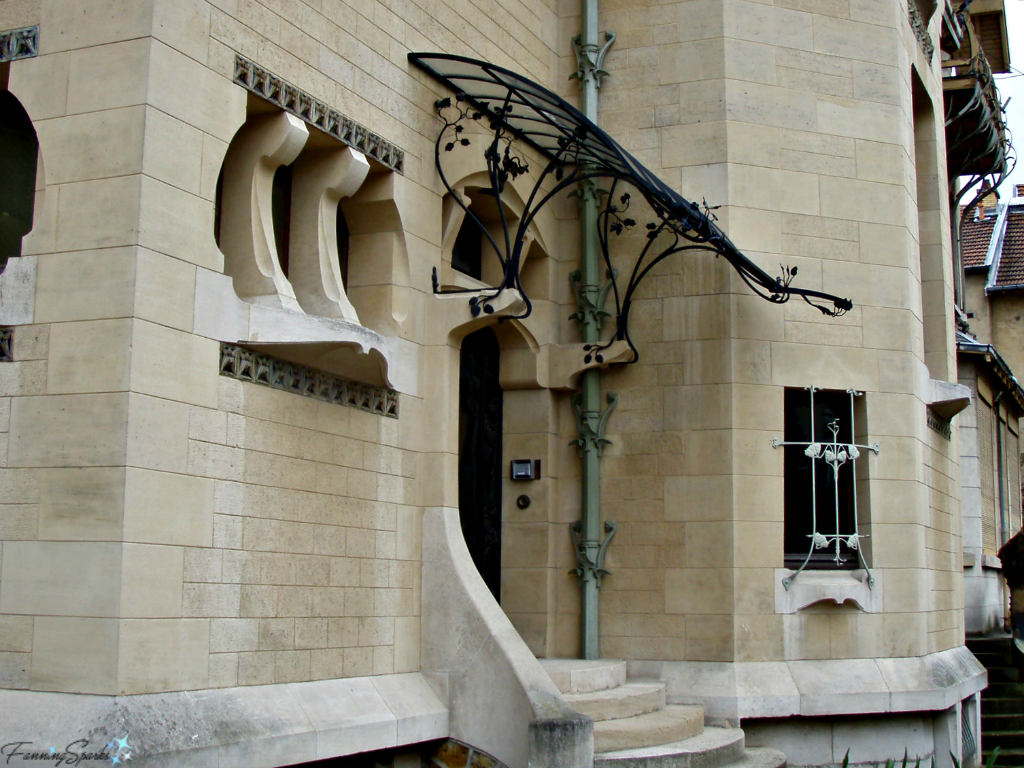
The below amazing portico is featured on the Villa Majorelle.  Notice even the rain downspouts are beautiful!

Art Nouveau portico at Villa Majorelle in Nancy France @FanningSparks

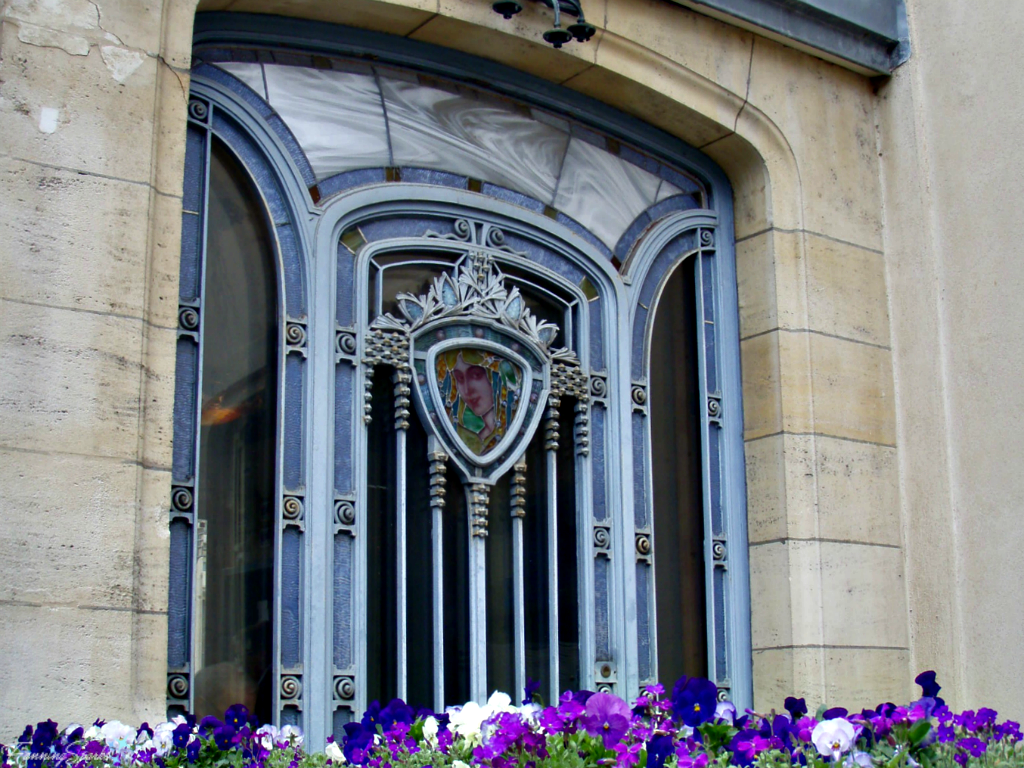
The Musée de l’École de Nancy is home to one of the finest collections of Art Nouveau in the world. I believe the below stained glass is by Jacques Gruber.

Art Nouveau stained glass at Musée de l’École de Nancy in France @FanningSparks

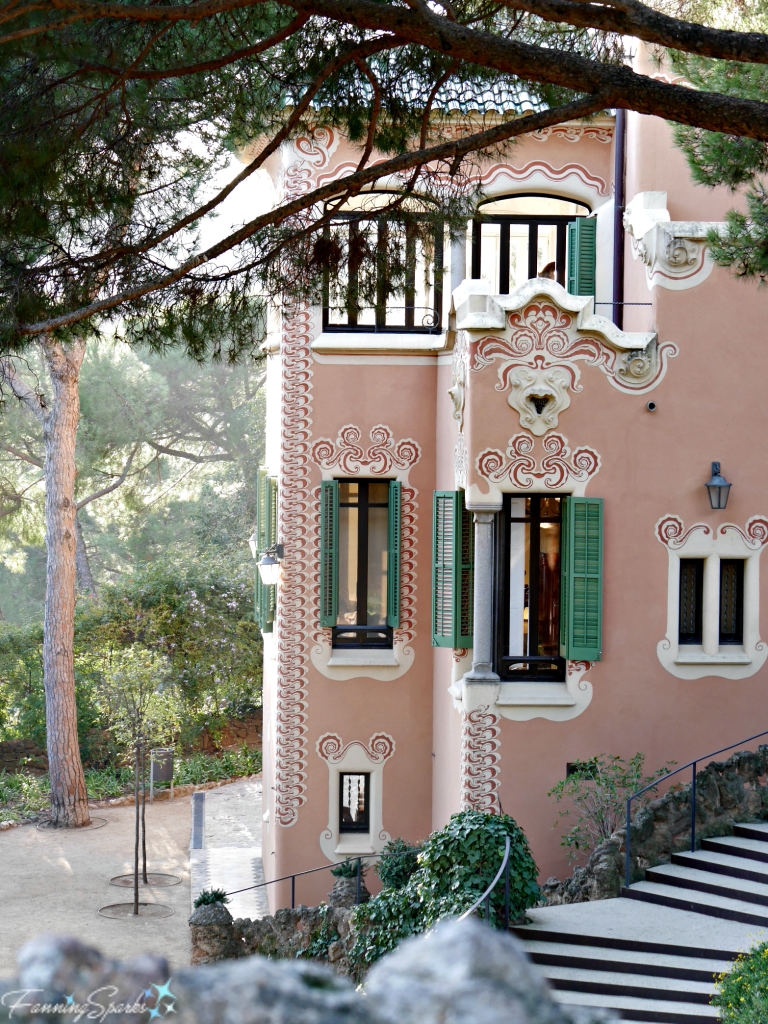
Barcelona Spain also has an abundance of treasures from the Modernista movement.  Below is the Gaudi House-Museum at Park Guell.

Modernista movement (Art Nouveau) Gaudi House-Museum at Park Guell in Barcelona Spain @FanningSparks

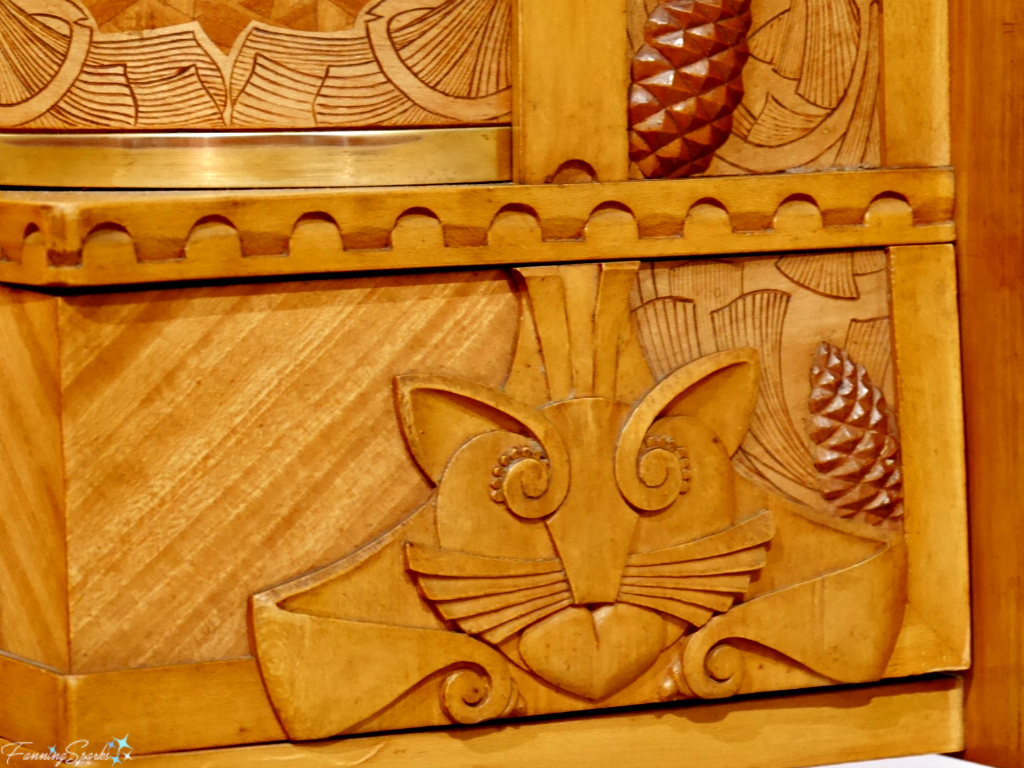
The Museu del Modernisme in Barcelona has an outstanding collection of furniture from the Modernista movement. I spotted the below wood carving on a writing desk made by Joan Busquests i Jané in 1907.

Modernisme movement (Art Nouveau) writing desk made by Joan Busquests i Jané seen at Museu del Modernisme in Barcelona Spain @FanningSparks

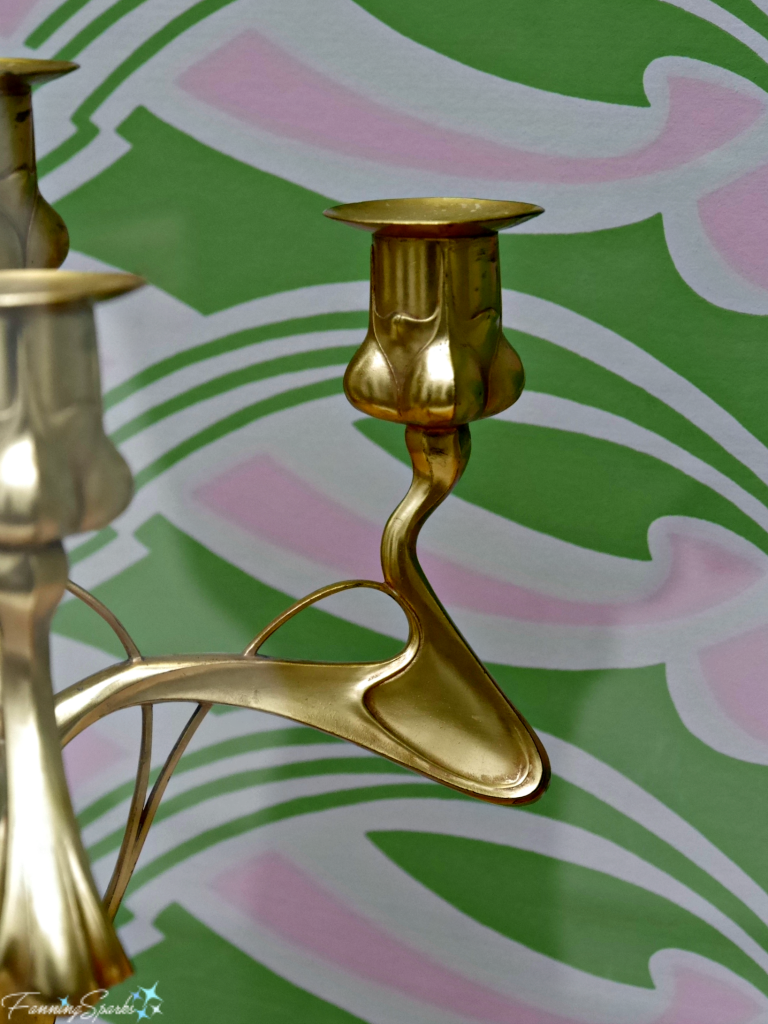
Moving on to Berlin Germany.  The Bröhan-museum is packed with Jugendstil beauty.  The below candelabra was designed by Orivit AG around 1900-1903.  It is cast in pewter with brass finish.

Jugendstil (Art Nouveau) candelabra designed by Orivit AG seen at Bröhan-museum Berlin Germany @FanningSparks

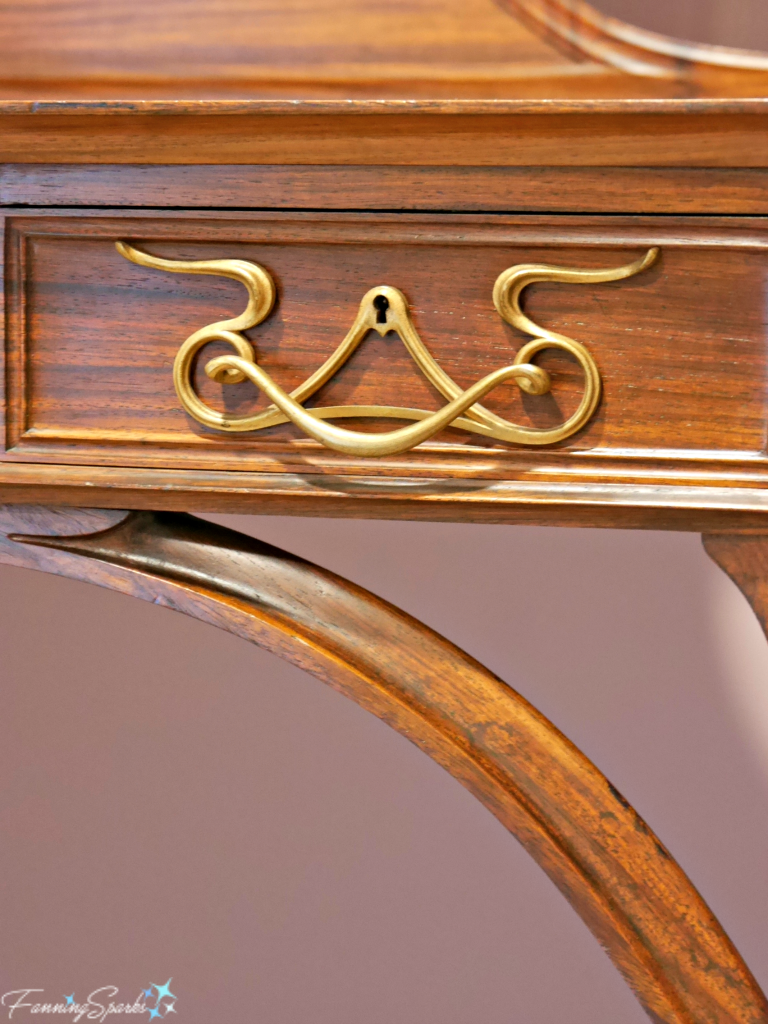
The below drawer, part of a dressing table, is the work of architect Charles Plumet and furniture manufacturer Tony Selmersheim. It was created in Paris in 1896-97 and then presented in Berlin by the Hohenzollern Kunstgewerbehaus.

Jugendstil (Art Nouveau) dressing table drawer by furniture manufacturer Tony Selmersheim seen at Bröhan-museum Berlin Germany @FanningSparks

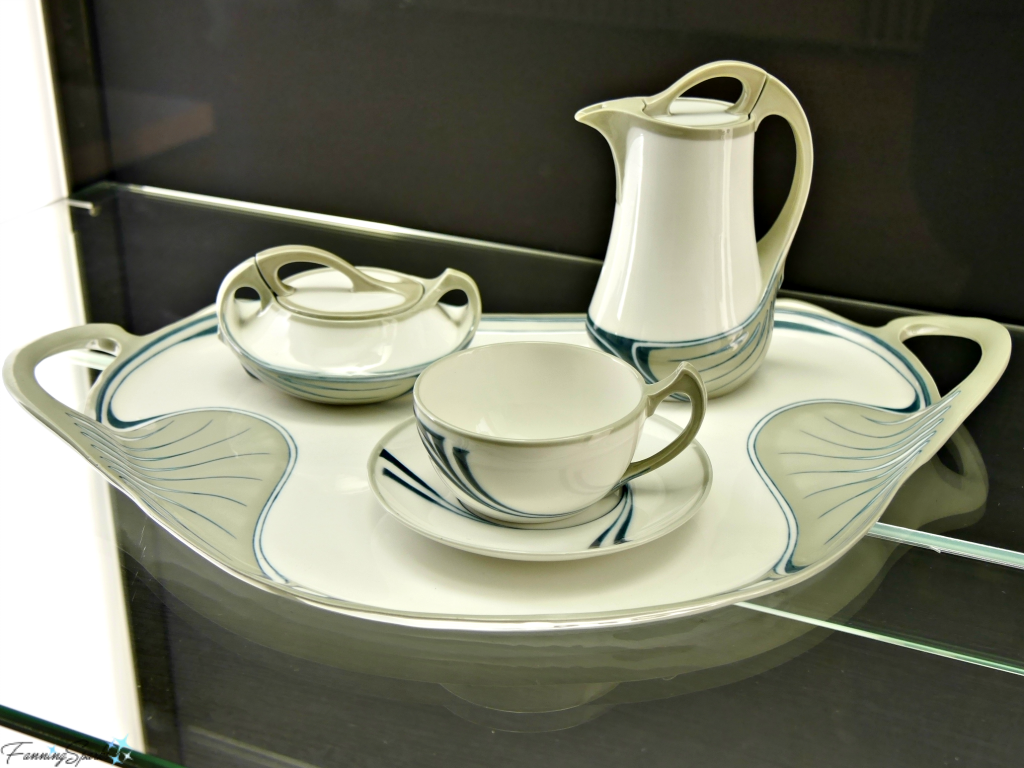
The below porcelain service, called “Saxonia”, was designed by Otto Eduard Voigt and manufactured by Königliche Porzellan-Manufaktur Meissen.

Jugendstil (Art Nouveau) 'Saxonia' coffee service seen at Bröhan-museum Berlin Germany @FanningSparks

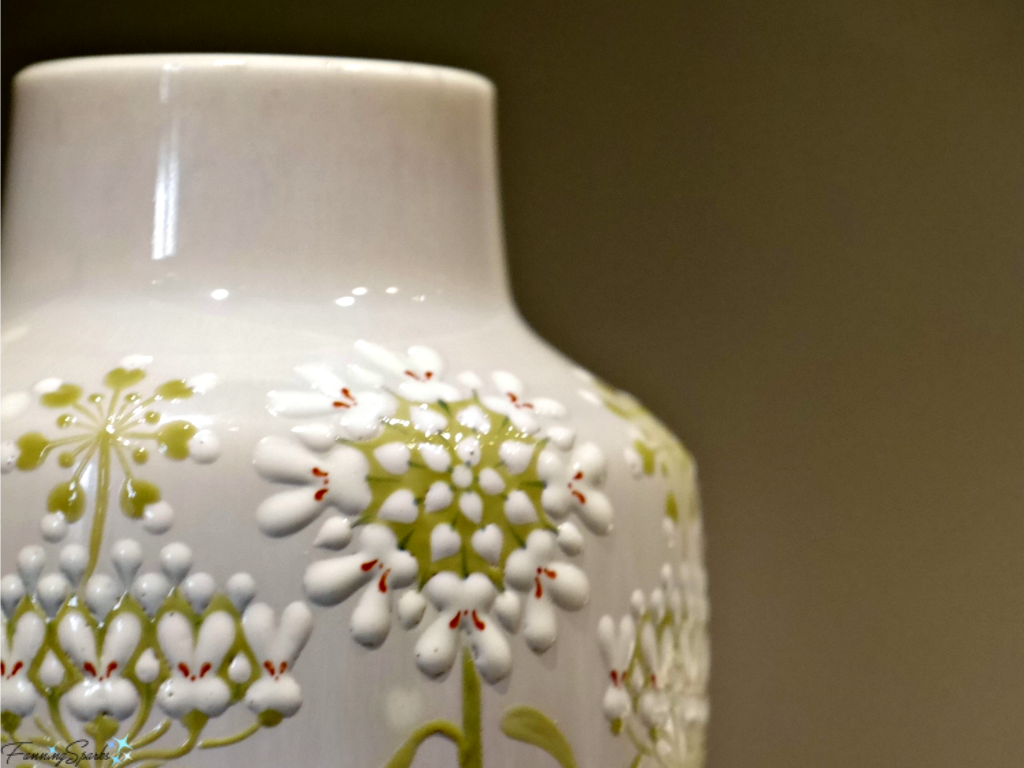
This porcelain vase with flower stalks was designed by Alexandre Sandier in 1897 and manufactured by Manufacture National de Sévres in France.

Jugendstil (Art Nouveau) vase designed by Alexandre Sandier seen at Bröhan-museum Berlin Germany @FanningSparks

Aren’t these gorgeous?  How about those sinuous flowing lines on the drawer pull and the candelabra?  How about the cat carving?   Or that beautiful flower vase?  I hope I’ve managed to whet your appetite!

More Info

You can learn more about these destinations and their beautiful works of art at these websites.

In addition, you can find many more examples of my beloved art nouveau on my FanningSparks Art Nouveau Pinterest board.  Plus this is likely to be a recurring theme here on the blog so stay tuned for more.

Today’s Takeaways

I’ll leave you with a few thoughts to spark your imagination.

  1. Art Nouveau is an art style worth considering.
  2. The themes of flora, fauna and female forms are timeless.
  3. Art Nouveau could be a great source of inspiration.

Peg - FanningSparks Author

Oh sweet Charleston, you did it again!  I was prepared to be impressed by your lovely historic district and outstanding gardens.  The timing and the weather were definitely in your favor.  But you bowled me over with your spectacular window boxes!  All those pretty little boxes stuffed full of beautifully coordinated, perky spring flowers.  So, I’ll have to come back (yet again) because you never fail to surprise me!
For the 71st year running, Charleston South Carolina is hosting the Festival of Houses & Gardens.  There are many special events during the festival including house and garden tours.  The festival is organized by the Historic Charleston Foundation and it runs like a well-oiled machine.  I had the pleasure of following one of the Glorious Gardens tours in late March.  It was a rare opportunity to view 8 private home gardens located throughout historic Charleston.  It was a beautiful day.  The sun was shining.  The azaleas, wisteria and other spring flowers were in full bloom.

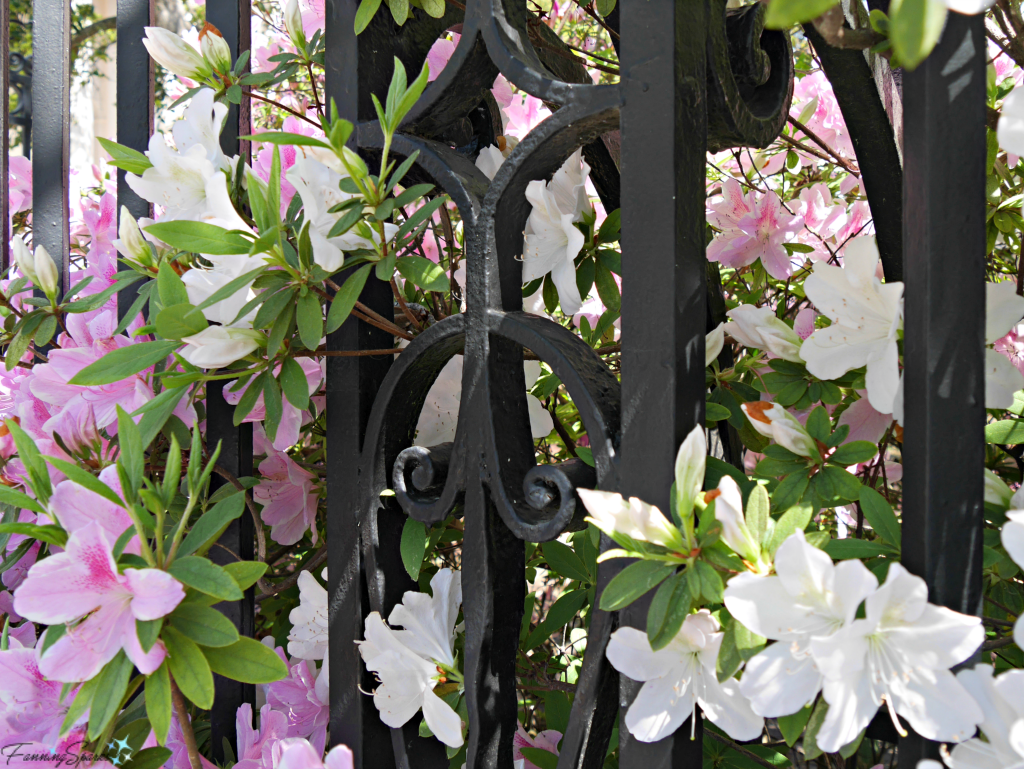
Azaleas in full bloom against a wrought iron fence @FanningSparks

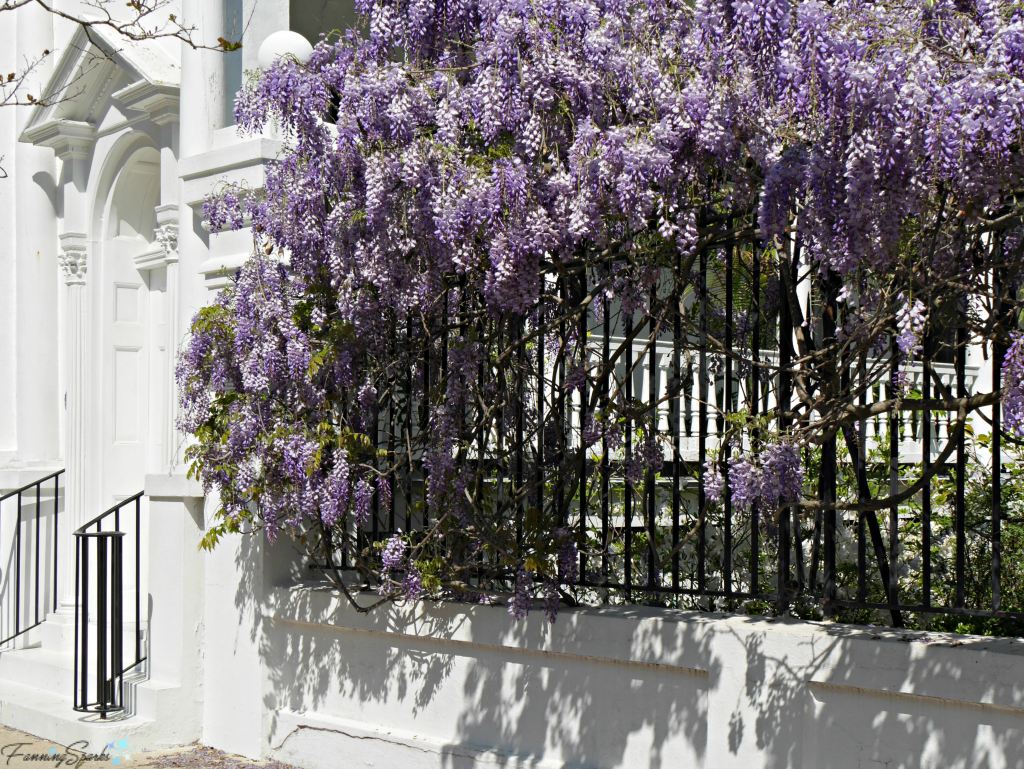
Wisteria in full bloom on Meeting Street in Charleston SC. @FanningSparks

It was an easy stroll from one garden to the next.  And the gardens were, indeed, glorious!  There were lots of lovely details to admire.

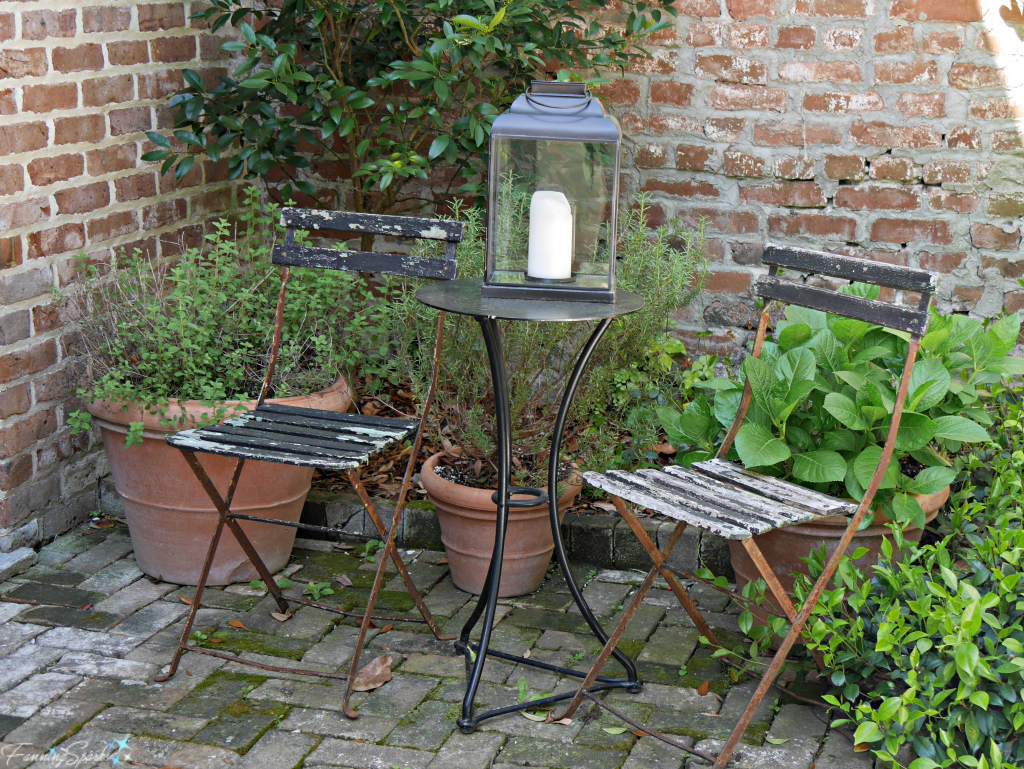
Cafe table and chairs in garden corner @FanningSparks

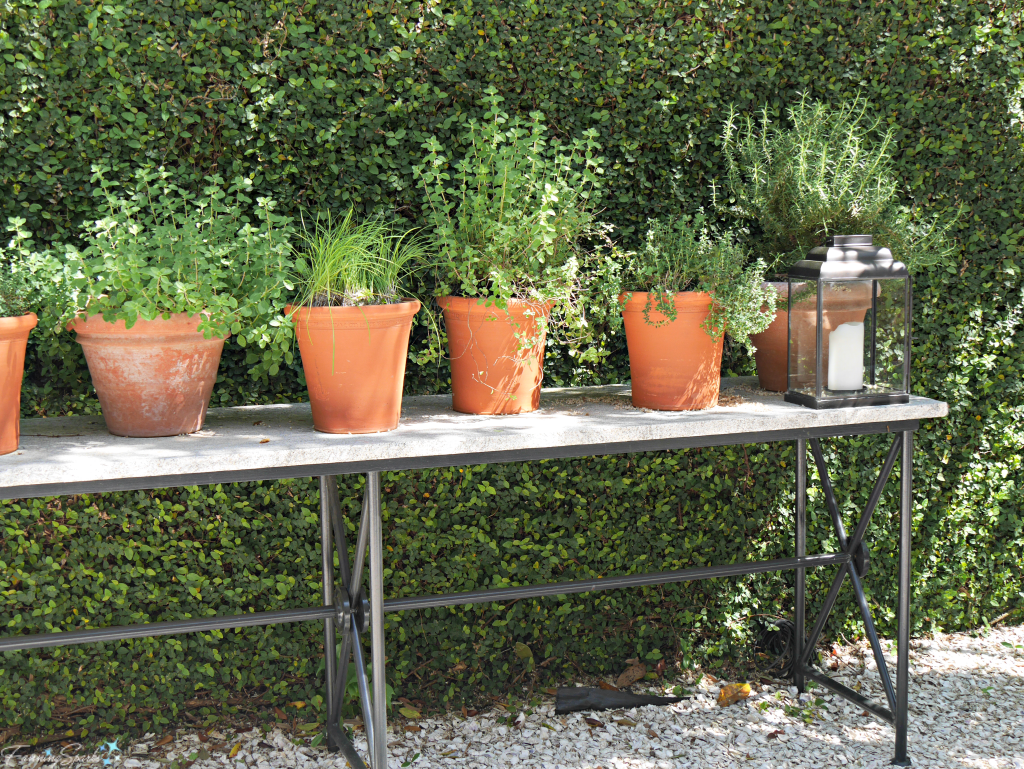
Terra cotta pots planted with herbs @FanningSparks

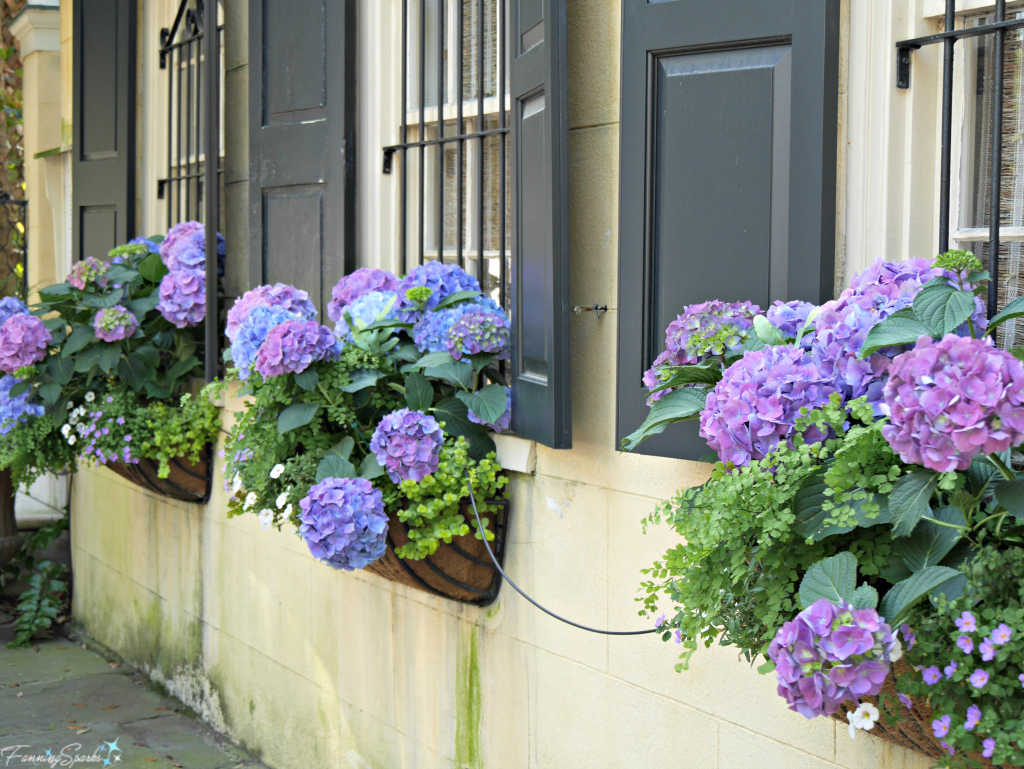
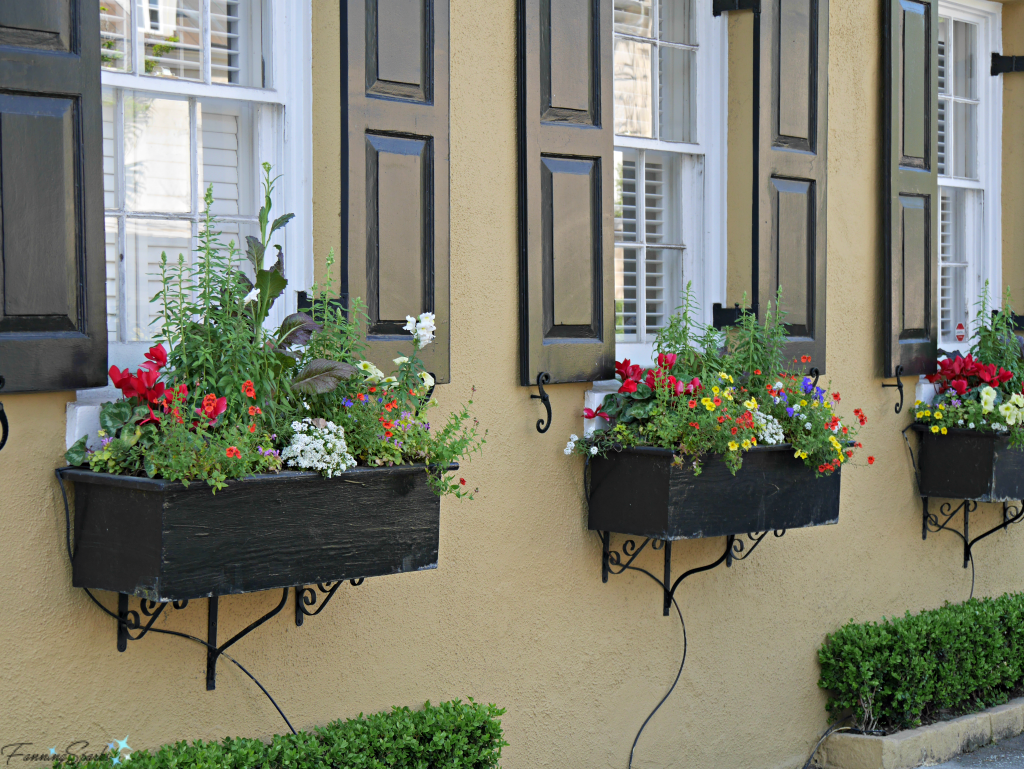
But it was the window boxes that had me clicking away.  One thing that struck me was the impact of multiple, identical window boxes. If one carefully-planted window box is pretty, 3 in a row are spectacular.

A row of window boxes planted with hydrangea @FanningSparks

Row of 3 colorful window boxes @FanningSparks

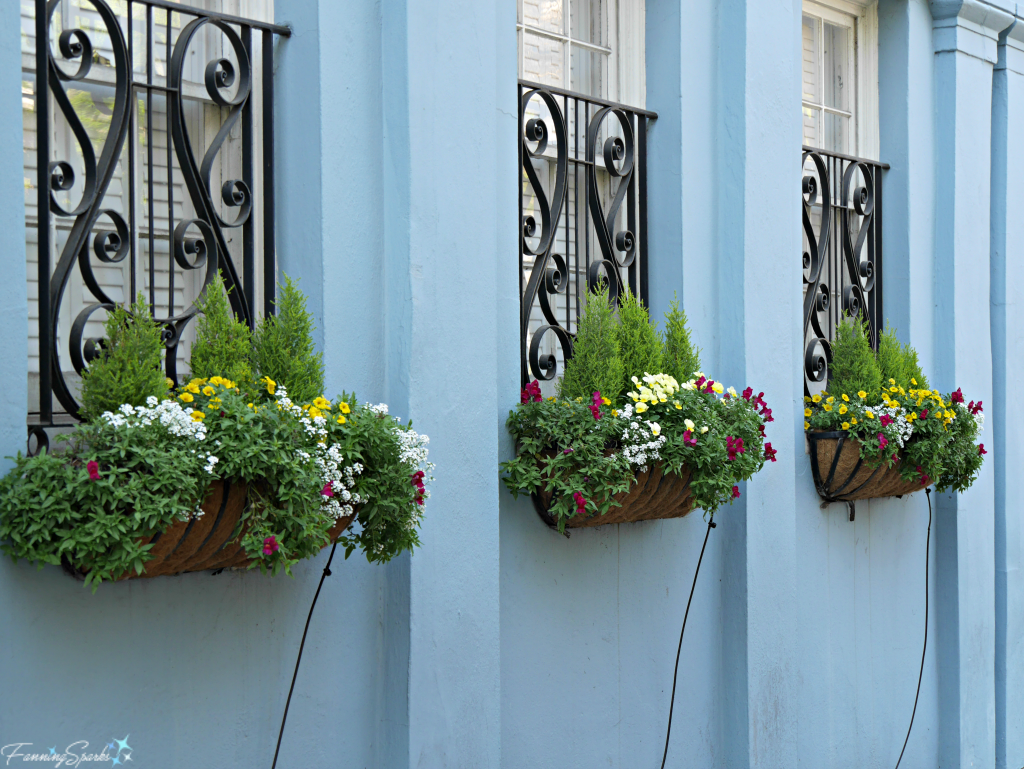
3 window boxes with spring flowers against pretty blue wall @FanningSparks

Unfortunately, I can’t provide full instructions for recreating these planting schemes because, of course, they weren’t labelled.  But I’ve done my best to include common names of flowers and plants (primarily annuals) where I recognize them.  I also had a little help from the folks at the local garden center.  Please feel free to add/clarify any planting details in the comments.
You may recognize the container planting scheme commonly referred to as “thriller, filler, spiller” in these window boxes.  Essentially, this formula calls for 3 types of plants to create an interesting arrangement.  The thriller is the focal point and is typically substantial and a vertical shape.  The filler is mid-height and… well, you guessed it… “fills in” around the thriller.  The spiller flows over the edges to round it out.  You can have multiple different fillers and spillers but typically there is only one thriller.
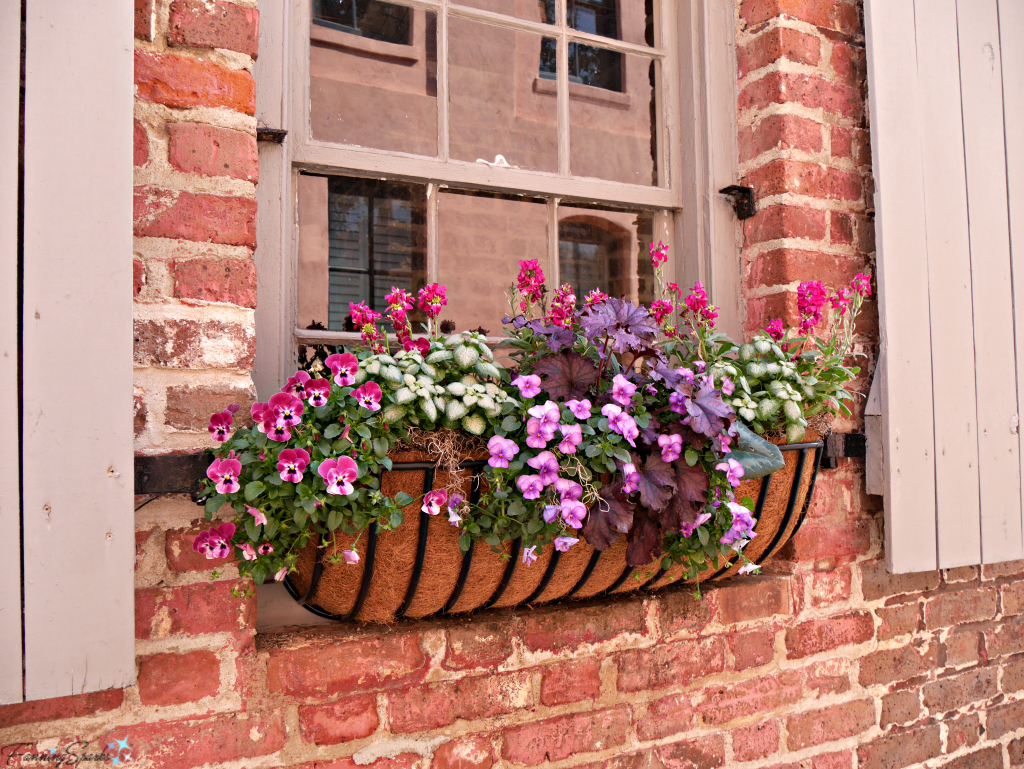
The below window box features pansies and other spring bloomers.  Here’s my best guess from left to right… burgundy/white-colored pansies; dead nettle ‘Red Nancy’; lavender-colored pansies; coral bells ‘Black Beauty’; burgundy snapdragons.  I love how the burgundies and lavenders look against the brick.

Window box with pansies against brick wall @FanningSparks

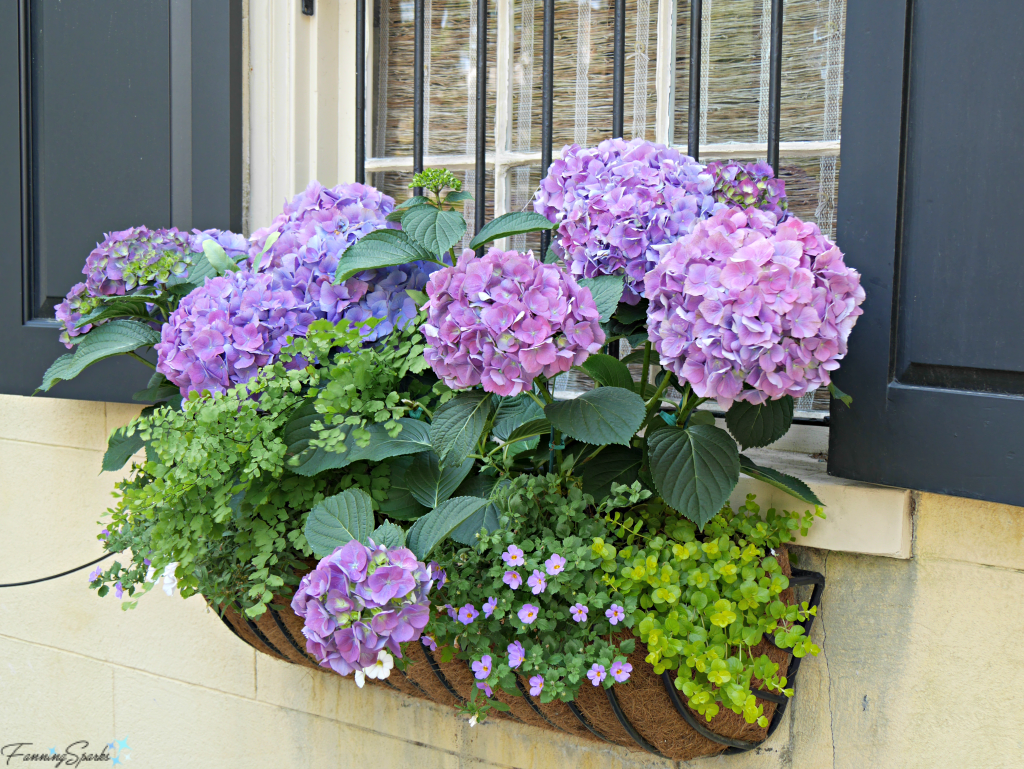
Hydrangeas are definitely the thriller in the below window box.  They’re complemented by, from left to right, maidenhair fern, purple-colored bacopa ‘Megacopa’ and golden creeping jenny.

Window box with hydrangea @FanningSparks

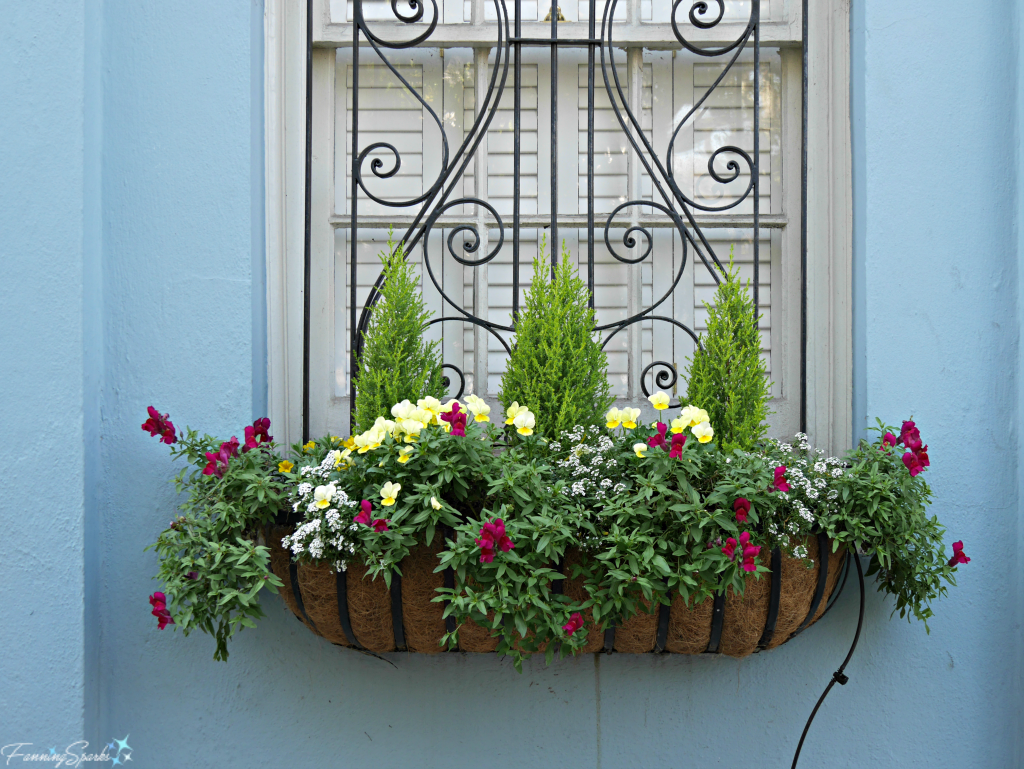
The mini-trees in the below window box are lemon cypress (special thanks to the garden center folks at Southern Home and Ranch Center for identifying this one).  The other plants appear to be yellow pansies, burgundy snapdragons and white sweet alyssum.

Window box with dwarf trees and spring flowers against blue wall @FanningSparks

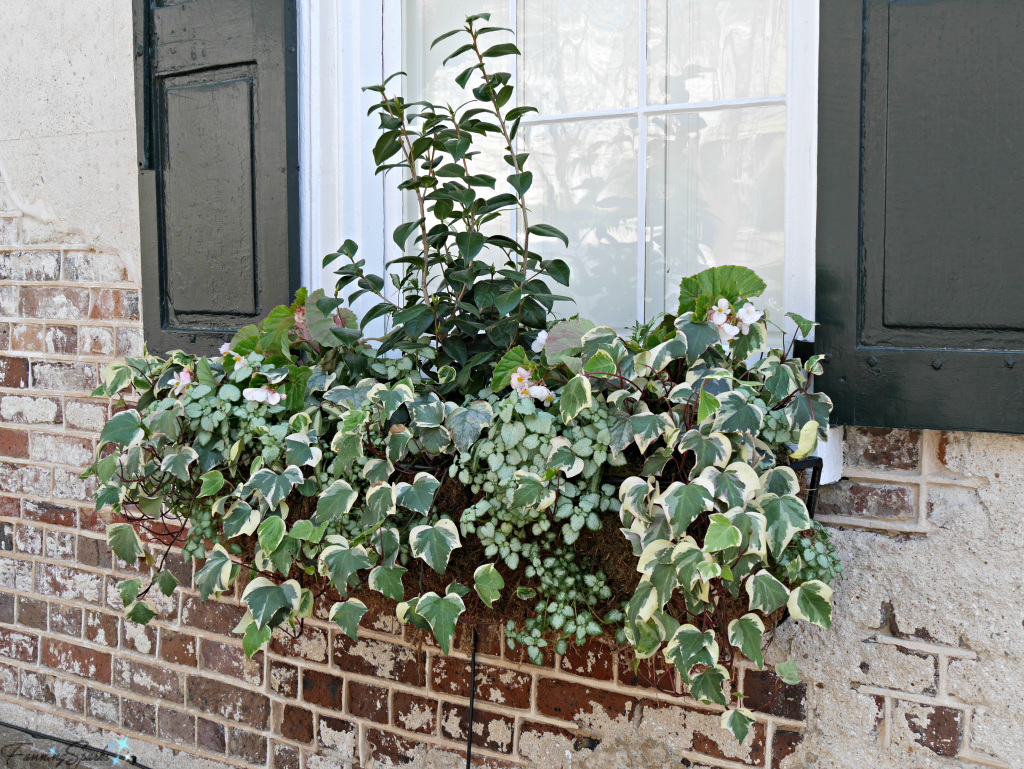
This next window box relies more on foliage and shades of green than brightly colored flowers.  The thriller appears to be a camellia but that implies it will be replaced before it grows to any significant size.  Most of the green and white foliage is a type of variegated ivy.  I believe the bright green leaves with the delicate white/pink flowers are begonias.  The smaller silver leaves appear to be the same dead nettle ‘Red Nancy’ we saw earlier.

Window box with shades of green and white against brick wall @FanningSparks

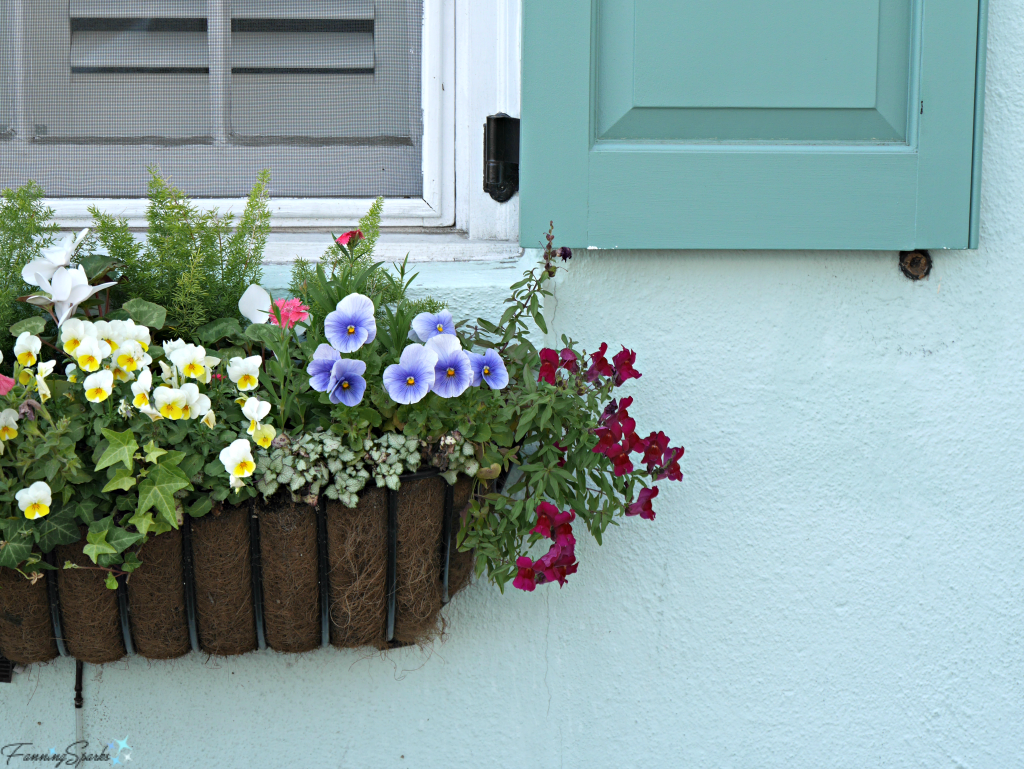
And last but not least, is this pretty little window box showcased against the aqua wall and shutter.  From left to right, I see white cyclamen, white/yellow pansies, ivy, asparagus fern, pink dianthus, dead nettle ‘Red Nancy’, violet-colored pansies and burgundy-colored snapdragons.

Window box with pansies against aqua wall @FanningSparks

More Info

You can learn more about the Historic Charleston Foundation and the annual Festival of Houses & Gardens on their website.  For 2018, the festival runs from March 15 to April 21.
There are lots of examples and instructions online for the “thriller filler spiller” container planting technique.  Here’s a great reference from Proven Winners.
I’ve learned that you can drop by your local garden center for help identifying plants and flowers.  Thanks again to the fine folks at Southern Home and Ranch Center in Carrollton Georgia.

Today’s Takeaways

1. If you’re lucky enough to be in Charleston during the annual Festival of Houses & Gardens, consider taking one of the great walking tours.
2. Window boxes can add great interest and appeal especially as a group of 3.
3. The popular “thriller, filler, spiller” container planting technique is equally effective for window boxes.

Peg - FanningSparks Author

March 29, 2018 Update: A reader in France (thank you Delphine!) provided some additional insight on the fishy April Fools situation.  Scroll down to More Info for the update.

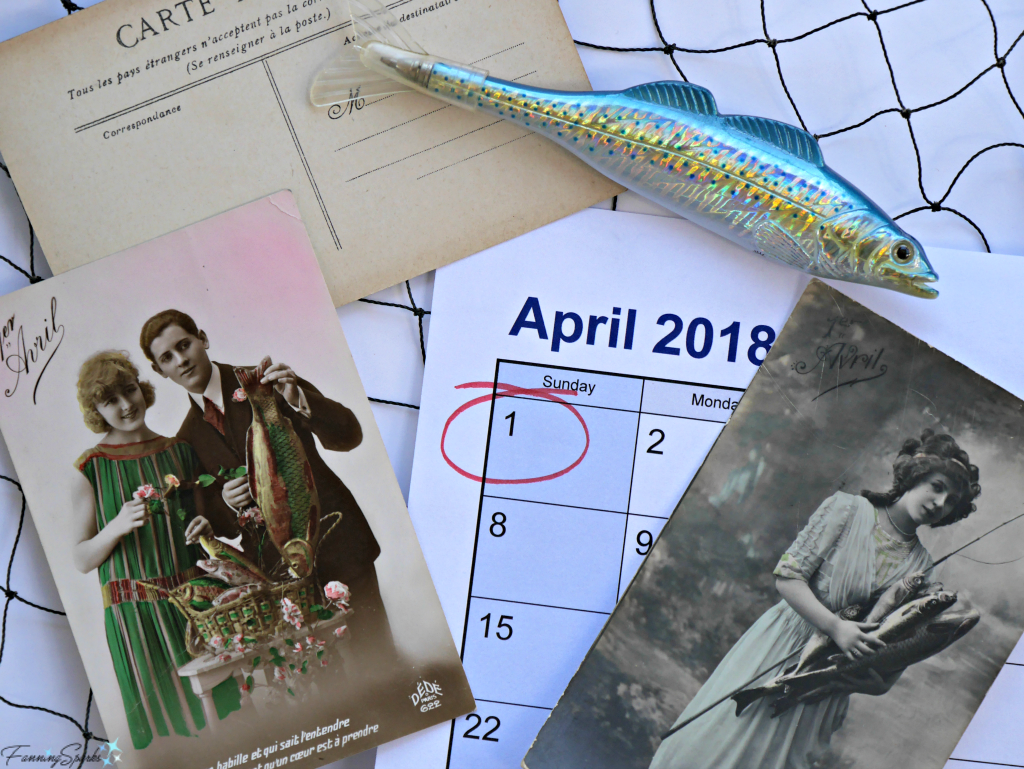
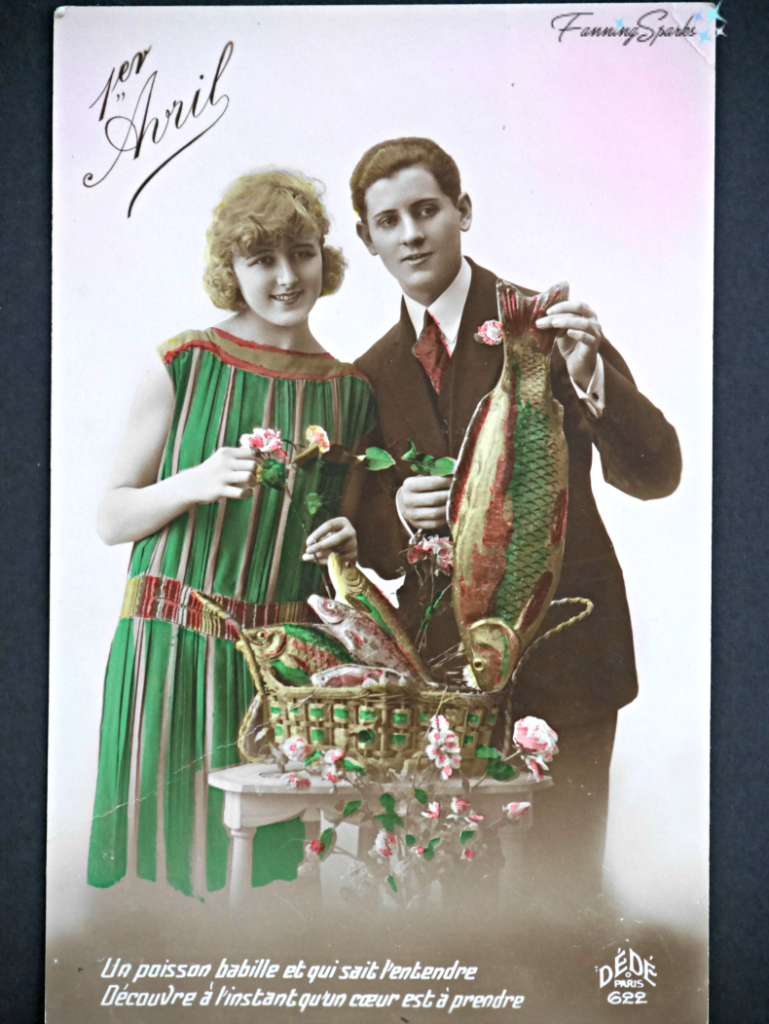
My husband is an avid fisherman so when I came across these strange postcards I snapped them up. I must admit, though, I had no idea why people would get all dressed up in their fancy frocks and suits to have their picture taken with dead fish.

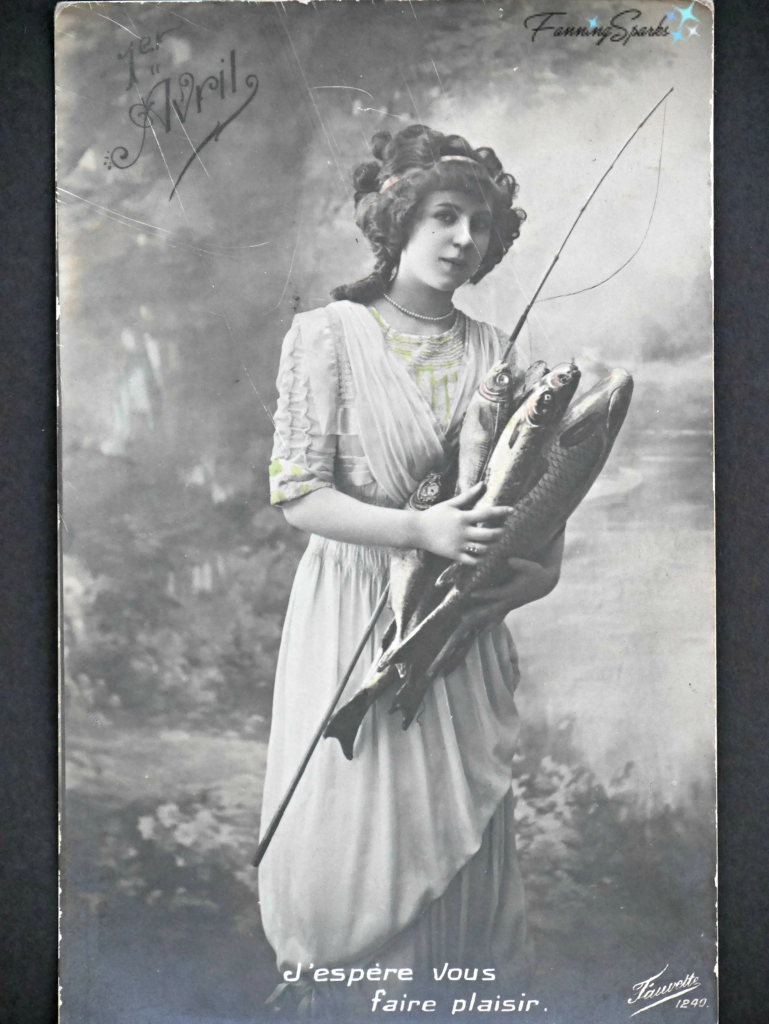
It wasn’t until later that I noticed there is an April 1st connection; both cards have “1er Avril” stamped in the top left corner. The message on both cards is also in French so I assumed these cards must have some significance in France. And the plot thickens…

Vintage postcard for Avril 1er showing a lady holding fresh fish @FanningSparks

A little online research suggests there is likely a connection to a decision made by France’s King Charles IX, back in 1582, to switch from the Julian calendar to the Gregorian calendar. This moved the first day of the calendar year from April 1 to January 1. As the story goes, some people resisted or were slow to catch on, and they continued to celebrate the start of the new year on April 1. Apparently, these folks became the butt of jokes and hoaxes or “April fools”.

There are numerous theories on how fish come into play. The explanation I like suggests a gullible person (aka an April fool) is similar to the young, easily-caught fish that were abundant at that time of year in France. This could also explain an old tradition of secretly pasting a small paper fish to someone’s back on April 1st. While I honestly can’t see how this would lead to postcards showing people posing with fish that does seem to be what happened.

Vintage postcard for Avril 1er showing a lady and gentleman holding fresh fish @FanningSparks

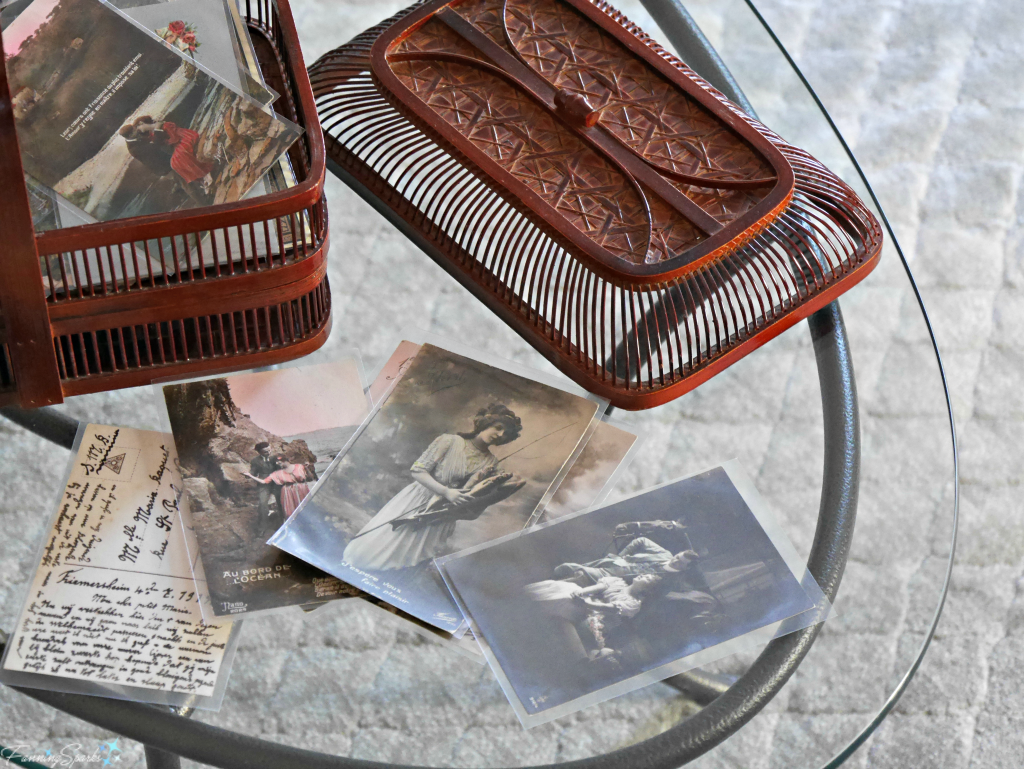
Regardless of the rationale behind this seemingly strange custom, I do think these postcards are funny and worth sharing.  I keep them with my other vintage postcards in a small basket on the coffee table.  The basket is an open invitation for guests to see what’s inside.  I think of it as a fresh take on the traditional coffee table book.

Vintage postcard collection invites guests to investigate @FanningSparks

More Info

You can see a few more of my vintage postcards on the FanningSparks Contact page.

March 29, 2018 Update: A French reader was kind enough to share that the old tradition of secretly pasting a small paper fish to someone’s back on April 1st is still active in France.  She said “poisson d’avril” (April’s fish) is a big tradition for children.  On March 31st, French children secretly make paper fish in preparation for the big day.  On April 1st, children stick these paper fish on the backs of as many people as possible.  They also play a little trick or joke on that person.  For instance, if a child were to stick a paper fish on her mother’s back (a favorite target), she might also put a plastic spider in Mummy’s coffee mug.  Then when the truth is discovered, everyone yells “poison d’avril”.  While this is primarily a children’s activity, adults also get into the fun of playing tricks.  Many thanks to Delphine for adding some color to this post. 

Playing harmless jokes on others and yelling “April Fools” is pretty consistent with my own April Fool’s Day experiences. What about you?  What are your April Fool’s Day traditions?  Please share in the comments below.  

Today’s Takeaways

Here are a few suggestions that might spark an idea…

1. Vintage postcards can be fun to collect.  They’re easy to find in vintage and antique shops.  They’re inexpensive and don’t take up much space.
2. A small, unique collection of items can add personality and interest to your coffee table.
3. Little things can make a difference.

Follow my blog with Bloglovin

It’s a big day in our neighborhood…
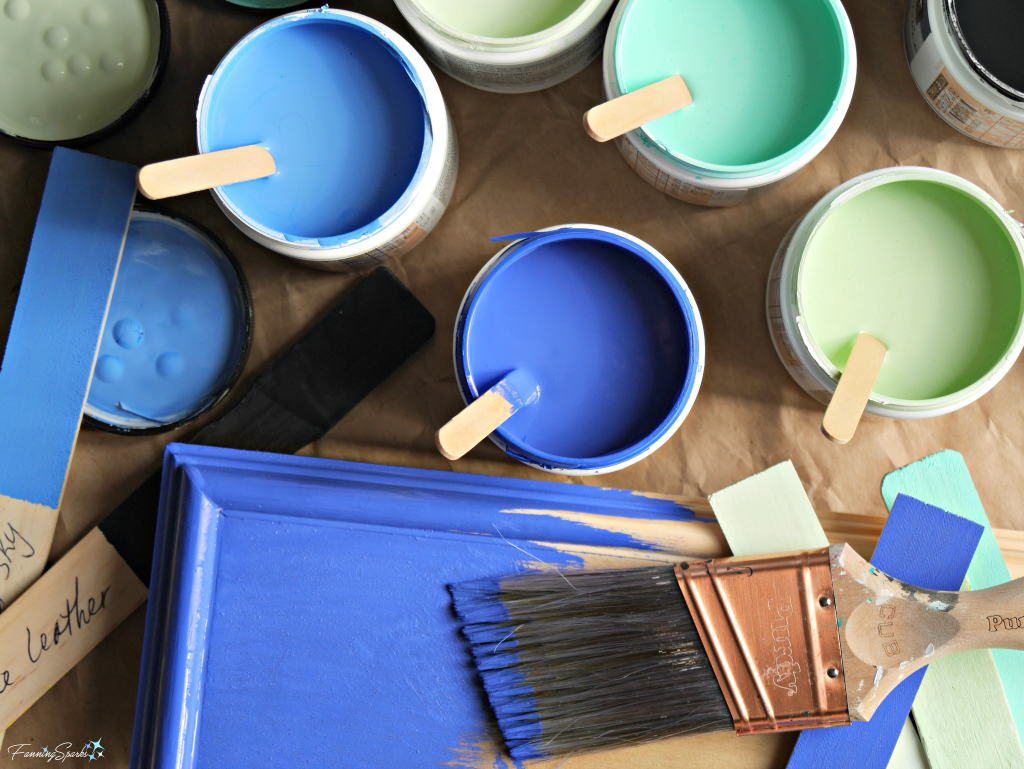
… the paint samples are mixed …

Paint samples in blues and greens of FanningSparks color scheme. @FanningSparks
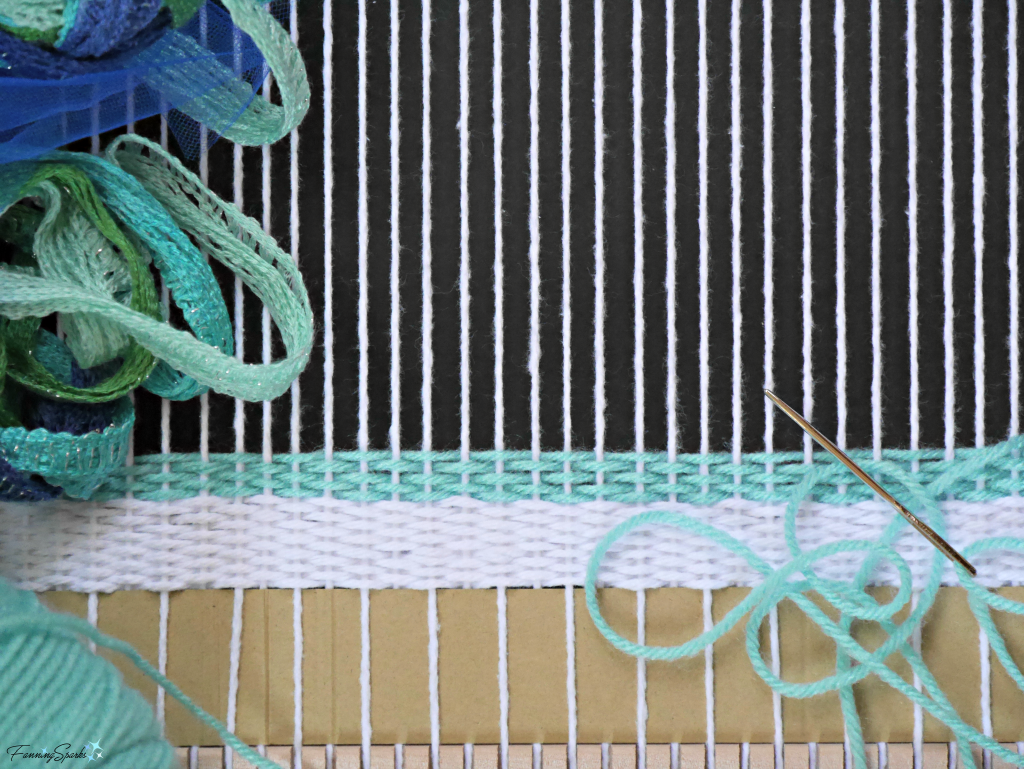
… the loom is warped …

Weaving project in progress with small frame loom. White cotton warp threads are wrapped. Weaving with turquoise yarn has begun. @FanningSparks

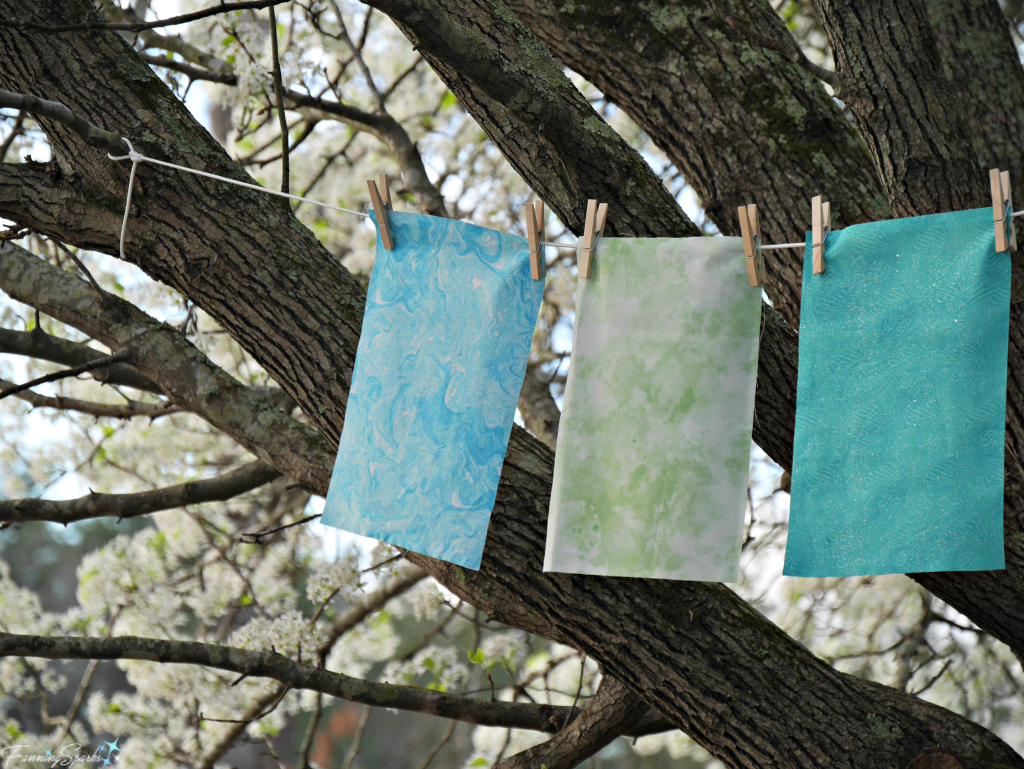
… the fabric is ready …

Blue, green and turquoise fabric on clothesline in blooming pear tree. @FanningSparks
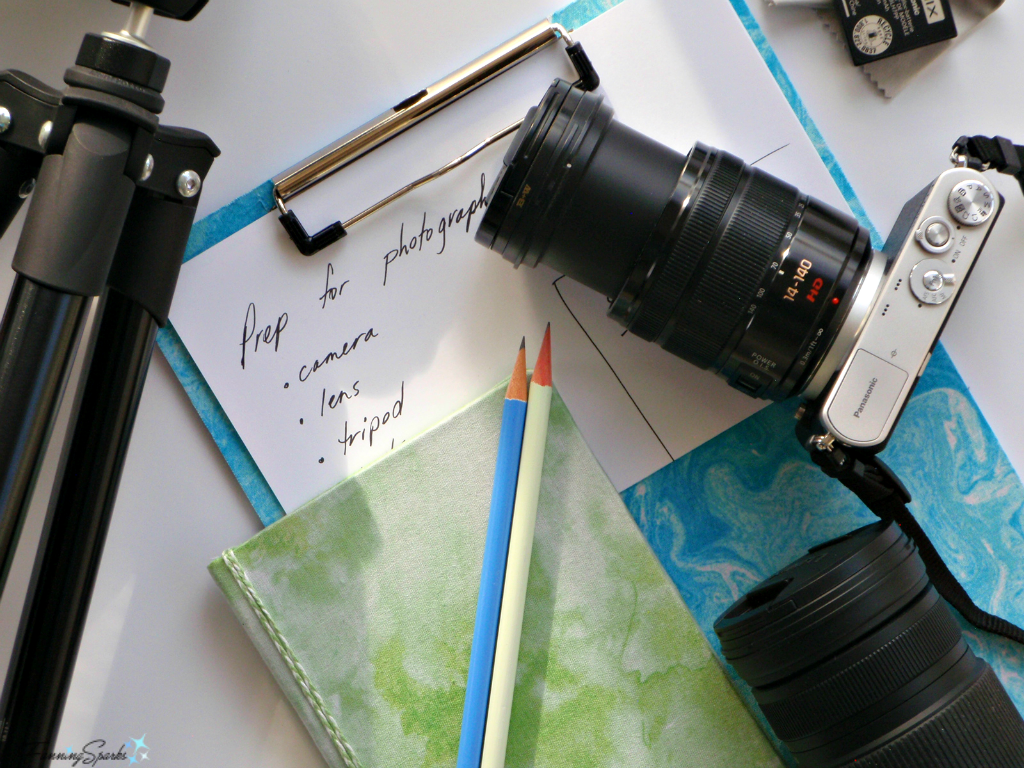
… the camera is charged …

Ready for a photo shoot with camera, tripod, lens, notebook, clipboard and pencils. @FanningSparks
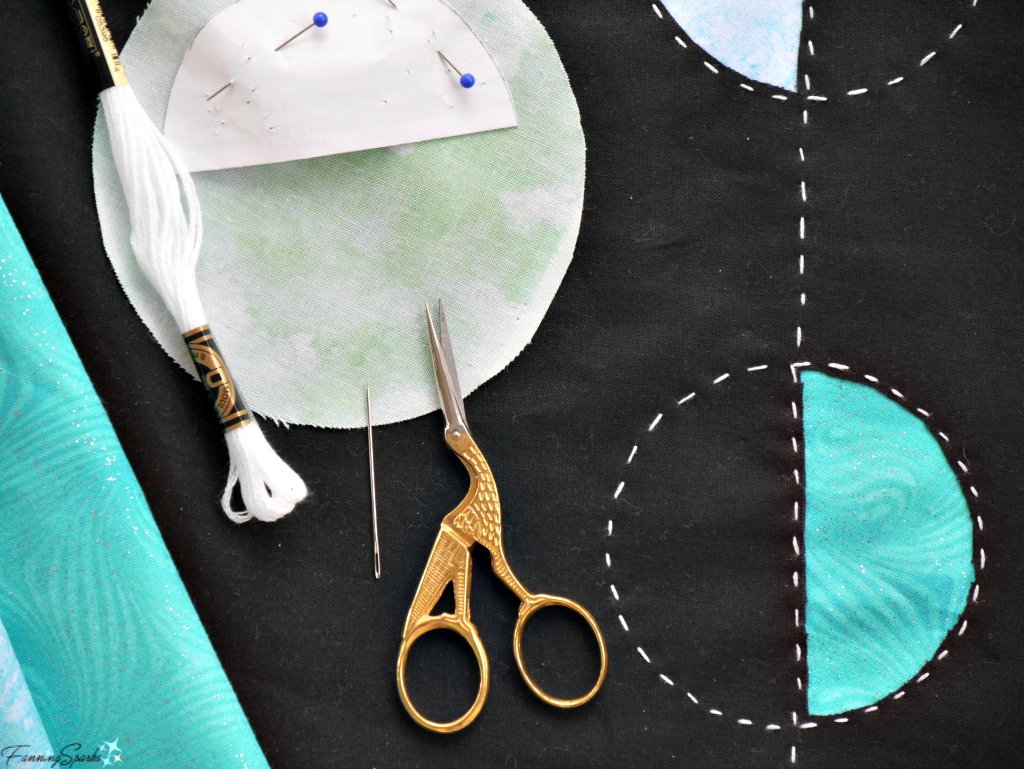
… the embroidery is stitched …

Sample of reverse applique in progress includes stork scissors, embroidery floss and fabrics. @FanningSparks

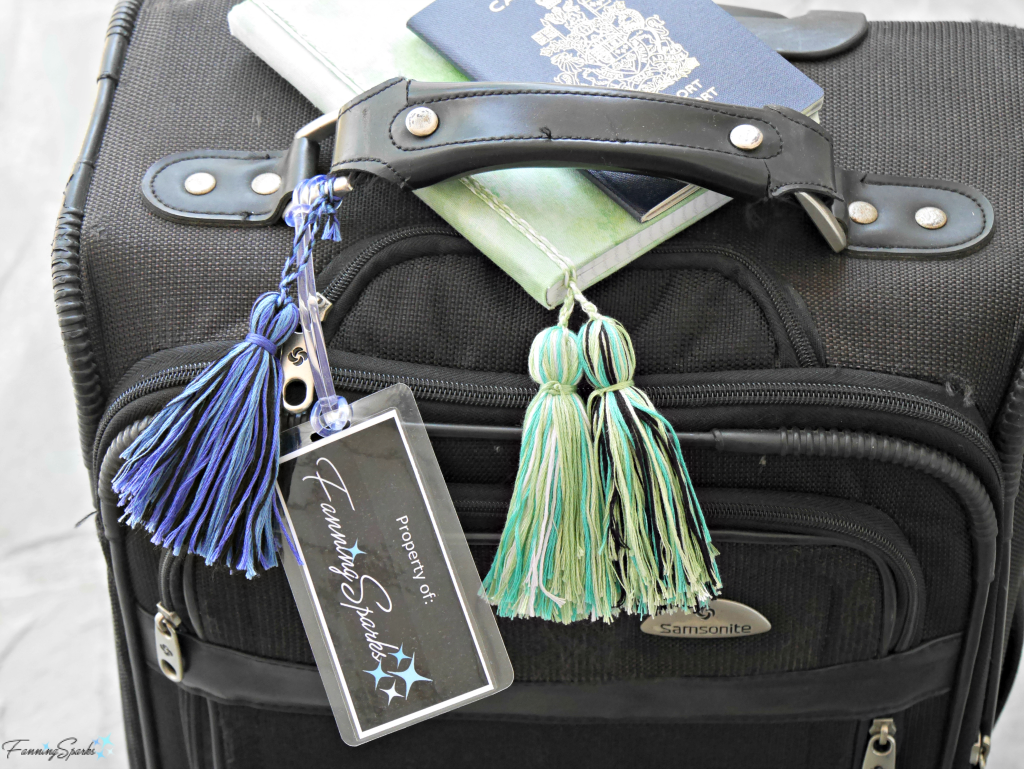
… the bags are packed …

Suitcase shown FanningSparks tag, passport and tasseled notebook @FanningSparks

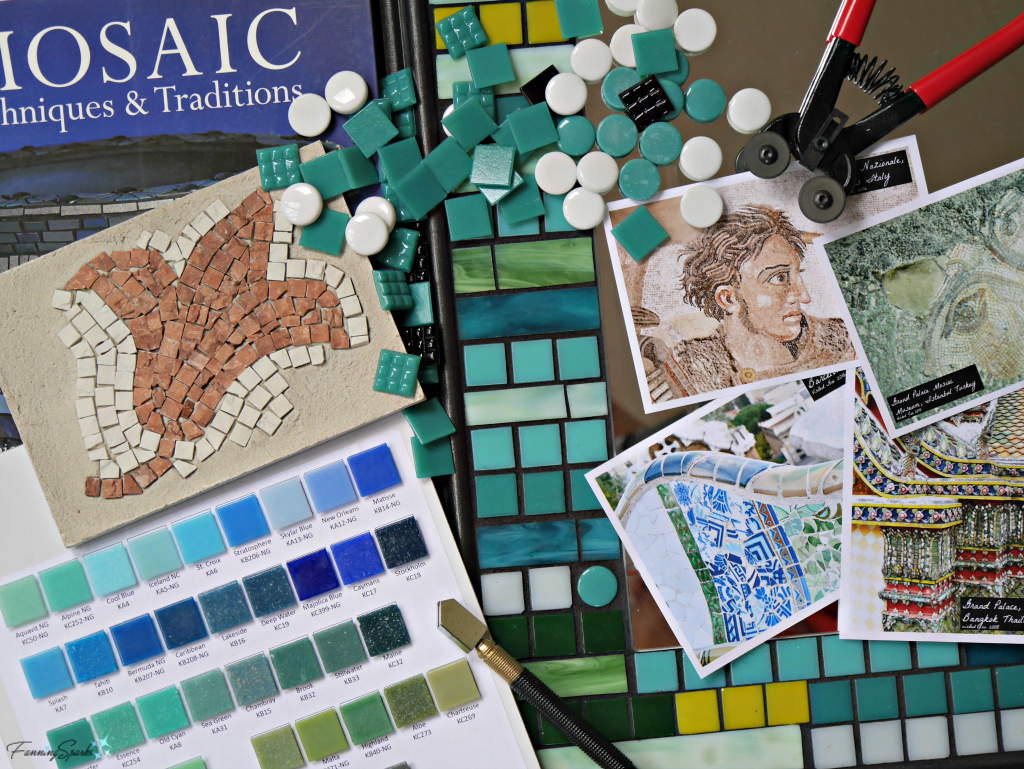
… the creative studies are underway …

Mosaic collage including mosaic-trimmed mirror, mosaic tiles, tile sample board, tools, and photos of ancient mosaics. @FanningSparks

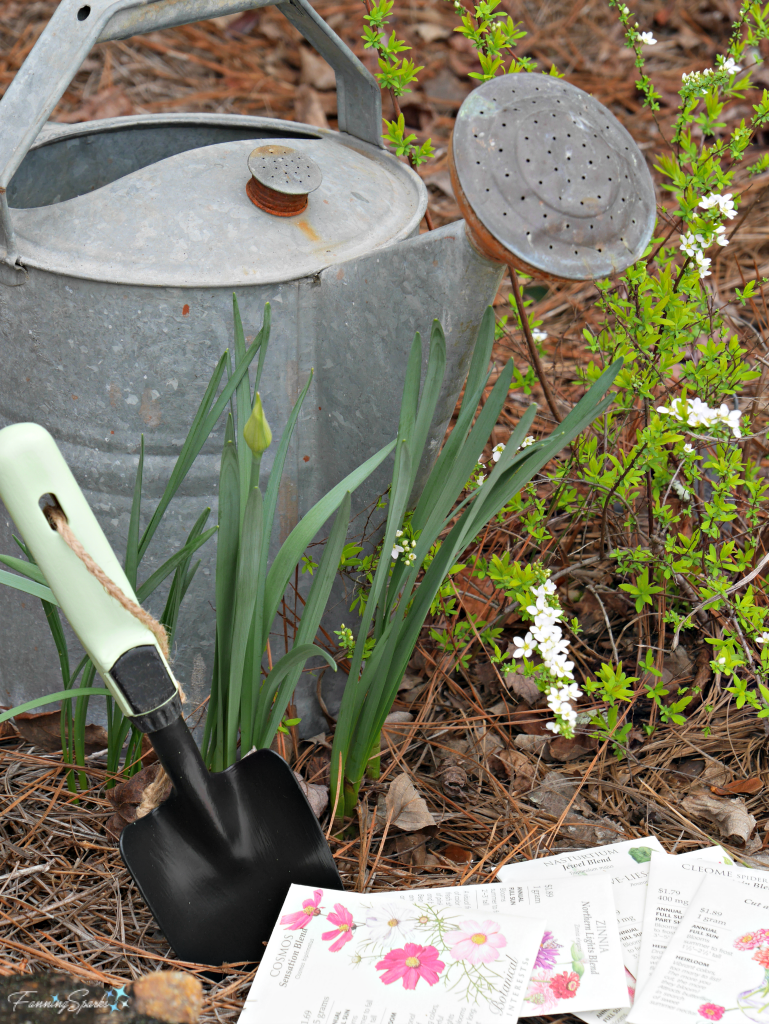
… the seeds are sown …

Scene in garden including vintage watering can, trowel, bridal wreath spirea and seed packets. @FanningSparks

… and the fun is about to begin …

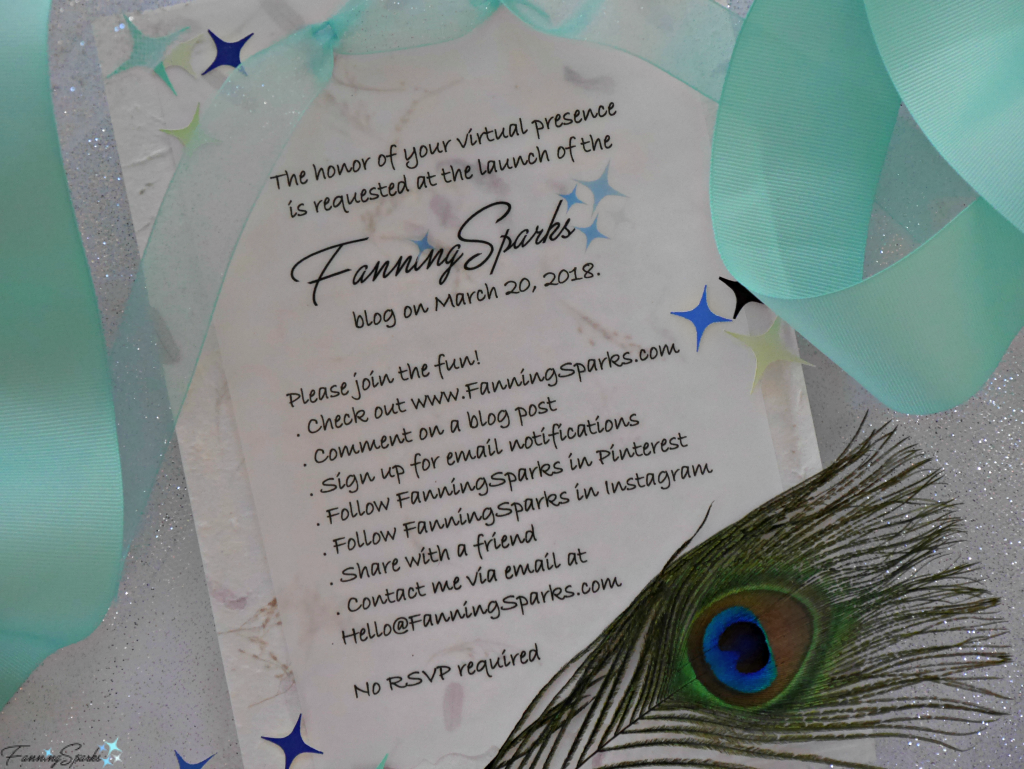
Formal invitation to join the fun at the FanningSparks blog launch

… won’t you join us?

We wrapped up 2017, with a week in Gulf Shores Alabama. Thanks to the generosity of a dear friend we lived like royalty with a beautiful penthouse view of the gulf directly on the beach. The serene beauty of the shoreline was calming and restorative. But it wasn’t exactly beach weather. It rained. It was windy. It was cold. Now to be fair to my Canadian friends, it wasn’t “Canada cold”; it was merely “Georgia cold”.

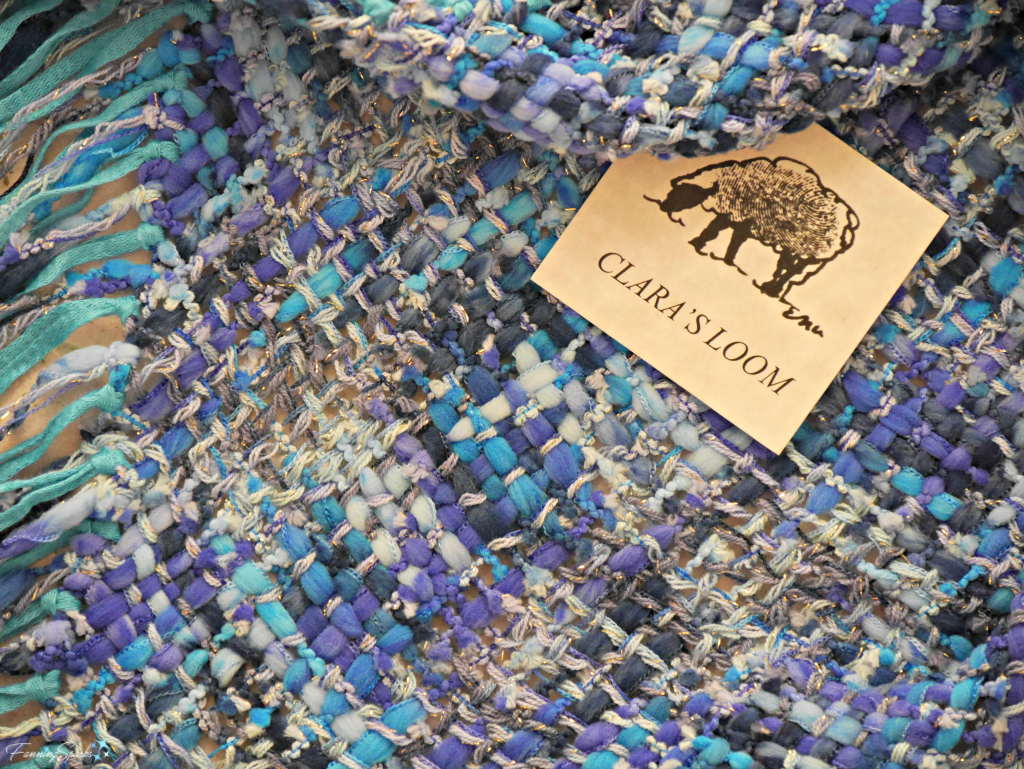
Regardless of the weather, Coastal Alabama offers lots to see and do. A little online research revealed several arts and crafts attractions to pique my interest. First among them was a place called Clara’s Loom. According to the website, Clara’s Loom is the “destination for textile lovers on the Alabama Gulf Coast. Clara’s Loom is a gallery of handwoven shawls, textile accessories, travel looms and designer yarn. It is the retail division of the Coastal Textile Center and the label of Alabama fiber artist Celia Dionne.” OK count me in!

I arrived at Clara’s Loom in the early afternoon. I rang the bell as I was the only customer. Celia quickly welcomed me into her shop. And oh what a shop it is! It’s not big but it’s packed with beautiful materials and stunning work. Everywhere you look, there is something to discover, to touch and to inspire.

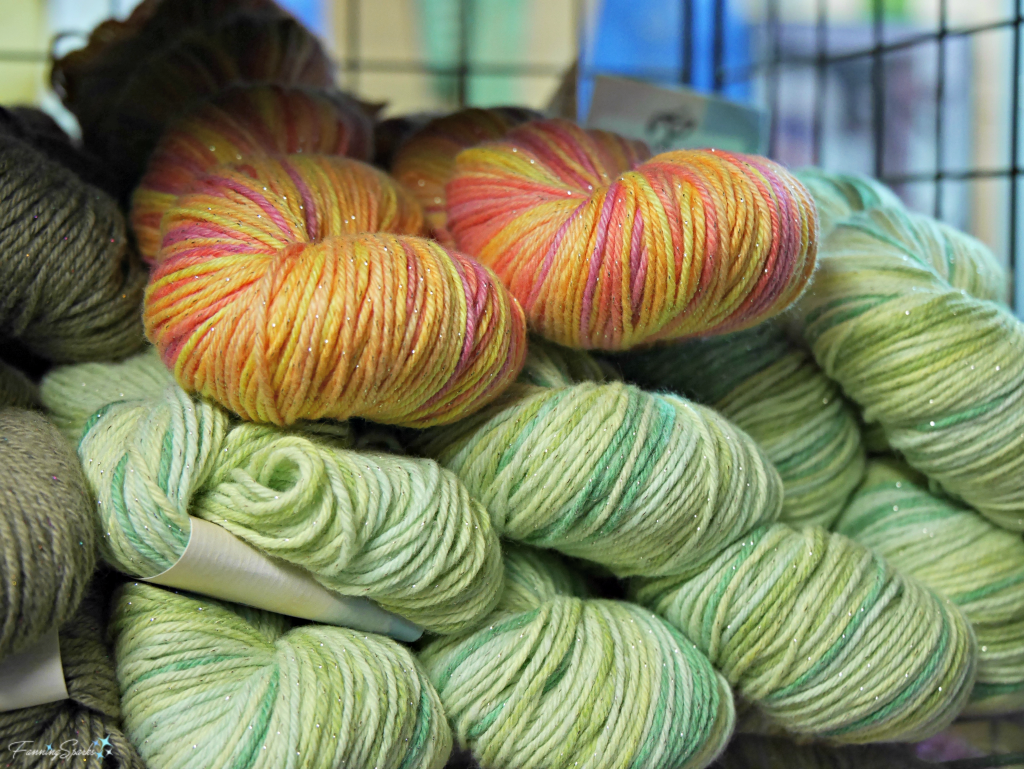
Yarns in the most gorgeous colors and the softest textures.

Beautiful yarns at Clara's Loom @FanningSparks

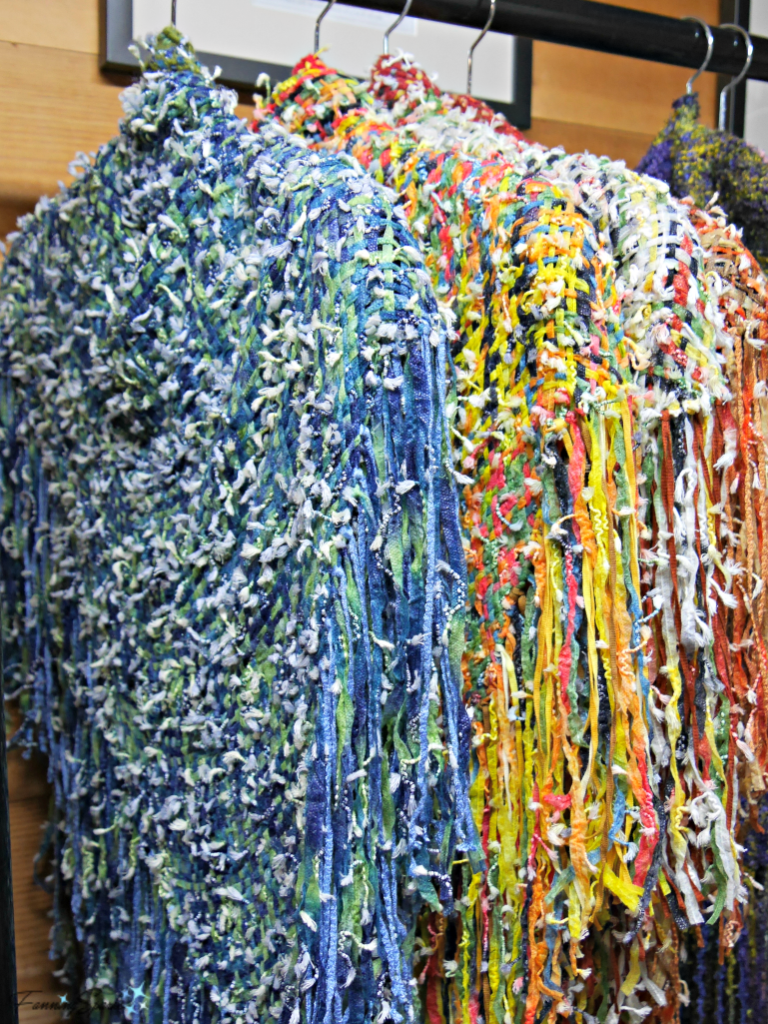
Outstanding handwoven shawls in all the colors of the rainbow.

Colorful hand-woven shawls at Clara's Loom @FanningSparks

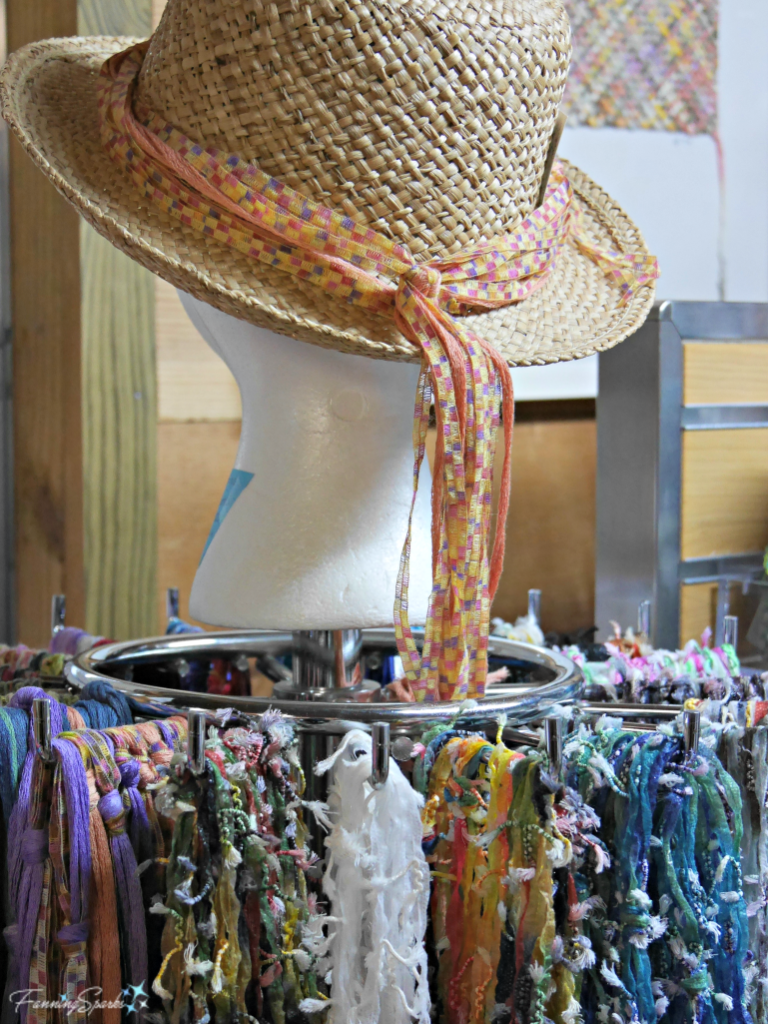
Quirky, fun yarn and ribbon strings for hats, belts and lariat necklaces.

Ribbon and yarn hat ties at Clara's Loom @FanningSparks

Unique and interesting fiber art framed to hang on the wall.

Mixed fiber wall hanging at Clara's Loom @FanningSparks

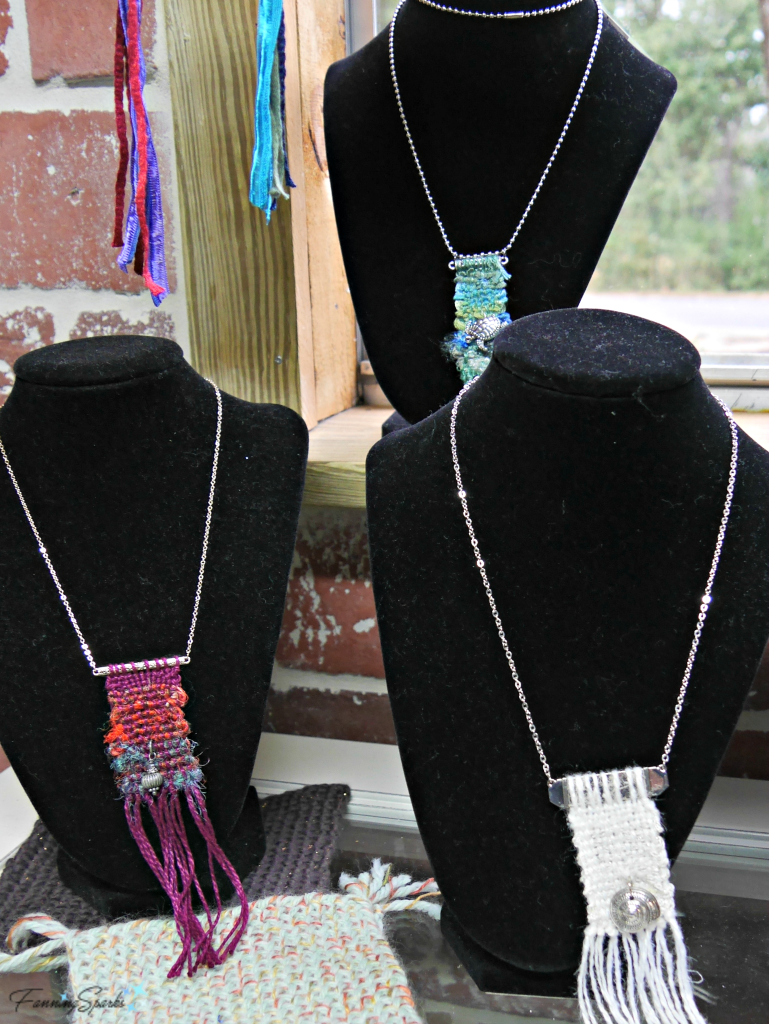
And my personal favorite, lovely little statement necklaces.

Hand-woven statement necklaces at Clara's Loom @FanningSparks

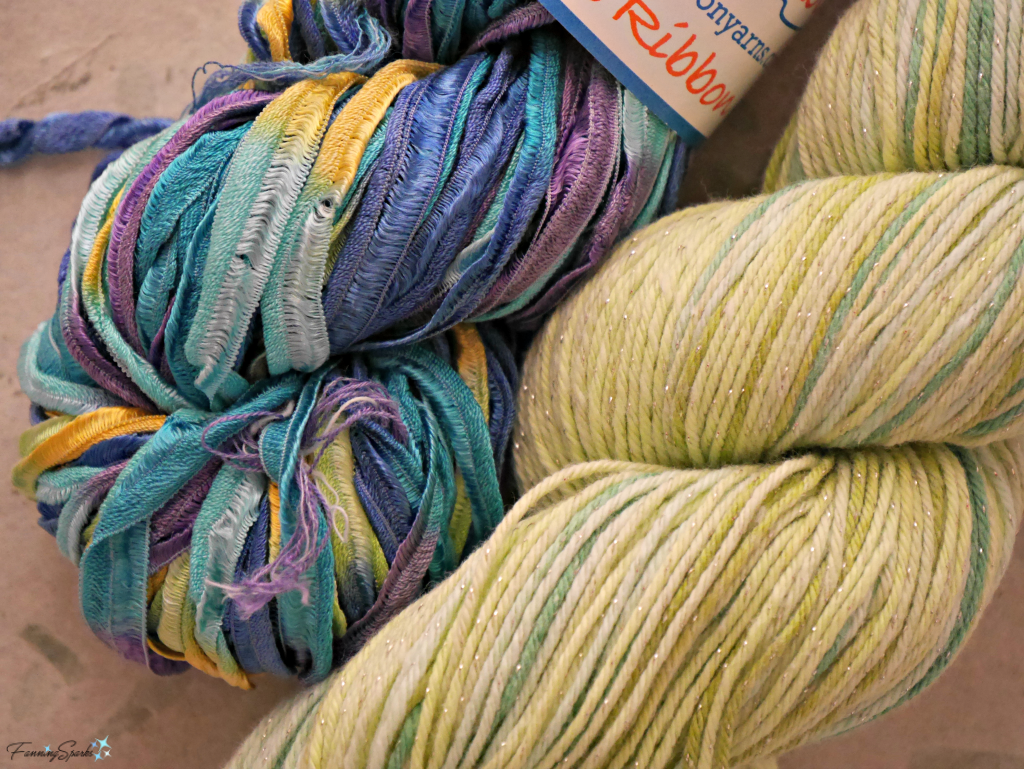
It was a feast for the eyes! But the best part of all was Celia. It’s obvious she loves fiber art and she loves sharing her passion. Celia eagerly shared information about her products and her techniques. She generously explained how to make one of those necklaces I was coveting.  I took my time to consider all the options and eventually selected the below yarn.

Lovely yarns purchased at Clara's Loom @FanningSparks

I’m now in the “mulling stage”. I won’t replicate the necklaces I saw. Instead, with Celia’s necklaces as inspiration, I’ll put my own spin on it. Everyone works differently but I like to let my mind wonder, to admire my materials and mull over the possibilities. Eventually things will click and I’ll know when it’s time to start making.

More Info

Check out Clara’s Loom for information on Celia and her lovely shop.

Another great find on my visit to Clara’s Loom was NeedleTravel.  Their website is a great online resource for locating noteworthy fiber and fabric shops in the USA.  They also have an app, called NeedleTravel, that is easy to use and super convenient.  The “Find Shops Near My Location” is a great feature.  The website and app are updated daily.  They also publish an annual, travel-size reference book called “NeedleTravel Fiber & Fabric Mania! A Travel Guide”.

You may enjoy the Pinterest Fiber Arts board I’ve created to save projects, techniques and inspiration.

Today’s Takeaways

Here are a few suggestions that may spark an idea:
1. Seek out arts and crafts destinations to visit when you travel.

2. Strike up a conversation with an artisan. They’re usually eager to discuss their passion and share advice. Often their enthusiasm is contagious.

3. Try something new. Start small. Buy materials that inspire you. Give yourself time to mull over the possibilities.

Cheers,
Peg - FanningSparks Author