
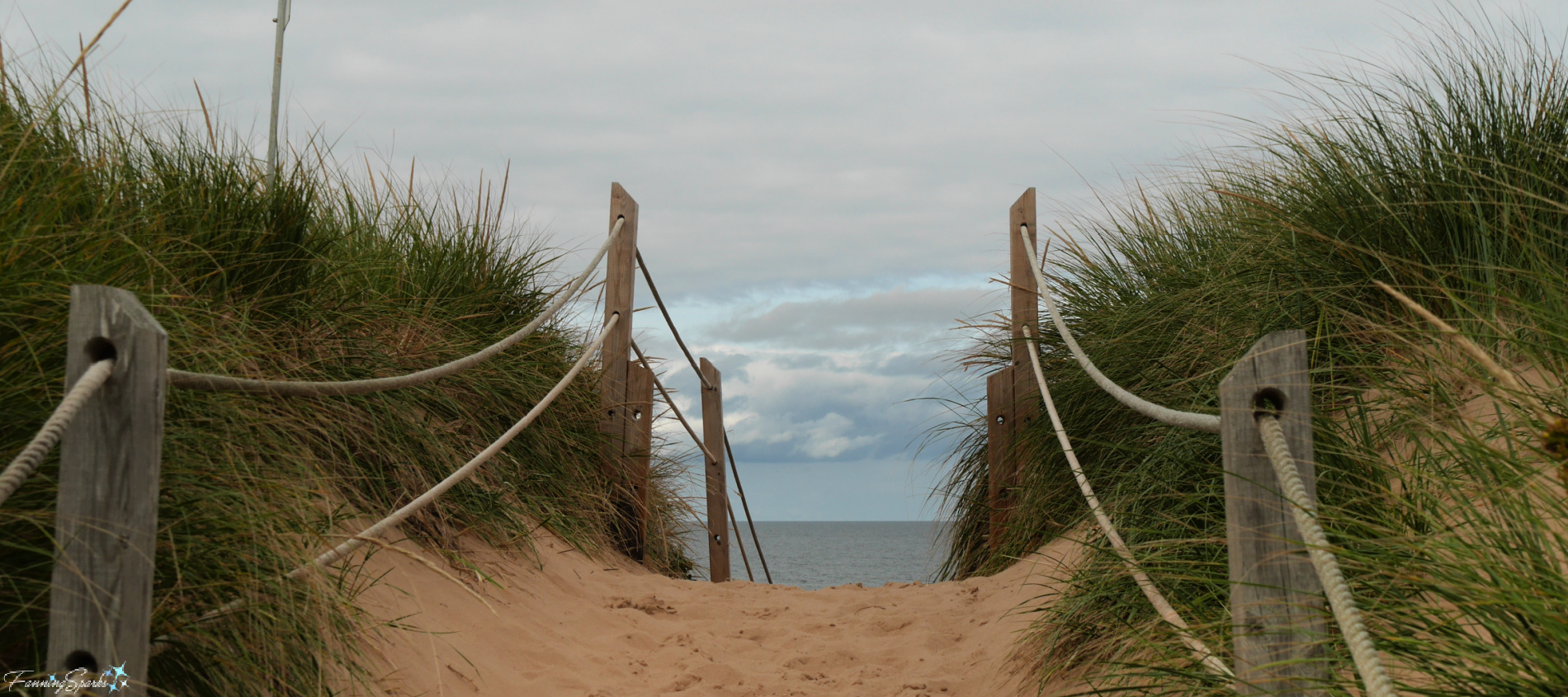
Anyone who has ever had the pleasure of strolling along a seaside beach knows the calming effect of the ocean. The steady rhythm of the waves, the tang of the salt air, the ebb and flow of the surf, the sand beneath your feet―it can fill your senses and help you forget the stress of everyday life.
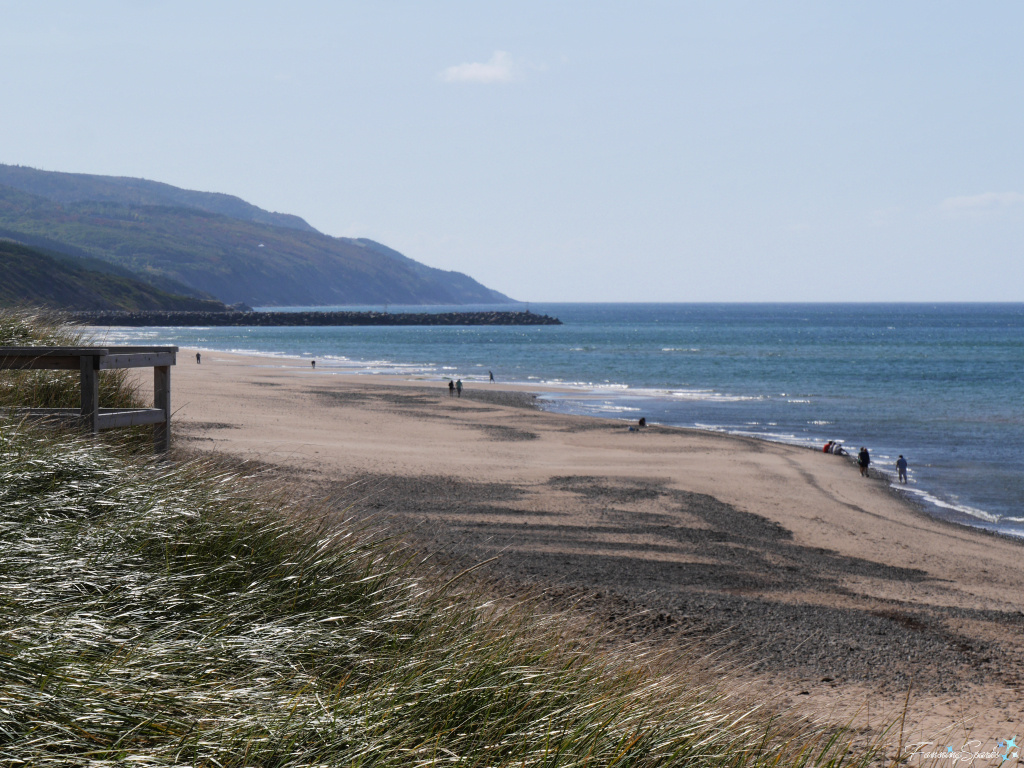
Turns out, it’s not just a passing feeling, emerging scientific research shows that spending time on or near bodies of water can directly and indirectly promote health and prevent disease. Some of the potential benefits are improved mood, greater physical activity, recovery from depleted attentional capacity and recovery from stress.
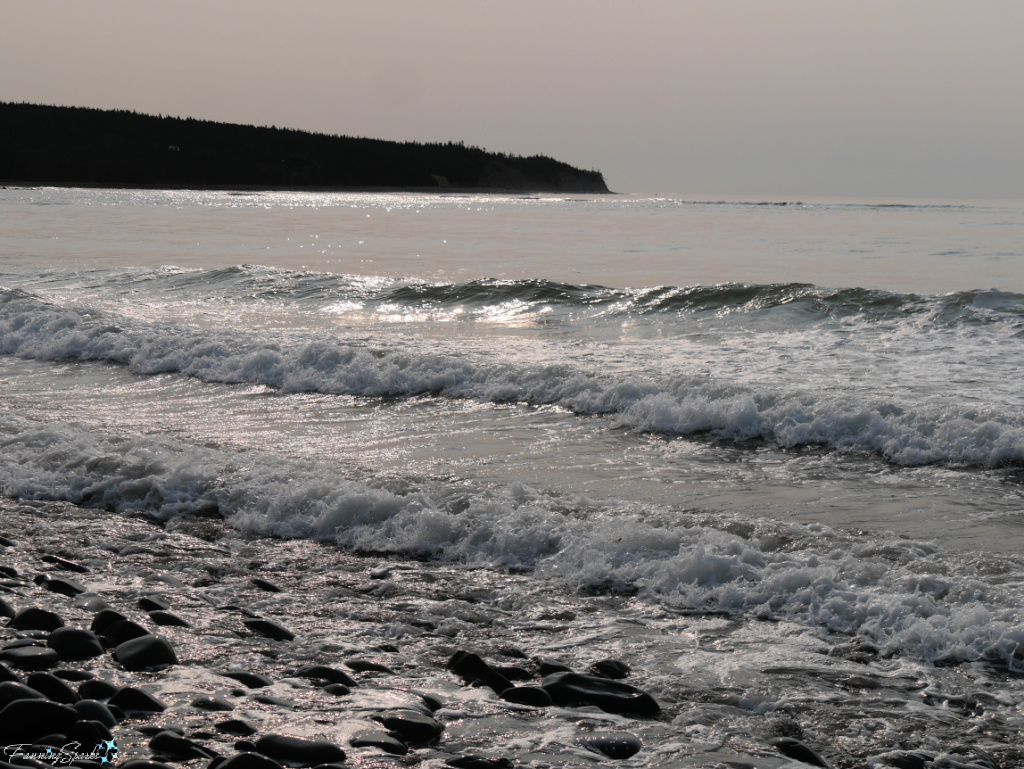
The field of study, referred to as “blue health” or “blue care”, encompasses a variety of “blue spaces”.
The BlueHealth Project, “a large, integrated interdisciplinary research project carried out under the European Union Horizon 2020 Research Framework Programme between 2016 and 2020”, defines blue space as “outdoor environments — either natural or manmade – that prominently feature water and are accessible to humans either proximally (being in, on or near water) or distally/virtually (being able to see, hear or otherwise sense water)”.
The published findings of the BlueHealth Project are extensive and complex and I won’t presume to understand them completely. But I did take away a few key points. In the chapter about “Potential Benefits of Blue Space for Human Health and Well-Being”, the authors “provide an overview of the growing but disparate literature that examines the potential benefits to health and well-being from exposures to aquatic (blue space) environments such as rivers, lakes and the coast”.
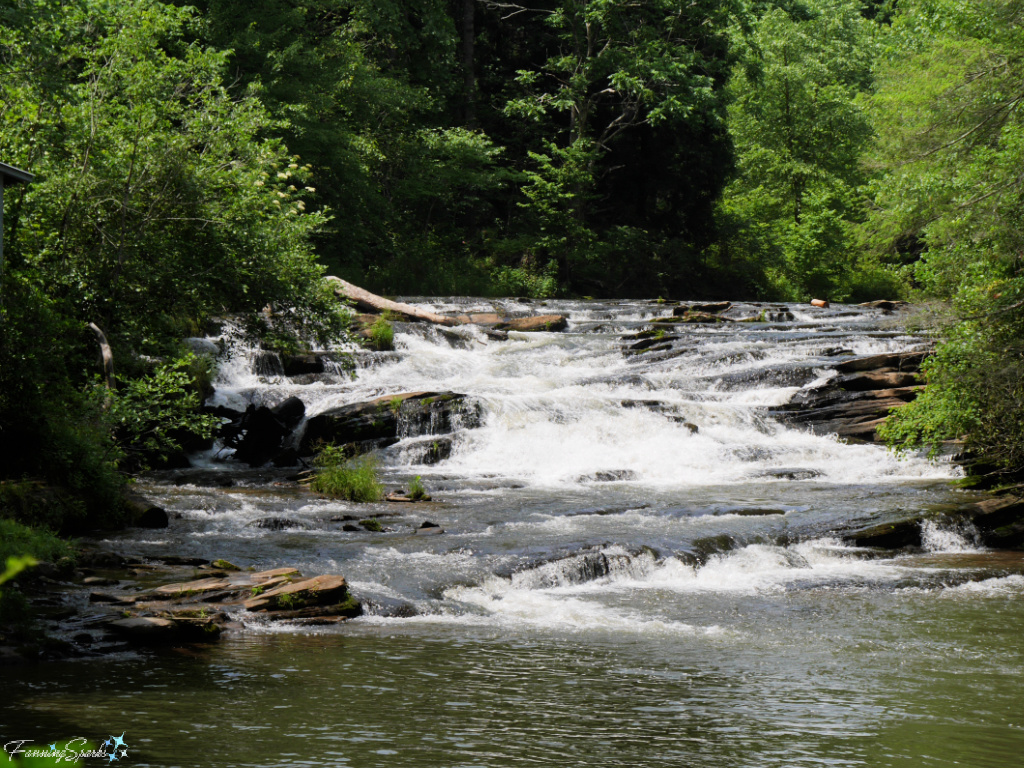 “Results are not all clear cut” they conclude, “but there is evidence … that access to safe, clean and attractive blue spaces has a range of potential health and well-being benefits, due to a variety of mechanisms (e.g. lower temperatures, increased physical activity, lower stress, encouraging quality time with friends and family), for a wide range of people”.
The study also calls out that blue spaces can provide opportunities for obtaining fresh sea air, resting and enjoying the view, observing wildlife, gaining a sense of perspective in the face of the forces of nature (the sublime), being close to water and nature, solitude, socializing, experiencing nature, gaining a sense of openness, observing water and experiencing spray and noise.
It is worth noting that many of these benefits can also be enjoyed by spending time in green spaces such as forests, fields and gardens. Easkey Britton and her fellow National University of Ireland authors write in their 2018 research paper, Blue Care: A Systematic Review of Blue Space Interventions for Health and Wellbeing, “It is evident that there is much overlap between blue and green spaces, however, authors have argued that blue spaces offer very different sensory experiences and are used in different ways with different outcomes and benefits that are often overlooked and remain poorly understood”.
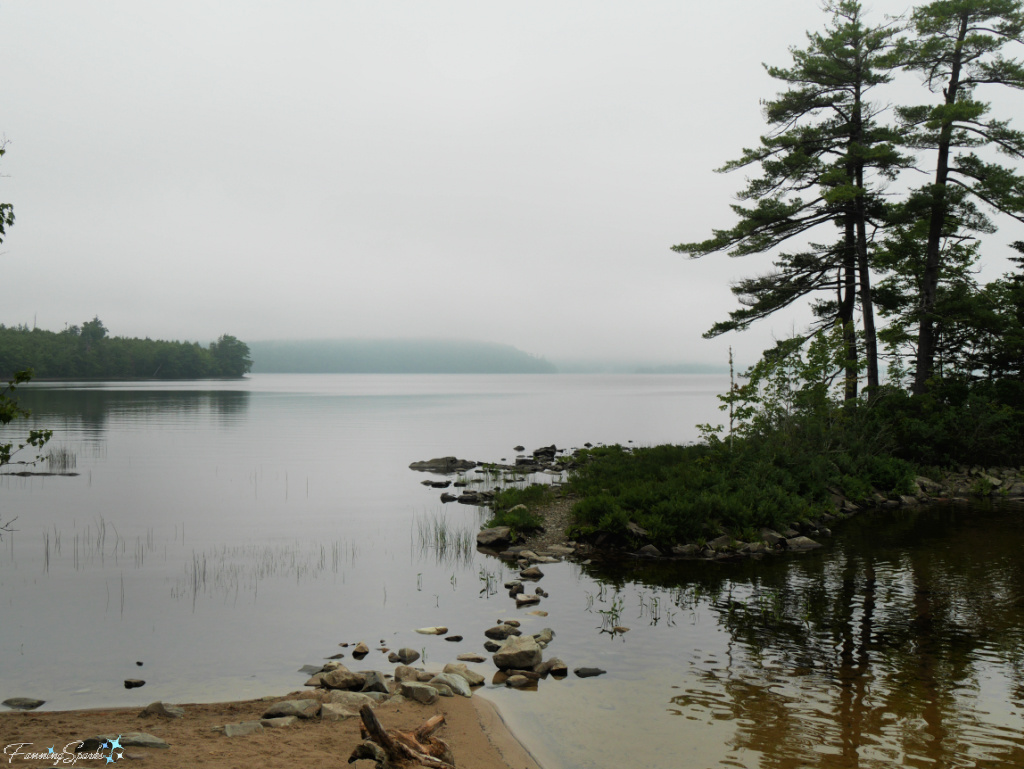
The Universitat de Barcelona authors of a November 2024 article titled “Blue Health: How the Sea Benefits Our Physical and Mental Wellbeing” concur. “Being near natural bodies of water, especially the sea, has proven health benefits” they write. “Scientists have offered a number of explanations for these benefits. Being near water often means we do more physical activity, while natural surroundings also have a restorative effect on our mental wellbeing and social lives, meaning they also have mental health benefits.”
“Have you ever gazed out at the sea and felt the world become smaller?” ask the authors.
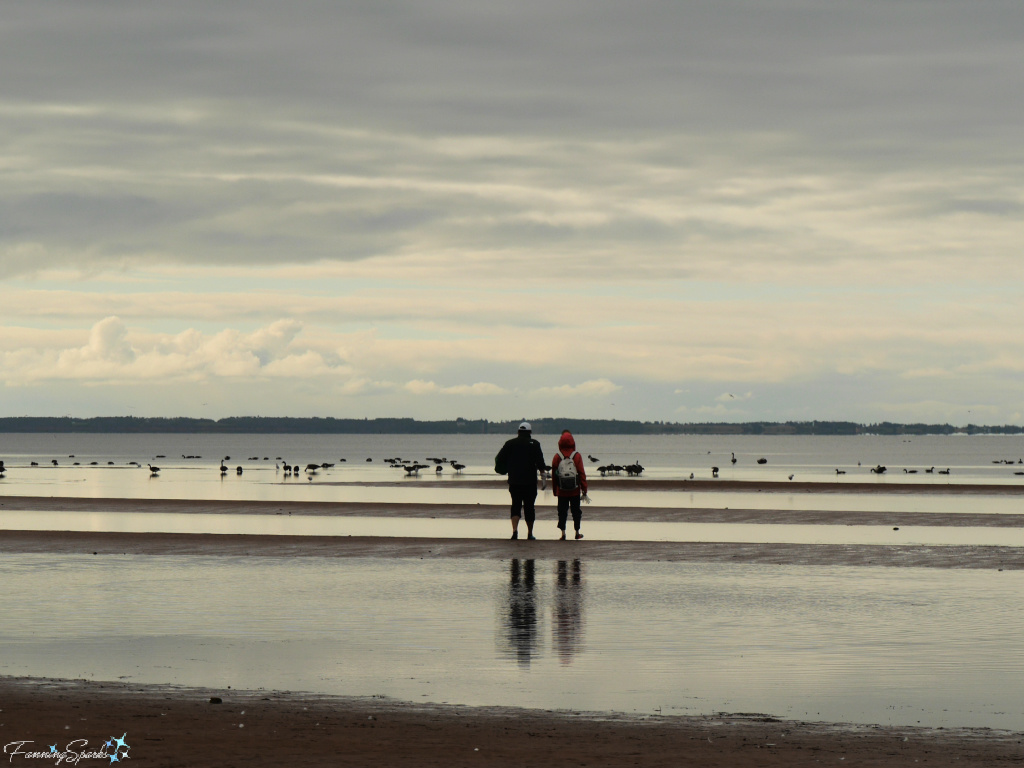
“Perhaps you have swum in its waters and felt that time stood still, that the noise and chatter of the world faded away to a distant whisper, or you have marvelled as the sun slid gently beneath its horizon.
In these moments, we often feel a sense of admiration or amazement, a feeling of smallness in the face of something so immense that it leaves us speechless. Maybe this is because we are ourselves 70 % water, or because the sheer scale of the sea puts us in perspective, reminding us of our connection to something much larger. This range of feelings – referred to as “awe” – has been extensively researched by psychologists.” See my previous blog post, Cultivating a Sense of Wonder and Awe, for a deeper dive into this topic.
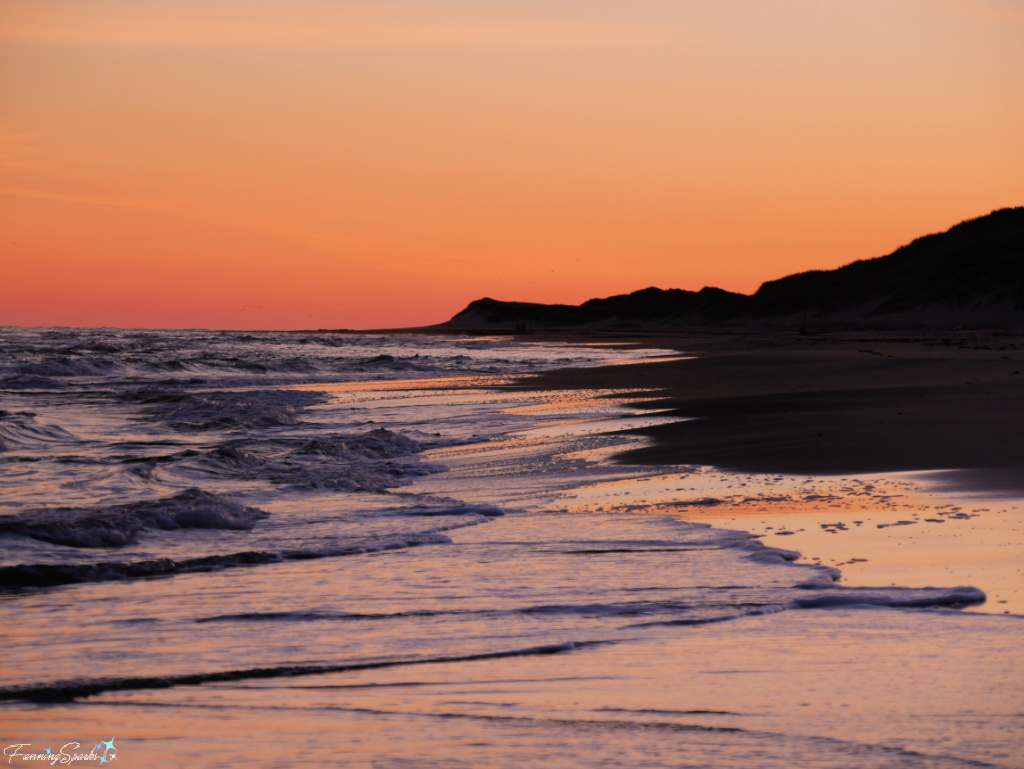
As defined by the BlueHealth Project, blue spaces include “all visible, outdoor, natural surface waters with potential for the promotion of human health and wellbeing. This excludes outdoor swimming pools, garden ponds and fountains, however, it can include modified and artificially constructed spaces that still contain natural surface water such as a canals, dammed lakes or urban streams/rivers.”
Interestingly, the BlueHealth Project findings include a “comprehensive typology of blue space categories and sub-types” along with descriptions of the main characteristics, kinds of blue infrastructure found there, the possible health and well-being benefits, the associated risks and some ecological aspects and sensitivities.
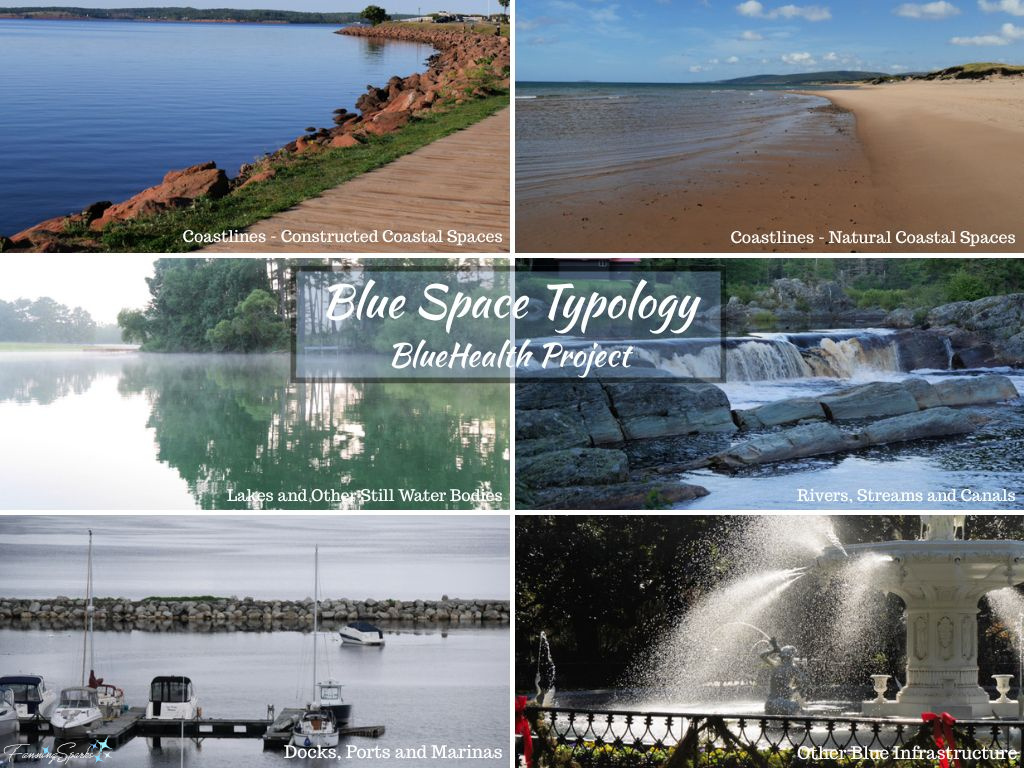
Five high-level categories of blue spaces were identified in the study including Coastlines; Lakes and Other Still Water Bodies; Rivers, Streams and Canals; Docks, Ports and Marinas; and Other Blue Infrastructure. The high-level category of Coastlines is further broken down into Constructed Coastal Spaces and Natural Coastal Spaces.
This image illustrates the categories of blue spaces identified by the BlueHealth Project.
Coastlines – Constructed Coastal Spaces
Each high-level blue space category is divided into multiple types. For instance, two types of blue spaces, promenade and pier, were identified within Constructed Coastal Spaces.
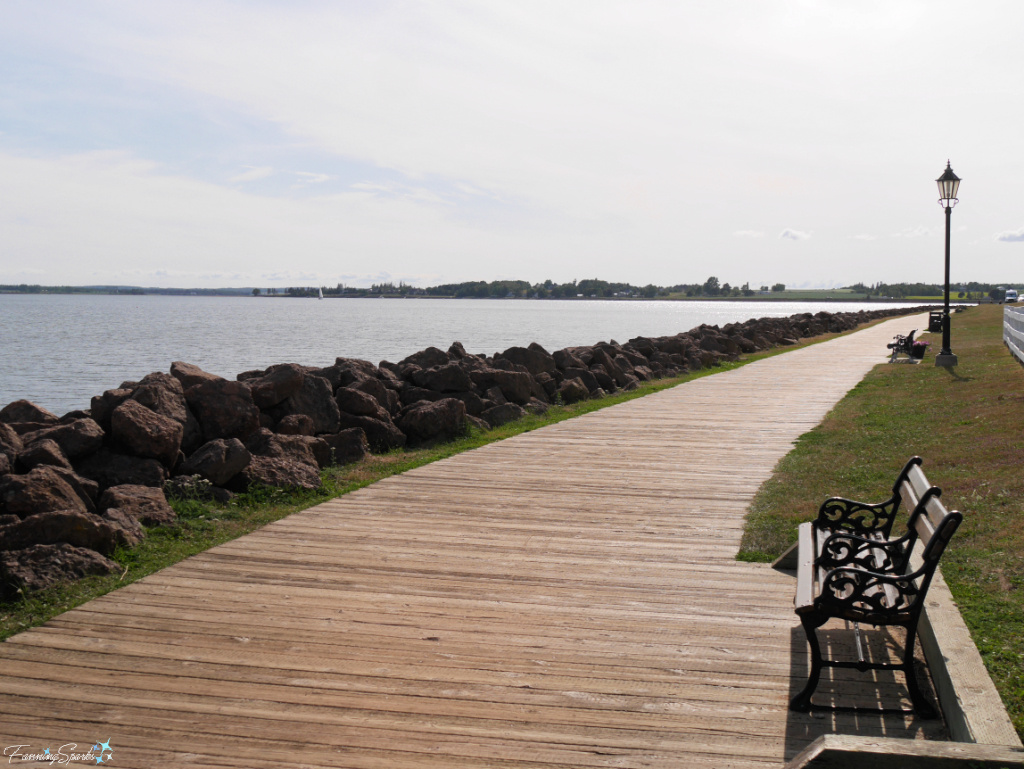
The main characteristics of a promenade are identified as “A constructed terrace running behind the beach (of whatever type) both protecting the urban structure behind and providing amenities for visitors”. The recreational, health and well-being benefits of a promenade are noted as “Ideal places for walking, cycling or jogging, obtaining fresh sea air, enjoying the view, sunbathing”.
Shown below is the Victoria Park Boardwalk in Charlottetown, Prince Edward Island which is a great example of a promenade blue space as defined by the BlueHealth Project―I’ve personally witnessed visitors enjoying all of activities mentioned at this beloved site.
I’ve had the pleasure of visiting a variety of blue spaces over the years so I was curious to see how the BlueHealth Project Blue Space Typology described them.
Coastlines – Natural Coastal Spaces
First up, is the Natural Coastal Spaces category which includes sandy beach, stony beach, sand dunes, sea cliffs, salt marsh and estuary. A few examples from this blue space category ―sandy beach, salt marsh and sea cliffs―follow.
A sandy beach is defined as “A beach, tidal or non-tidal, composed of sand deposited by longshore drift. If tidal, covered by the sea twice a day and washed clean, or detritus is washed up. Sloping to flat in profile.” Elements of blue infrastructure to consider for a sandy beach are noted as “The beach may be contained by sand dunes, a promenade, cliffs or other structures. The sand may be retained by groynes or other structures”. The recreational, health and well-being benefits listed are “Sunbathing, sea bathing, relaxing, playing beach sports, horse riding, swimming, fishing, surfing, wind surfing and other action sports”.
The beautiful, sandy beach shown below is Cherry Hill Beach in Nova Scotia.
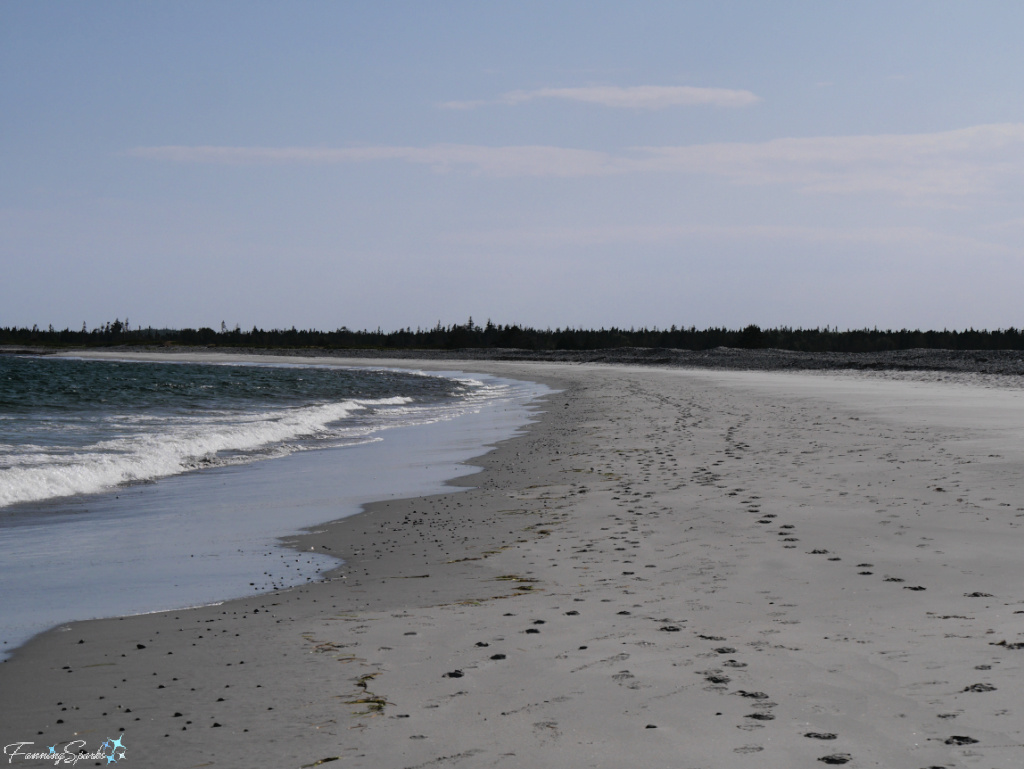
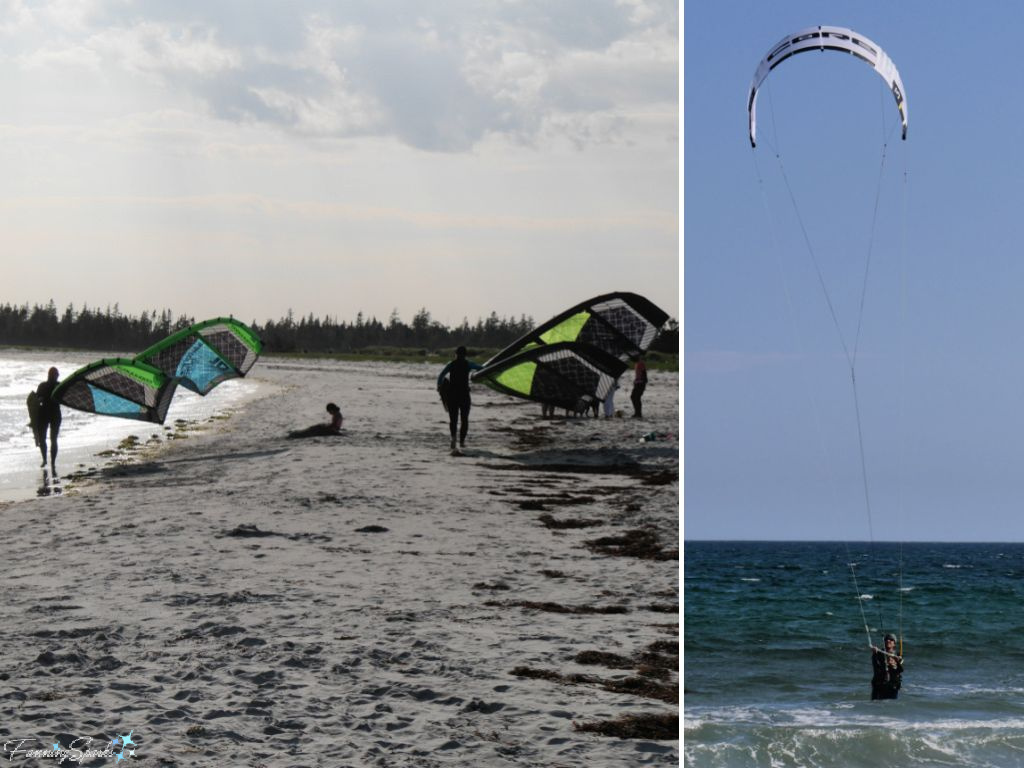
I visited Cherry Hill Beach several times and, for the most part, had this beautiful beach all to myself! One day, however, there were a few other people kite surfing which was fascinating to watch.
The main characteristics of a salt marsh are defined as “Low-lying areas behind the sea and sand dunes or shingle bars which are generally wetter and saline, colonised by vegetation adapted to the conditions”. Elements of blue infrastructure to consider for a salt marsh “May be wooden boardwalks to allow hiking through the salt marshes” and the recreational, health and well-being benefits are noted as “Walking (if paths provided), bird watching”.
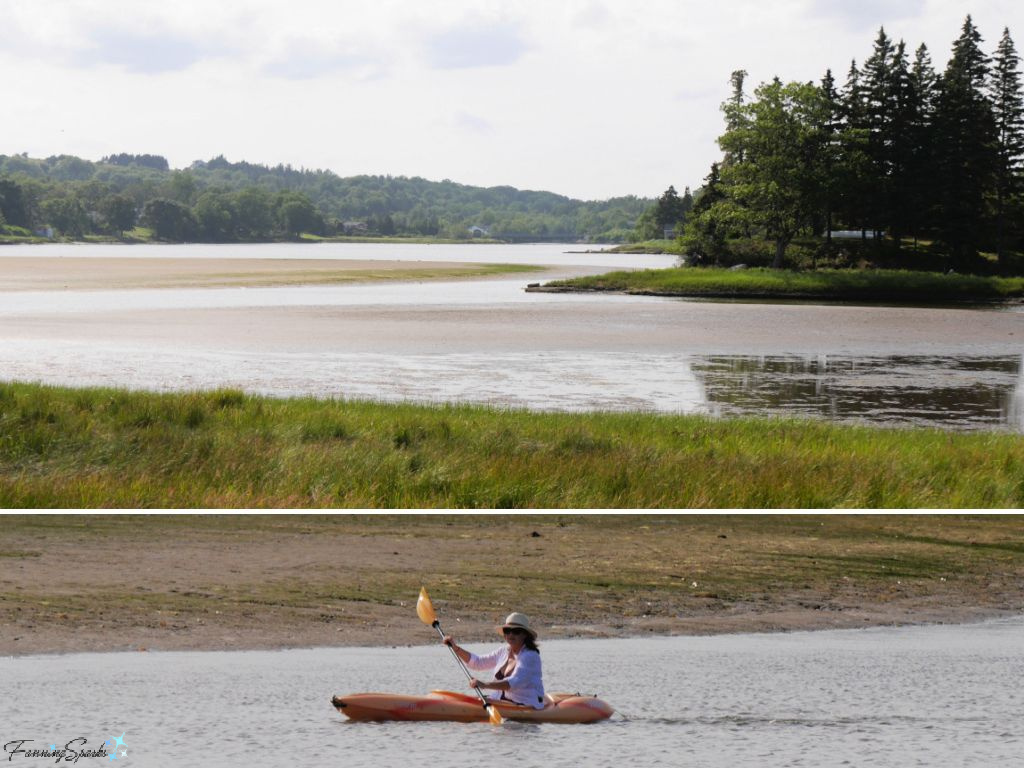
Shown below is the boardwalk on the Salt Marsh Trail in Rissers Beach Provincial Park in Nova Scotia.
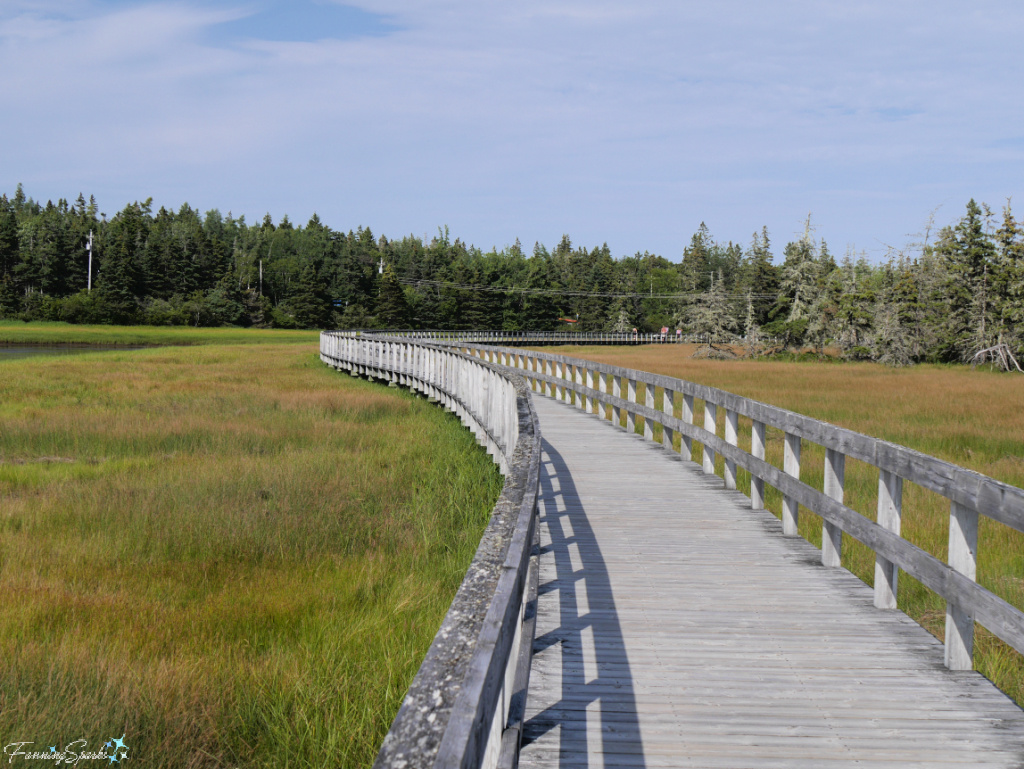
The salt marsh is part of the estuary where the freshwater from the Petite Rivière flows into the sea water of the Atlantic Ocean. Quite a few people were enjoying the boardwalk and beach at Rissers Beach when I visited. There were also a few kayakers, including the person pictured below, paddling in the salt marsh.
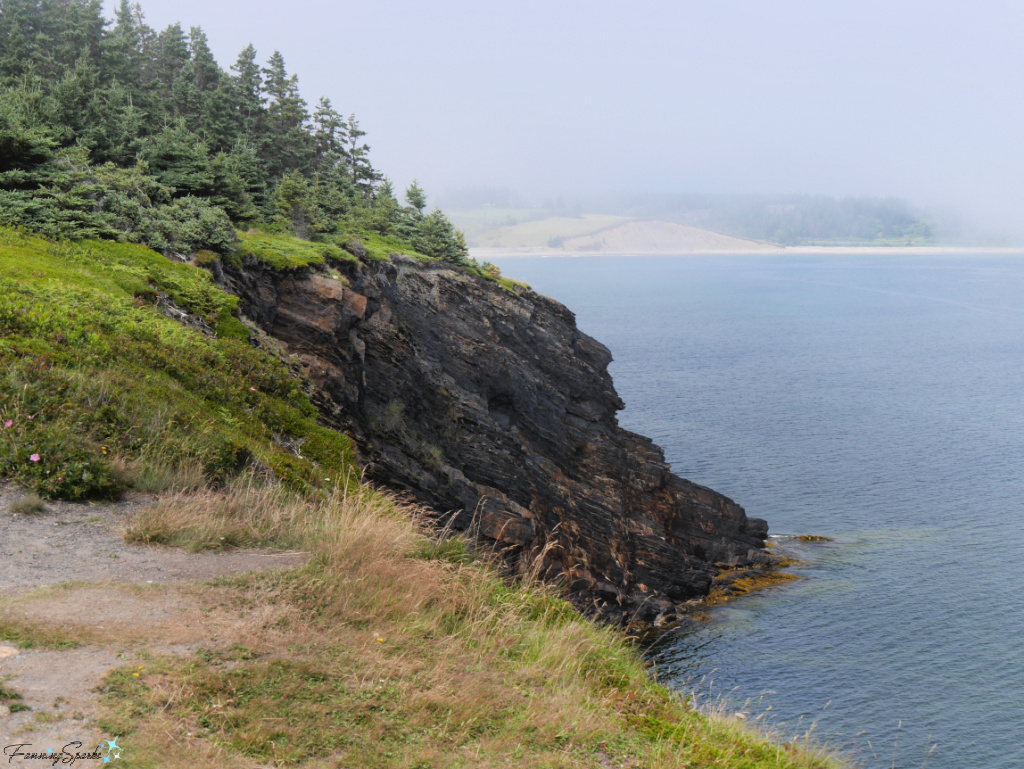
Sea cliffs are another type of blue space in the Natural Coastal Spaces category. The main characteristics of sea cliffs are described as “Steeply sloping, up to vertical and may be low or extremely high, made of different types of bedrock and sometimes softer sediments. If bedrock, then likely to be accompanied by wave-cut platforms, caves, arches, stacks and other geographical features, including rock pools in the intertidal zone”. Elements of blue infrastructure to consider for sea cliffs “May be provided with steps down to the beach, if present, or intertidal zone; may be safety barriers along the top of the cliff, walkway along the top”. The recreational, health and well-being benefits are noted as “Viewing the sea, observing wildlife, beach activities (if there is a beach), breathing in the sea air, gaining a sense of perspective in the face of the forces of nature (the sublime)”.
Risks are also noted as part of the BlueHealth typology descriptions. Unsurprisingly, the risks noted for sea cliffs are particularly serious and include “Falling off the cliff, material falling from the cliff, being cut off by the sea at high tide if people use the wave-cut platform or beach down below the cliff”. Shown below is a section of Gaff Point Trail which runs along sea cliffs on Nova Scotia’s rocky coastline.
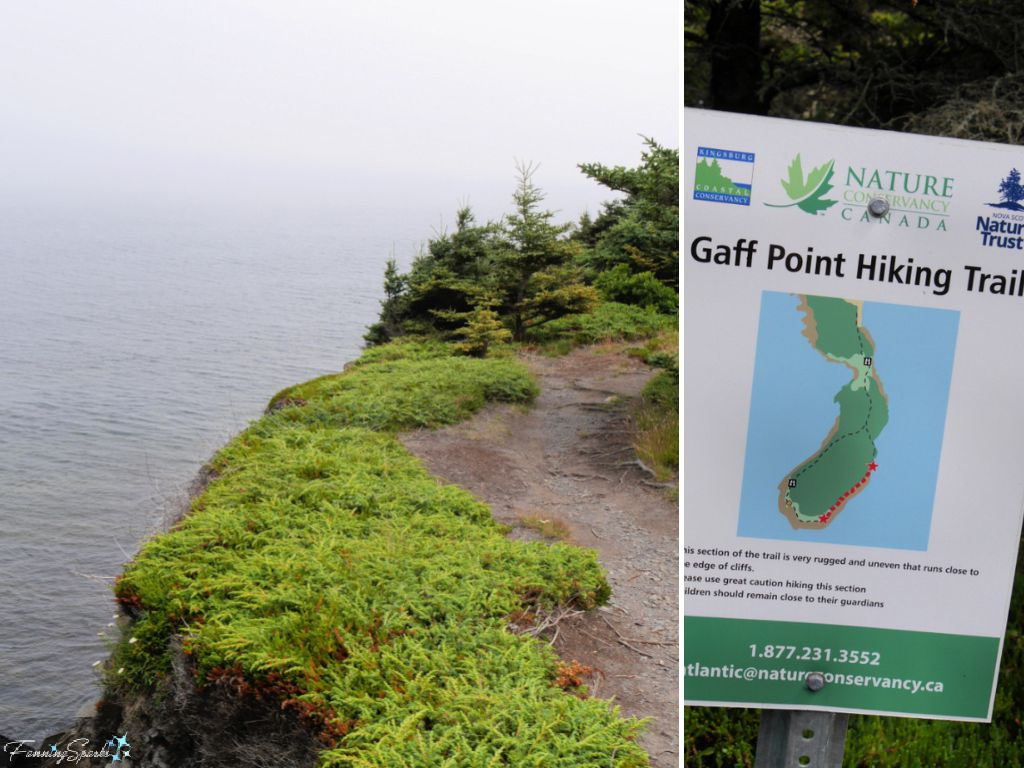
The views along the trail were stunning!
Lakes and Other Still Water Bodies
Next are a few examples from the category of Lakes and Other Still Water Bodies which encompasses several types of blue spaces including natural lake, artificial lake, reservoir, pond, wetland, fen, marsh and bog.
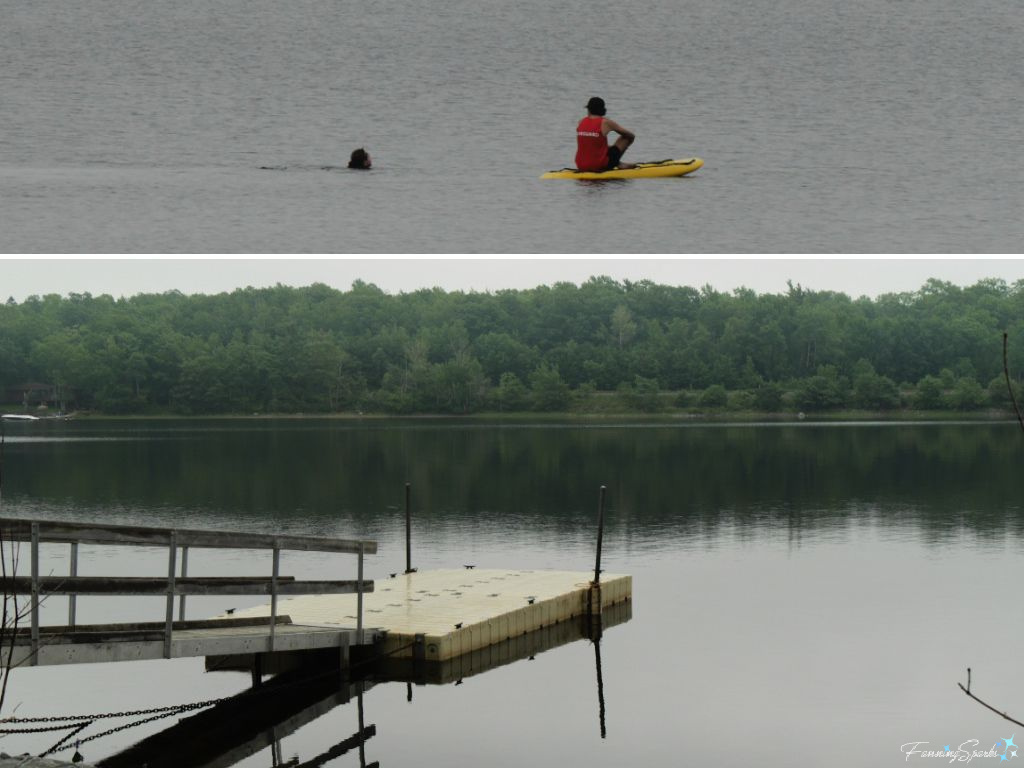
A natural lake is defined as “A fresh water body with edges which are usually vegetated, the vegetation depending on the gradient and depth of the water. May have sandy beaches, stony edges or vegetation such as reed beds and emergent plants.” Elements of blue infrastructure to consider for natural lakes are noted as “At beaches, there may be toilets, changing rooms, swimming platforms and jetties, boat launching facilities, picnic sites, trails and boardwalks”. The recreational, health and well-being benefits of natural lakes are noted as “Depending on the context, there will be possibilities for water-based physical activities in summer such as boating, swimming and fishing and winter (if in the north); frozen lakes offer skiing, ice-fishing, skating. Being close to nature, sunbathing, fresh air, solitude”.
Shown below is Shubenacadie Grand Lake, a natural lake in Nova Scotia, as viewed from Oakfield Provincial Park. I’ve written about this park before―see A Walk in the Park for details.
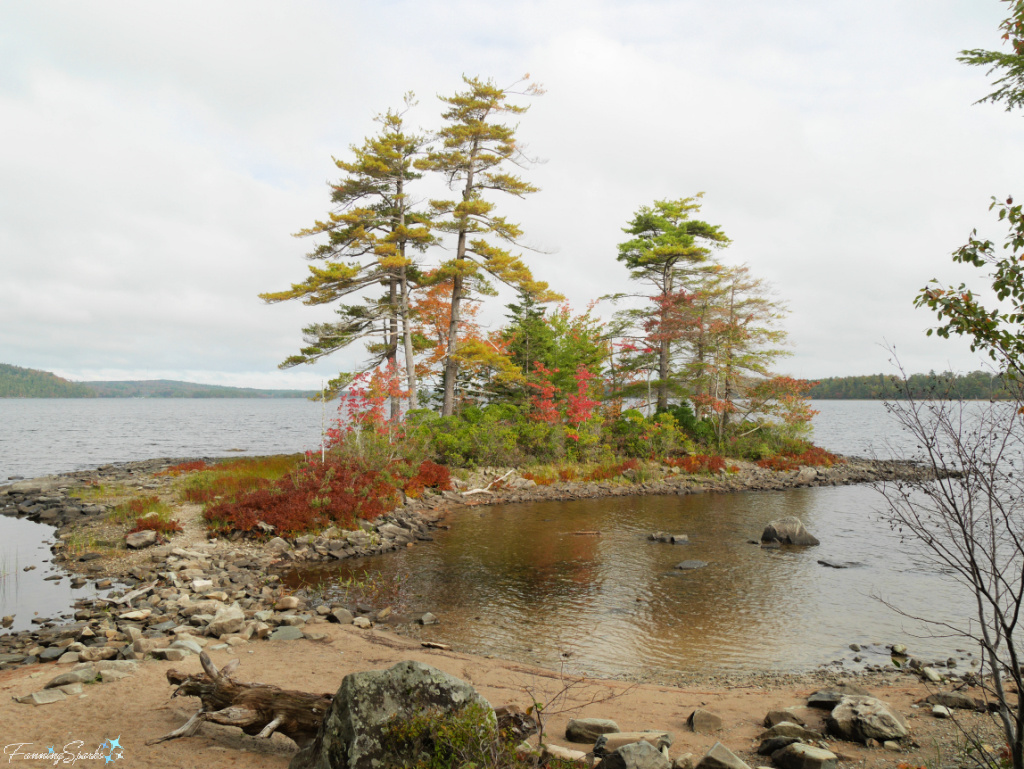
The lake, easily accessible from the shoreline or the public boat launch, is popular for boating, kayaking, fishing, swimming, and, occasionally as shown below, taking your dog for a swim from your standup paddleboard.
A reservoir is “Usually created by damming a stream or river to create a water body for human water supply purposes or electricity generation. May be steep slopes leading into the water if a deep valley was dammed. Water levels tend to fluctuate as water is drawn down at certain times of the year”. Elements of blue infrastructure to consider are noted as “Some reservoirs are not accessible for recreation or direct use because of water purification restrictions. Others may be opened to recreation such as water sports or, in safe places, swimming and informal recreation on the shores. Swimming platforms and jetties, boating facilities, beaches, picnic sites”. The recreational, health and well-being benefits of reservoirs are noted as “May only permit walking along the edges and views and experience of being close to water and nature. If accessible, then physical activity of water sports such as sailing, kayaking, canoeing and fishing in summer or, if frozen, ice fishing, skiing, skating”.
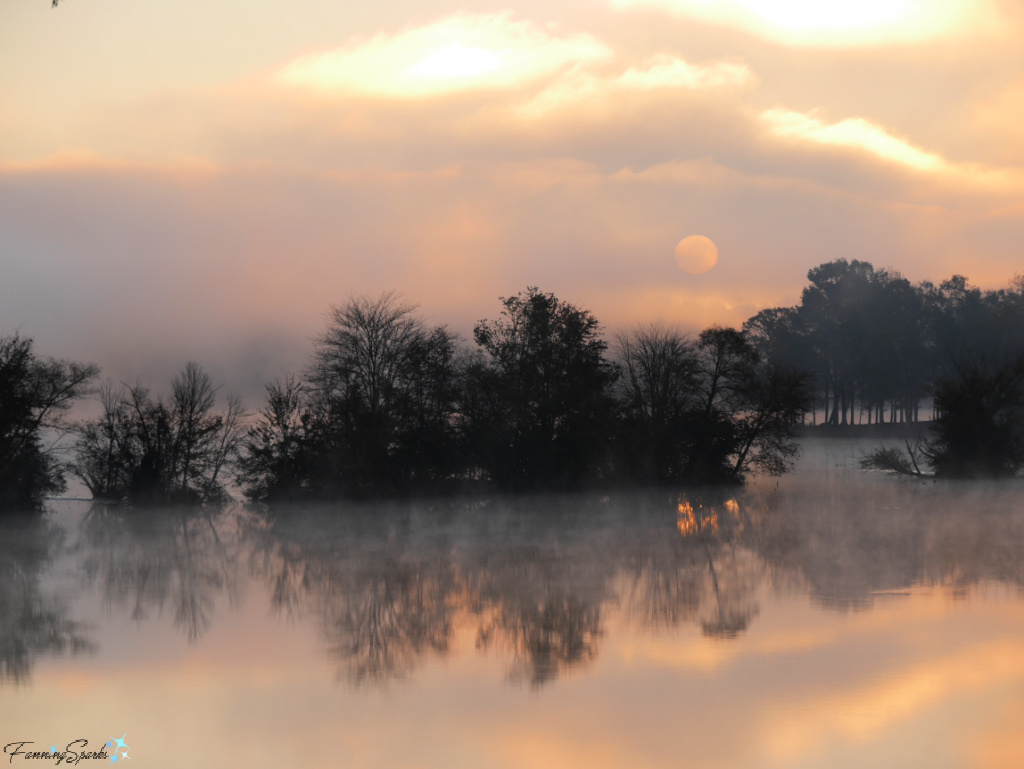
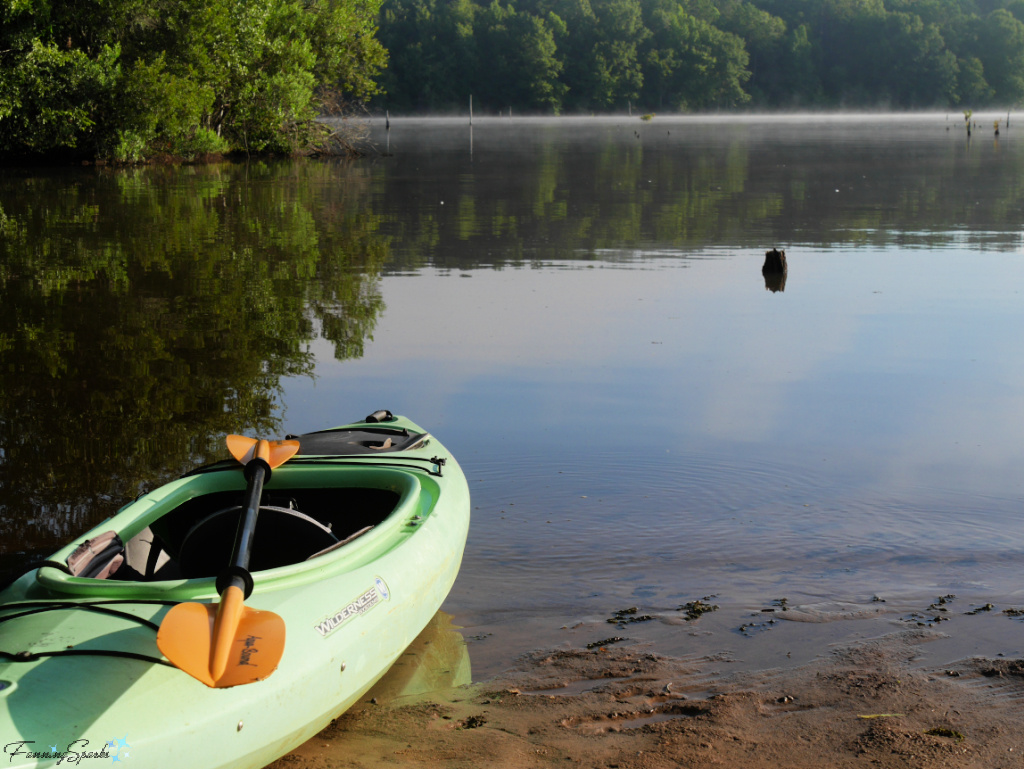
Lake Oconee in Georgia, where we lived for several years, is a man-made reservoir created by the Georgia Power Company for the production of hydroelectric power. Shown below is an early morning view of Lake Oconee from our porch. The lake, which has a surface of over 19,000 acres, is open for a variety of recreational uses including my personal favorite―kayaking.
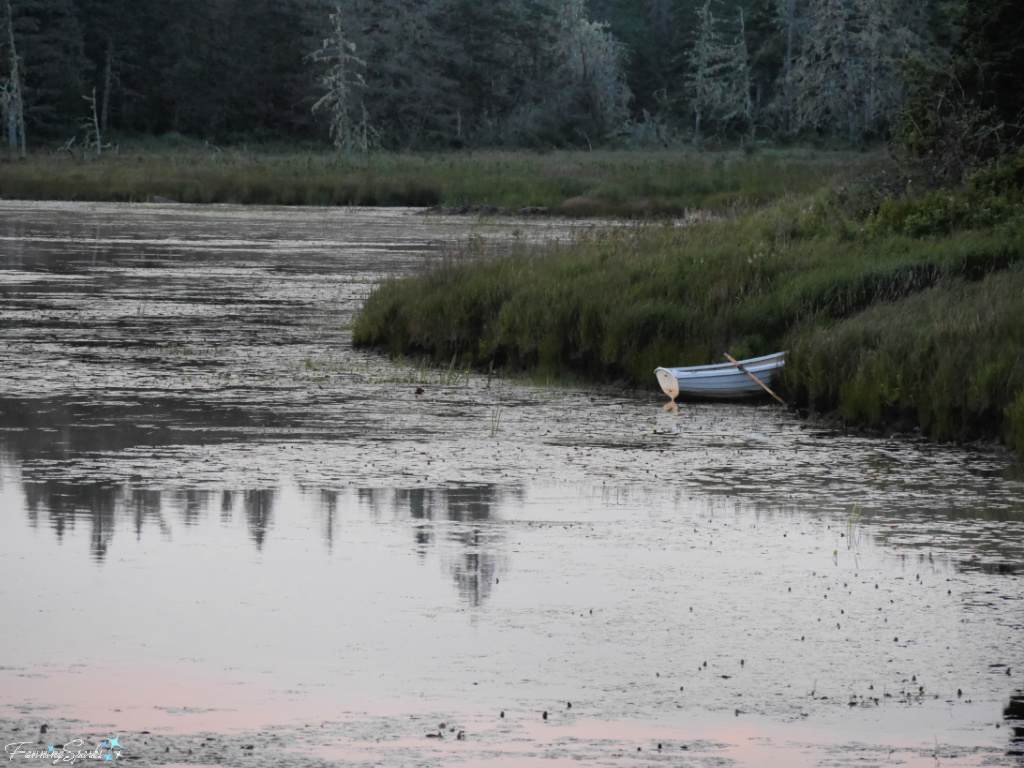
A pond is defined as “A water body smaller than a lake, may be natural but mainly artificial, created for a variety of purposes … Usually shallow and either ground water-fed or dammed and fed by streams. Vegetated naturally or maintained as grassy edges in, for example, urban parks”. Elements of blue infrastructure to consider for ponds are “Depending on size and depth may be used for swimming, and boating, fishing and ice fishing (if frozen in winter). May have swimming decks, benches, paths and lighting if in urban parks.” The recreational, health and well-being benefits are noted as “Viewing as part of the scenery (ornamental ponds), physical activity such as swimming or boating in summer; skating, ice hockey, curling and sauna-dipping if frozen in winter”.
This simple rowboat pulled ashore on Arties Pond, near Broad Cove in Nova Scotia, suggests residents may row and fish on this serene blue space.
Rivers, Streams and Canals
The blue space category of Rivers, Streams and Canals includes rivers, streams, canals, waterfalls and rapids. Rivers are further broken out as large or medium-sized with natural or artificial banks. Canals are differentiated as urban or rural.
The large river with artificial banks type is particularly interesting because it presents a more urban perspective on blue spaces. The main characteristics are noted as “Large rivers usually run through the center of a city and are the reason the city was founded. Many are canalised or regulated for flood control and to enable ships to pass. The rivers may be tidal, so their levels rise and fall daily. The main features are retaining walls made of stone or concrete and/or embankments with steep slopes. The top of the embankment may be lined with trees.”
This is a good description of the Rhine River―that great European river known for its significant cultural, historical and industrial contributions. My husband and I had a great view of this busy, urban river when we lived near Köln (Cologne), Germany for a few years. We were fascinated by the never-ending activity on the river―shipping barges, cruise boats and recreation vessels were constantly moving up and down the river.
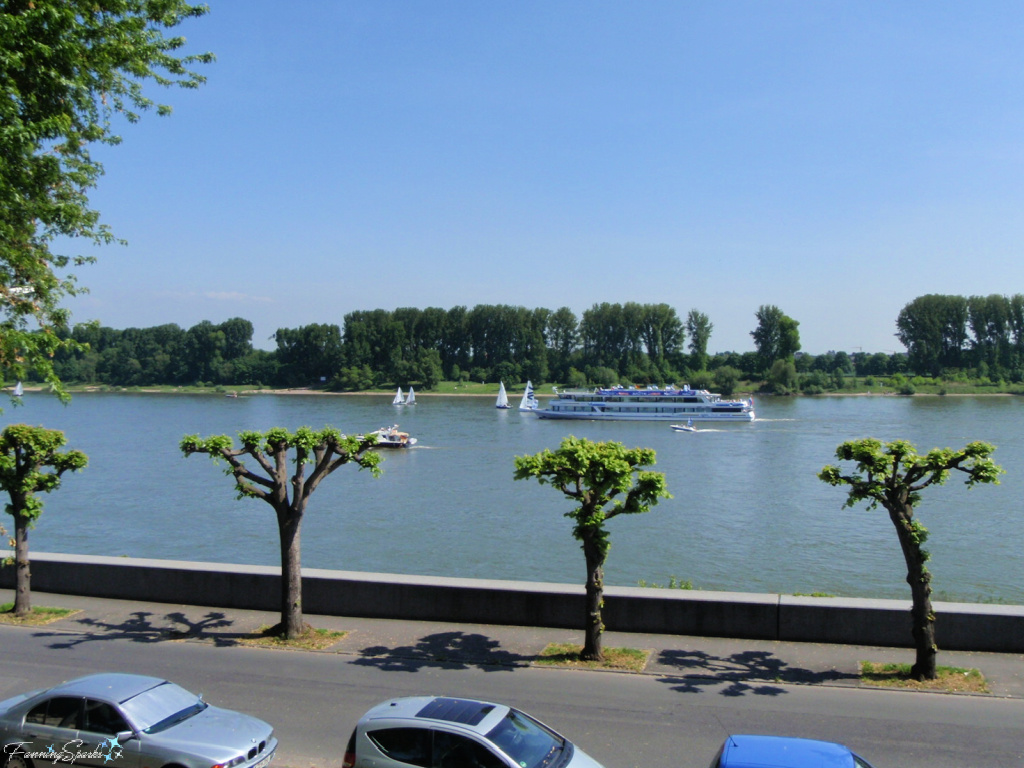
BlueHealth describes the elements of blue infrastructure for a large river with artificial banks as: “There are usually walkways or promenades along the top of the retaining walls or embankments, although in some cities, roads follow them as well, making it noisy and disturbed. There may also be lower-level terraces with steps and/or ramps leading down to them, enabling closer contact with the water – these are usually submerged during floods. Bridges may offer spectacular views.” The recreational, health and well-being benefits are noted as “Wider rivers help to give a sense of openness and views, mainly to other parts of the city. The upper embankment and lower terrace walkways provide opportunities for walking and running, cycling, sitting, sunbathing, and the lower ones may feel less busy and quieter, enabling some escape from crowds. Fishing may be possible if the water is clean. Boating of various sorts allows a different perspective of the city.”
All of these observations, especially the concrete retaining walls, the sense of openness and the opportunities to walk along the lower terrace, were applicable to the section of the Rhine River we enjoyed every day.
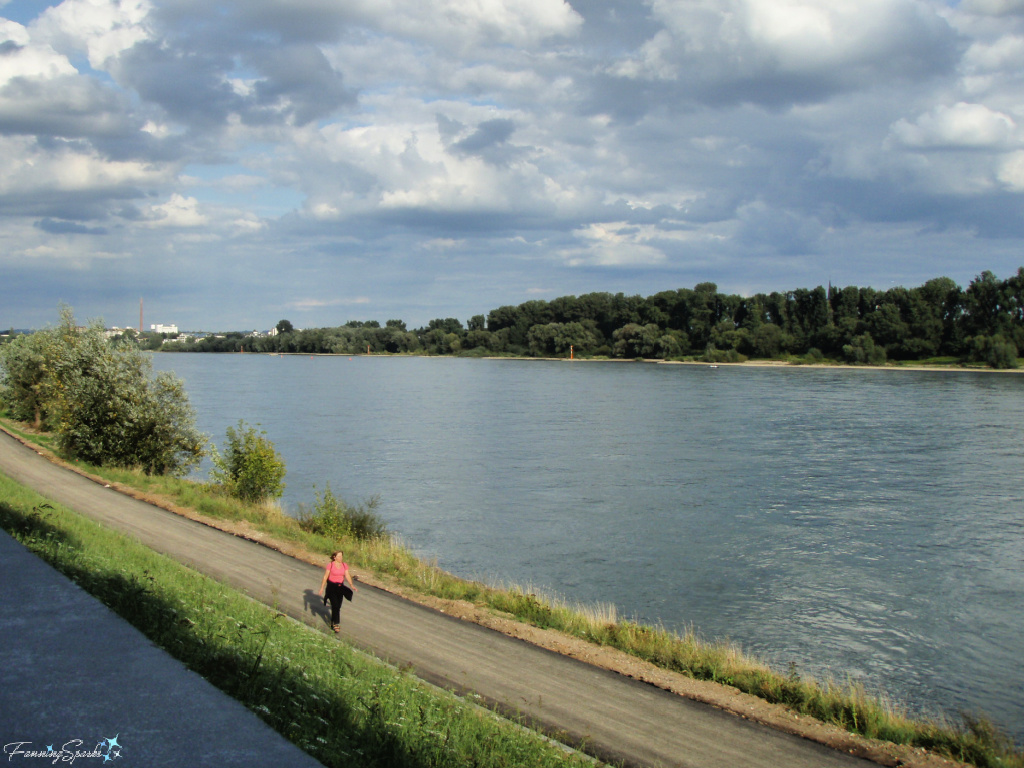
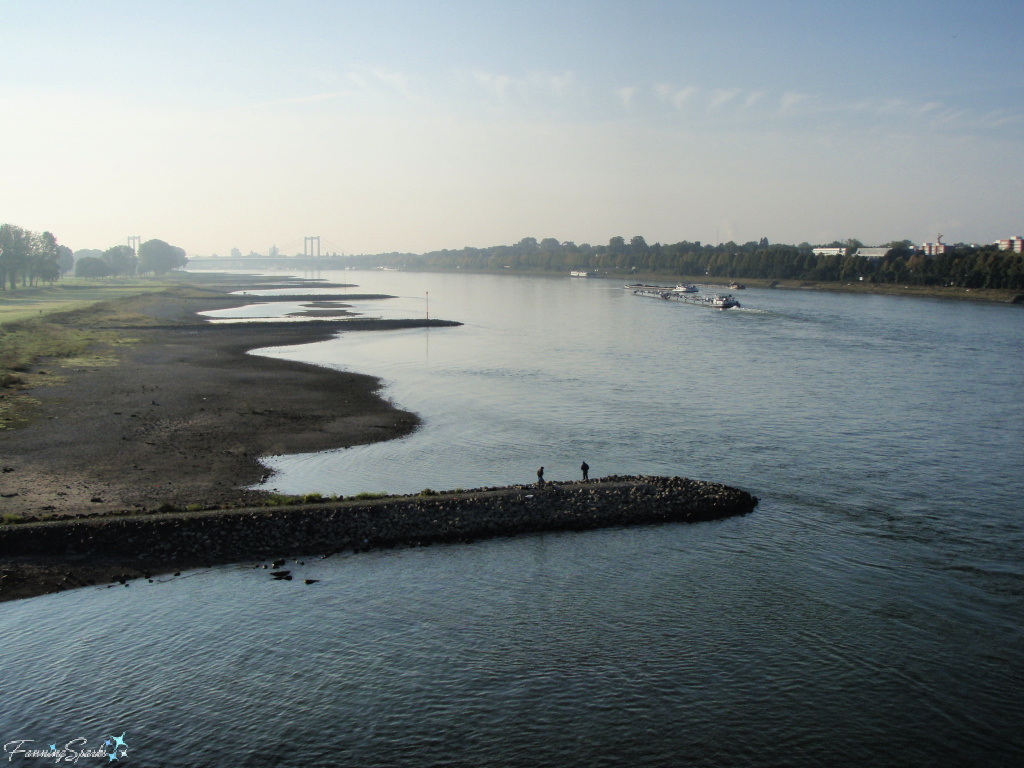
The risks for large rivers with artificial banks are identified as “Depending on the presence of safety rails and barriers, there are risks of drowning. Floods may pose a threat depending on the height of the water reached during severe flood events. Polluted water spray may cause diseases if blown into surrounding areas”.
The BlueHealth Project typology also notes “Ecological Aspects and Sensitivities” for each type of blue space. For instance, for large rivers with artificial banks, they are noted as “The water may be too polluted to permit much aquatic life, but if it is clean enough, there will be fish and invertebrates, but such rivers are not very ecologically sensitive.”
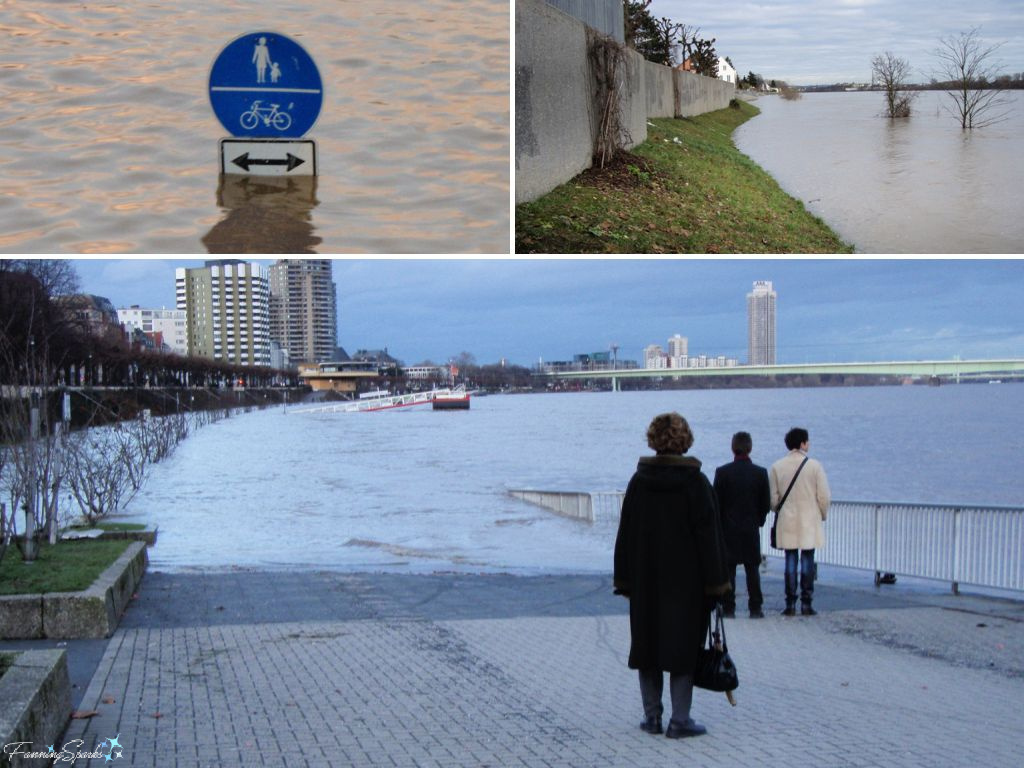
Flooding is indeed a risk on the Rhine River. We witnessed flooding over the lower-level terraces on several occasions.
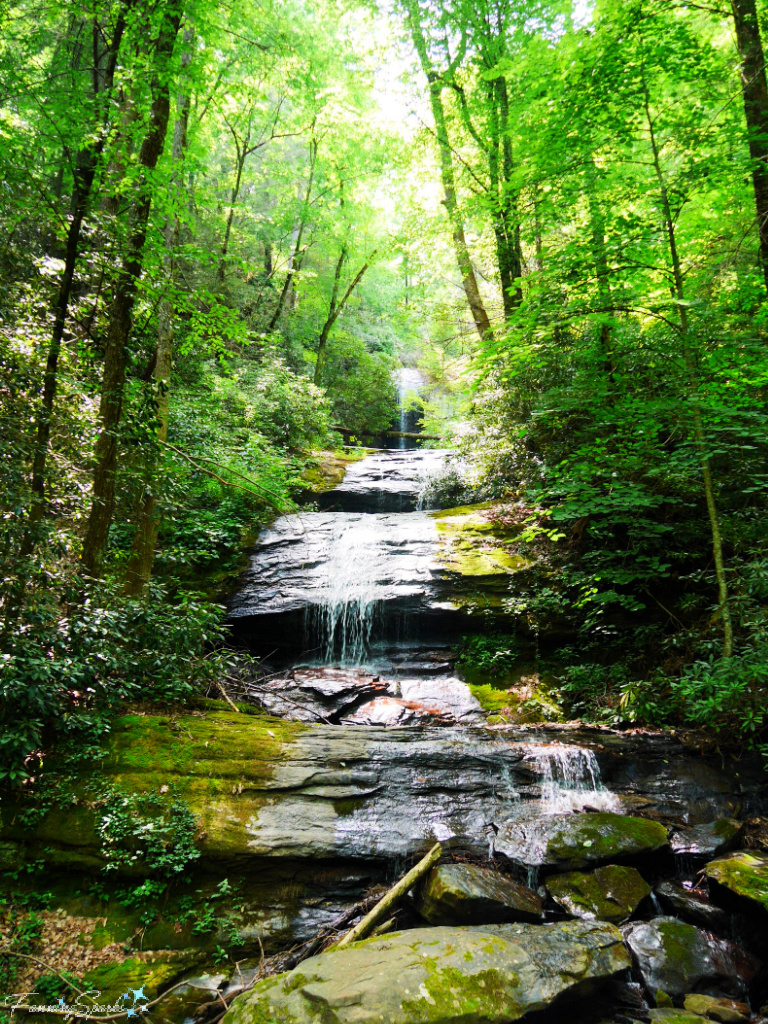
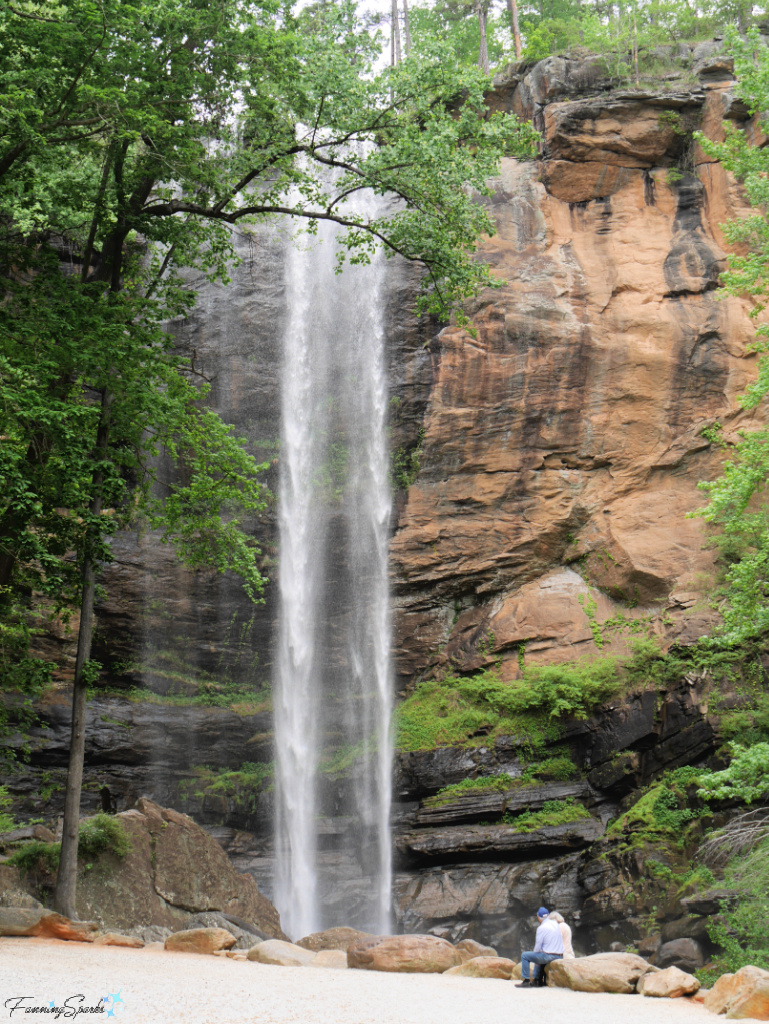
Waterfalls and rapids are another type of blue space found in the Rivers, Streams and Canals category. The main characteristics of waterfalls and rapids are described as “A steep section of a river or a place where a sudden change in level – perhaps due to geological conditions such as a cliff – results in water flowing more quickly or crashing over an edge. May have been controlled in order to harness power in urban areas”. Elements of blue infrastructure to consider for waterfalls and rapids are “Viewing platforms, safety railings, places to sit”. The recreational, health and well-being benefits noted are “Rapids may be used for extreme water sports, but usually these are dramatic and exciting places to observe water, experience spray and noise and obtain a feeling of closeness to nature.”
Shown below are a couple of examples of waterfalls from Georgia. The gentle, tiered horsetail waterfalls are DeSoto Falls and the dramatic plunge waterfall is Toccoa Falls. To learn more about waterfalls see my previous blog post, April Showers Bring May Waterfalls.
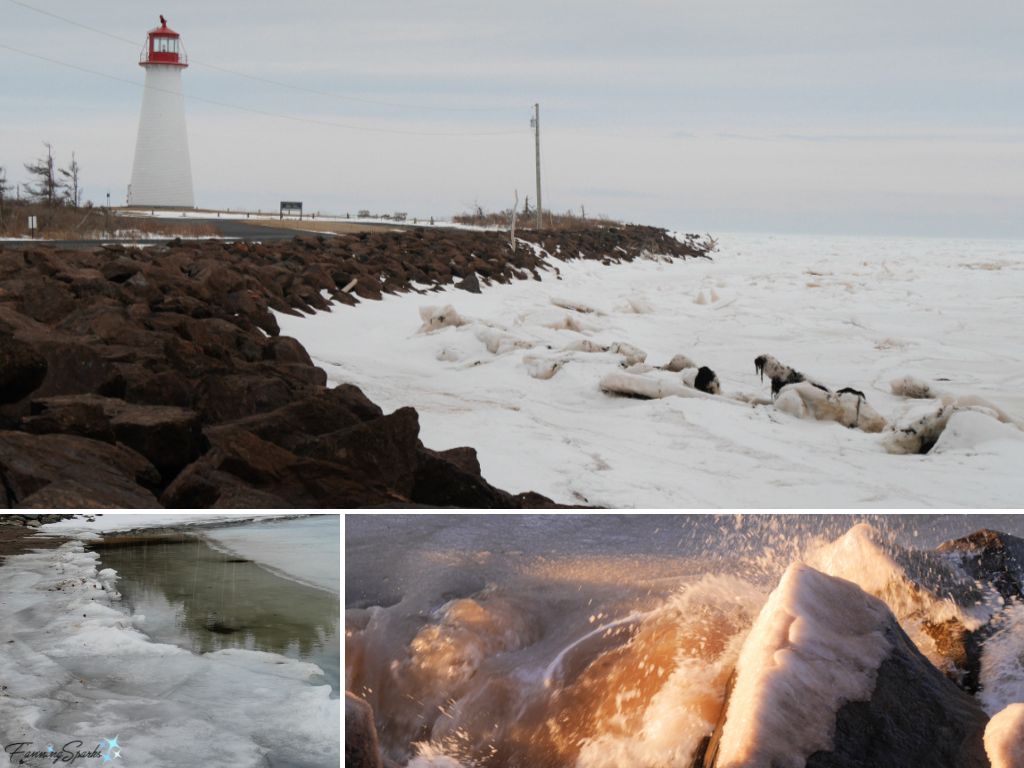
As with all outdoor activities, seasonality and weather can impact our enjoyment of blue spaces. The following photos show a different face of Atlantic Canada’s blue spaces. The point is blue spaces are available in all seasons and weather but they will be experienced in different ways.
To recap, emerging scientific research, such as the BlueHealth Project, shows that spending time on or near bodies of water can directly and indirectly promote health and prevent disease. Some of the potential benefits mentioned in this study are improved mood, greater physical activity, recovery from depleted attentional capacity and recovery from stress.
The field of study, referred to as “blue health” or “blue care”, encompasses a variety of “blue spaces” which the BlueHealth Project categorized and described in a Blue Space Typology. Blue spaces are defined as “outdoor environments — either natural or manmade – that prominently feature water and are accessible to humans either proximally (being in, on or near water) or distally/virtually (being able to see, hear or otherwise sense water)”.
The study also calls out that blue spaces can provide opportunities for obtaining fresh sea air, resting and enjoying the view, observing wildlife, gaining a sense of perspective in the face of the forces of nature (the sublime), being close to water and nature, solitude, socializing, experiencing nature, gaining a sense of openness, observing water and experiencing spray and noise.
More Info
Previous blog posts mentioned in this blog post include:
. Cultivating a Sense of Wonder and Awe
. A Walk in the Park
. April Showers Bring May Waterfalls.
The following books and articles were consulted in the writing of this blog post:
. Urban Blue Spaces – Planning and Design for Water, Health and Well-Being book (the major dissemination output of the BlueHealth Project) by Simon Bell, Lora E. Fleming and James Grellier which is available here on Internet Archives
. Blue Care: A Systematic Review of Blue Space Interventions for Health and Wellbeing article by Easkey Britton et al; Published February 2020 by Oxford University Press
. Blue Health: How the Sea Benefits Our Physical and Mental Wellbeing by David Gallardo-Pujol et al; Published November 2024 on The Conversation website
. How Water Heals (The Science of Happiness) podcast by Dacher Keltner on the Greater Good Magazine website
. How Human Health and Well-Being Depends on Healthy Marine Habitats in the Mediterranean: A Review by Josep Lloret et al; Published January 2024 by Heliyon
. The Surprising Benefits of Blue Spaces article by Frankie Adkins; Published November 2022 by on the BBC website.
Today’s Takeaways
1. Emerging scientific research shows that spending time on or near bodies of water can directly and indirectly promote health and prevent disease.
2. Blue spaces are “outdoor environments — either natural or manmade – that prominently feature water and are accessible to humans either proximally (being in, on or near water) or distally/virtually (being able to see, hear or otherwise sense water)”. BlueHealth Project
3. Some of the potential benefits of spending time in blue spaces are improved mood, greater physical activity, recovery from depleted attentional capacity and recovery from stress.


Comments are closed.