Online shopping has become an undeniable way of life. In 2024, nearly 30 million Canadians—roughly 72% of the population—made purchases online. Yet, despite the unmatched convenience of buying from the comfort of home, there is still a compelling case for shopping in person ― particularly for one-of-a-kind pieces. Galleries and boutique shops showcasing original artwork, handmade artisan goods, upscale décor, antiques and vintage treasures offer much more than a soulless point-and-click.
Take the antique shops of Great Village as an example. Packed with timeless charm, intriguing merchandise and good, old-fashioned customer service, this small country village puts the fun back into shopping in real life.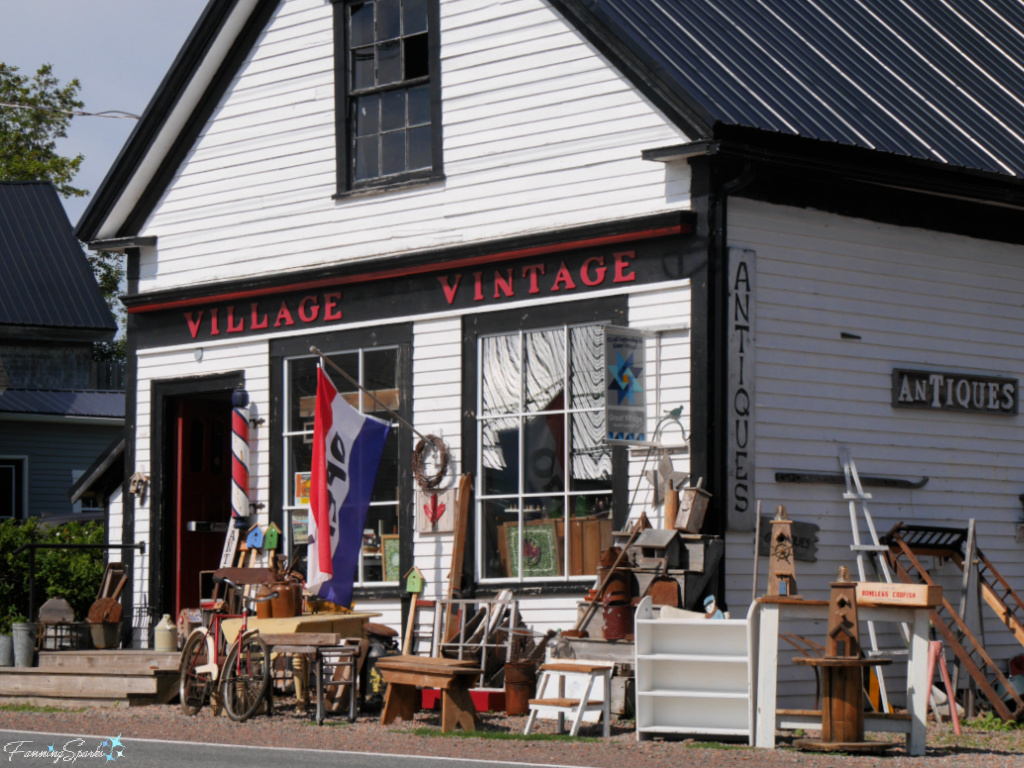 “Great Village is located in Colchester County, Nova Scotia on the scenic and historic Glooscap Trail. Unlike many rural communities where vacant buildings are decaying along with the memories of those who once lived there, Great Village is thriving.” explains CBC News Nova Scotia reporter Tom Murphy in his video report Land & Sea: How the Lure of Antiques Helps this Town. “With a nod to the past and an eye on the future, it has become Atlantic Canada’s antique destination. When the four antique stores are open, the rural community is hopping.”
Regular readers won’t be surprised that Great Village has become one of my favourite day-trip destinations. I recently visited the Great Village Antiques Exchange in the former R.F. Layton General Merchant store. It was a fetching sight ― flowers were cascading over the window boxes in the same way merchandise seemed to have overflowed onto the sidewalk.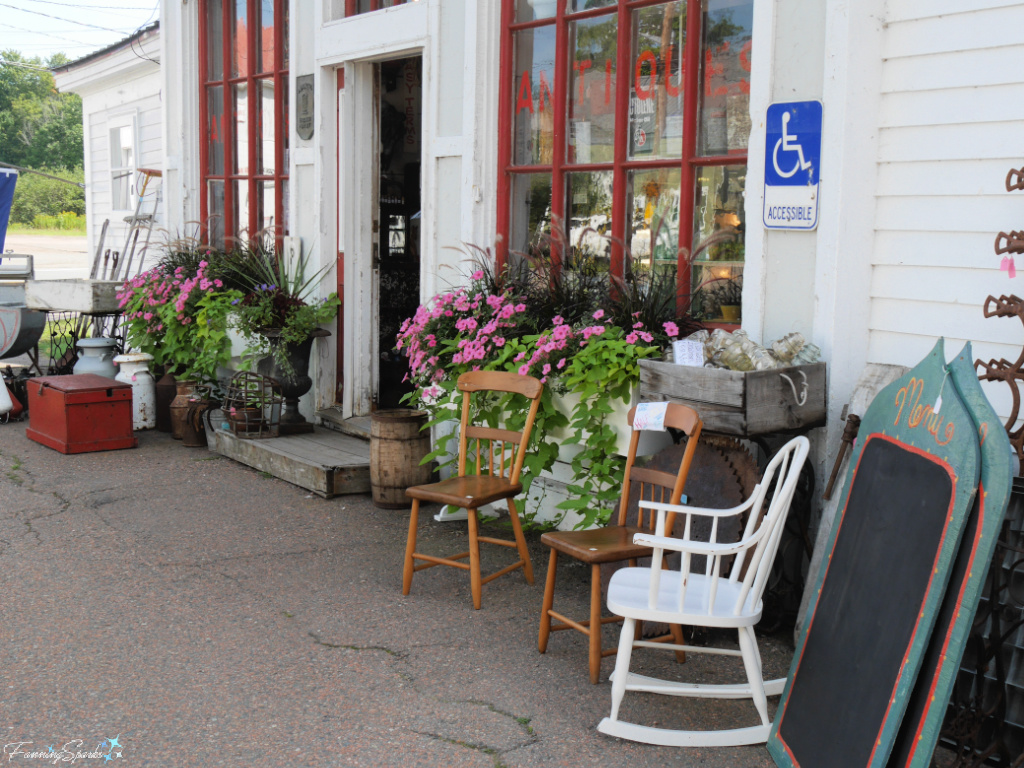 Stepping inside the front door, visitors were met with this stunning checkout counter, a rich assortment of vintage goods, and, amazingly, a musician playing guitar. The live music was, as another shopper commented to me, the perfect backdrop for a leisurely look around the shop.
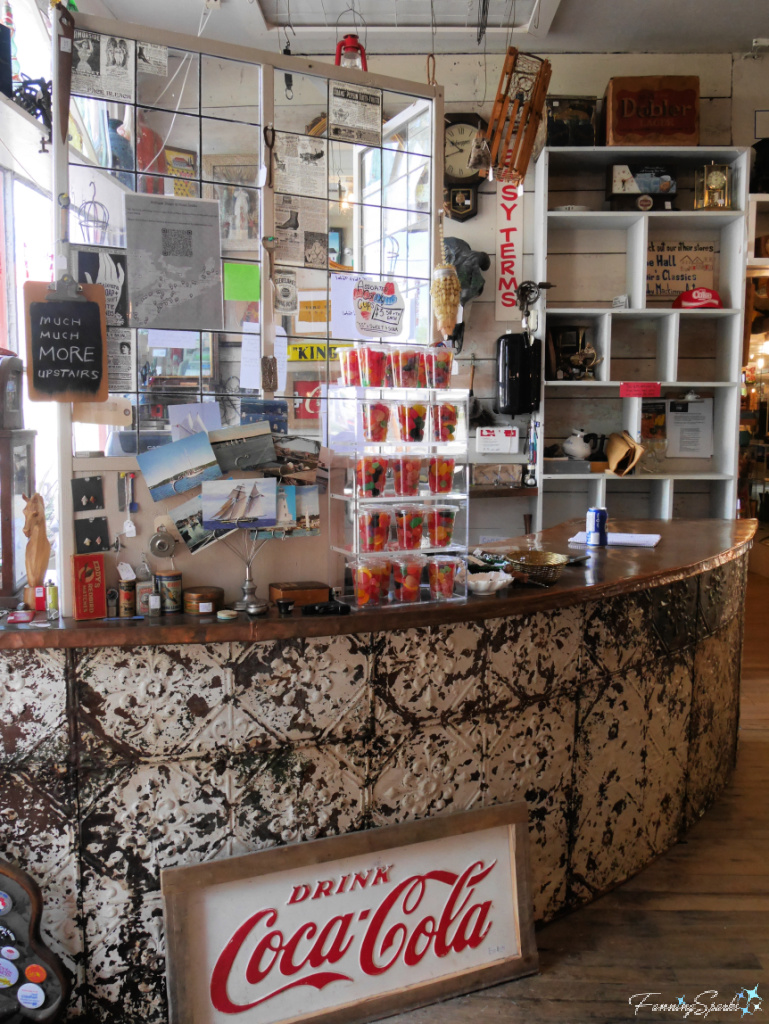
The setting was ripe for a little shutter therapy ― wandering through the maze of rooms and capturing the forgotten treasures that caught my eye.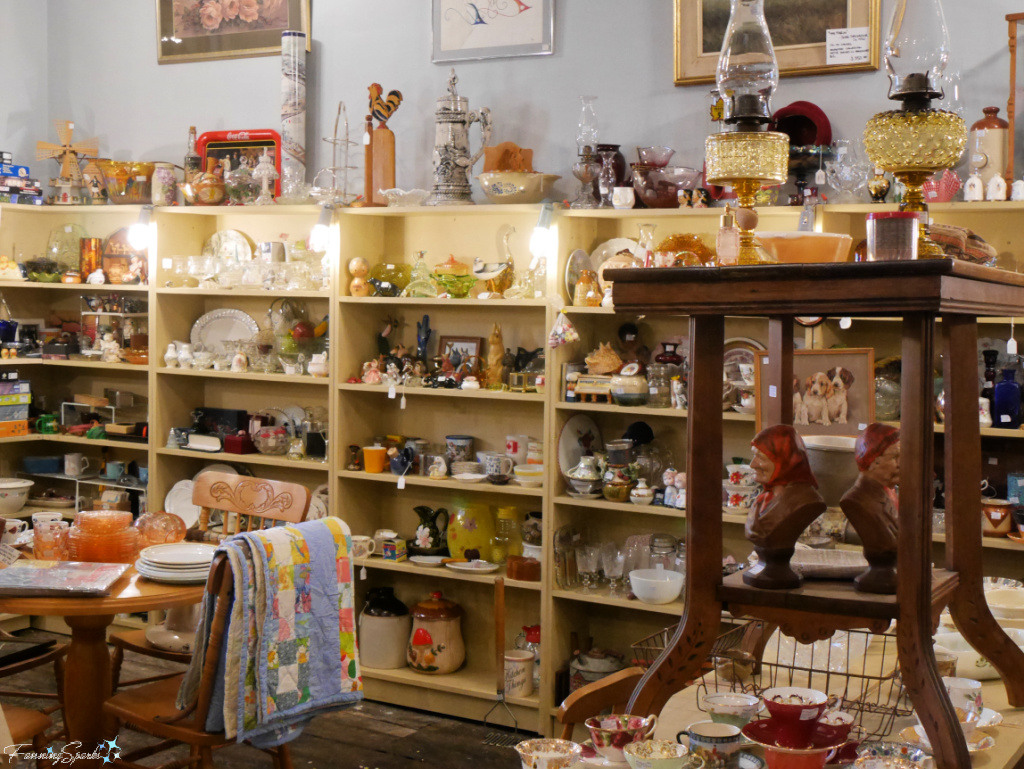
Imagine the stories these vintage teacups could tell! They were pretty as a picture and perfectly posed for my lens.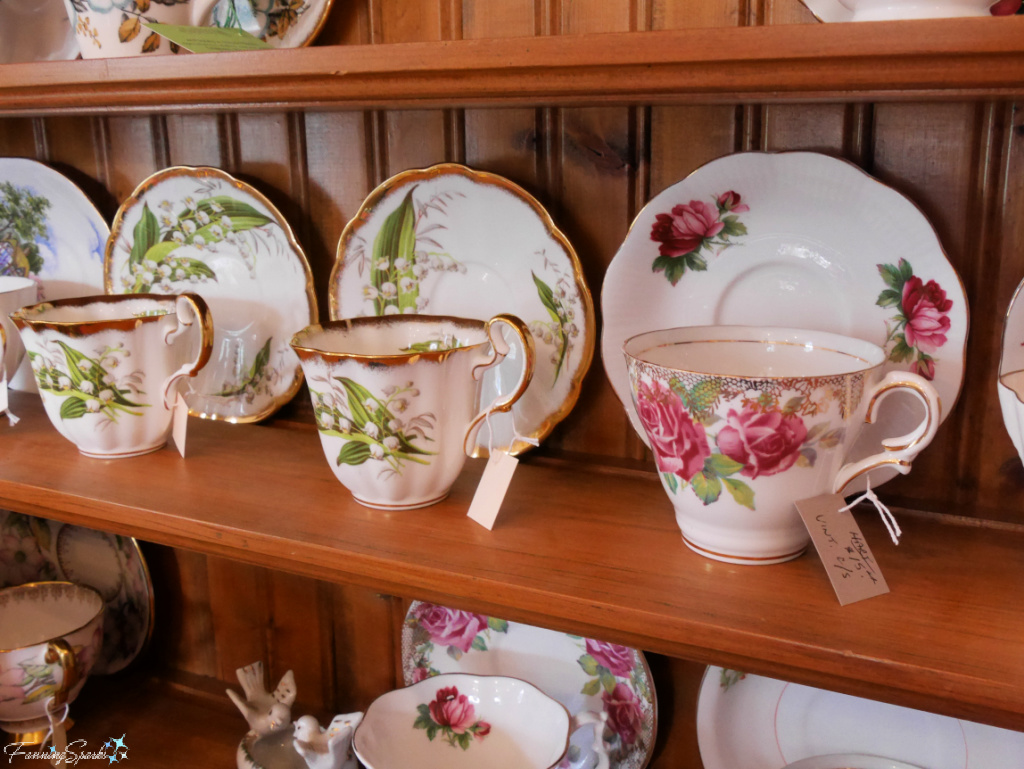
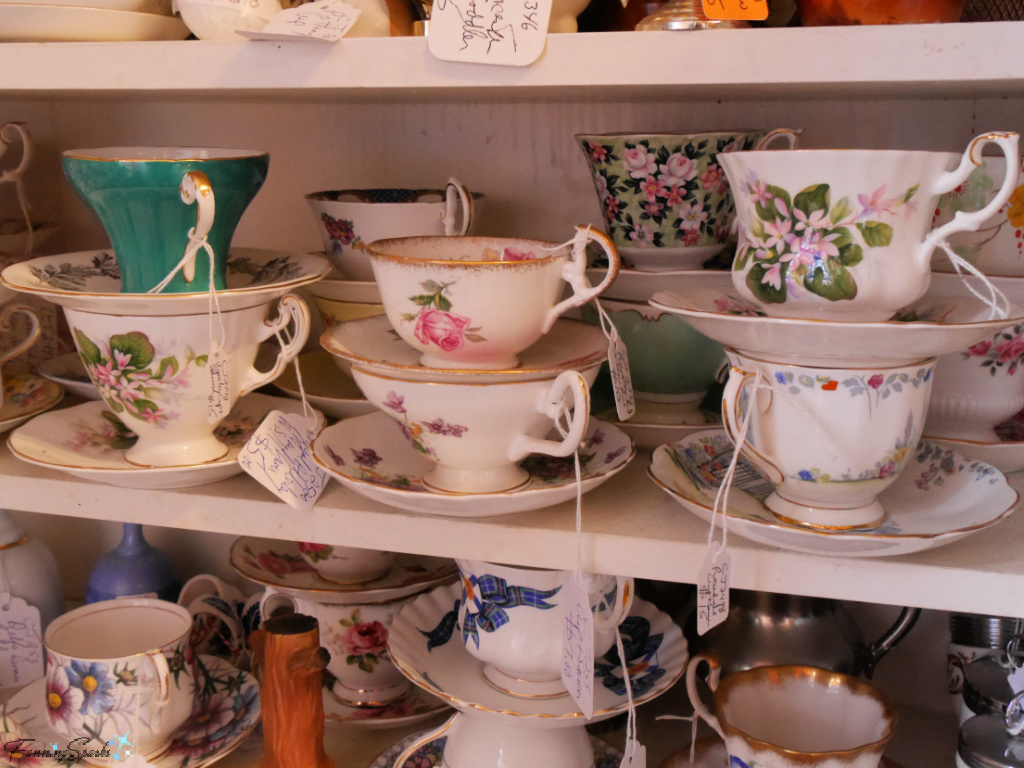 There are, by the way, a variety of ways in which these genteel reminders of the past can be repurposed to give them a new lease on life. One option is to turn a neglected china cup and saucer into a handy little pincushion. Check out my step-by-step tutorial Teacup Pincushion – DIY Tutorial to see how it can be done.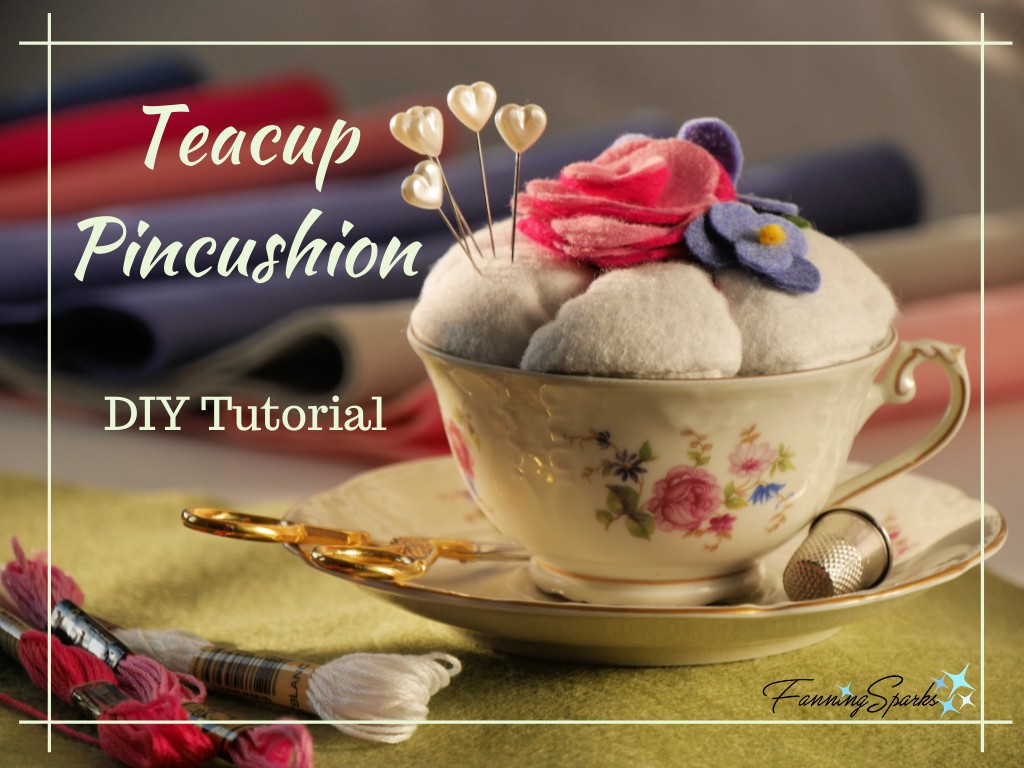
Sparkling, coloured glass illuminated by natural light always makes a great capture! This aqua blue pressed glass dessert set immediately drew me in …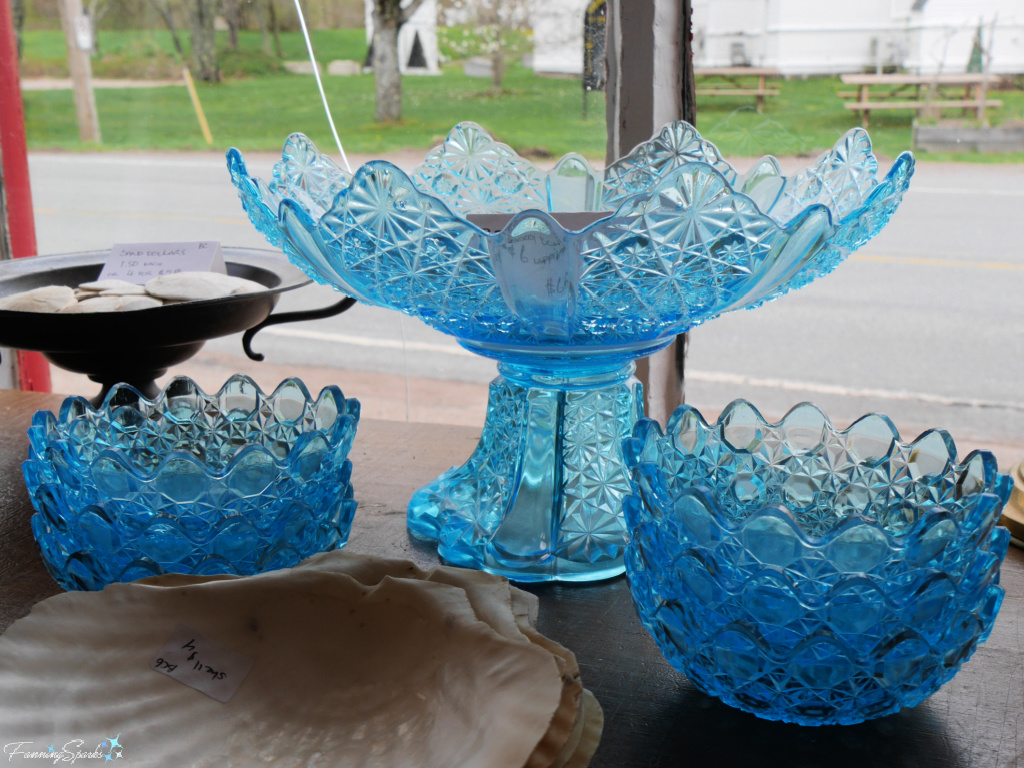
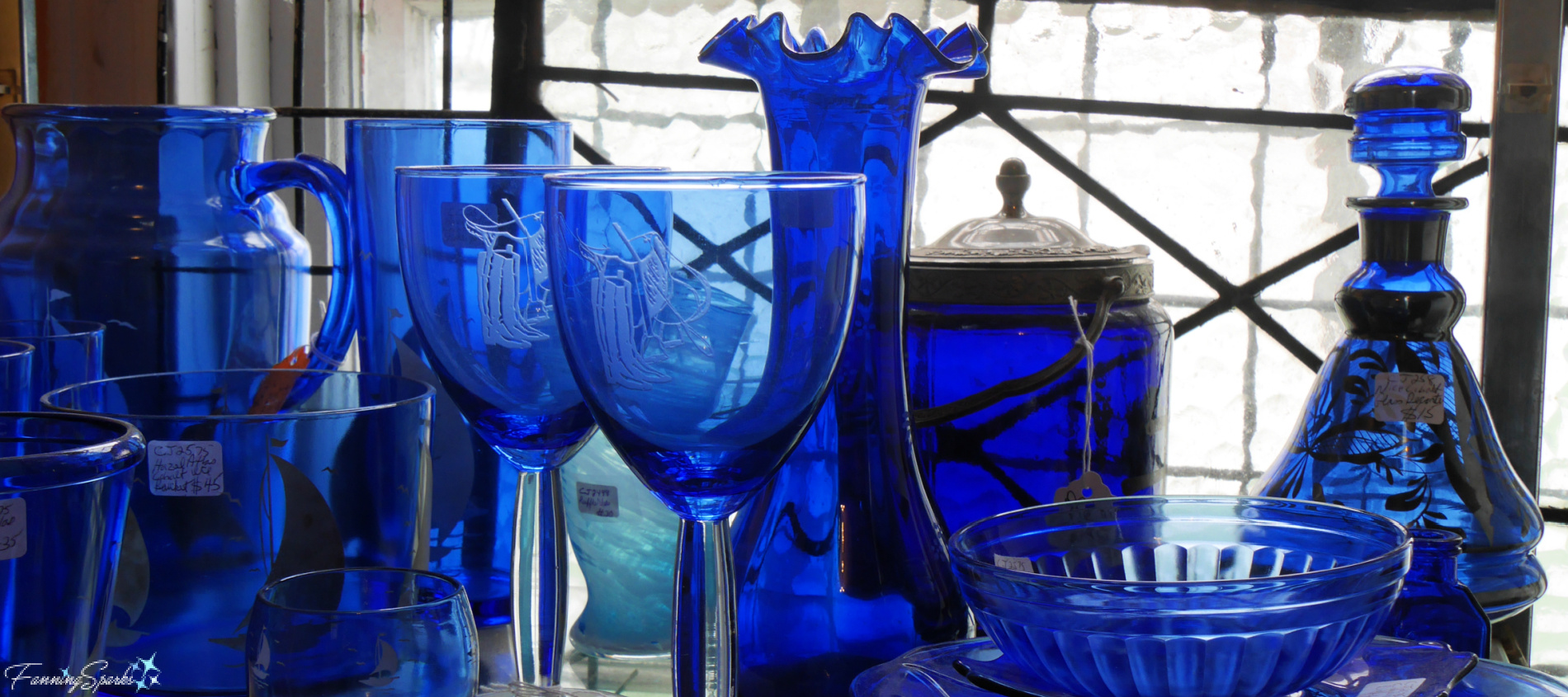
… while this arrangement of cobalt blue glassware dazzled with its vibrancy.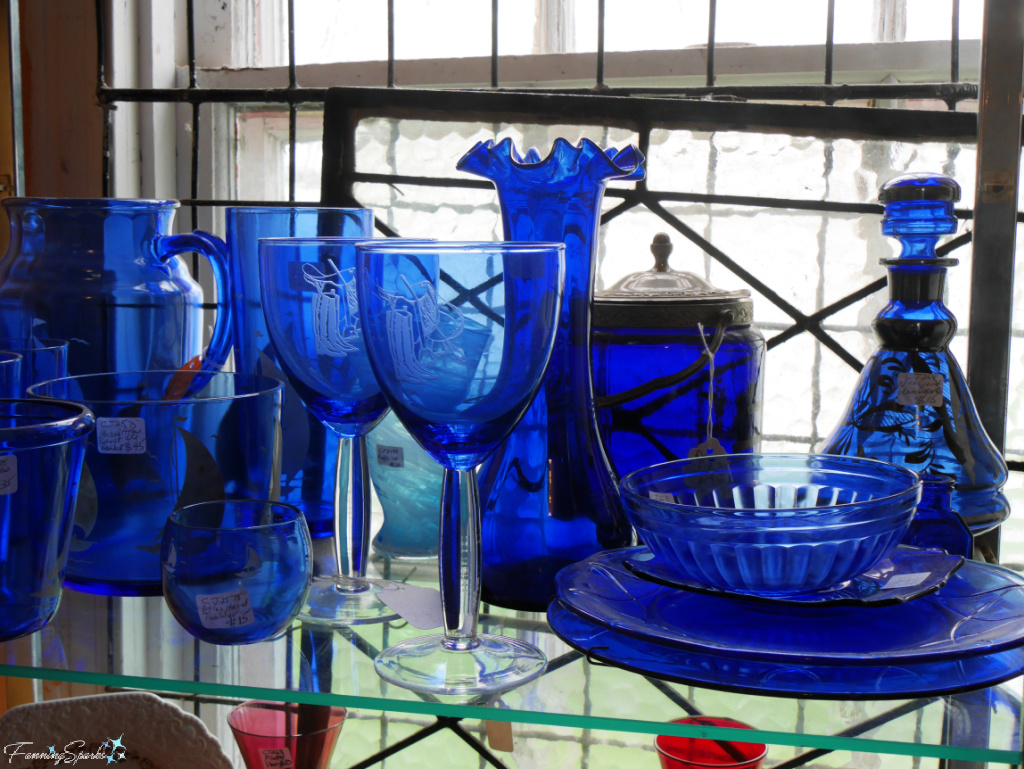
Colourful yellow dishes, probably fiesta dinnerware, and antique glass insulators shone on a window ledge.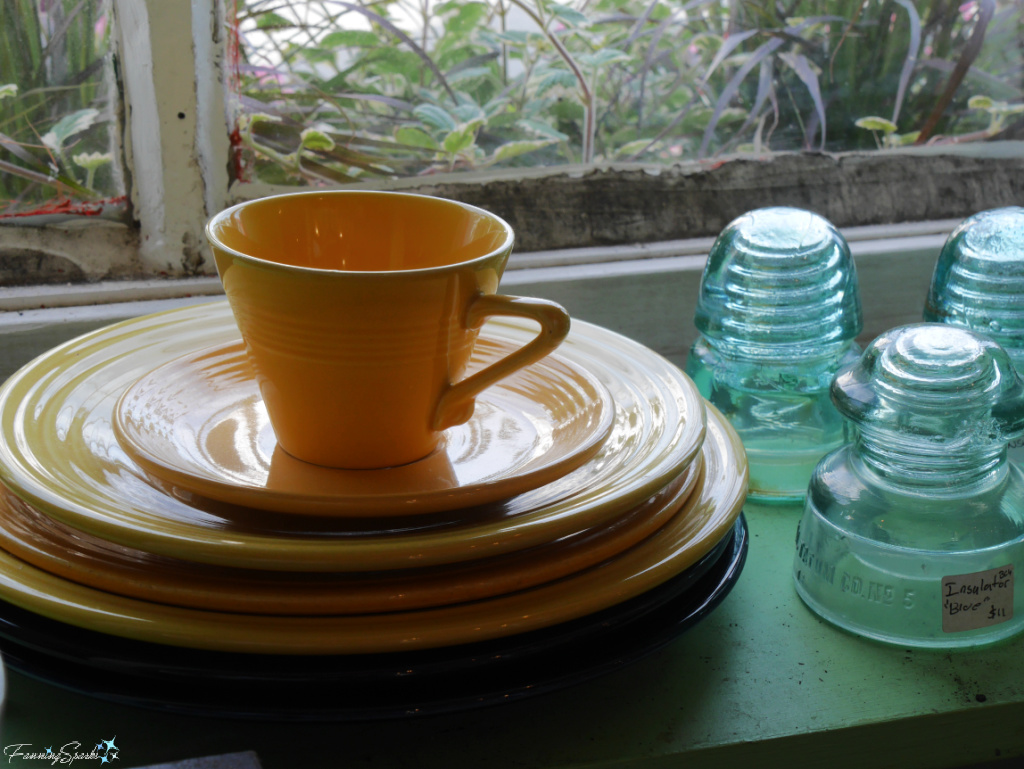
A vintage chrome kitchen dinette set ― stacked with trays, glassware and china ― takes centre stage in a hidden corner on the second floor.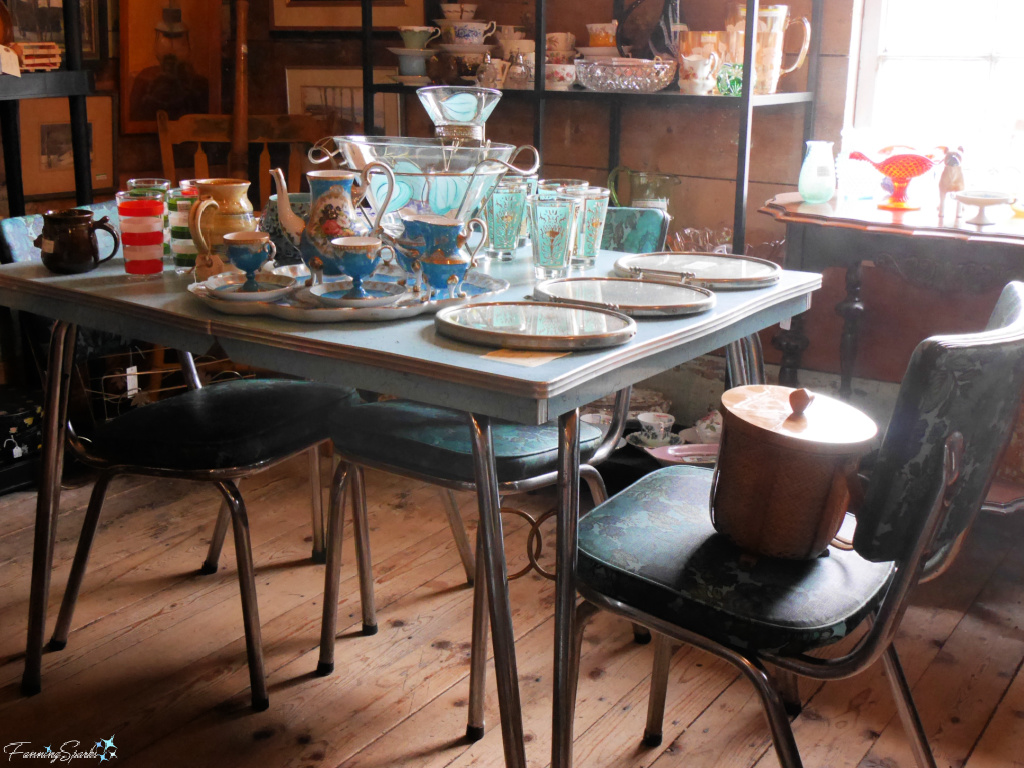
Over in the former Masonic Hall location, natural light illuminates a mixed array of forgotten treasures and unique finds.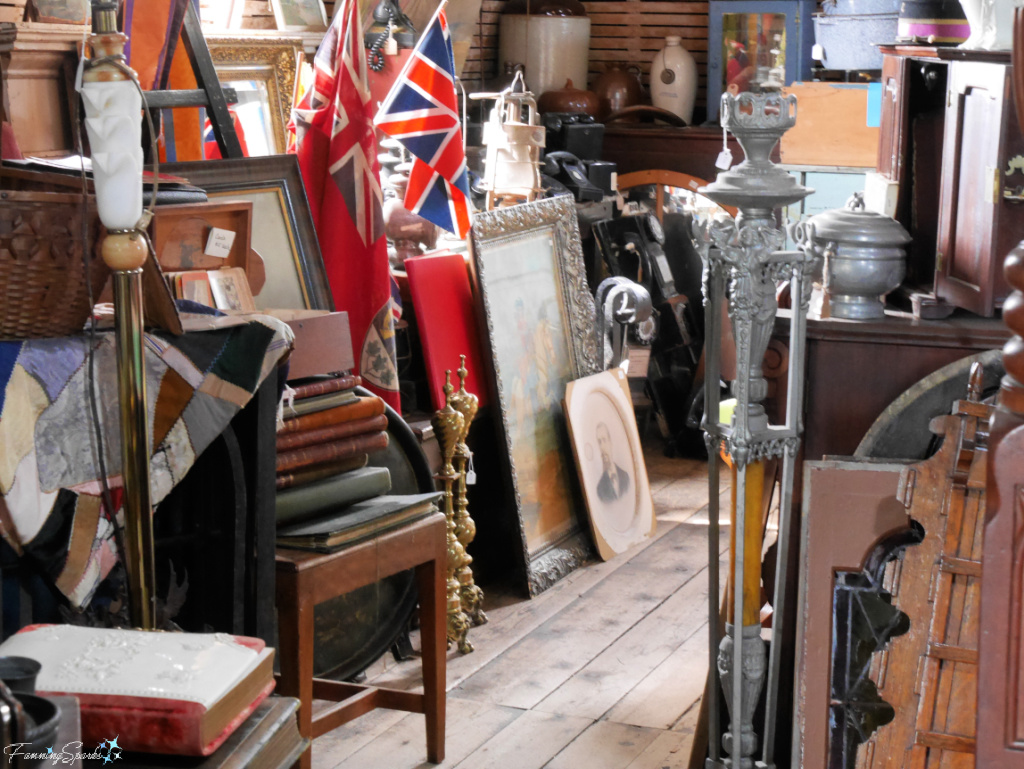
One of those unique finds was a straw hat. A recent opportunity to learn about braided straw hatmaking at the Ross Farm Museum in New Ross, Nova Scotia resulted in my blog post Hats Off to Ross Farm!. During my research for the story, I learned about the early history of straw hats from Joleen Gordon’s book Handwoven Hats.
She wrote, “It is claimed that straw plaiting as an industry originated in the Italian province of Tuscany as early as the 14th century. The Tuscan straws were grown from a species of wheat sown thickly on poor soil producing many slender, strong, pliable, cream-coloured straws used only for hatmaking. … These straws were plaited in an endless variety of patterns.”
To underscore the outsized role Italy played in hatmaking, consider that the term “milliner” ― someone who makes hats ― “originally meant someone from Milan, in northern Italy. Wikipedia goes on to explain “in the early 16th century … it referred to Milanese merchants who sold fancy bonnets, gloves, jewellery and cutlery.”
Given this background, I was delighted to come across this vintage Italian straw boater hat!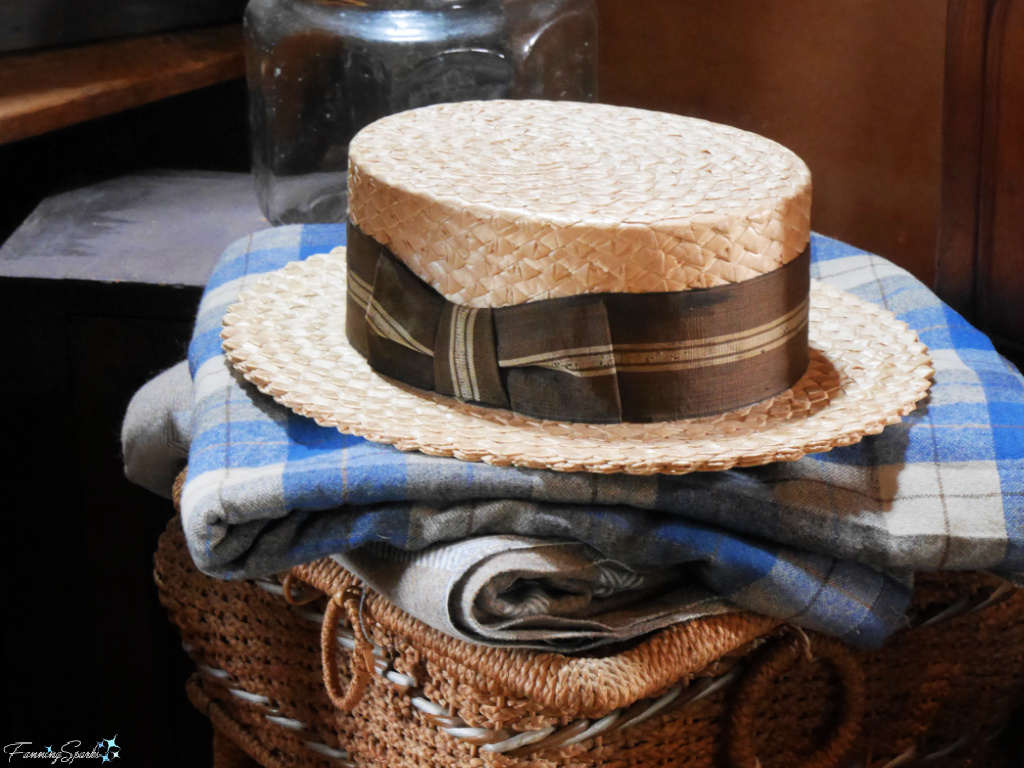
The hat was in excellent condition and label inside was crystal clear ― it read “Made in Italy, F.L. & H. Hat Co, The Ferncroft Hat, Superior Straw”.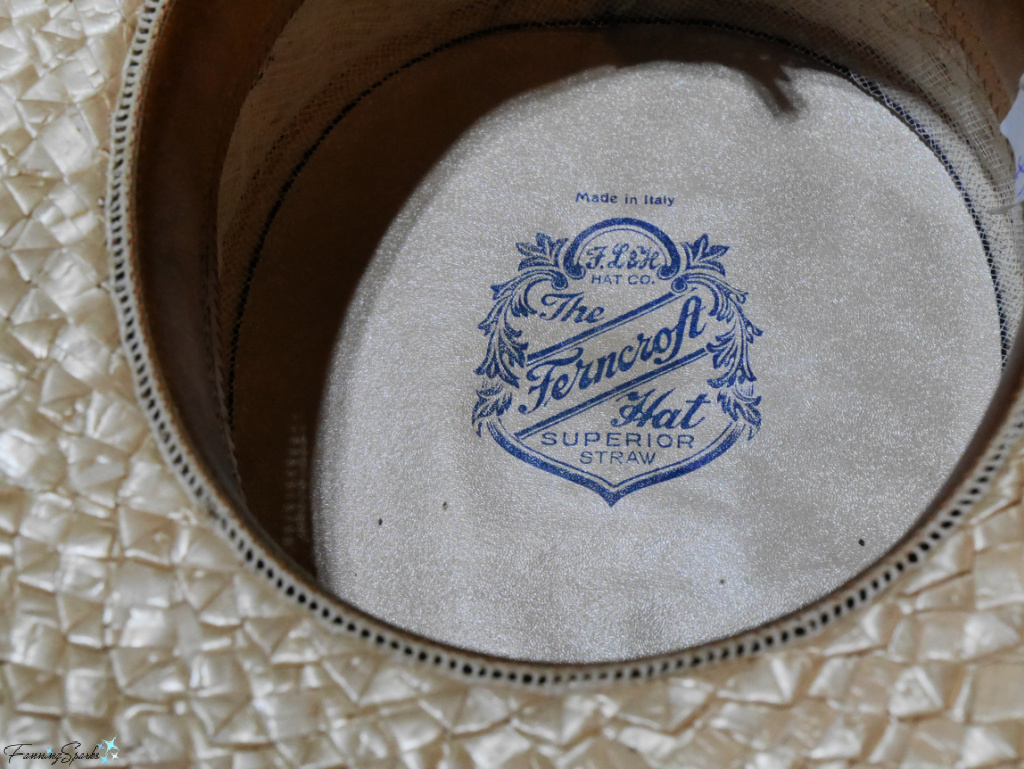
The straw boater was “probably derived from an early sailors’ hat” explains Jayne Shrimpton in her article History in the Details: Straw Boaters. Fascinatingly, these distinctive hats evolved from everyday working apparel to summer leisure apparel. Artists of the time, such as Edouard Manet, used the boater to depict the emergence of leisure time and a departure from the “all work and no play” life of the times. Shown below is Manet’s 1874 painting titled Boating from the Metropolitan Museum of Art collection.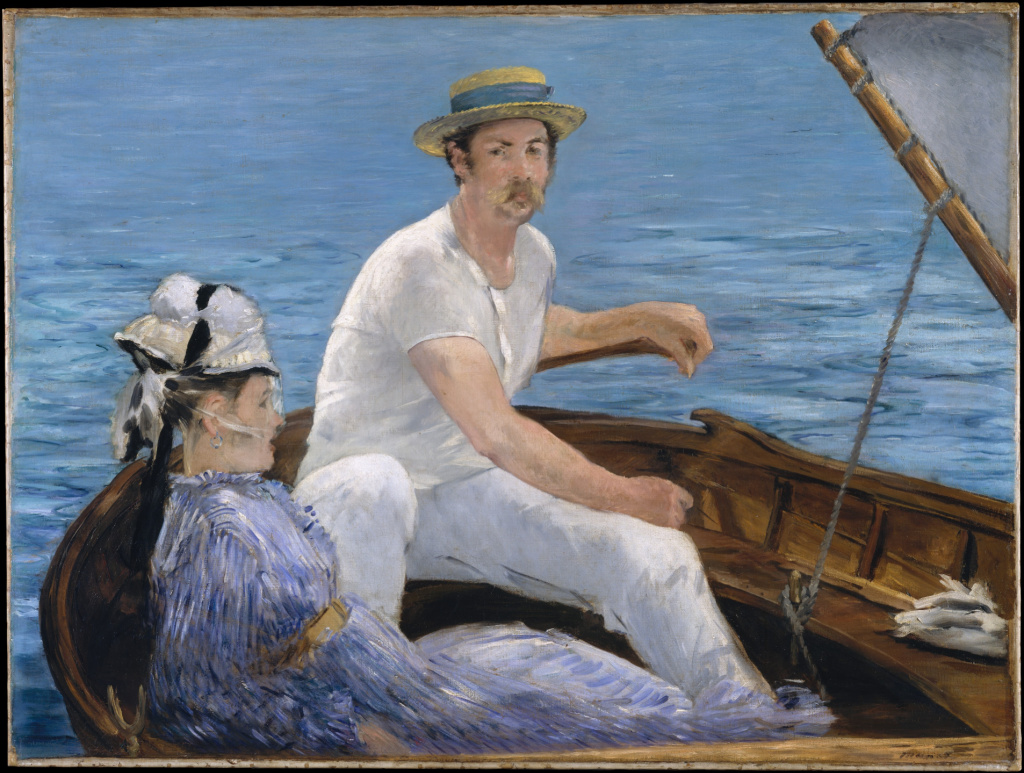
The straw boater is an excellent example of how poking around an antique shop can lead to fascinating discoveries. In the CBC Land & Sea video, Murphy interviews Joanne McCarthy O’Leary, a dealer at the Great Village Antiques Exchange. She notes “Antiques are really interesting … remnants of a past culture. If you start asking yourself questions and start exploring that particular artifact, that leads you into how it was used, what kind of industry it was, what time period, your knowledge about culture just expands and expands and expands based on one artifact that grabbed your interest”. True that!
Antique, vintage and thrift stores are also a great source for photo props. It’s one of the primary reasons I take my time when browsing their booths and shelves. Sometimes I find a great prop without any specific purpose in mind. For instance, this small, ceramic mortar and pestle were purchased long before this photo for The Essence of Incense blog post was even on my radar.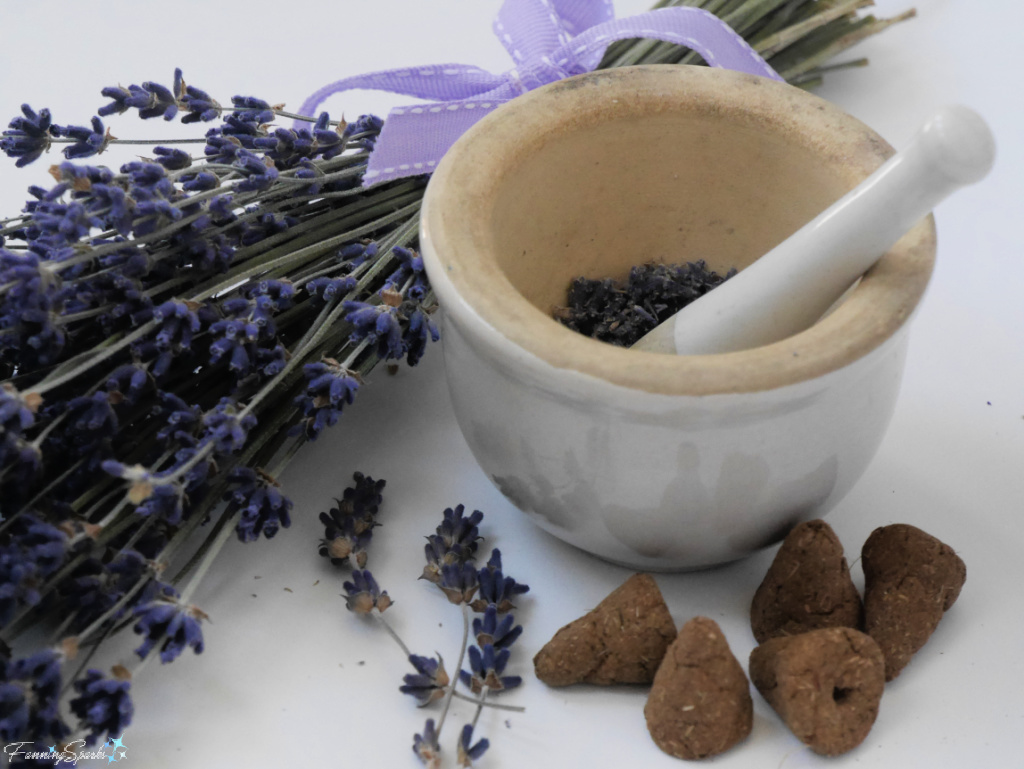
Most recently, I had a specific photo and prop in mind. The idea was to showcase my growing collection of egg- and bean-shaped pebbles in a large, footed milk glass bowl for last week’s blog post, Rookie Rockhound Digs In. My pebble bowl looks great on the kitchen counter but it didn’t photograph well. I wondered if an unusual, vintage spoon would add interest to the photo so a quick trip to the Great Village Antiques Exchange was in order. They had lots of beautiful silver spoons but most were sold in sets and a little too predictable for my purpose.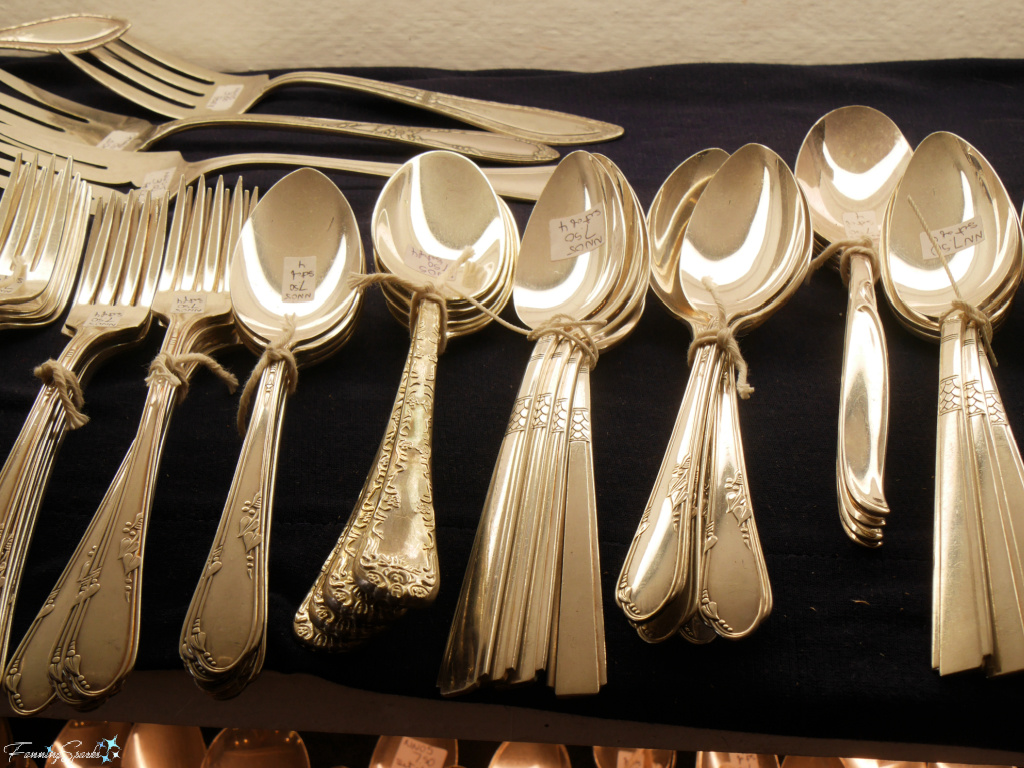
Then I came across an antique silver-plated jam spoon with a mother of pearl handle! The spoon cost only a few dollars although, surprisingly, there’s a similar one listed on eBay for $75 USD (over $100 CAD). It just goes to show a patient search through vintage odds and ends can uncover some real hidden treasures.
As for the photo ― mission accomplished! To my eye, the antique jam spoon elevates the photo in a few ways: 1) it adds a strong focal point 2) it improves the composition ― the spoon inserts a strong horizontal line leading the viewer’s eye to the colourful, shiny pebble at the centre 3) it adds texture and contrast ― there’s a noticeable difference between the intricate design of the polished silver and the rustic, organic shapes of the pebbles and 4) it adds an element of surprise ― spoons are normally used to serve food not rocks!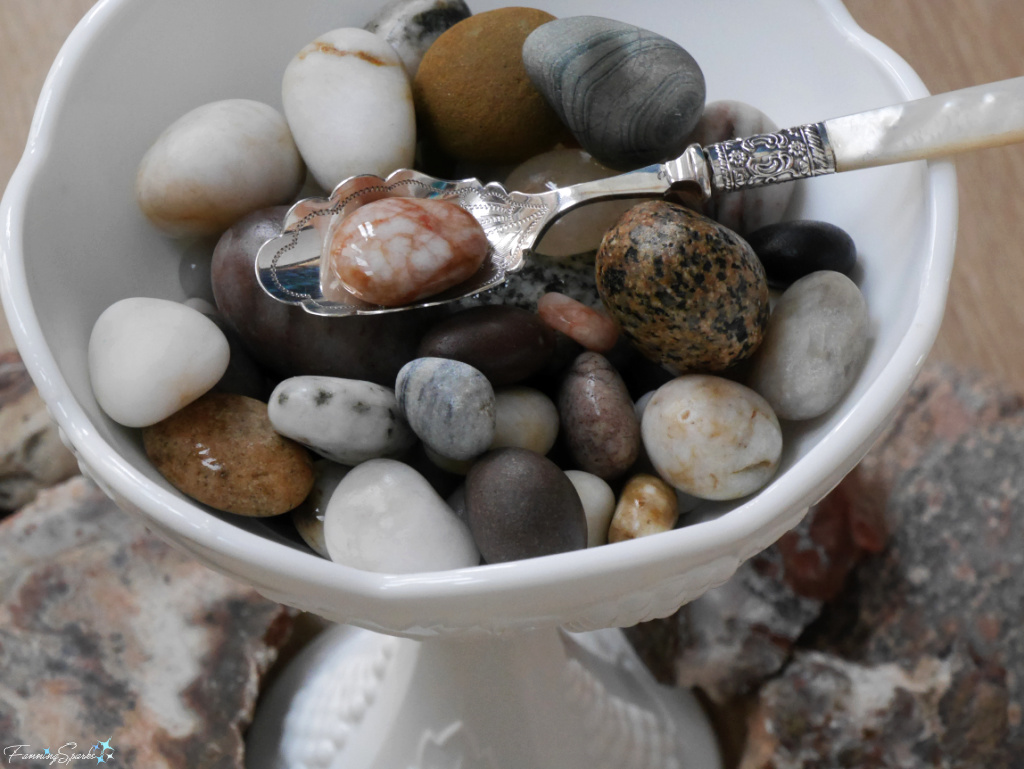
Silver-plated cutlery, along with teapots, sugar bowls and creamers, can also be reimagined for a new, modern purpose. Check out Old Silver Wind Chimes – DIY Tutorial for step-by-step instructions to make one-of-a-kind, vintage silver, wind chimes.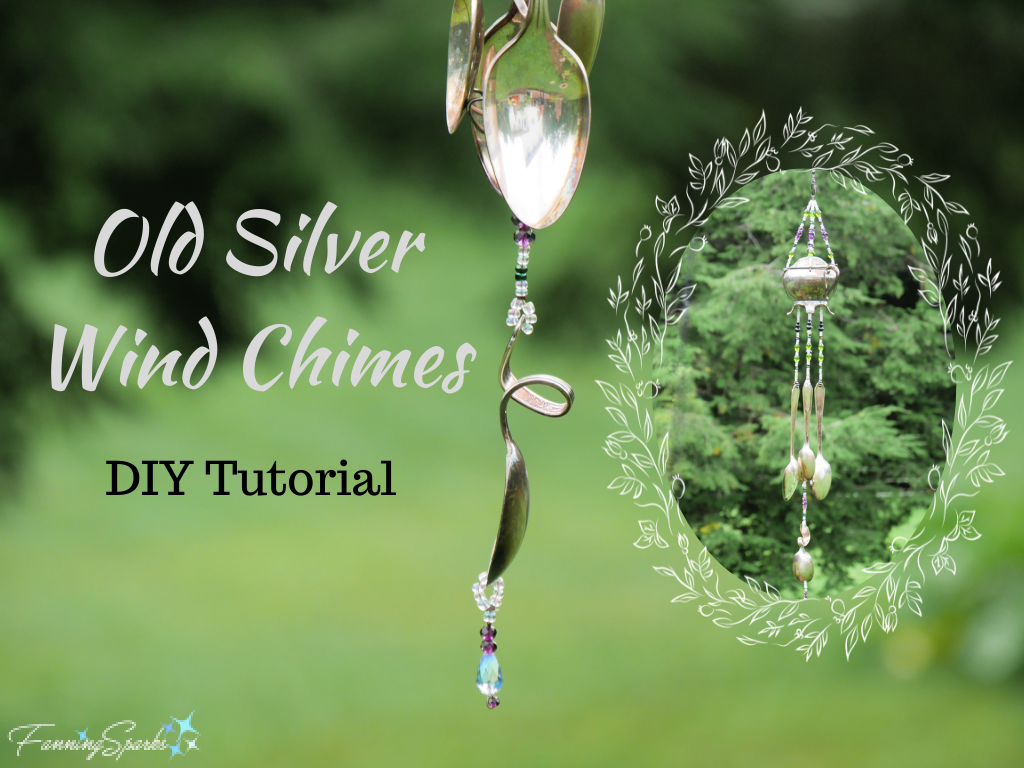 A few years ago, in a blog post about my Treasured Vintage Finds, I wrote about scouting for inspiration from forgotten, handmade items. It’s intriguing to see what objects people made in the past — to discover the patterns, colours, shapes and forms they incorporated into the design as well as the materials and techniques they used for construction. These vintage finds can serve as thought-starters for new projects.
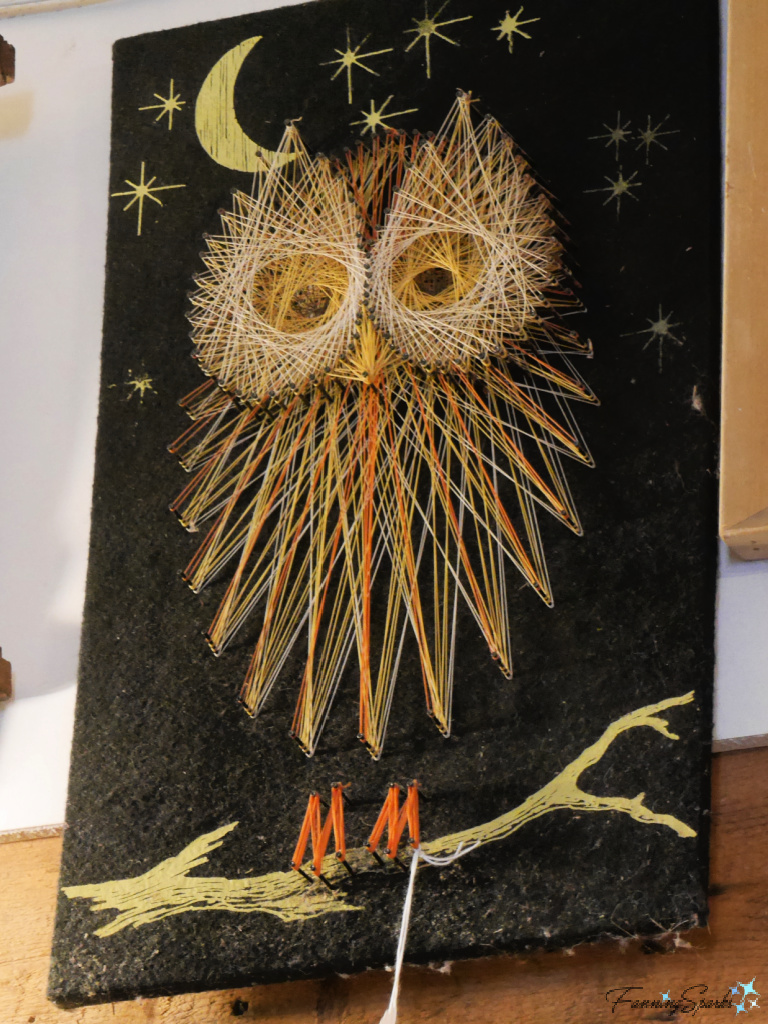
Here are a few inspirational finds from my recent visit. First up, is an elaborate wall hanging featuring an owl on a branch under a night sky. The owl is made with string art ― a technique which entails outlining a design with small nails and then wrapping string around the nails to reveal the design. String art was a widespread craft craze in the 1970s when designs like this one adorned many homes.
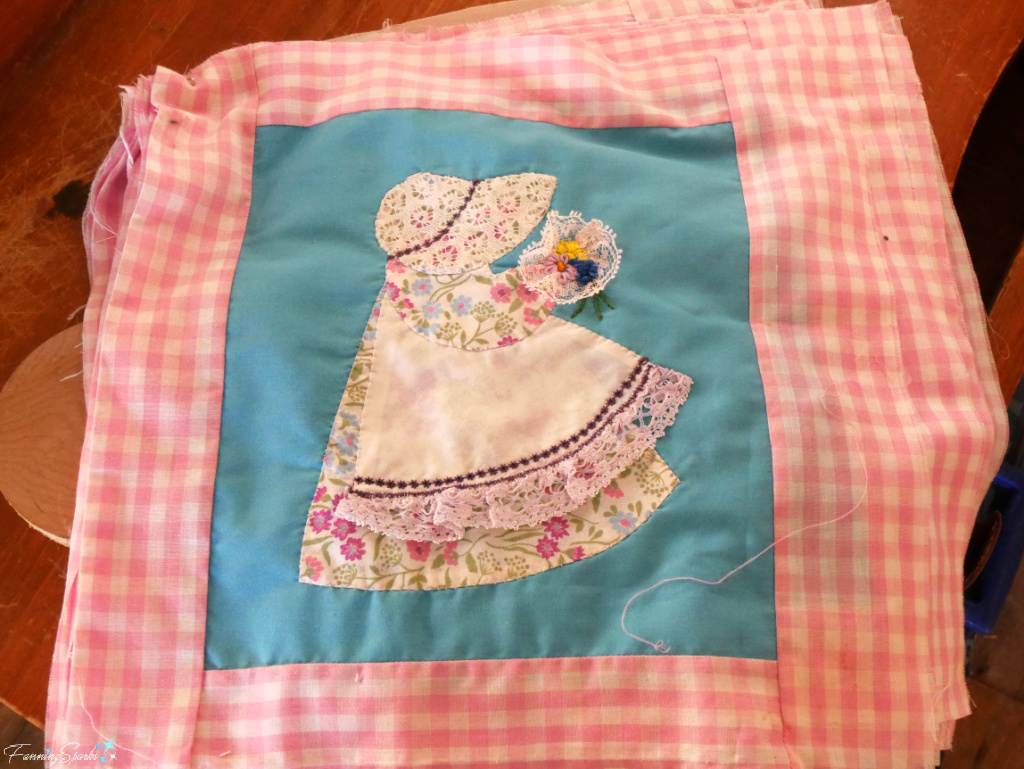
Next is a small diorama depicting a Chinese garden. This three-dimensional miniature model is made of cork using a technique known as Chinese cork carving (Ruanmu Hua). Although the painstaking accuracy of the minute pieces suggests a long-standing ancient tradition, the artform was been around for just over 100 years when it was invented in Fuzhou, Fujian, China.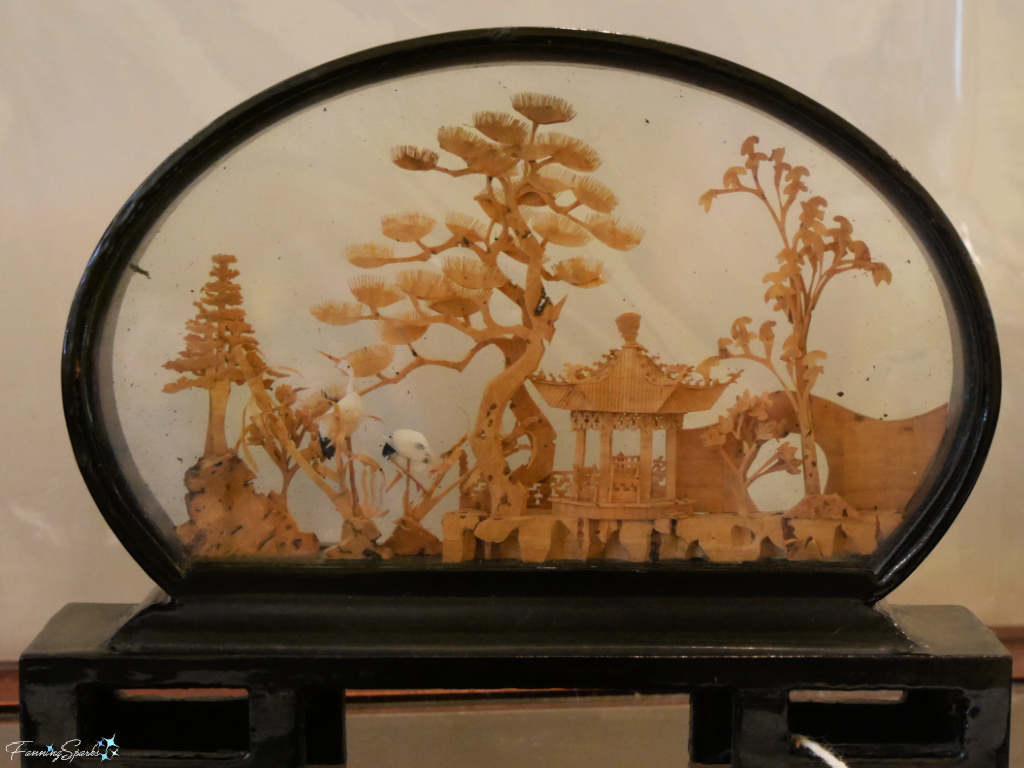 It’s rare to find a craft UFO (UnFinished Object) offered for sale, but that’s exactly what made this set of vintage appliqued quilt blocks such a unique find. They’re skillfully executed with lots of fine details in a traditional pattern known as “Sunbonnet Sue”. The quilter switched up Sue’s dresses and bonnets with different fabrics, embellishments and colours to make each block unique. I like the idea of repeating a single template so that the motif remains the same but the details differ.
  These spectacularly beaded, traditional moccasins were probably handmade by a skilled Mi’kmaq artist. They weren’t labelled so, unfortunately, it’s difficult to know for sure. Regardless of their provenance, these moccasins were remarkably well-preserved and the beadwork was stunning. The beading was meticulously executed with the entire surfaces of the vamps and cuffs covered in precisely-placed beads.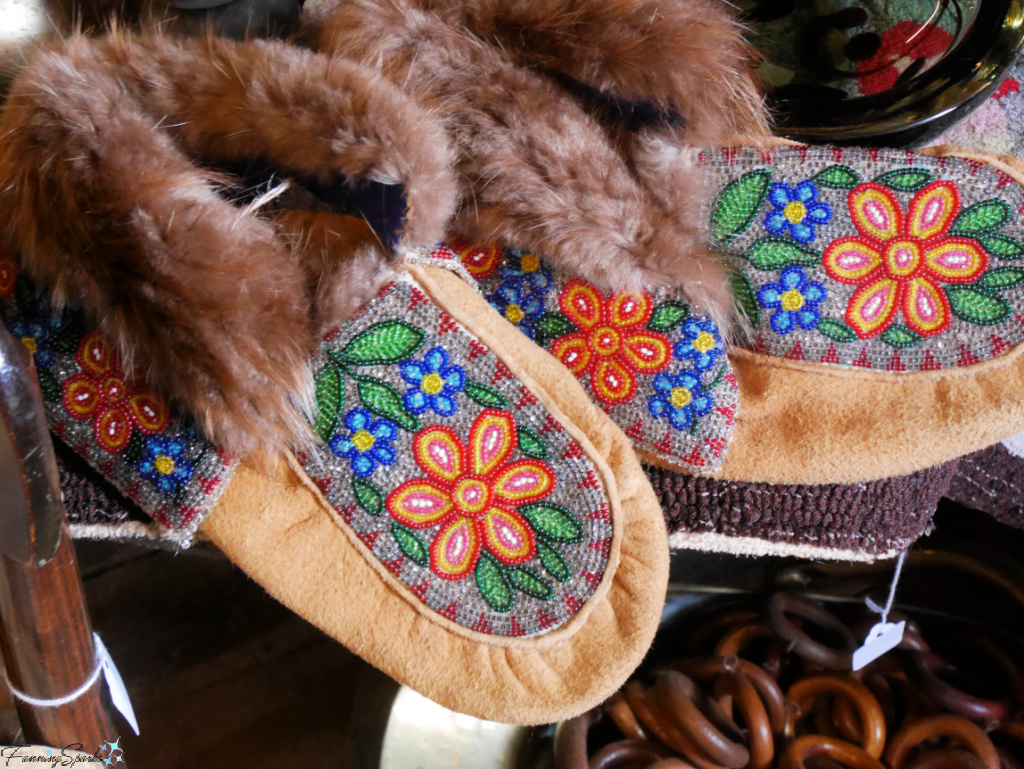
The final vintage, handmade item I’d like to share is a highly unusual child’s chair. Honestly, I found it a little creepy. Love it or hate it, it is (perhaps thankfully) one of a kind!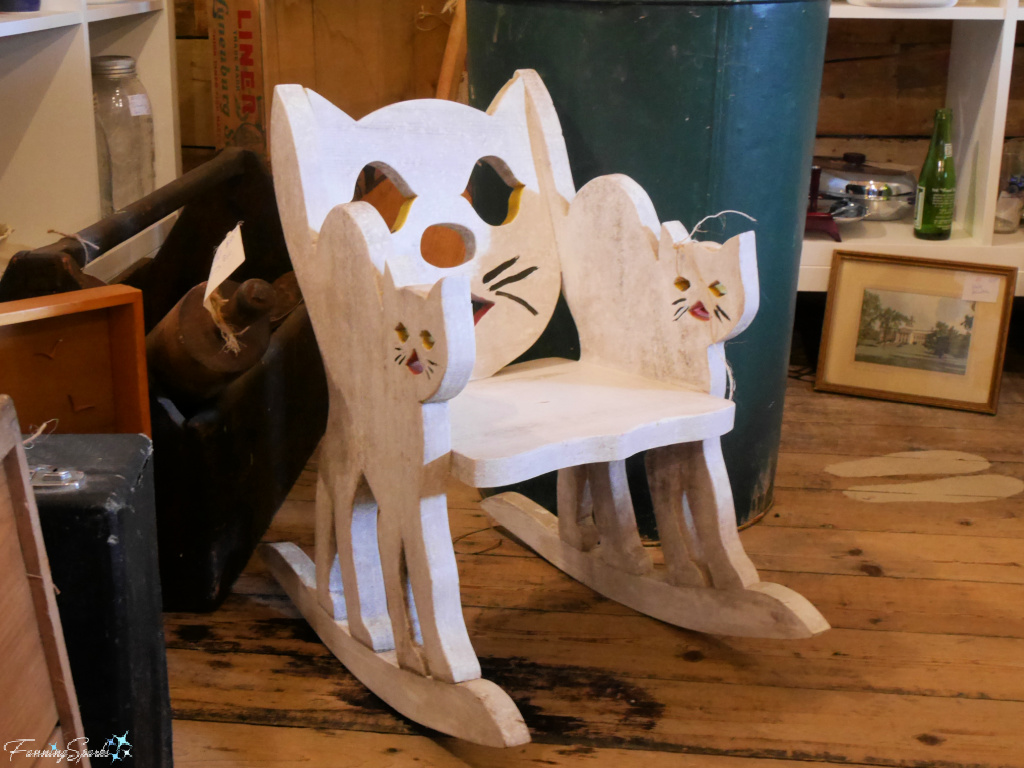 The folks at Great Village Antiques Exchange definitely know how to make shopping in real life enjoyable. It’s easy to see why this community has been dubbed an antique destination. Its popularity does, however, mean that treasures sell quickly. So, shoppers should take the owners’ advice seriously: “The item you saw today and want to think about tonight will be sold later today to the people who saw it yesterday and thought about it last night!”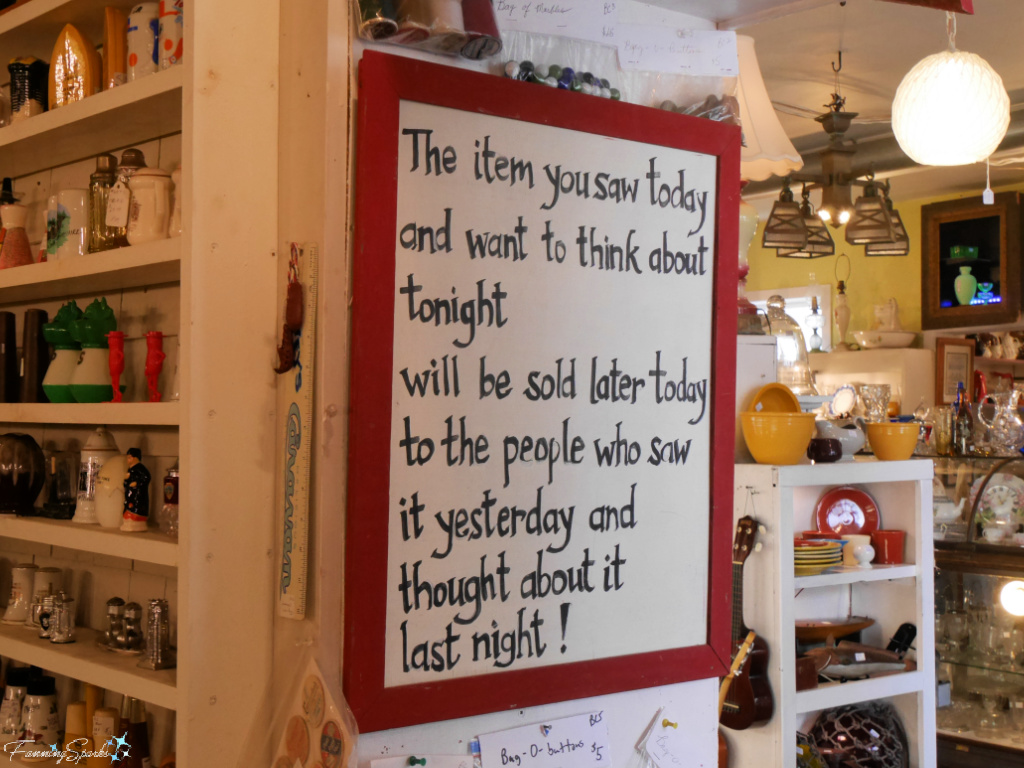
More Info
Previous blog posts mentioned in this blog post include:
. Teacup Pincushion – DIY Tutorial
. Hats Off to Ross Farm!
. The Essence of Incense
. Rookie Rockhound Digs In
. Old Silver Wind Chimes – DIY Tutorial
. Treasured Vintage Finds.
The Great Village Antiques Exchange is located in Great Village, Nova Scotia. The Nova Scotia Antique and Vintage Guide 2026 Edition notes they are “Nova Scotia’s Largest Group Shop with 30+ dealers representing the Maritime Provinces and 11,000 ft2 in 4 buildings of high turnover stock”. They’re open for the season from April to December. I thoroughly enjoyed hunting for one-of-a-kind treasures while wandering through the labyrinth of floors and rooms. To learn more, check out the Great Village Antiques Exchange website or their Instagram page.
The following resources were consulted in the writing of this blog post:
. Land & Sea: How the Lure of Antiques Helps this Town video report by Tom Murphy for CBC News Nova Scotia
. Handwoven Hats: A History of Straw, Wood and Rush Hats in Nova Scotia book by Joleen Gordon
. History in the Details: Straw Boaters article by Jayne Shrimpton in The Genealogist – Discover Your Ancestors digital magazine
. Boating by Edouard Manet from the collection of the Metropolitan Museum of Art in New York
. Various Wikipedia entries.
Today’s Takeaways
1. Shopping in person (vs online) for one-of-a-kind pieces, such as antiques and vintage goods, can be fun and entertaining.
2. Antique, vintage and thrift stores are a great source for photo props.
3. Uncover the story behind an antique that catches your eye, and immerse yourself in the culture of the past.