
Most botanical display gardens excel at traditional design, showcasing timeless structures like geometric layouts, harmonious planting schemes and beautifully curated focal points. These extraordinary spaces typically reflect distinct historical styles. Reford Gardens in Grand-Métis Quebec, for instance, is an outstanding example of a grand, early 20th-century, English estate.
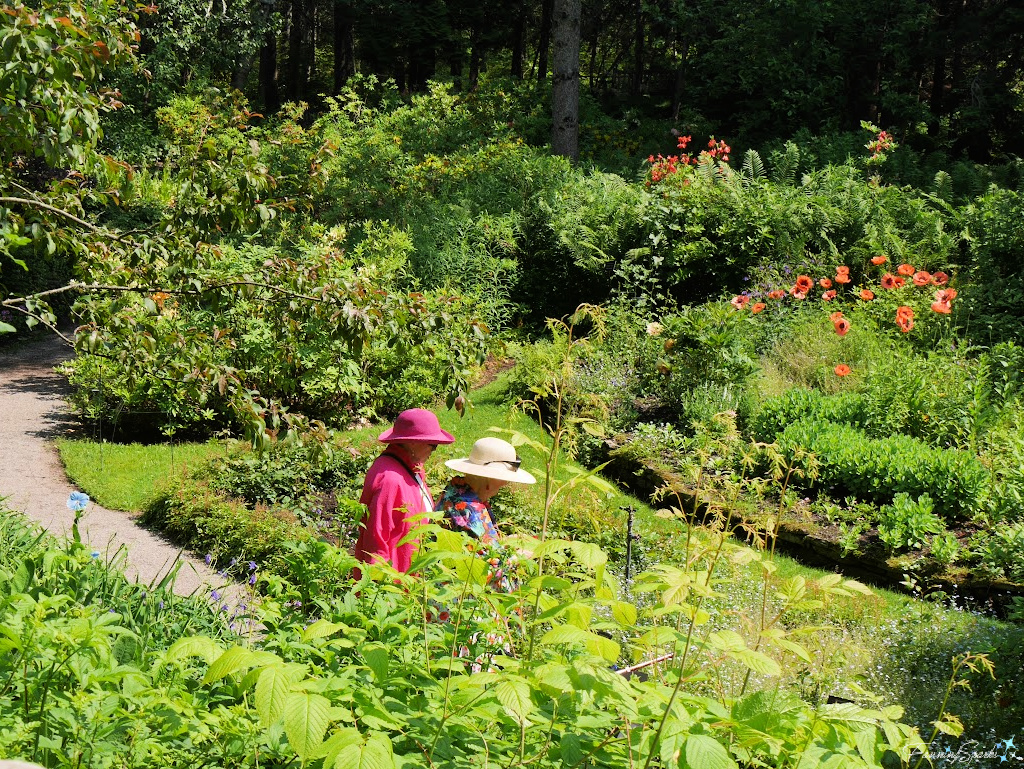
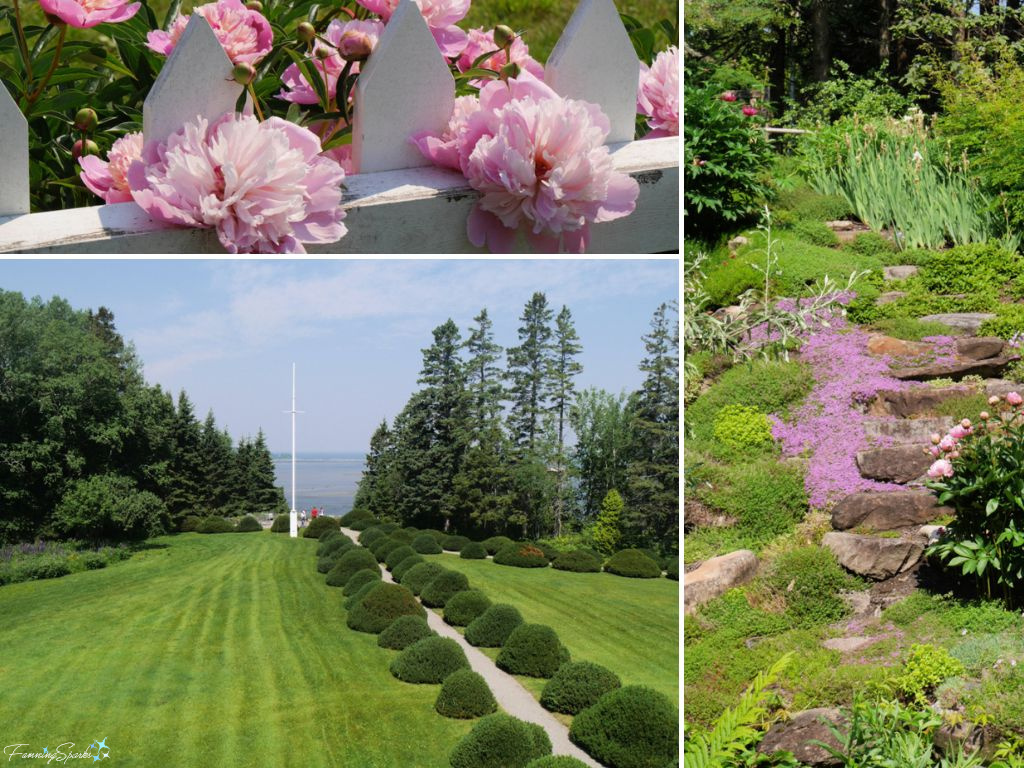 Its very conventionality makes Reford Gardens the perfect counterpoint to the adjacent International Garden Festival. Operating as a living laboratory for garden design innovation, the Festival disrupts the status quo to showcase gardens in an entirely new light.
“The Festival sees the garden as a space for creative interaction and a theme for reflection, while not negating its botanical and horticultural dimensions” reads a past call for designers. “The Festival conceives the garden as a multi-sensorial space and encourages participants to consider the visitor’s experience in the conception of the garden, provoking interaction, participation, exchange and reflection.”
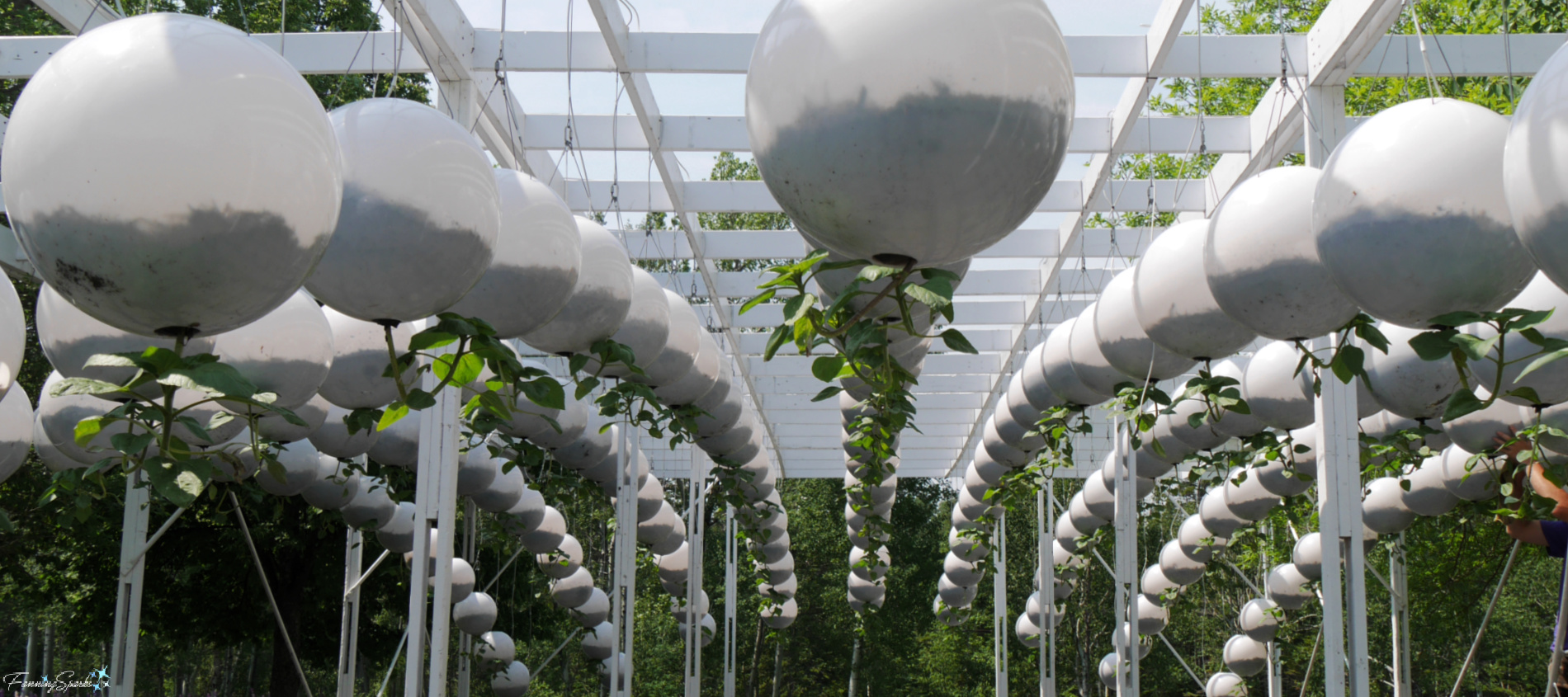
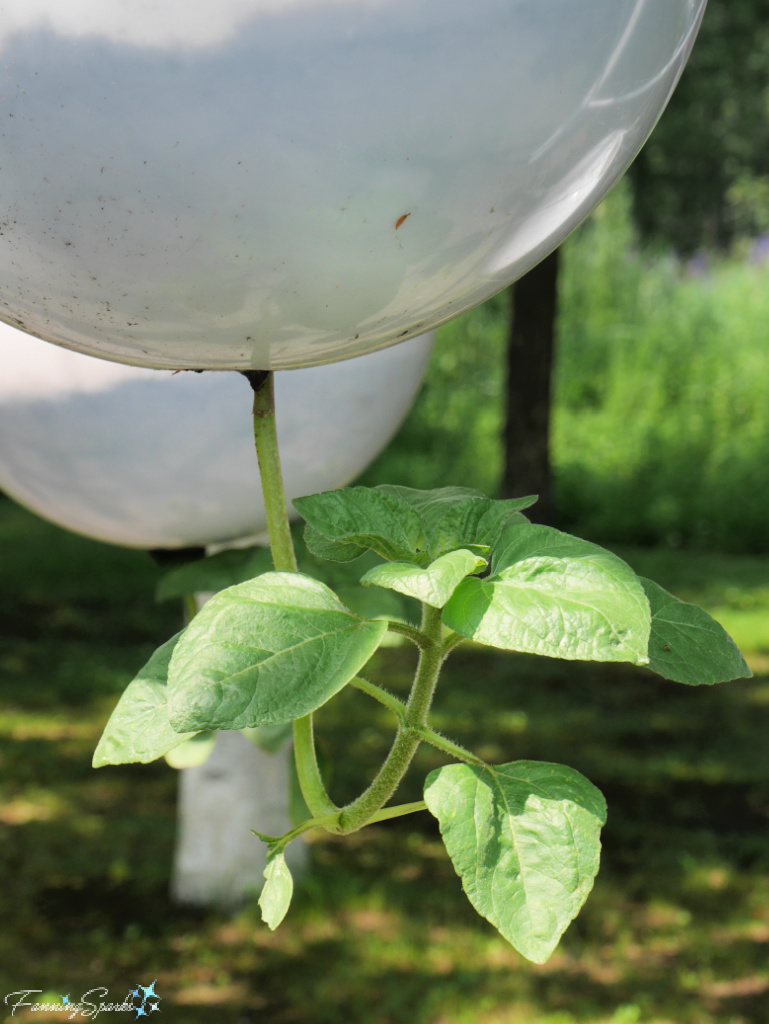
Stepping from the perfectly executed Old World paradise of Reford Gardens into the new world of garden possibilities abruptly challenges everything we think a garden can be. Consider the Gravity Field garden ― with its futuristic appearance and intriguing intention. The garden is designed to demonstrate the extraordinary adaptability of plants.
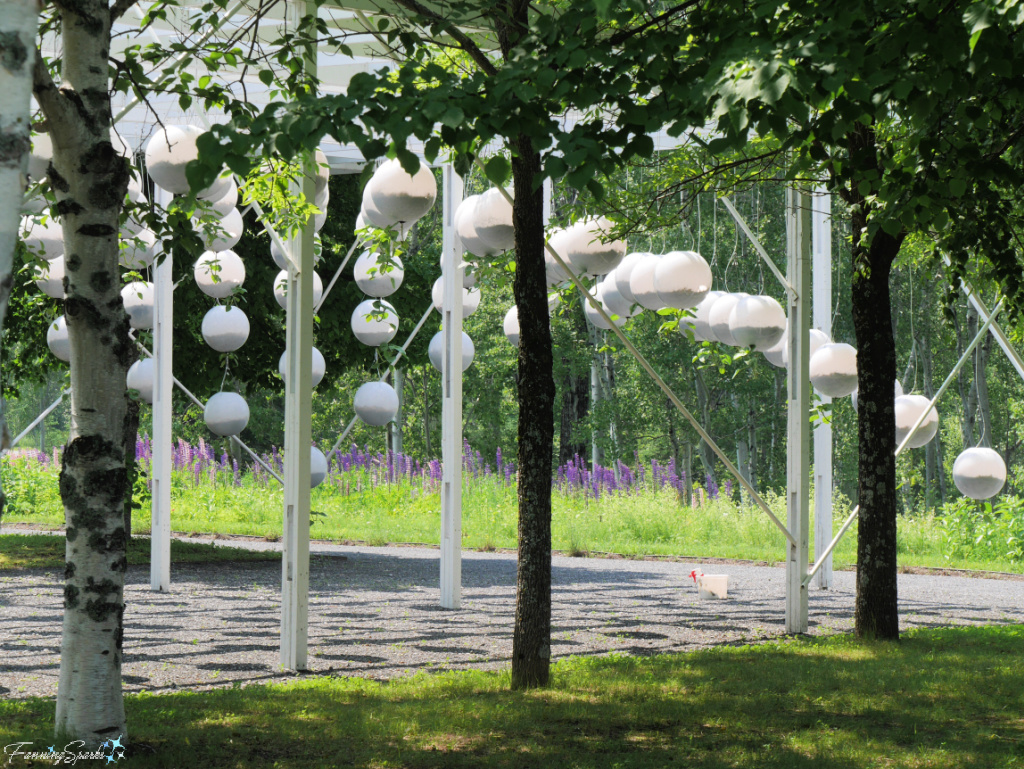 Gravity Field was designed in response to the 2022 Festival theme of Adaptation. Garden designers were challenged with questions like ― Can gardens adapt to climate change events? “How can we lead adaptation?” and “How can the garden installations respond to change?”
The designers ― Terrain Work, “an international landscape architecture, urban design and public art studio in New York City that is known for its creativity and design innovation” ― chose to “spotlight the powerful resilience of nature” by growing sunflowers upside-down. The plants defy gravity ― bending up towards the sun as they grow and bloom.
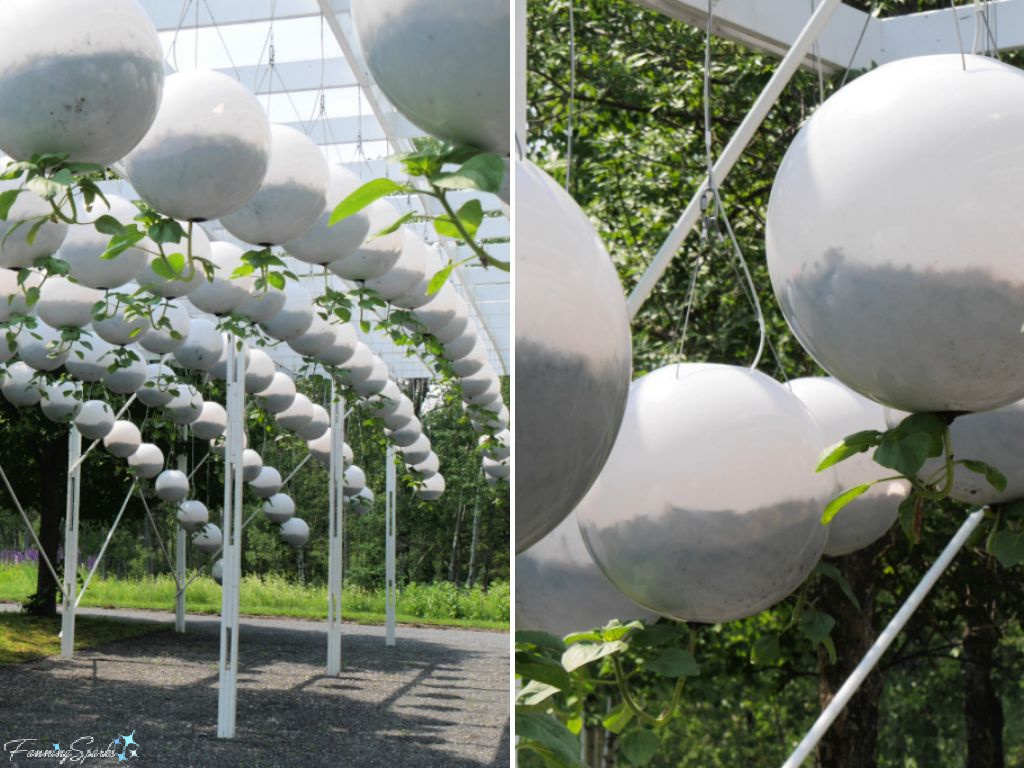
Gravity Field is just one of the 30-ish innovative gardens featured in the 2026 edition of the International Garden Festival. The Festival is considered one of the leading annual garden festivals in the world and the largest contemporary garden festival in North America. Every year since 2000, international architects, landscape architects, and visual artists have been challenged to respond to a designated theme.
The 2026 theme is Cartographier le sensible (Mapping Sensitivity). As I understand it, creators were challenged to consider the complex relationship between place, emotion and space and to design gardens based on how humans experience a space emotionally. The focus was on the invisible, psychological connection between a person and a landscape through the mapping of sensitivities such as feelings, memories, sounds and cultural stories.
Tainai-Meguri, one of five 2026 winners, was created by a team of three celebrated designers from British Columbia, Canada including architect Clinton Cuddington, master landscape designer Tamotsu Tongu and landscape designer Kumpei Wakino.
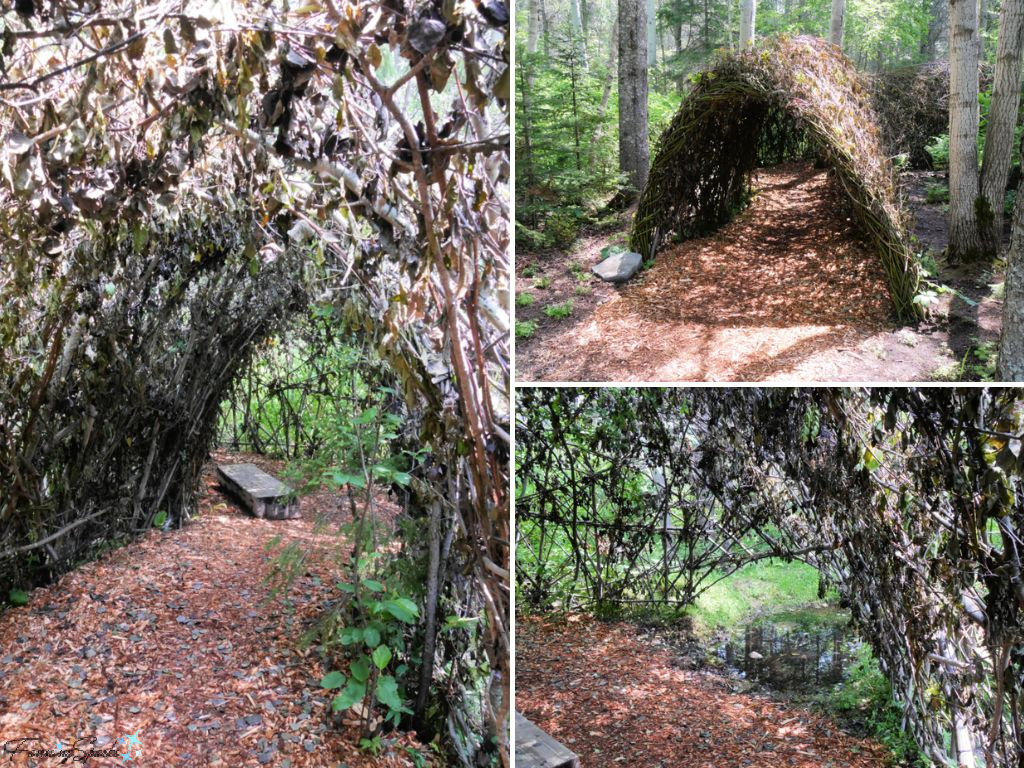
Nestled in a wooded area, the Tainai-Meguri’s discreet entrance entices visitors to enter a narrow willow tunnel.
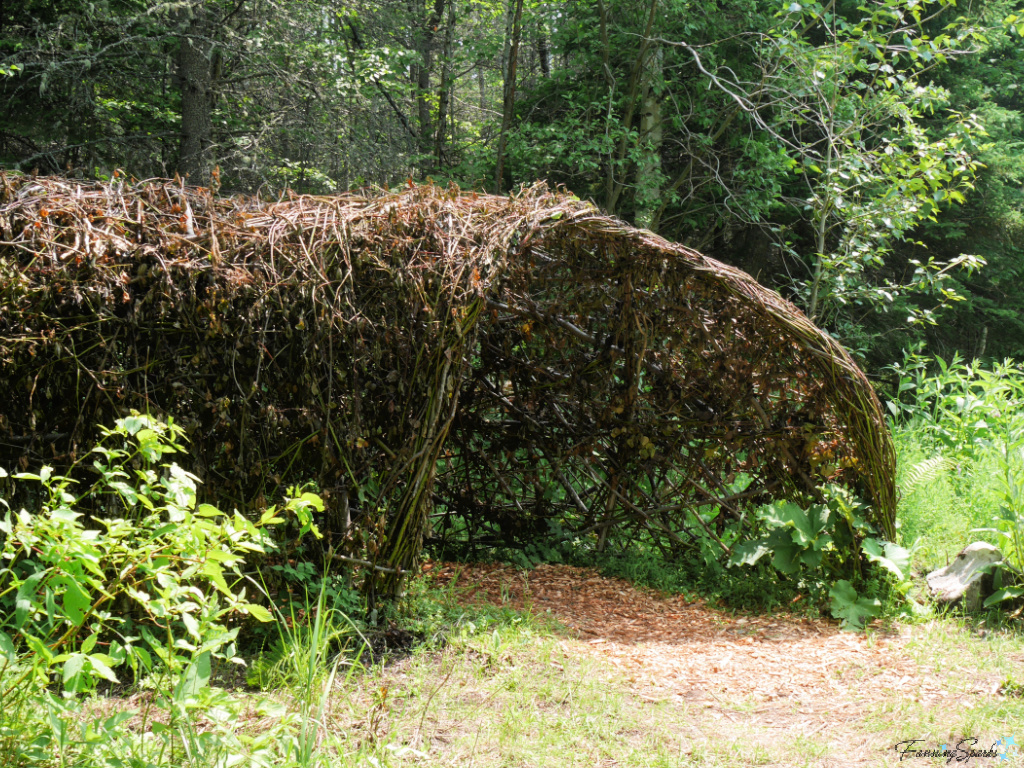 “Every day we navigate digital space without question … Our perception of the world and even our sense of being are shaped by reliance on invisible, intangible data.” reads the project description. “Tainai-Meguri envisions this hidden digital space as a cave made tangible by a sweeping willow arbour. A discreet portal framed by dense planting invites visitors inward through an undulating passage to a magatama-shaped pond at the centre. … In this quiet convergence of nature, water, and light, one senses a return to origin — a meditative journey in which inner and outer worlds dissolve.”
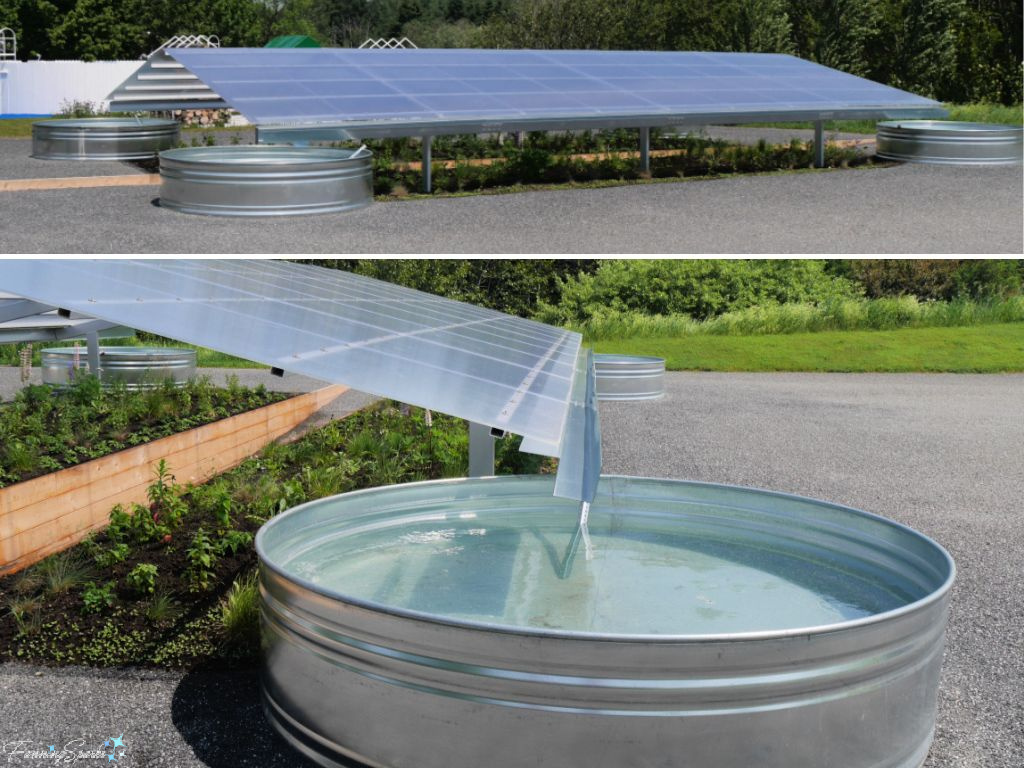
 Worm’s Eye, by Luxembourg-born American architectural designer Ellen Harris, is another 2026 winner. Visitors walk down a gentle slope into the garden to view wildflowers and native plants at eye level or, as the project description puts it, “an embedded worm’s-eye view”.
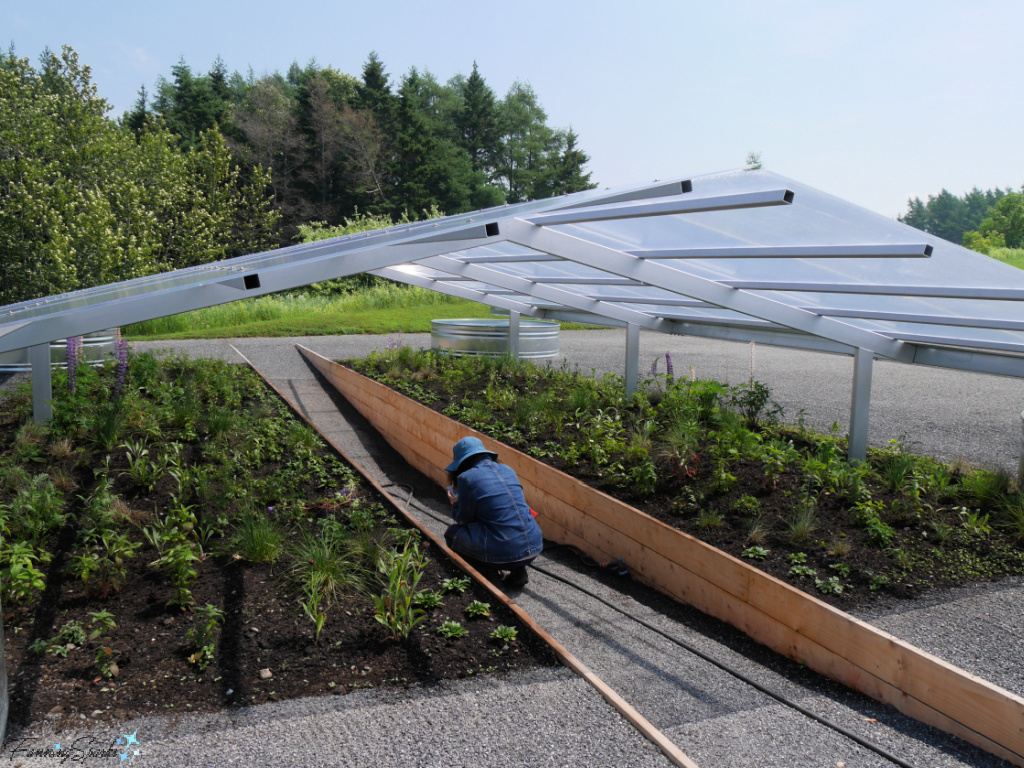 “Worm’s Eye responds to the water and energy crisis posed by the AI construction boom. The design takes inspiration from the camouflage of” past military aircraft manufacturing hubs where “a false ‘roof,’ disguised to resemble the … countryside, was constructed over the facility to shield it from aerial observation. Worm’s Eye inverts these terms, so that a camouflage structure resembling an industrial facility – a data centre and its on-site power infrastructure – conceals a patch of land from the surveilling gaze of extractive capitalism.”
 Another one of the 2026 entries, Again, a Garden, was under construction when we visited. It was designed by Hugh Taylor, an architectural designer from Winnipeg Manitoba, with “the aim … to remap and realign our sensitivities to the flows and forces of life in the garden and its surroundings – a complete system without fixed endings or beginnings.”
“Logs that lie quietly on the forest floor surrounding the gardens are collected, cut to precise lengths, and stacked between aluminum plates to form a new enclosure. In this walled garden, the once-dormant logs form the physical and figurative structure for visitors and for plant life.” reads the project description. “On the ground in the centre, logs are hollowed out to create individual flower beds for native pollinator species. … Here, the textures and sensations of past, present, and future lives are woven together.”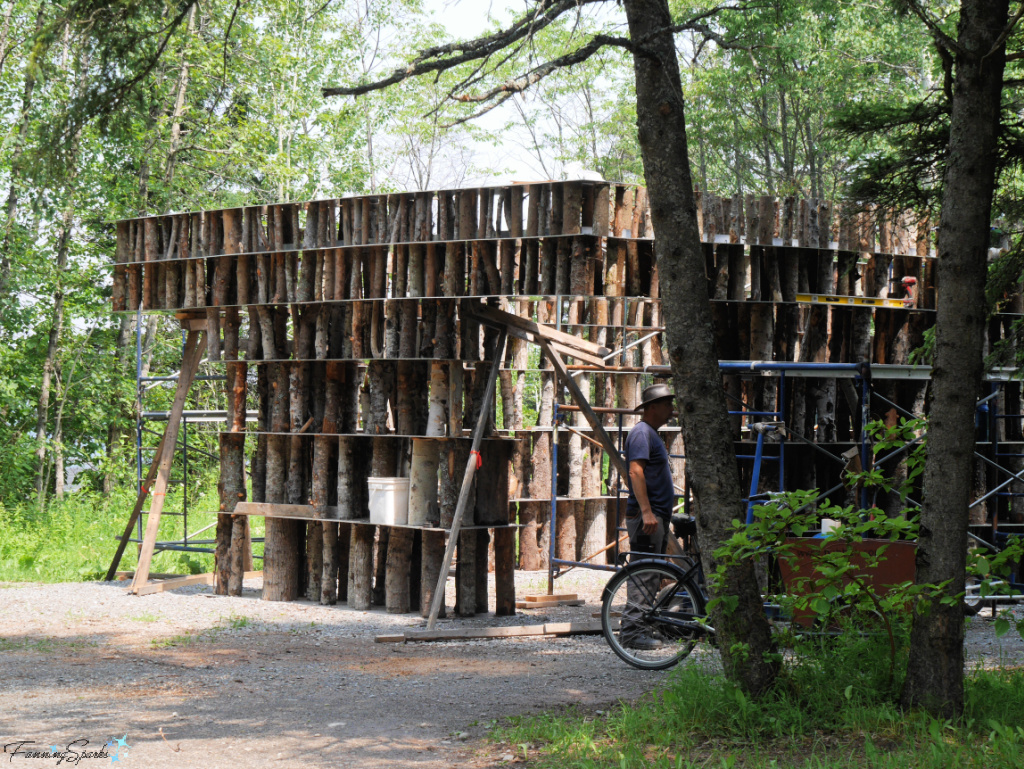 One of the project requirements described in the Festival’s Call for Proposals states “Designers will be asked to imagine their garden for exhibition for at least two summers”. Interestingly, some garden installations have been in place for much longer. Le Bois de biais et sa folie (Wood Bias and Its Folly), for instance, was originally installed twenty years ago for the 2006 Festival.
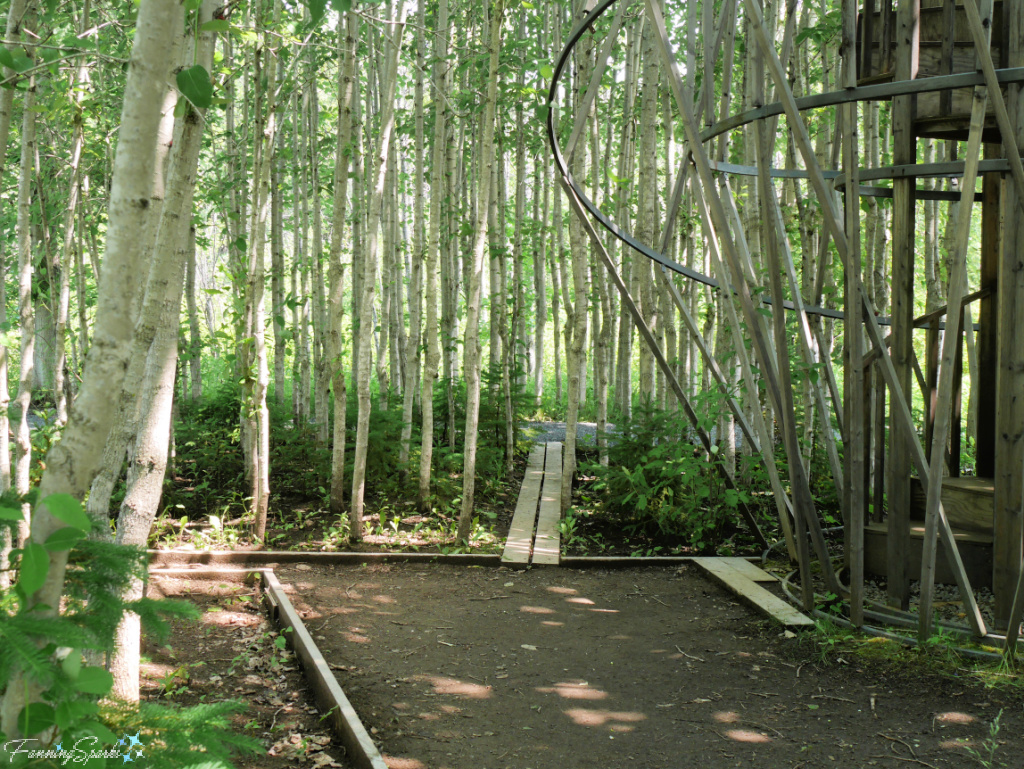
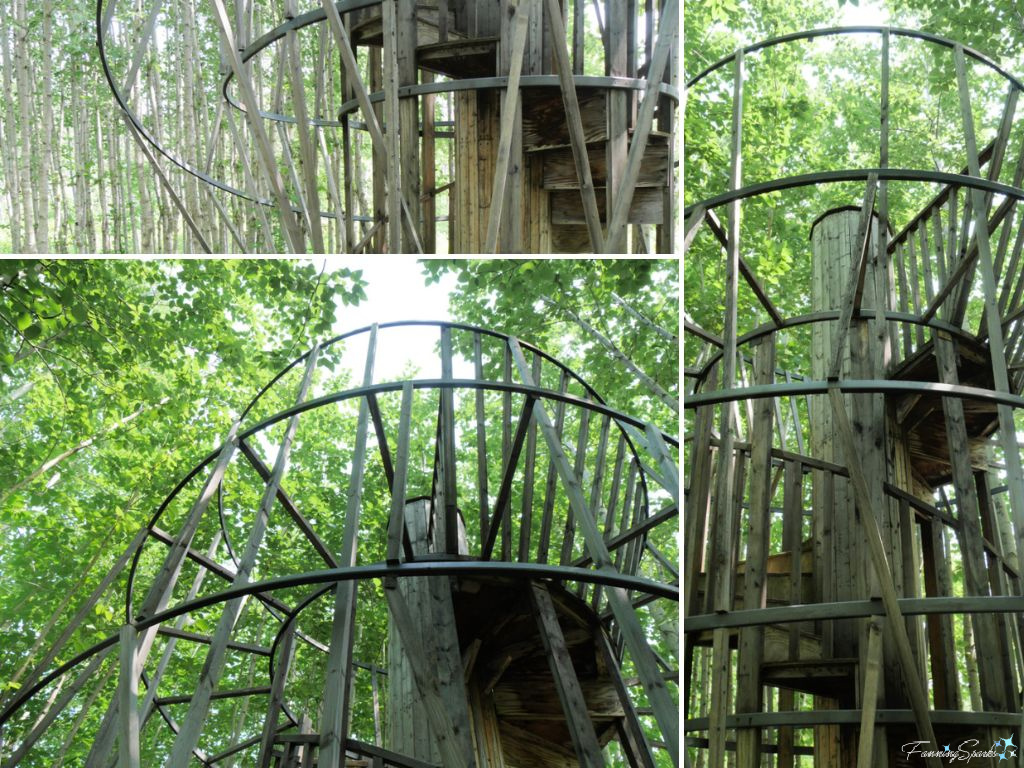
At that time, the Berlin-based landscape design team Atelier le balto, planted a structured, dense grid of fast-growing poplars and willows as an exploration of rapid ecological transition.
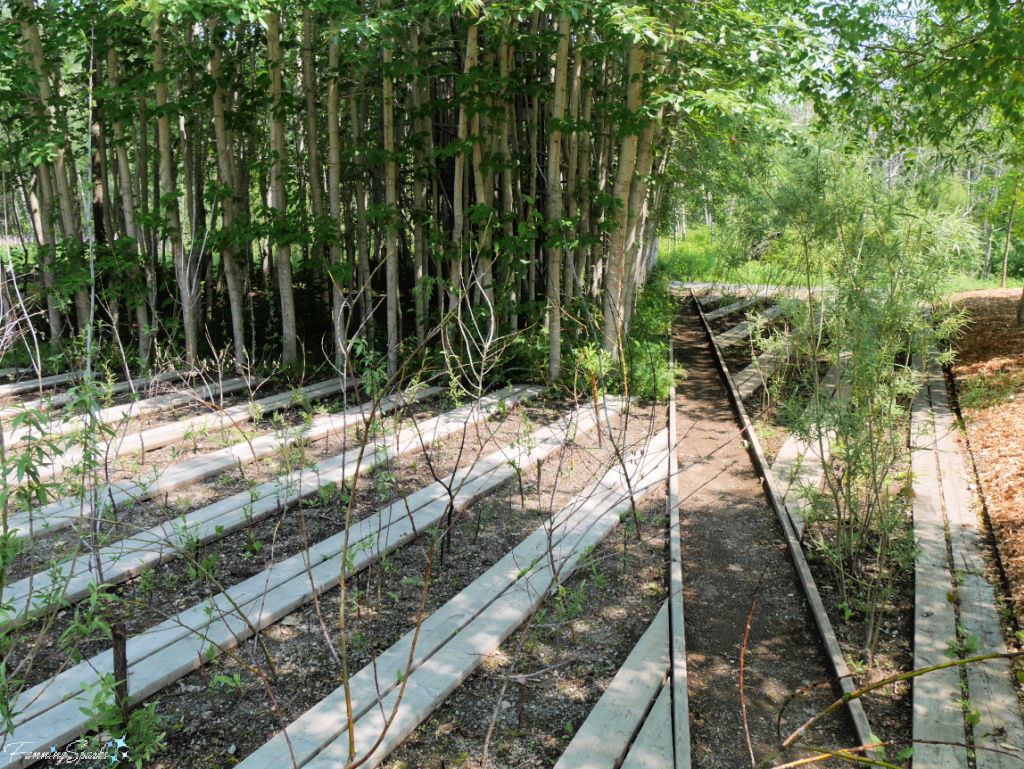 Five years later, the trees had matured and a dense tree canopy crowned the site. The designers responded by creating a contemporary interpretation of a garden “folly” ― giving visitors a new, elevated vantage point from which to appreciate the garden.
As noted in the project description, “During the summer the trees outgrow the structure and make it disappear. The sculpture works both as an allegory that rewrites the beauty of a garden that grows into a forest or as a secret garden floating between the trees.”
 The International Garden Festival celebrated its 25th anniversary in 2024 and Festival organizers took the opportunity to reflect on their journey. They noted that “now more than ever, we feel the urgency to act in the face of accelerating climate change. … It seems to us that the garden today (be it private or public) has a social responsibility. Sustainable, it preserves and supports biodiversity. Plants are rigorously selected after considering the specific needs and behaviours of each species and how they interact. The characteristics of the site to be developed and their evolution over the seasons are also carefully studied.”
The Bruissement d’ailes (Rustling of Wings) garden, by Bernard Chapuis and Georges Vafias, explicitly addresses concerns about climate change. Regular readers might recognize this photo from my previous blog post Three Provinces: Three Gardens.
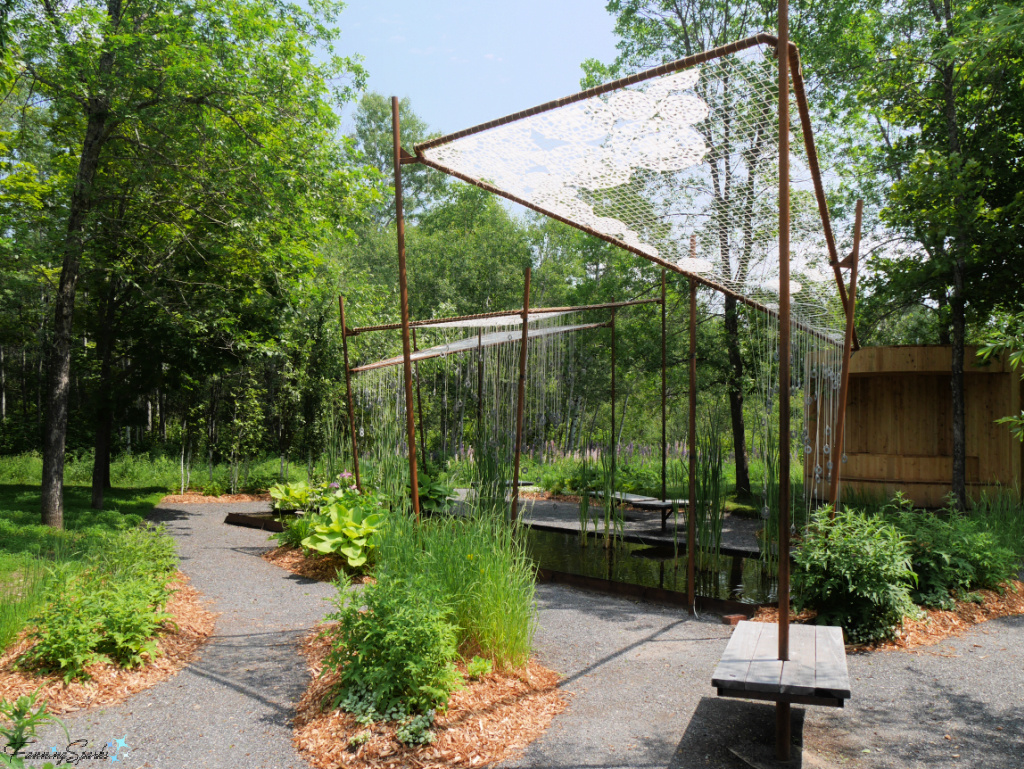 There are many things to admire about the Bruissement d’ailes garden ― starting with its objectives ― “the need to get back to basics, to be as close as possible to our natural environment.”
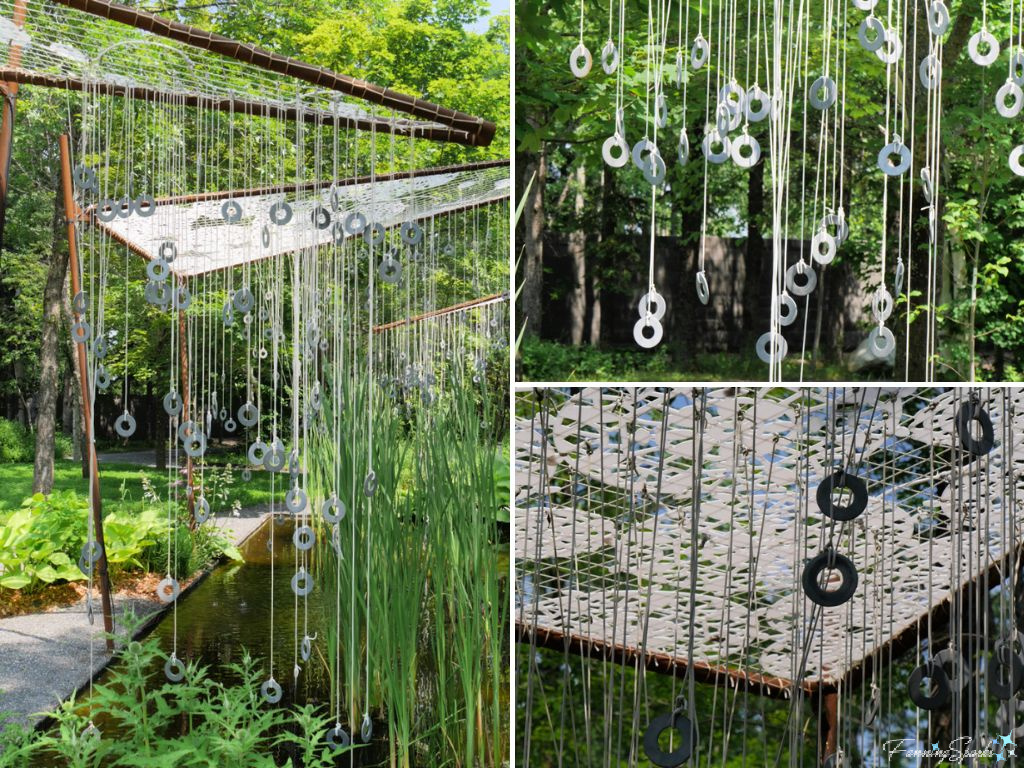
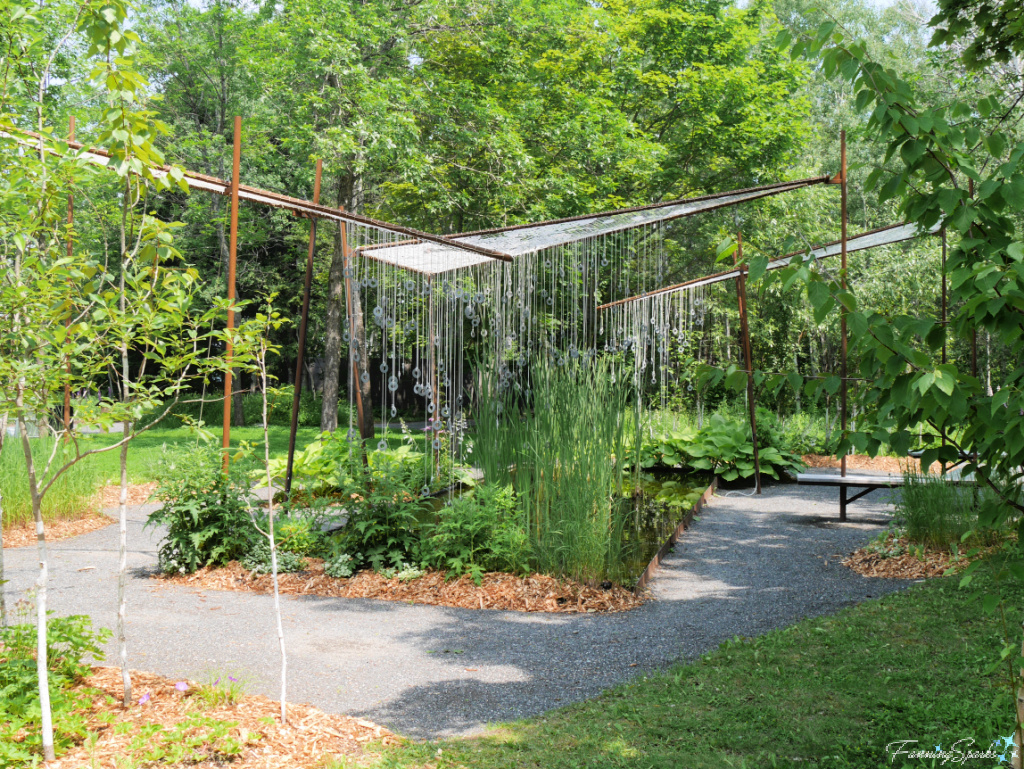
“Climate change and the destruction of natural habitats—these are the new conditions that the world’s temperate zones are now facing.” reads the project description. “Fragility, imbalance and uncertainty are now the order of the day, requiring each and every one of us to adapt to a changing climate by doing everything possible to temper the harmful effects of rising temperatures, by rethinking our behaviour, by battling heat islands, and by using new or traditional ways to address the problem of water and shade scarcity. Bruissement d’ailes encourages visitors to rekindle their relationship with nature and to pause for a moment in the shade of three elaborate sails, like outstretched wings over a waterlily pond.”
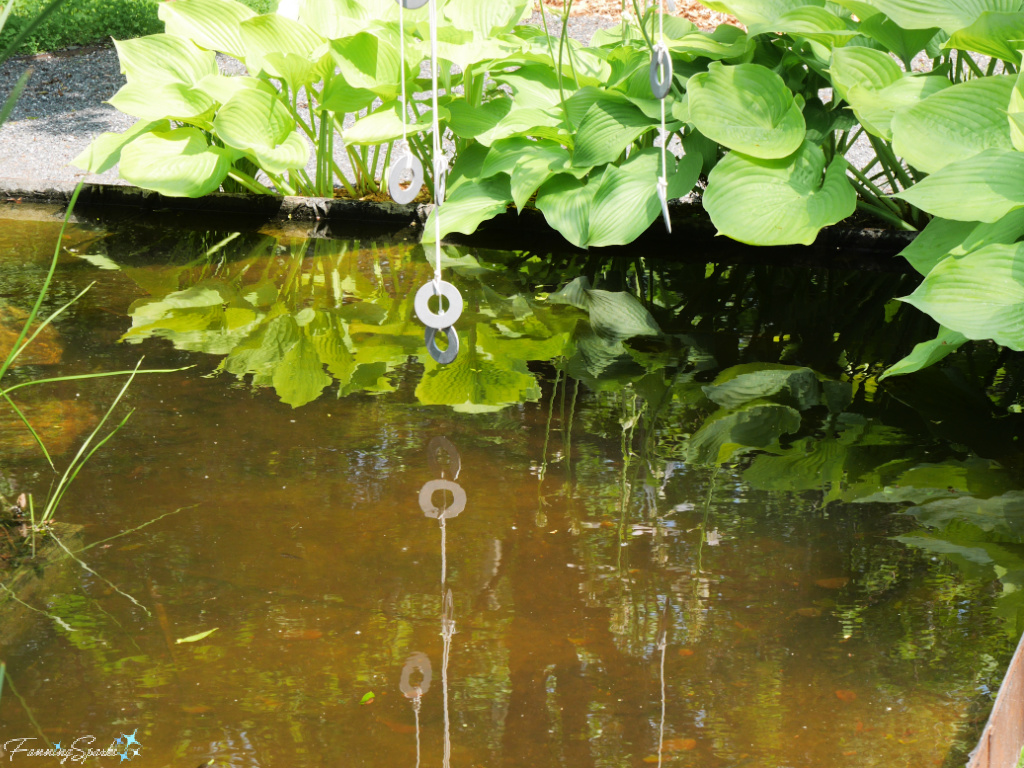
I loved this tranquil space ― the gorgeous lacework shades provided a soothing dappled shade while the simple suspended-washer mobile cast an endless show of reflections on the shallow pond.
 Interestingly, this garden is part of a bilateral agreement between France and Québec. The Bruissement d’ailes garden was designed by Chapuis and Vafias on behalf of the France-based “Festival International des Jardins, Domaine de Chaumont-sur-Loire”. In parallel, an extramural project, FolkFlore, was presented by the International Garden Festival at its counterpart festival in Chaumont-sur-Loire, France. Looks like I’ll be adding the Chaumont-sur-Loire to my travel wish list!
 I’ll wrap up with a few final shots from the 27th edition of the International Garden Festival in Grand-Métis. Full descriptions of these installations are provided online (see More Info section below).
This is Couleur Nature (Natural Colour) by Vanderveken, Architecture + Landscape.
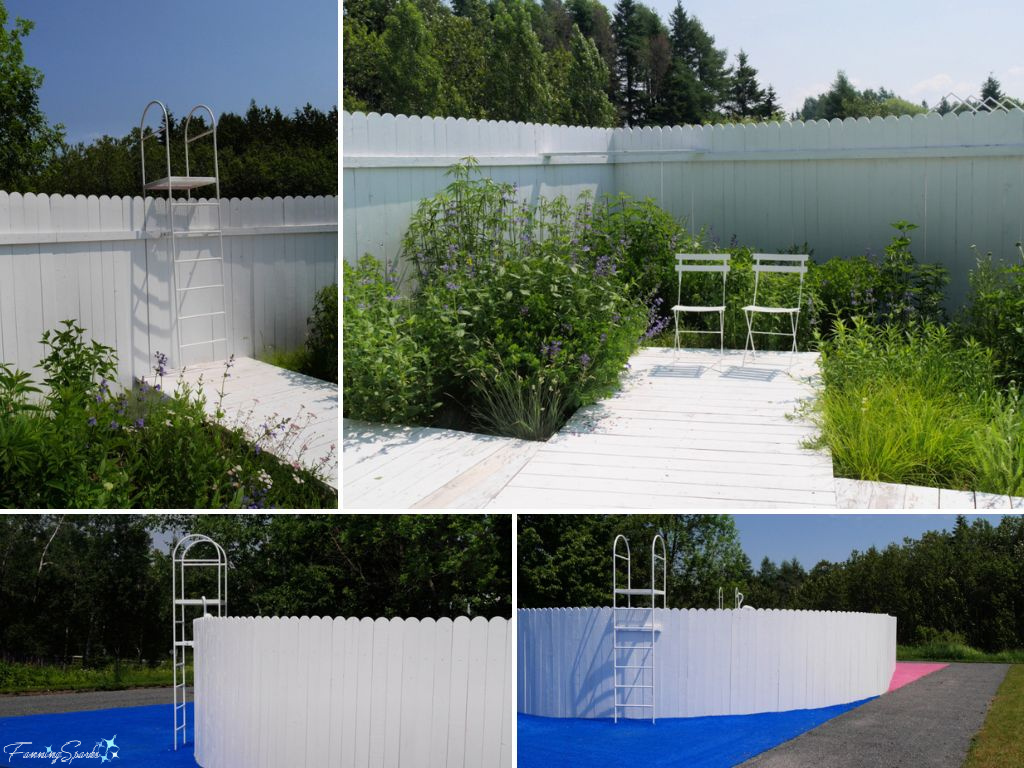 This is BACK / GROUND by Patrick Bérubé.
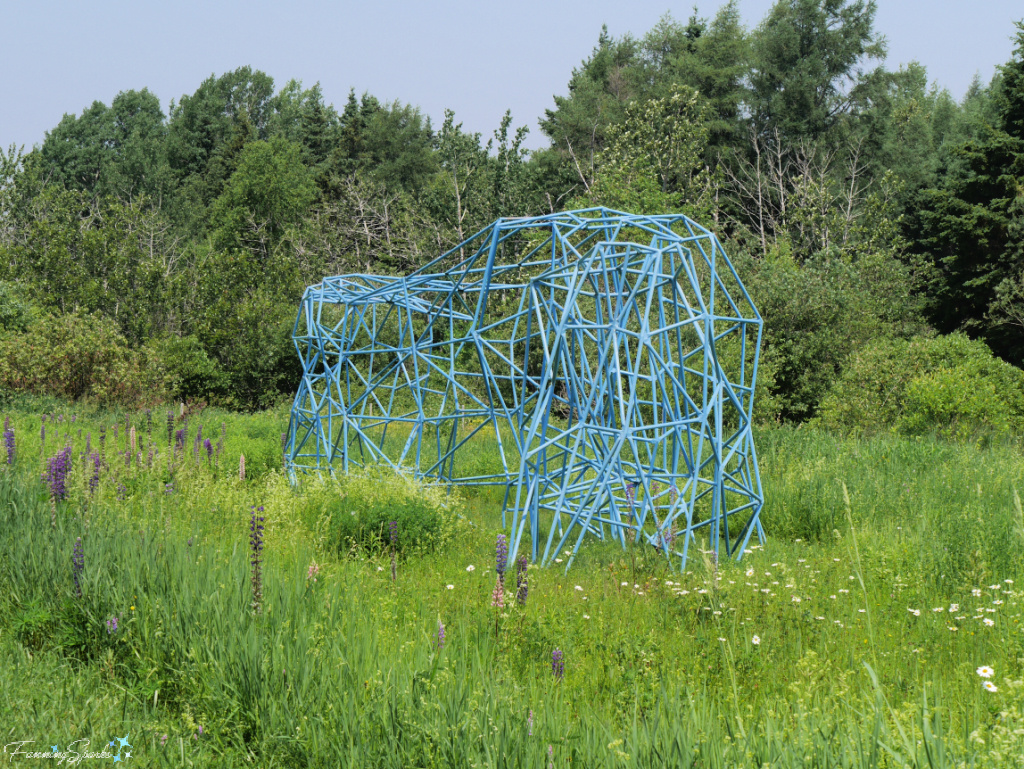
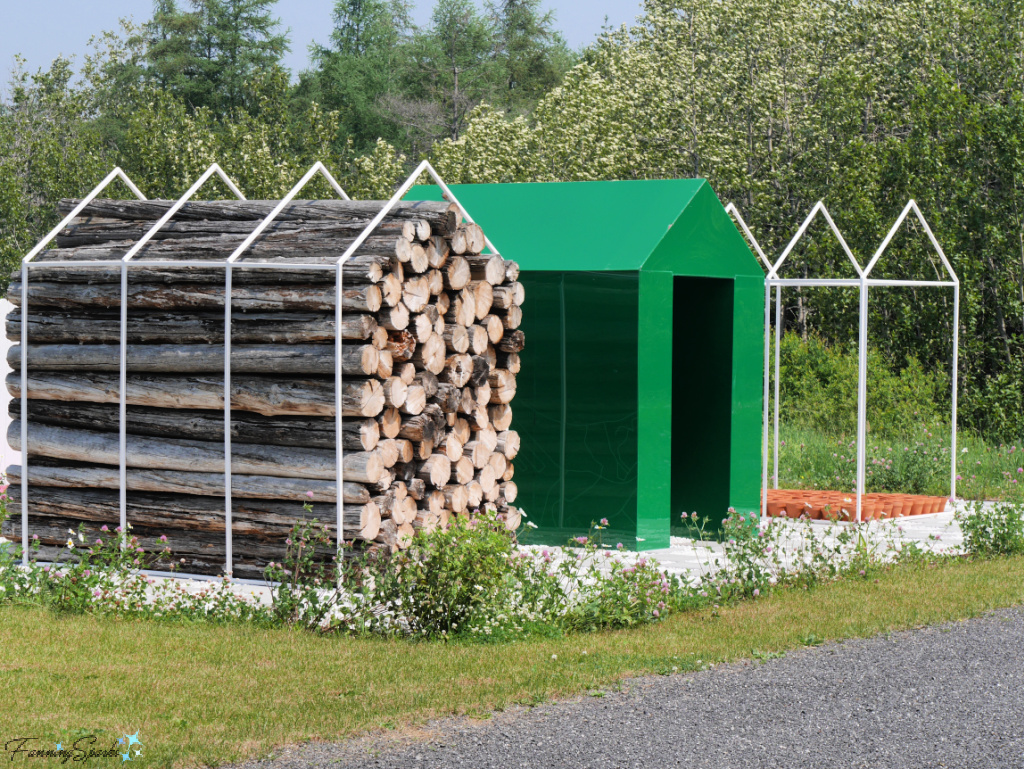 Shown below is Le Rocher très percé (The Very Pierced Rock) by Humà Design and Vincent Lemay.
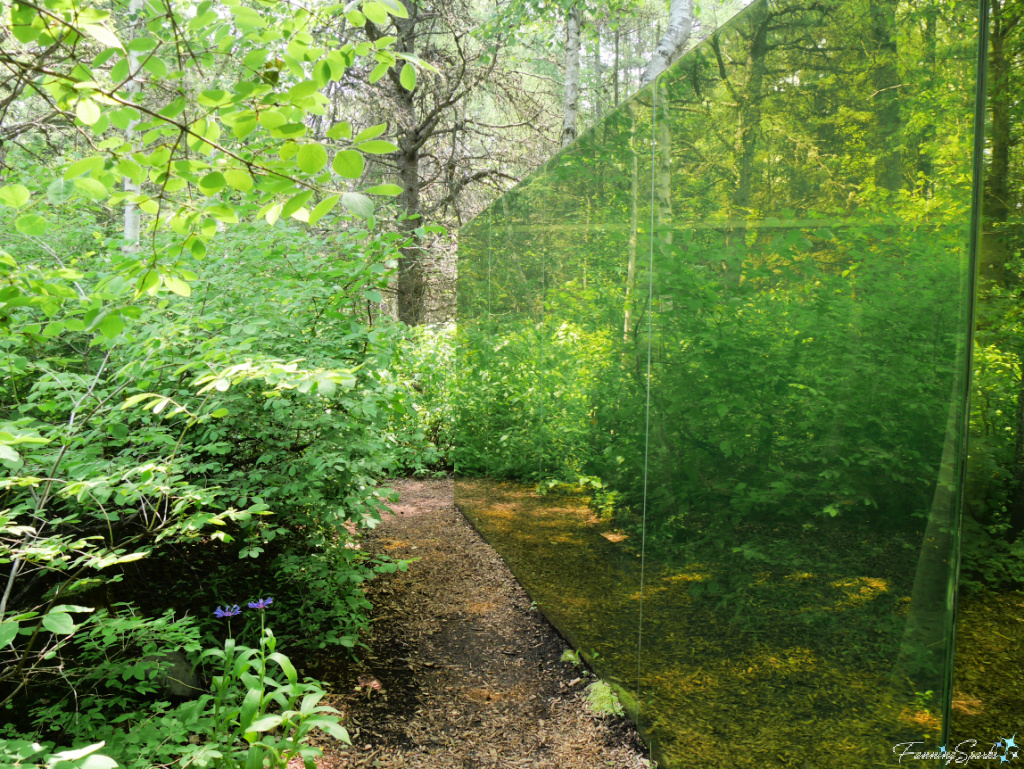
 Réflexions colorées (Colourful Reflexions) by Hal Ingberg is shown below.
More Info
Previous blog posts mentioned in this blog post include:
. Three Provinces: Three Gardens.
The Festival international de jardins (International Garden Festival) is a fascinating botanical destination. Its location, at Jardins de Métis (Reford Gardens) in Grand-Métis, Quebec, Canada, may not be the easiest to reach but it’s well worth the effort. The Festival is held every summer. See the International Garden Festival website for more information.
The following outstanding gardens and the talented architects, landscape architects, and designers responsible for them are mentioned in this blog post:
. Gravity Field by Terrain Work – see their website or Instagram
. Tainai-Meguri by:
… Clinton Cuddington of Measured Architecture Inc. ― see their website or Instagram
… Tamotsu Tongu of Toko Garden Design ― see them on Instagram
… Kumpei Wakino of Kunon Landscape & Design ― see their website or Instagram
. Worm’s Eye by Ellen Harris of Skidmore, Owings and Merrill ― see their website
. Again, a Garden by Hugh Taylor ― see their website
. Le Bois de biais et sa folie (Wood Bias and Its Folly) by atelier le balto ― see their website
. Couleur Nature (Natural Colour) by Guillaume Vanderveken of Vanderveken, Architecture + Landscape ― see their website or Instagram
. BACK / GROUND by Patrick Bérubé ― see their website or Instagram
. Le Rocher très percé (The Very Pierced Rock) by:
… Humà Design + Architecture ― see their website or Instagram
… Vincent Lemay
. Réflexions colorées (Colourful Reflexions) by Hal Ingberg ― see their website or Instagram
. Bruissement d’ailes (Rustling of Wings) by Bernard Chapuis and Georges Vafias for the Festival International des Jardins, Domaine de Chaumont-sur-Loire.
“Acquired by the Centre-Val de Loire Region [of France] in 2007, The Domain of Chaumont-sur-Loire has become an unmissable site within the spheres of art and gardens. The triple identity of the Domaine : Heritage, art and gardens make for a unique visit within the circuit of the Loire Valley castles.” See their website or Instagram for information about the Festival International des Jardins.
Today’s Takeaways
1. Garden festivals and shows deliberately challenge what we think a garden can be.
2. Gardens can provoke interaction, invite participation, encourage exchange and foster reflection.
3. “Now more than ever, we feel the urgency to act in the face of accelerating climate change. … It seems to us that the garden today (be it private or public) has a social responsibility. Sustainable, it preserves and supports biodiversity.” International Garden Festival

Comments are closed.