Ocean-based activity makes a substantial contribution to the Canadian economy.  As explained by Fisheries and Oceans Canada, the marine economy spans a number of industries and sectors including seafood (such as commercial fishing, aquaculture, fish processing), offshore oil and gas, tourism and recreation, marine transportation, manufacturing and construction (including ship and boat building, and ports and harbours construction) and public sector (such as National Defence, Fisheries & Oceans).

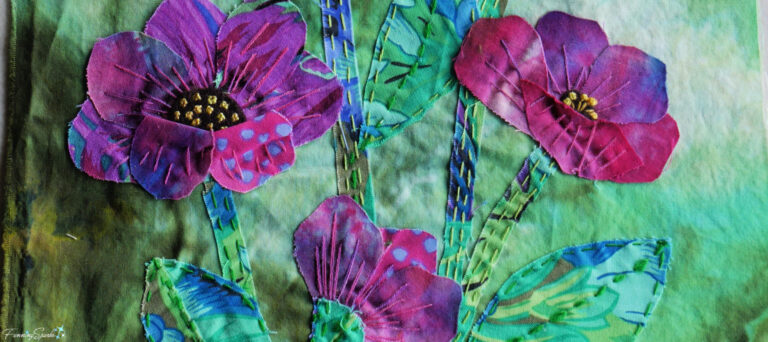
Admiring the work of others and seeking advice from experts is all well and good but diving in and doing it yourself is the best way to learn.  At least, that’s been my experience with the numerous creative endeavors I’ve tackled over the years.  And it proved to be true once again with my most recent effort―textile collage.

It’s easy to get lost in the fluidity of the creative process when making a collage.  The artist can arrange and rearrange their picture or design until they find a composition that pleases them.  And they can audition individual pieces for color, form, texture and placement until the finished collage emerges.

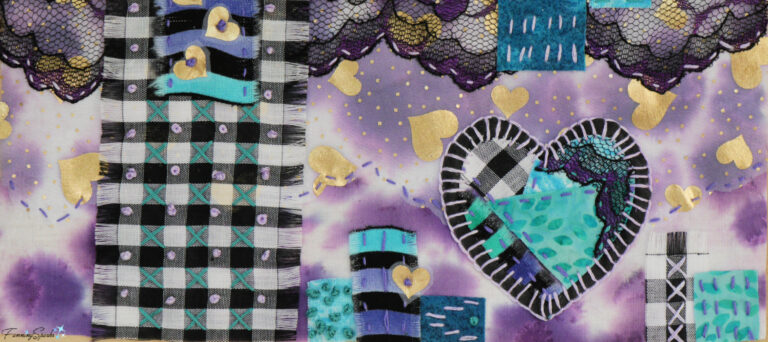
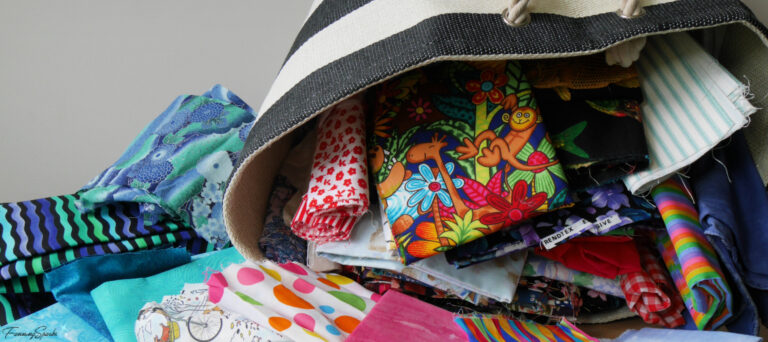
Textile collage artists create artistic compositions―pictures or designs―from fabric, thread and other fibers.  “A collage is a piece of art composed by combining various materials … in a visually interesting manner” writes Barbara Matthiessen in her book Collage Creations.