
It’s not unusual to walk into a fine hotel room and find a band of luxurious fabric draped across the foot of the bed. These decorative fabric bands, known as “bed runners”, are similar to the better-known table runner (more on those later).
A bed runner, according to Linvosges Hôtellerie, a French textile supplier serving the hospitality industry since 1923, is a “luxury accessory” which adds “a touch of elegance and refinement”. Bed runners are “associated with the comfort offered by premium hotel rooms”, they write.
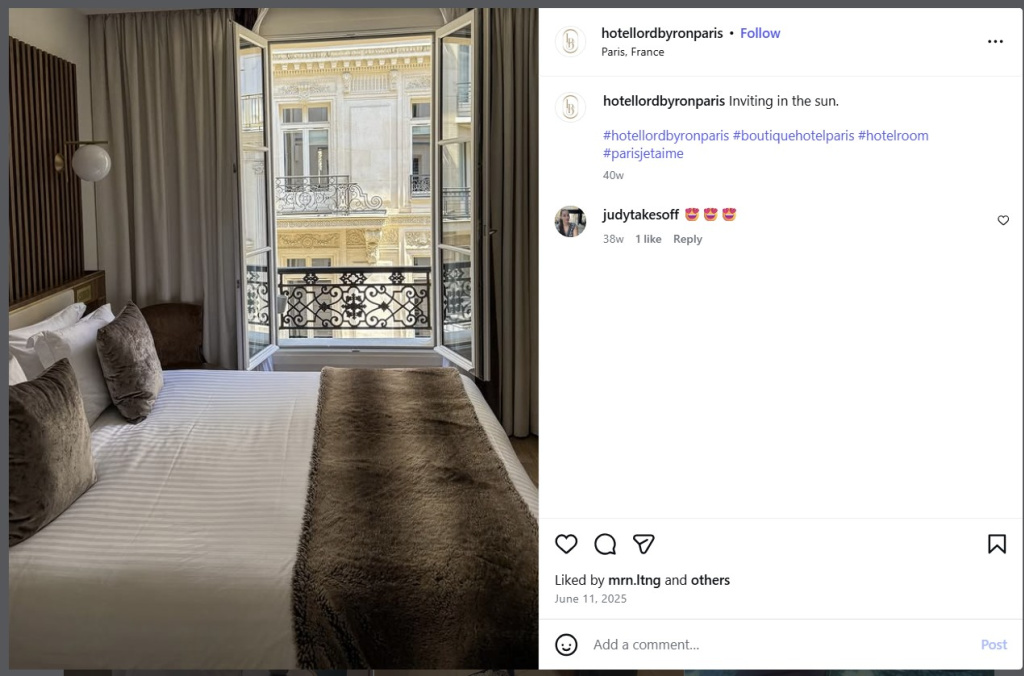
Shown below is an example from the l’Hôtel Lord Byron, a 4-star boutique hotel near the Champs-Élysées in Paris. The bed runner adds a splash of texture and color which is echoed in the matching decorative pillows.
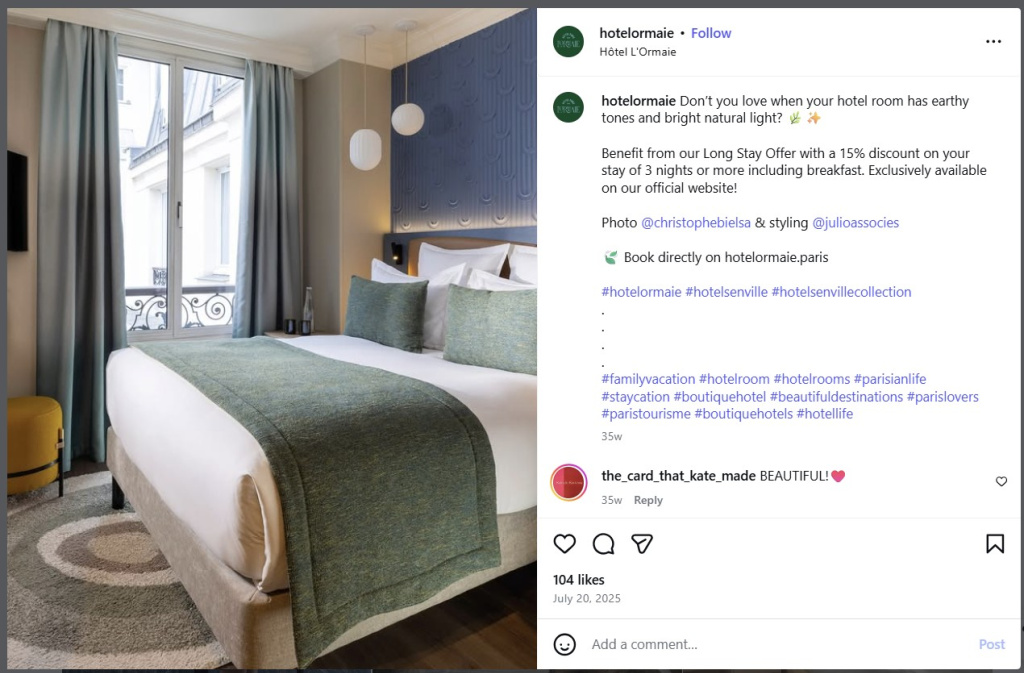
The next example is also from an exclusive 4-star Parisian hotel. According to their website, the décor at Hôtel L’Ormaie is “swathed in cosy and hushed tones” and their rooms “are suffused with a contemporary classic feel, lively touches and organic lines”.
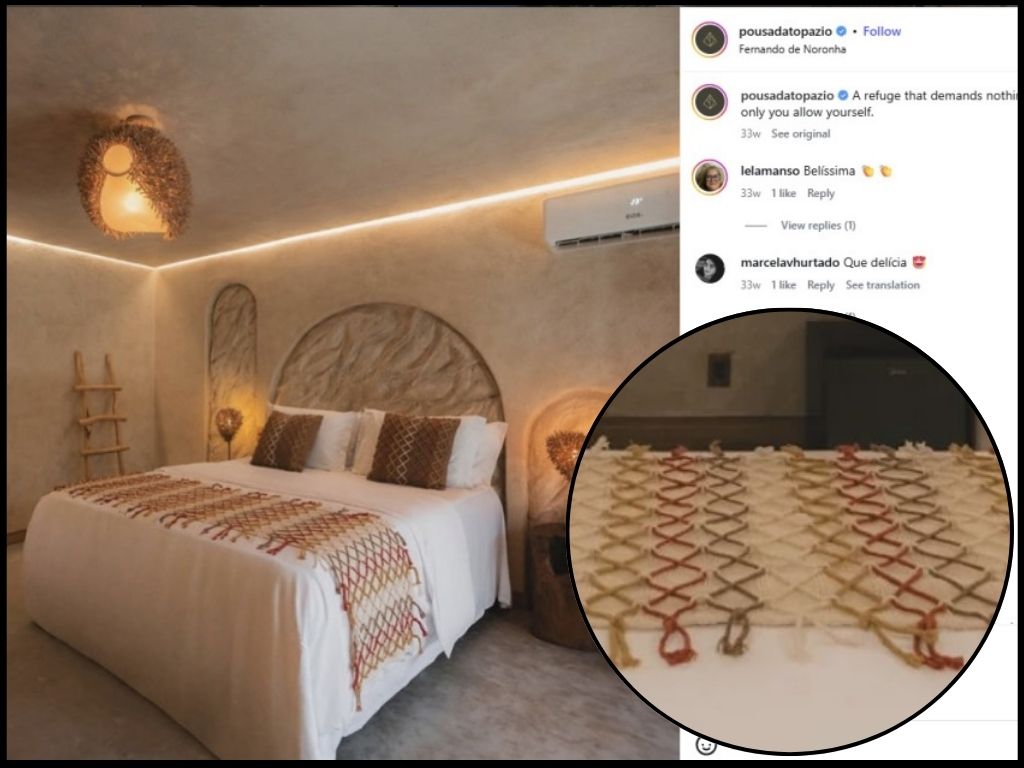
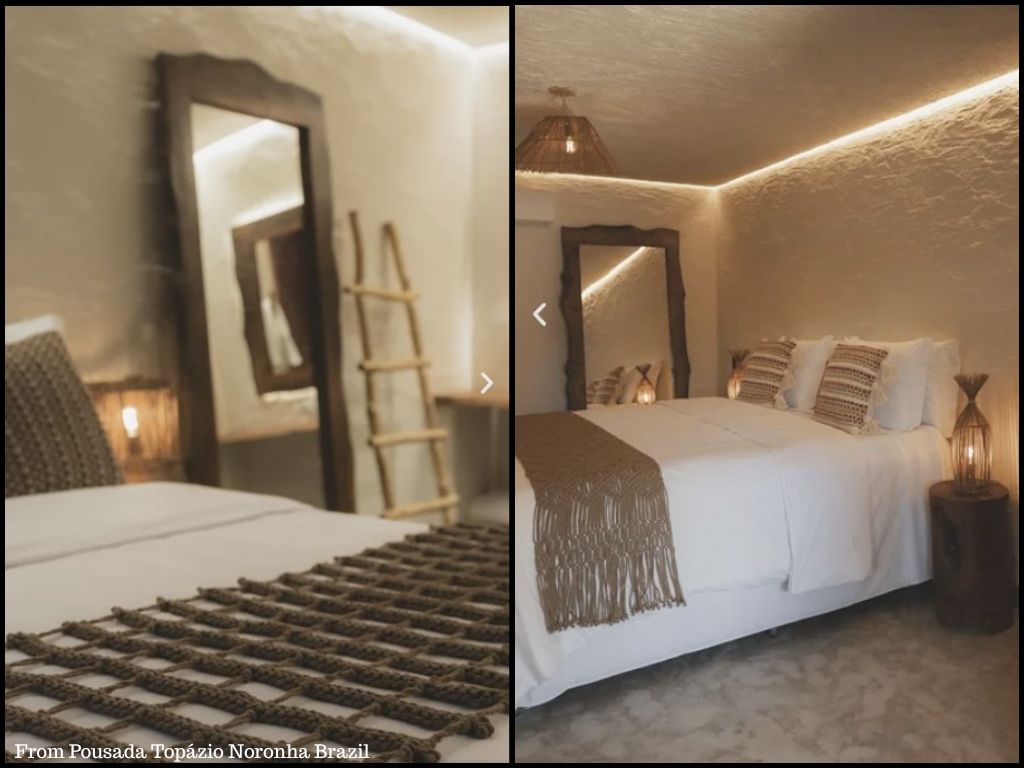
And just to prove bed runners aren’t only used in France, here’s an example from the Pousada Topázio in Noronha Brazil. A closer look reveals the bed runner in the Moonstone Suite appears to be hand-crafted macrame or netting. This is a great example of adding color, interest, texture and flair with a bed runner.
Intriguingly, the Pousada Topázio seems to vary their bed runners from room to room. Shown below are the Jade Suite and the Emerald Suite. Both exemplify the “rustic-contemporary architecture, natural materials, and integration with the surroundings” described on the Inn’s website.
All of the examples I was able to find on Instagram were in upscale hotels and exclusive boutiques. This suggests the Linvosges Hôtellerie’s view that bed runners are associated with premium hotel rooms is probably correct.
Aesthetically, bed runners can add texture, color and form through a variety of styles, materials and colors. But do they serve a purpose? According to online sources, bed runners help protect a hotel’s bed linens from dirt, marks and wear thus reducing the housekeeping effort.
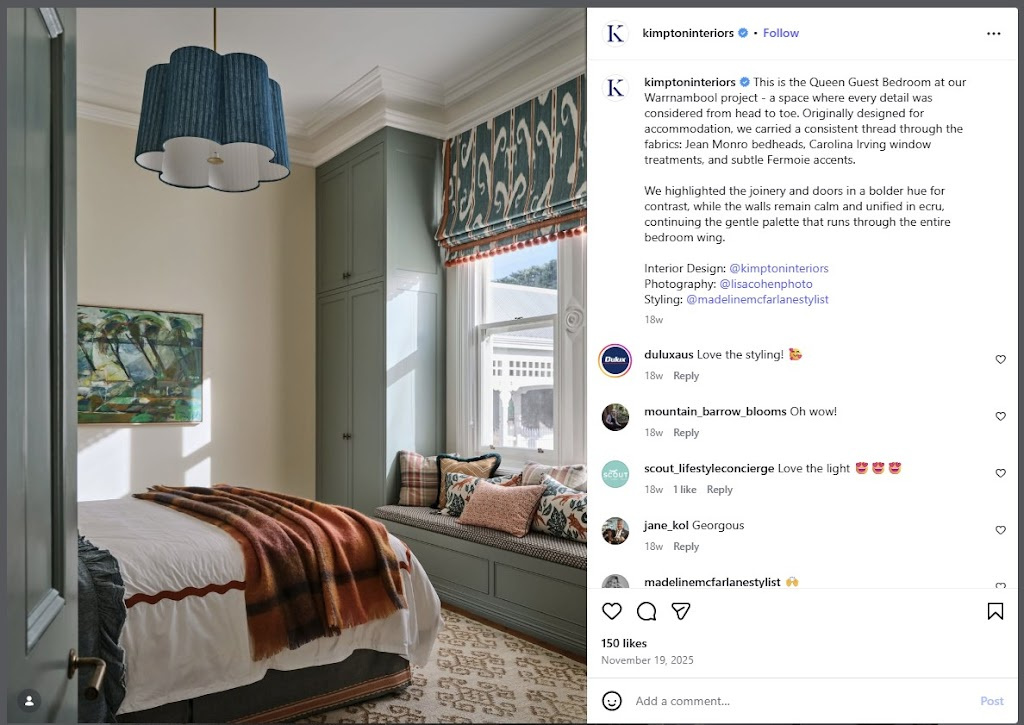
It stands to reason that the same would be true in our home bedrooms. So, I started searching for bed runners in the plethora of beautifully decorated bedrooms people share on Instagram. This proved more difficult than I expected ― there were very few bed runners. Instagram is, however, flooded with throws and blankets carefully arranged at the foot of the bed ― like this …
… and this.
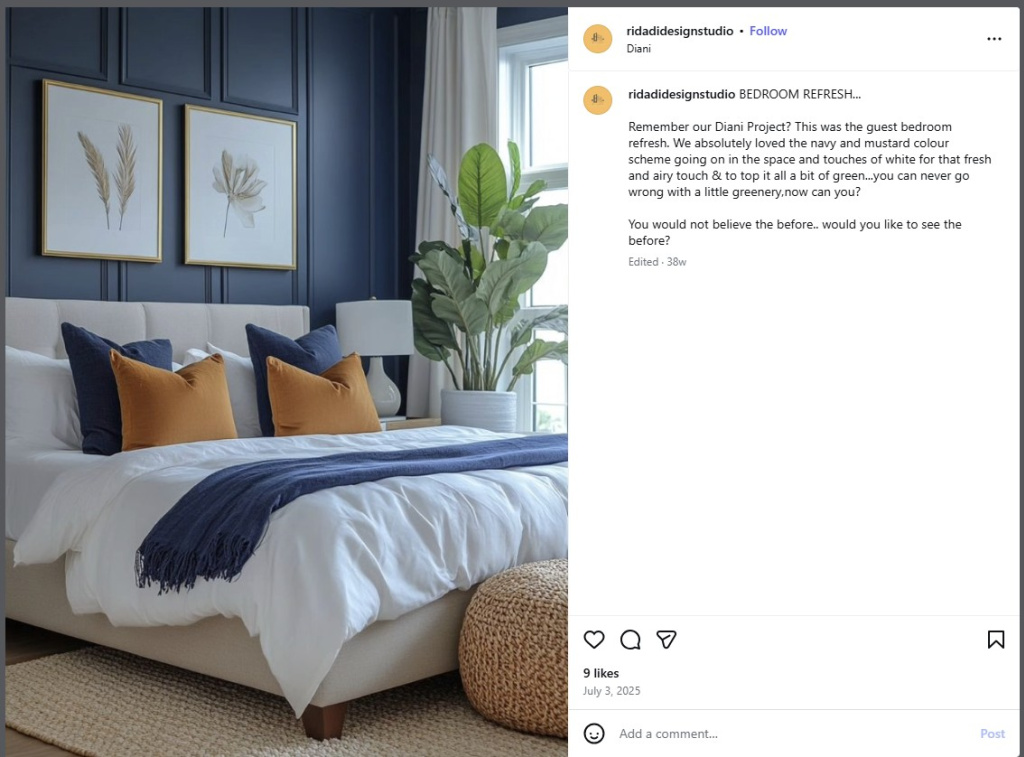
Throws, decorative blankets and bed runners can all add texture and color to a bedroom’s décor. But, in my experience, it takes a fair bit of effort to arrange a throw or blanket into the picture-perfect, casually-mussed looks shown above. A bed runner, on the other hand, seems more straightforward ― it is simply draped across the foot of the bed and smoothed out ― no artfully draped wrinkles or carefully pleated folds required.
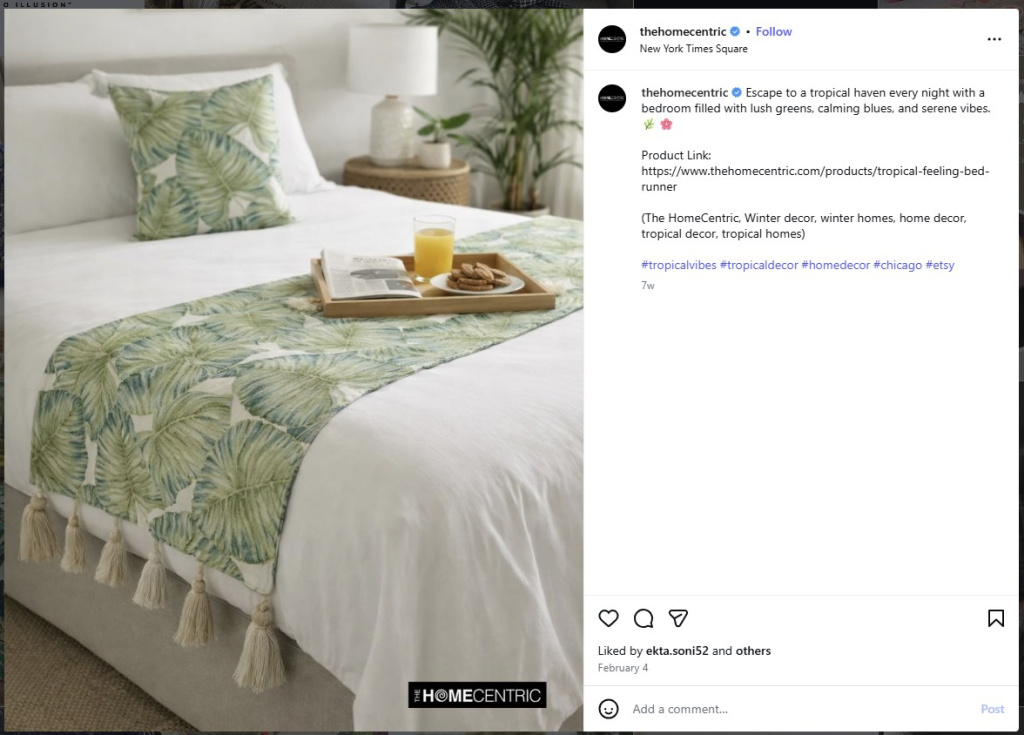
Here’s a great example of a simple bed runner sewn in a lively, tropical print fabric. Shown with a matching pillow, it is one of many options offered by The Home Centric.
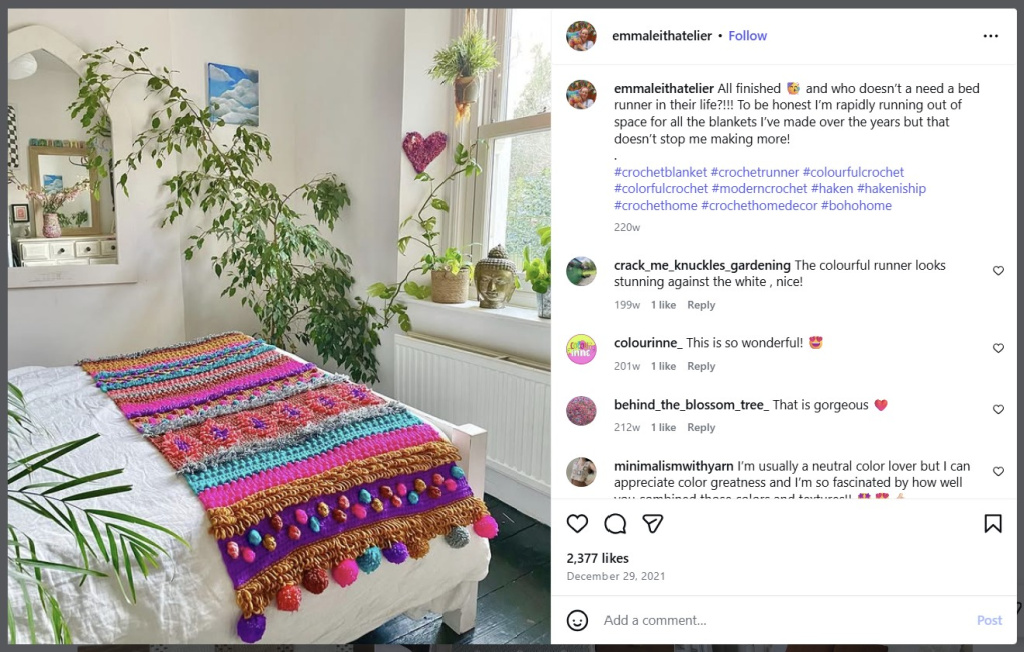
Other noteworthy home bed runners, like this one from Appleyard Cottage…
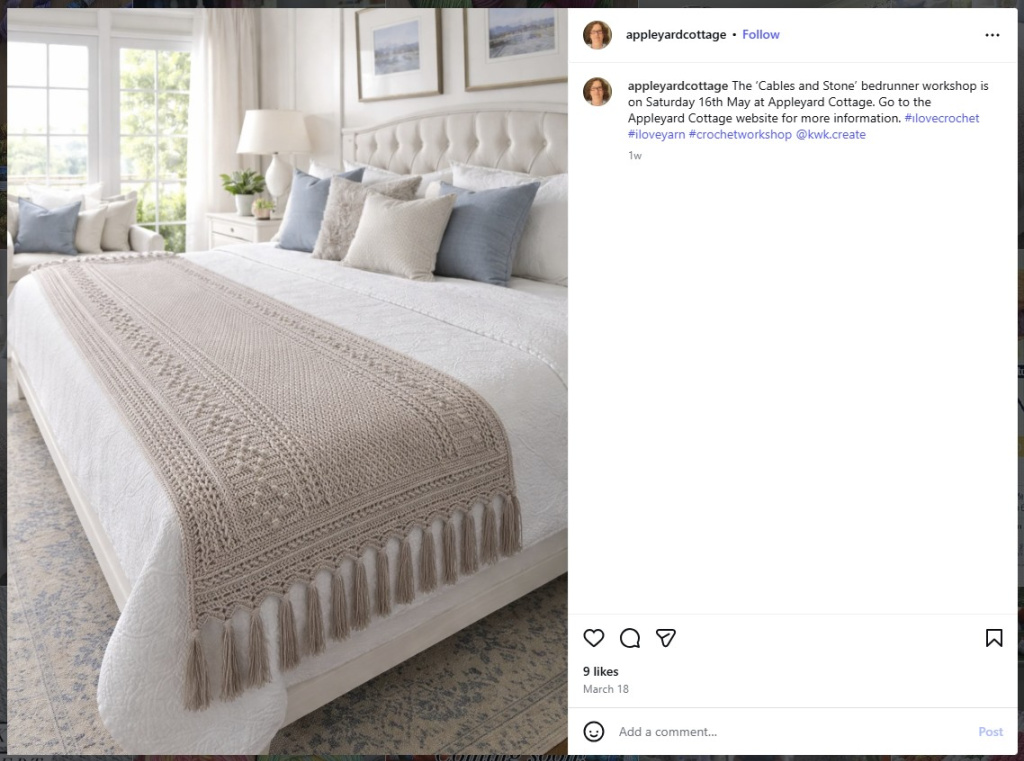
… and this one from Emma Leith Atelier are hand-crocheted works of art.
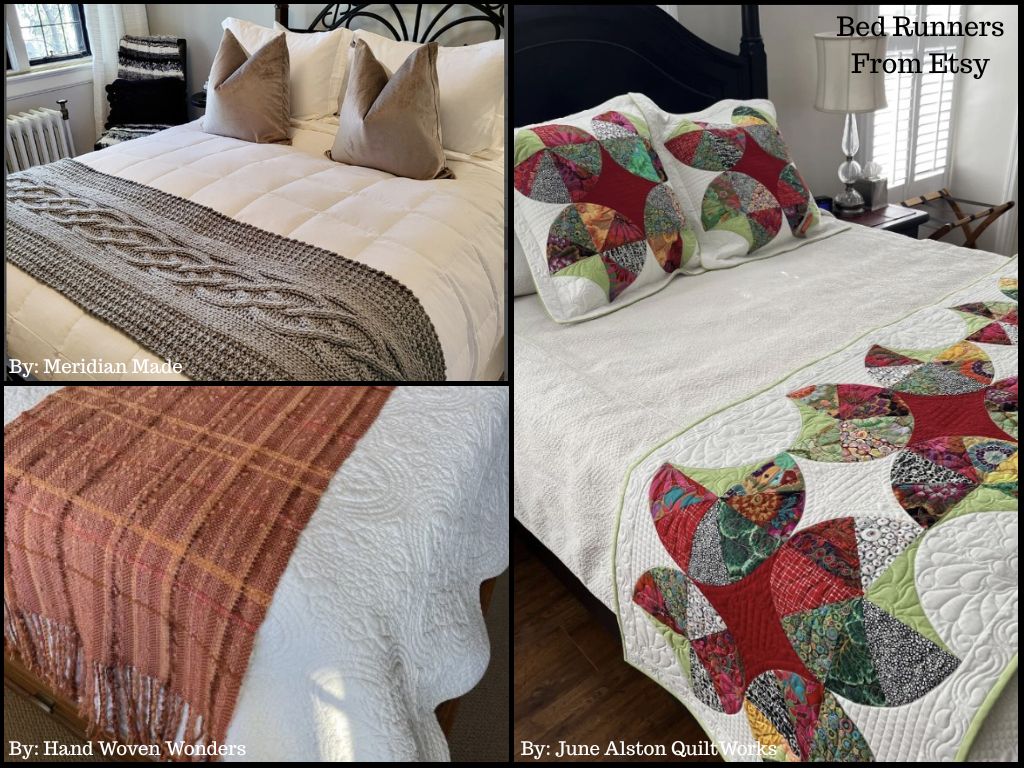
Bed runners can also be created by knitting, quilting or weaving as shown in the below examples from Etsy. The knit bed runner is by Meridian Made, the quilted bed runner is by June Alston QuiltWorks and the woven bed runner is by Hand Woven Wonders.
Frankly, I’m surprised bed runners aren’t more popular in home décor. It seems to me, bed runners have many positive aesthetic and functional attributes.
Aesthetically, bed runners can contribute to an intentional, layered look ― either in a quiet, supporting role or in a dramatic, center-of-attention role. Bed runners can add texture, color and form through a variety of styles, materials and colors including as unique, one-of-a-kind works of art.
Functionally, bed runners can help protect bed linens and coverings. They can serve as landing spots for laundry baskets, breakfast trays, suitcases, articles of clothing and the various other things often placed on a bed. Assuming low-maintenance materials were used to make them, bed runners are quicker and easier to launder than a quilt, duvet or blanket.
In addition, bed runners are easier to handle, and thus easier to tidy and arrange, than full-size bed coverings.
And, finally, bed runners cost less and require less storage space than full-size, decorative, bed coverings. So, style refreshes and seasonal swaps are more feasible.
Several of these attributes also apply to “table runners” which are noticeably more popular. In fact, many of my online searches for bed runners resulted in hits for table runners. Table runners, sometimes called table toppers or dresser scarves, are typically used on tables, dressers and other furniture. They, too, can add texture, color and form through a variety of styles, materials and colors.
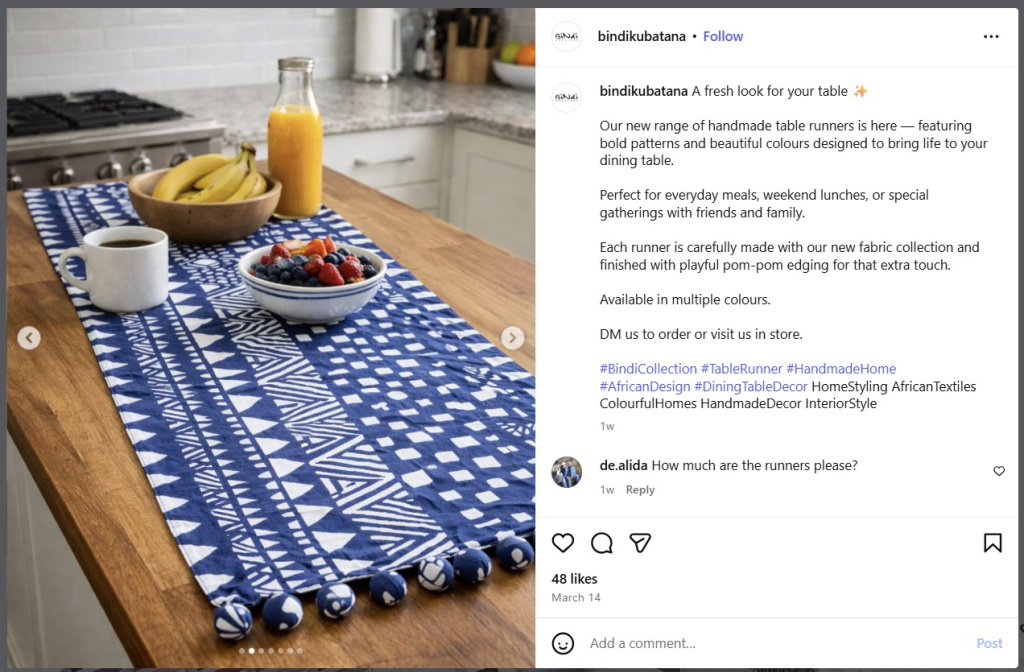
This example from Bindi Kubatana features “bold patterns and beautiful colors designed to bring life to your dining table”.
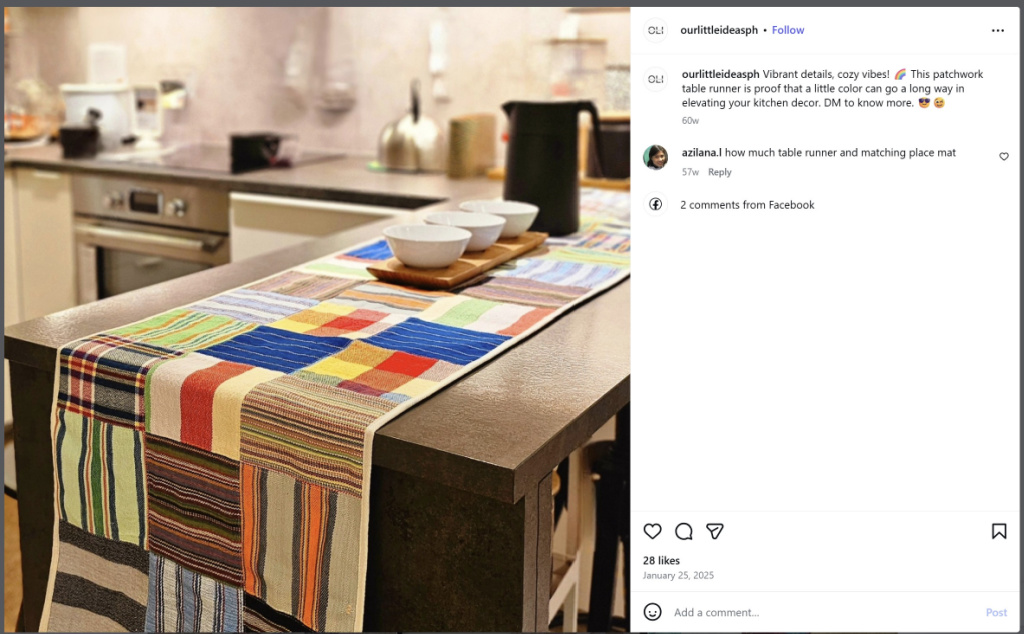
Our Little Ideas notes “this patchwork table runner is proof that a little color can go a long way in elevating your kitchen décor.”
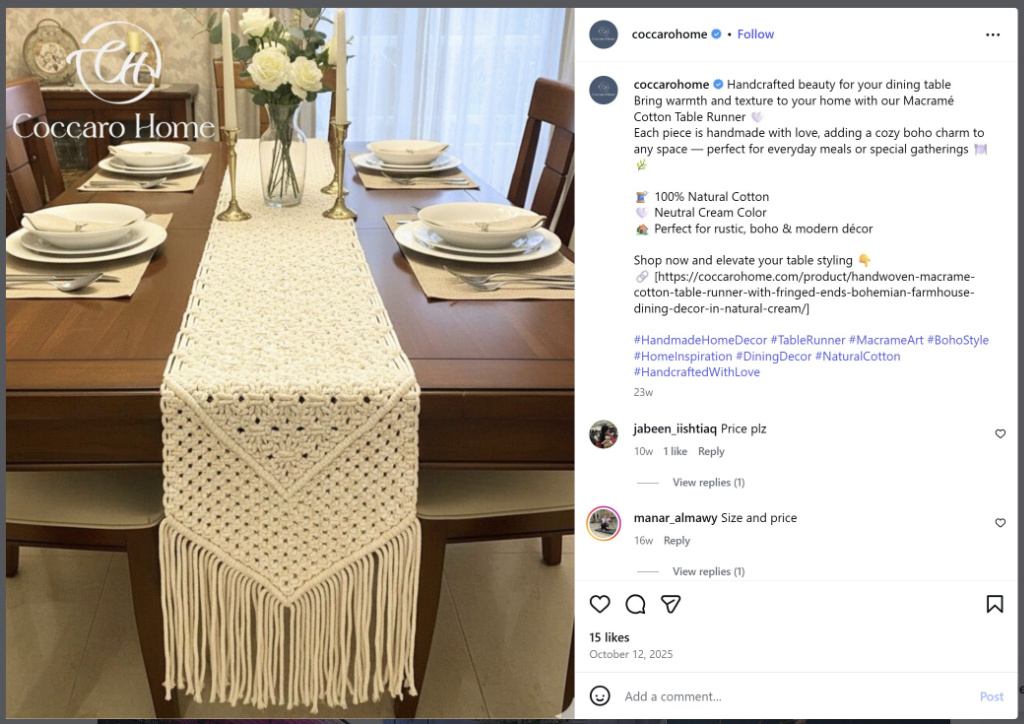
Coccaro Home emphasizes the “warmth and texture” a hand-crafted macramé cotton table runner will add to the dining table.
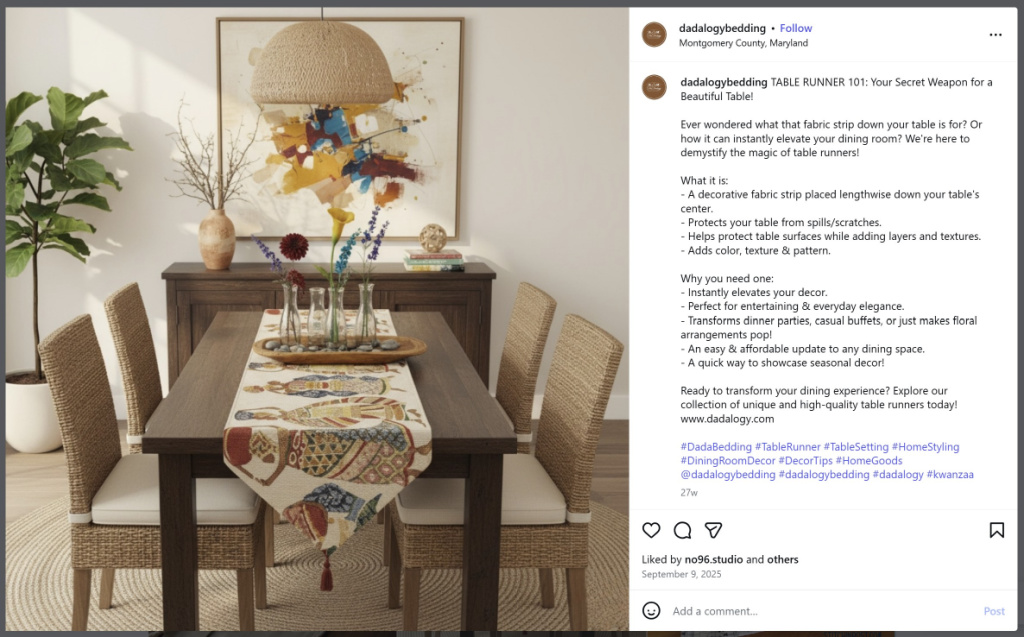
DaDalogy Bedding Collection makes a compelling case for table runners in their post. For instance, they suggest table runners can “instantly elevate your décor, [they are] an easy & affordable update to any dining space … [and they are] perfect for entertaining & everyday elegance”.
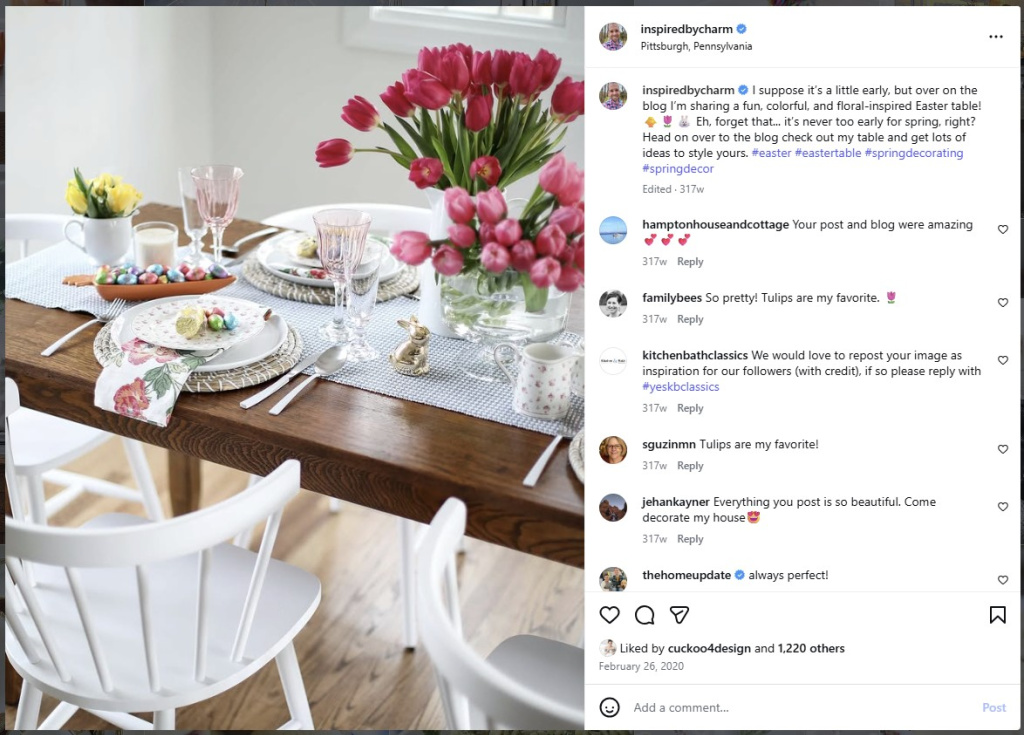
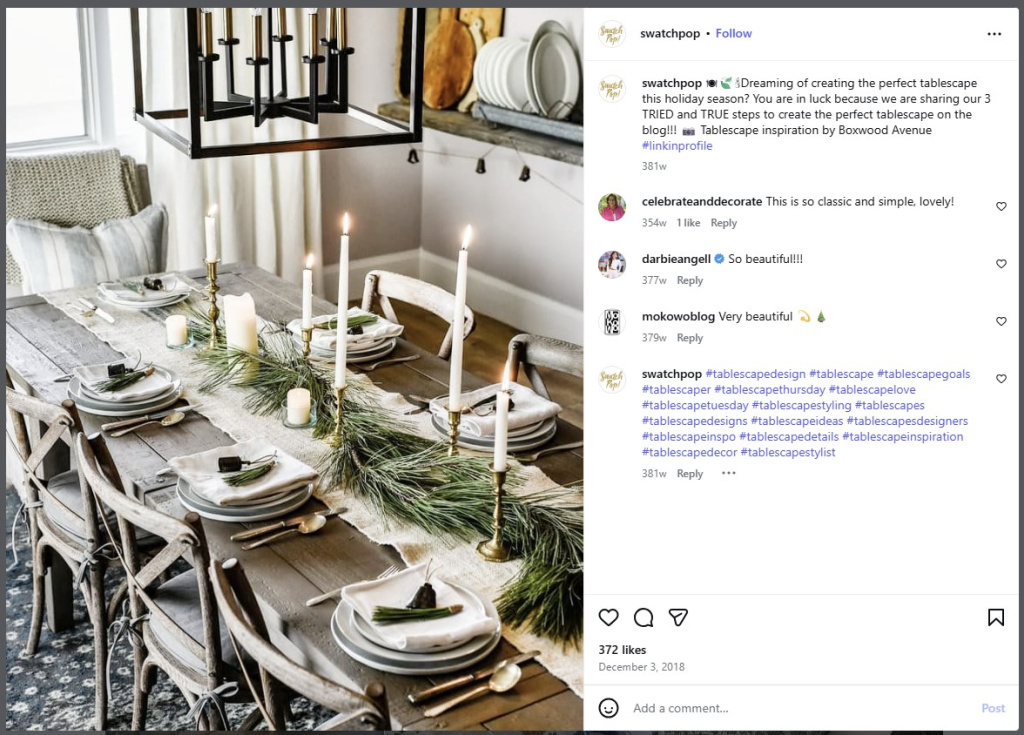
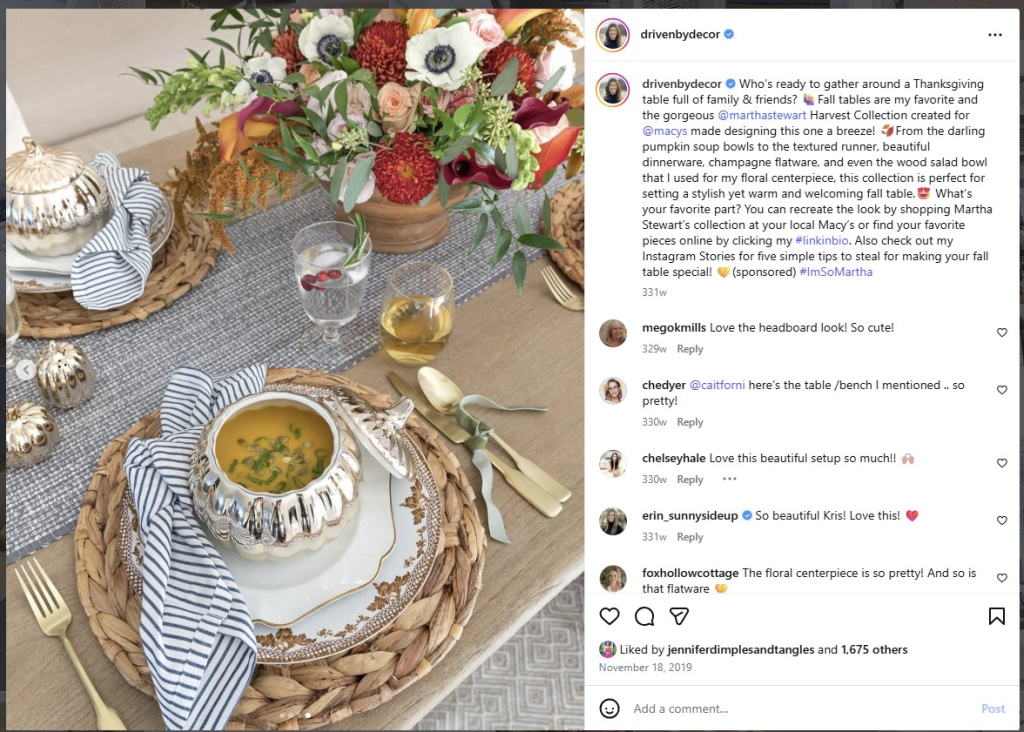
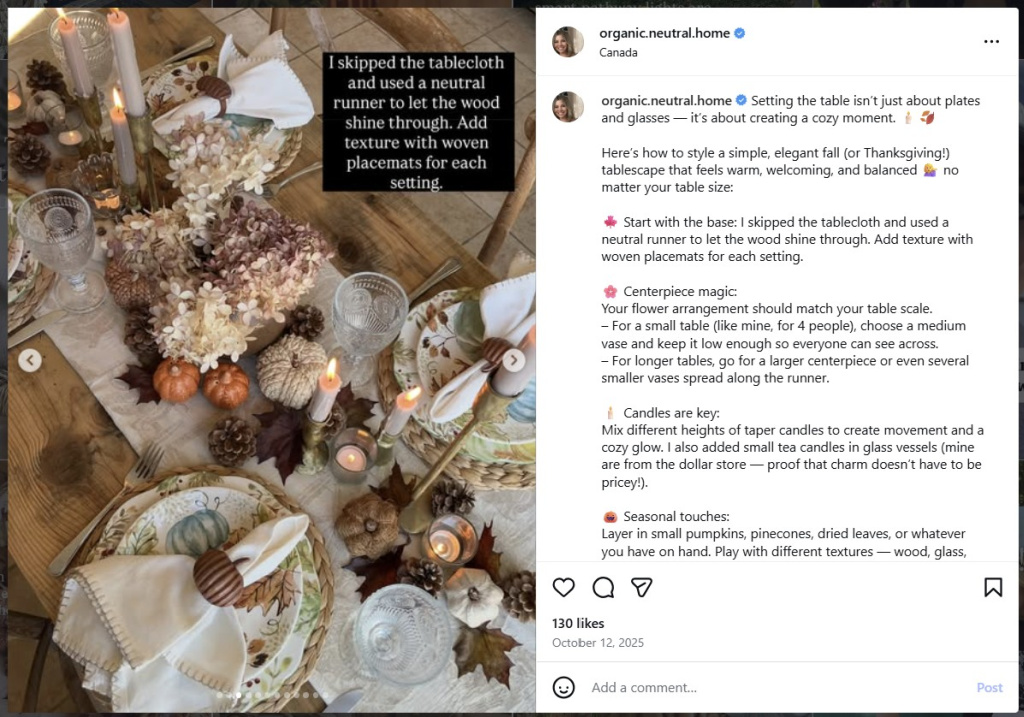
In addition, DaDalogy Bedding Collection notes table runners are a “quick way to showcase seasonal décor … [and can] transform dinner parties, casual buffets, or just make floral arrangements pop! Table runners do indeed appear in many elaborate, holiday tablescapes. Here are some outstanding examples from Inspired by Charm, Swatch Pop, Driven by Décor and Organic Neutral Home on Instagram.
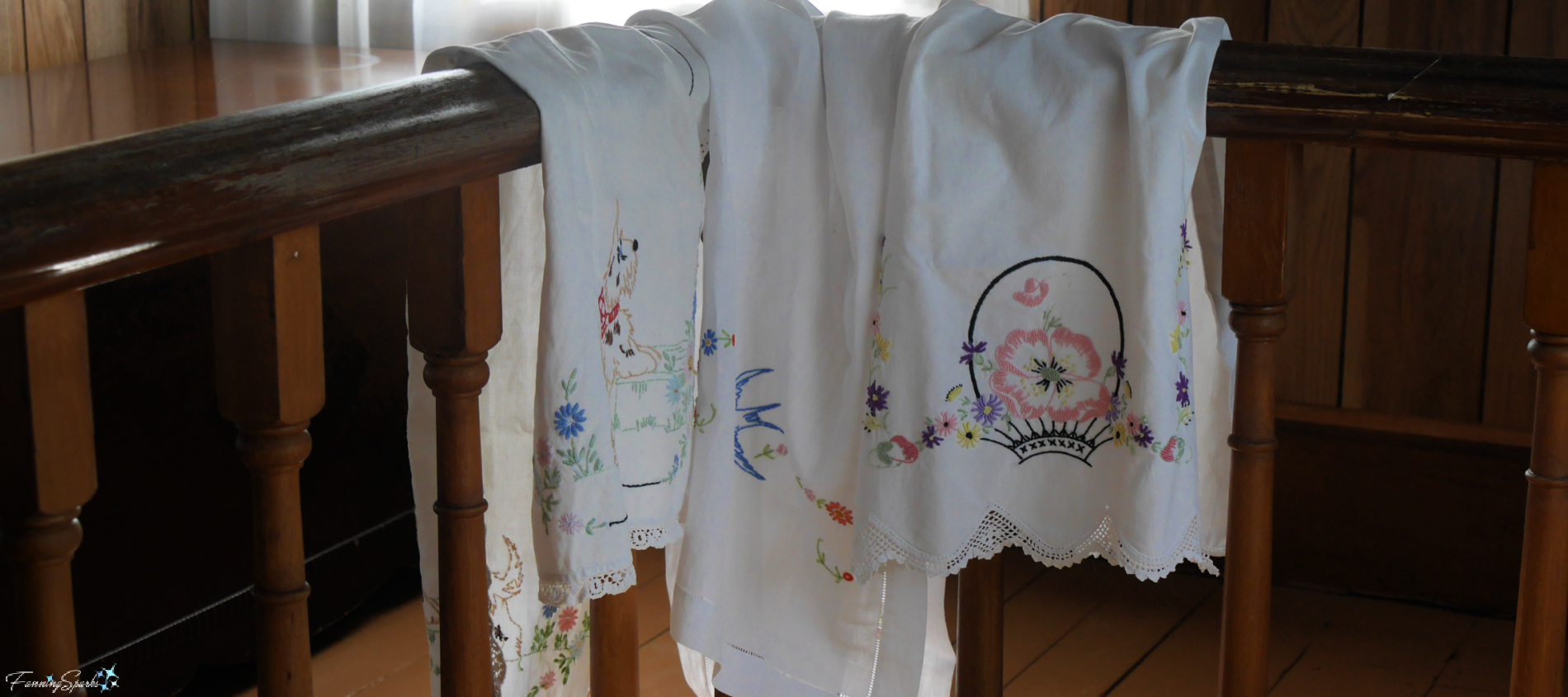
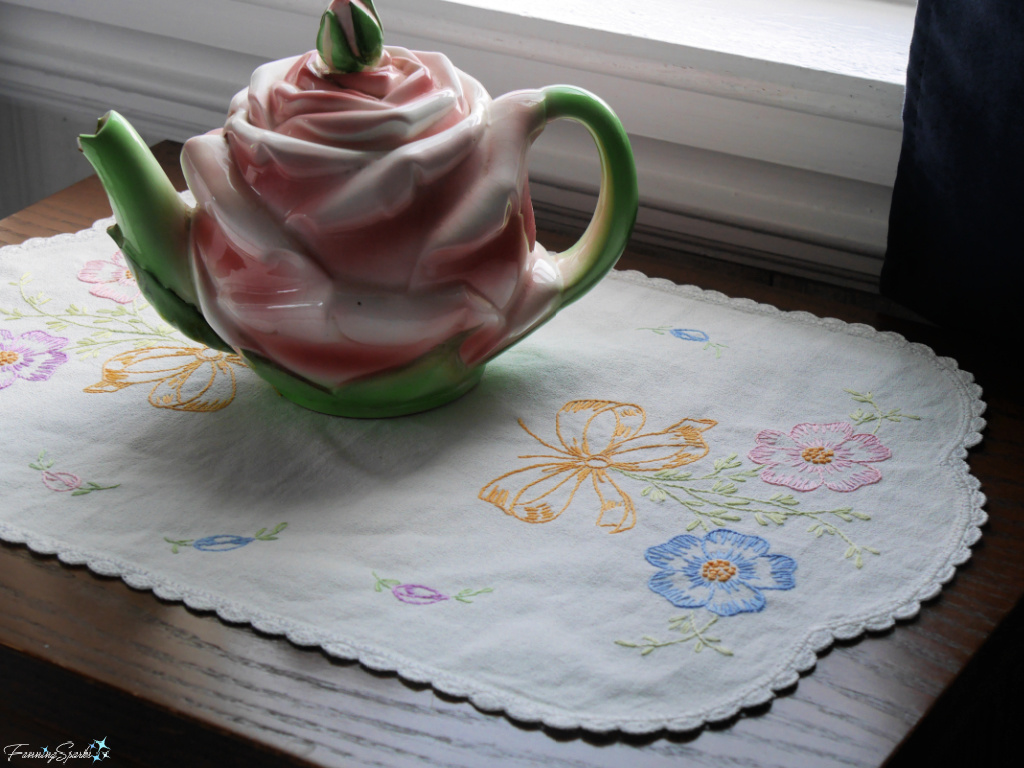
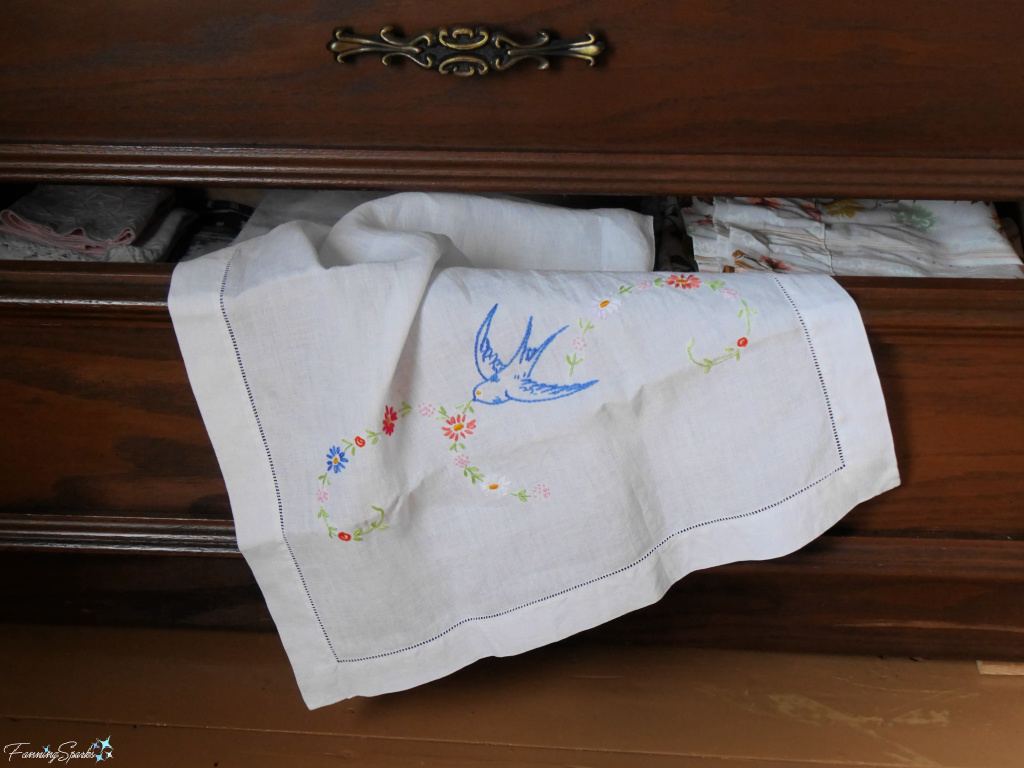
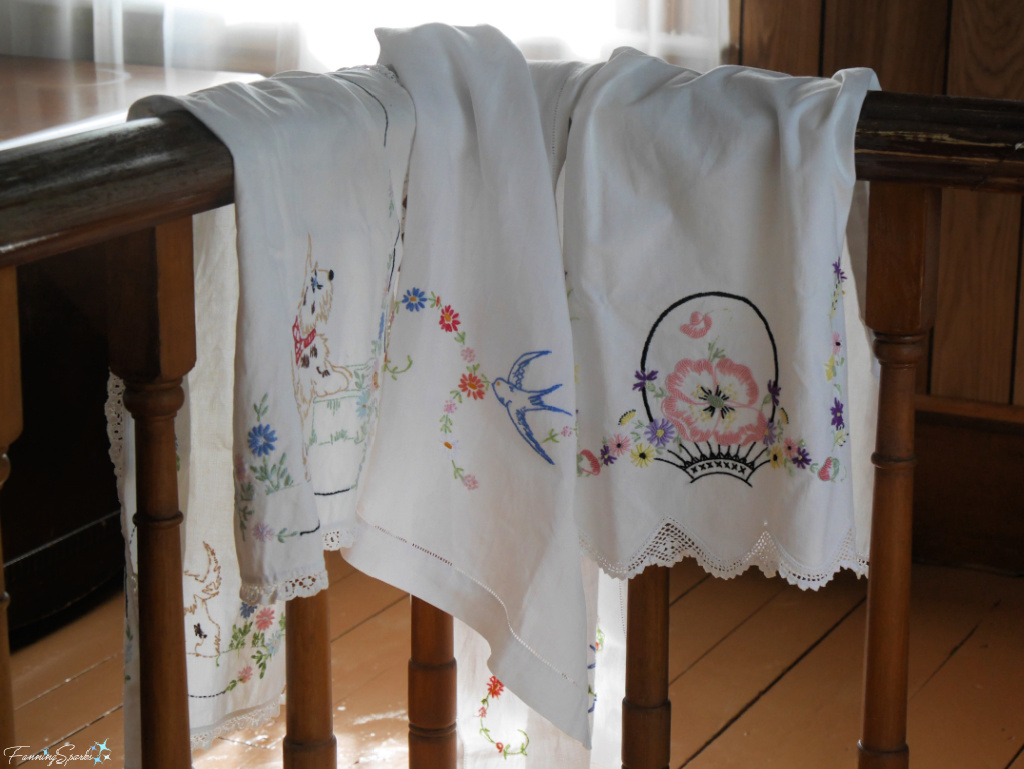
When it’s all boiled down, bed runners and table runners are simply strips of fabric used to protect the surface of other items. This is not a new idea as evidenced by the array of vintage runners, tablecloths, and dresser scarfs which can be found in antique and collectible shops. More often than not, these vintage pieces are richly embellished with hand embroidery, crocheting, lacework and other needlework. I like to think these textiles survived because they were cherished and, thus, handled with great care.
Shown below are some beautiful, hand-embroidered, vintage fabric runners which I had the pleasure to capture at a vacation rental property.
More Info
The following hotels, designers, artists and makers are mentioned in this blog post:
. Linvosges Hôtellerie website
. l’Hôtel Lord Byron on Instagram
. Hôtel L’Ormaie on Instagram
. Pousada Topázio on Instagram
. Kimpton Interiors on Instagram
. Ridadi Design Studio on Instagram
. The Home Centric on Instagram
. Appleyard Cottage on Instagram
. Emma Leith Atelier on Instagram
. Meridian Made on Etsy
. June Alston QuiltWorks on Etsy
. Hand Woven Wonders on Etsy
. Bindi Kubatana on Instagram
. Our Little Ideas on Instagram
. Coccaro Home on Instagram
. DaDalogy Bedding Collection on Instagram
. Inspired by Charm on Instagram
. Swatch Pop on Instagram
. Driven by Décor on Instagram
. Organic Neutral Home on Instagram.
Today’s Takeaways
1. Using strips of fabric to protect the surface of other items isn’t a new idea.
2. Bed and table runners can add texture, color and form through a variety of styles, materials and colors.
3. Bed and table runners are conducive to style refreshes and seasonal swaps.


Comments are closed.